

Rubber excavator tracks play a key role in keeping machines efficient and durable. Proper maintenance can save money and reduce downtime. Regular care prevents damage and keeps performance smooth. These tracks protect the ground and reduce wear on metal components. Treating them right ensures they last longer and deliver value over time.
Key Takeaways
- Clean your rubber tracks often to stop dirt buildup. This easy task helps them last longer and work better.
- Keep track tension correct to prevent damage and delays. Check and fix tension every 10 to 15 hours of use.
- Store tracks in a cool, dry spot, away from sun and chemicals. Good storage keeps them safe and in great shape.
Clean Your Rubber Excavator Tracks Regularly
Keeping your rubber excavator tracks clean is one of the simplest ways to extend their lifespan. Dirt, mud, and debris can accumulate quickly, especially after a long day on the job. Regular cleaning not only improves performance but also prevents unnecessary wear and tear.
Remove Dirt, Mud, and Debris After Each Use
After every use, take a few minutes to remove any dirt, mud, or debris stuck to the tracks. This small effort can make a big difference. Debris left on the tracks can cause damage or even lead to the track disconnecting during operation. Sites that prioritize cleaning have reported saving significant time and money. For example, a landscaping company reduced cleanup time by 75% during a park renovation project simply by maintaining their equipment properly.
To clean effectively:
- Use a stiff brush to scrub away dirt and mud.
- A shovel can help dislodge larger chunks of debris.
- For stubborn grime, a power washer works wonders.
Tip: Pay special attention to the undercarriage. A clean undercarriage ensures smooth operation and reduces the risk of long-term damage.
Use Appropriate Cleaning Tools and Avoid Harsh Chemicals
The tools you use matter. Stick to equipment like brushes, shovels, and power washers. Avoid harsh chemicals, as they can deteriorate the rubber over time. Harmful contaminants like salt, oil, and manure should also be rinsed off daily to maintain the integrity of the tracks. Regular cleaning not only keeps the tracks looking good but also ensures they perform at their best.
Note: Rubber excavator tracks are designed to be durable, but exposure to certain chemicals can weaken them. Always rinse thoroughly after cleaning to remove any residue.
Benefits of Keeping Tracks Clean for Longevity
A clean track is a healthy track. Regular cleaning prevents dirt buildup, which can lead to quicker wear and tear. It also reduces the risk of costly repairs or replacements. Maintenance logs from industry professionals show that routine cleaning and lubrication significantly extend the lifespan of rubber excavator tracks. By removing debris after each task, you can keep your equipment running smoothly and efficiently.
Did you know? Cleaning your tracks regularly can also protect the ground surface. Rubber tracks are designed to minimize damage to roads and other surfaces, and keeping them clean ensures they perform this function effectively.
Incorporating these cleaning habits into your routine will save you time, money, and headaches in the long run. Treat your rubber excavator tracks with care, and they’ll reward you with years of reliable service.
Adjust the Tension of Rubber Excavator Tracks
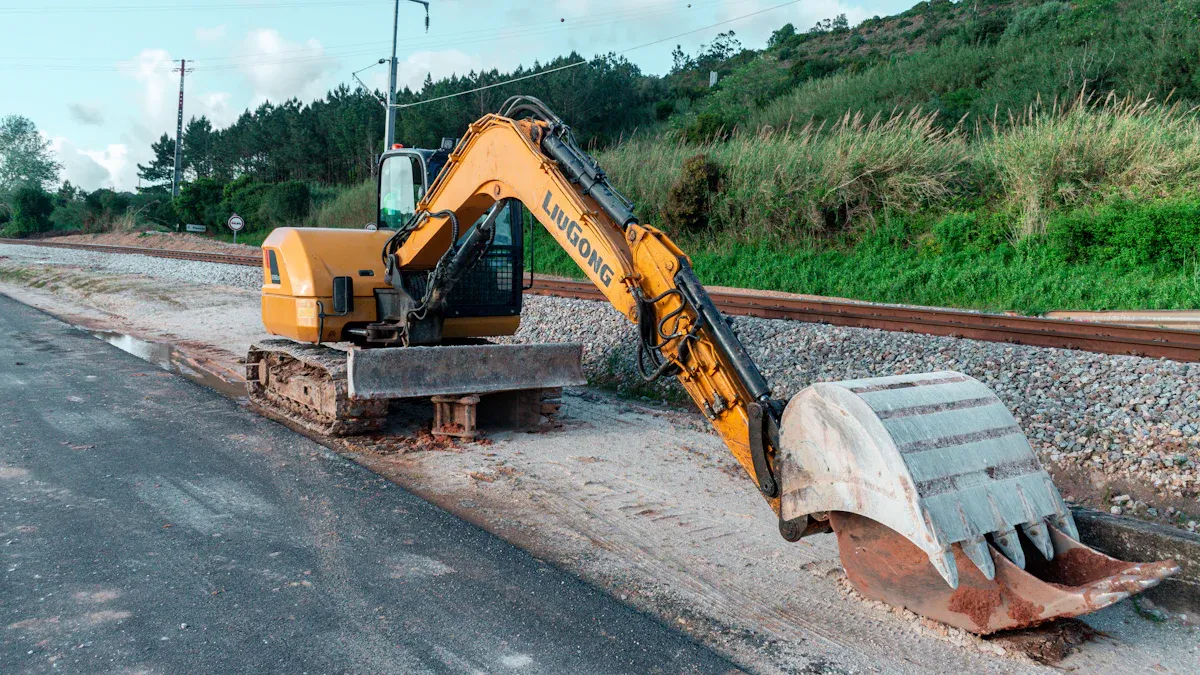
Proper track tension is essential for keeping rubber excavator tracks in top condition. It ensures smooth operation, reduces wear, and extends the lifespan of your equipment. Neglecting this step can lead to costly repairs and downtime. Let’s explore why track tension matters, how to adjust it, and what signs to watch for.
Importance of Correct Track Tension for Performance
Track tension directly impacts the performance and durability of your excavator. Tracks that are too loose can slip off the rollers, causing unnecessary wear and operational delays. On the other hand, overly tight tracks increase stress on components, leading to premature failure.
Here’s why maintaining the right tension is critical:
- Proper tension can extend track lifespan by up to 23%.
- It minimizes wear and energy consumption, improving overall efficiency.
- Correct tension reduces stress-related failures, enhancing reliability.
- It ensures better operational stability, especially on uneven terrain.
By keeping the tension just right, operators can enjoy smoother performance and lower maintenance costs.
Steps to Check and Adjust Track Tension
Adjusting track tension doesn’t have to be complicated. Following a few simple steps can make a big difference in maintaining your rubber excavator tracks:
- Start with a clean surface: Remove dirt and debris from the tracks and undercarriage before making adjustments.
- Warm up the machine: Run the excavator for about 30 minutes to allow the tracks to acclimate to site conditions.
- Measure the sag: Check the distance between the track and the center roller. Most manufacturers recommend a sag of 1 to 2 inches, but always refer to your equipment manual for specific guidelines.
- Adjust the tension: Unscrew the grease intake valve and pump grease to tighten the track. To loosen it, release grease from the valve.
- Recheck the tension: After adjustment, measure the sag again to ensure it meets the recommended specifications.
For best results, check track tension every 10 to 15 hours of use. Adjustments may vary depending on the terrain. Use less tension in muddy or soft conditions and tighten the tracks for hard, rocky surfaces.
Tip: Always consult the machine manual for proper tensioning procedures. Each model may have unique requirements.
Signs of Improper Tension and How to Address Them
Recognizing the warning signs of improper track tension can save you from costly repairs. Here are some common indicators and how to fix them:
- Track slipping or detachment: This often points to loose tension. Tighten the tracks by adding grease to the tensioning system.
- Excessive wear on the edges: Overly tight tracks can cause this issue. Release some grease to reduce tension.
- Hydraulic fluid leaks: Inspect the track tension cylinders for leaks and replace faulty components.
- Uneven track wear: Check the undercarriage for misalignment and adjust as needed.
- Frequent derailments: This could indicate worn idlers or springs. Replace damaged parts to restore proper tension.
Regular inspections and timely adjustments can prevent these problems. Operators should also avoid sharp turns and excessive speed, as these actions can strain the tracks unnecessarily.
Note: Proper tensioning not only protects the tracks but also enhances the performance of the entire machine. It’s a small step that delivers big results.
By following these guidelines, you can keep your rubber excavator tracks in excellent condition. Regular tension checks and adjustments will ensure your equipment operates efficiently and lasts longer.
Store Rubber Excavator Tracks Properly
Proper storage plays a big role in extending the life of rubber excavator tracks. When stored correctly, tracks stay in better condition and perform well when needed. Let’s look at some simple storage tips to keep them safe and durable.
Protect Tracks from Sunlight and Extreme Temperatures
Rubber tracks are tough, but prolonged exposure to sunlight and extreme temperatures can cause damage over time. UV rays can create fine cracks on the surface, making the tracks age faster. Extreme heat or cold can also weaken the rubber, increasing the risk of failure. To avoid this, store tracks in a shaded area or indoors where they’re shielded from direct sunlight and temperature swings.
Tip: If indoor storage isn’t possible, use a tarp or cover to protect the tracks from harmful UV rays and weather conditions.
Use a Clean, Dry, and Level Surface for Storage
The surface where tracks are stored matters. A clean, dry, and level area prevents moisture buildup and uneven pressure that could deform the rubber. Industry best practices recommend keeping tracks in a sheltered space to avoid exposure to environmental elements like rain or humidity. This simple step helps maintain their shape and elasticity, ensuring they’re ready for use when needed.
Callout: Avoid stacking tracks on uneven surfaces or damp ground. This can lead to warping or mold growth, which reduces their lifespan.
Avoid Contact with Oil, Chemicals, or Sharp Objects
Rubber excavator tracks should be kept away from substances that can harm their material. Oil and chemicals can weaken the rubber, while sharp objects can puncture or tear it. Before storing, inspect the area for any hazards and remove them. This precaution ensures the tracks remain intact and ready for smooth operation.
Reminder: Always clean tracks before storage to remove any residue that might degrade the rubber over time.
By following these storage tips, operators can protect their investment and ensure their tracks stay in top condition for years to come.
Operate Your Excavator with Care
Operating an excavator with care is essential for preserving the condition of its rubber tracks. Thoughtful handling not only extends the lifespan of the tracks but also ensures smoother performance on the job.
Avoid Sharp Turns and Excessive Speed
Sharp turns and high speeds put unnecessary strain on rubber excavator tracks. When operators make abrupt movements, the tracks can stretch unevenly or even slip off the rollers. This kind of stress accelerates wear and increases the risk of damage. Instead, gradual turns and controlled speeds should be the norm. For instance, when navigating tight spaces, slowing down and planning movements carefully can prevent unnecessary strain.
Tip: Encourage operators to practice smooth driving techniques during training sessions. This habit can save time and money in the long run.
Minimize Use on Rough or Uneven Terrain
Rough or uneven surfaces can be particularly harsh on rubber excavator tracks. Performance studies show that abrasive terrains cause excessive wear and tear, especially when combined with improper handling like sharp turns. Rocks, debris, and uneven ground create friction that weakens the rubber over time. Whenever possible, operators should avoid these conditions or use alternative equipment better suited for such terrains. If working on rough ground is unavoidable, reducing speed and avoiding sudden movements can help minimize damage.
Callout: Plan routes ahead of time to steer clear of unnecessary obstacles. A little preparation can go a long way in protecting your tracks.
Follow Weight Limits to Prevent Overloading
Exceeding weight limits is one of the quickest ways to damage rubber excavator tracks. Overloading increases pressure on the tracks, leading to faster wear and potential failure. Operators should always adhere to the manufacturer’s recommended weight limits. For example, distributing loads evenly across the machine can reduce stress on the tracks and improve overall stability. Regularly checking the load weight ensures the excavator operates within safe limits.
Reminder: Overloading doesn’t just harm the tracks—it can also compromise the safety of the entire machine. Always prioritize proper load management.
By following these simple operating tips, operators can maximize the lifespan of their rubber excavator tracks. Careful handling, thoughtful planning, and adherence to weight limits all contribute to better performance and reduced maintenance costs.
Inspect Rubber Excavator Tracks Regularly
Regular inspections are key to keeping rubber excavator tracks in great shape. Spotting issues early can save time, money, and prevent bigger problems down the road. Let’s explore what to look for during inspections and how to address potential damage.
Check for Cracks, Tears, or Worn Areas
Rubber excavator tracks face constant wear, so checking for cracks, tears, or worn spots is essential. Visual inspections are the first step. Operators should look for uneven wear patterns or small cracks that could grow over time. Advanced methods like dye penetrant testing or ultrasonic testing can help detect hidden damage.
Here’s a quick list of effective inspection techniques:
- Visual Inspection (VT) for surface damage.
- Dye penetrant testing (PT) to find small cracks.
- Ultrasonic testing (UT) for deeper wear.
Tip: Regular cleaning prevents debris from hardening and causing stress on the tracks. Removing substances like clay can reduce over-tensioning and extend track life.
Inspect the Undercarriage for Damage or Misalignment
The undercarriage plays a big role in track performance. Operators should check rollers and idlers for excessive play or misalignment. Drive sprockets should be inspected for worn teeth or damaged surfaces. Missing bolts or bent components are signs of trouble. Measuring track tension ensures proper alignment and prevents uneven wear.
Use this checklist during undercarriage inspections:
- Look for worn-out bearings or seized rollers.
- Check sprockets for damage or wear.
- Inspect for bent or cracked parts.
- Ensure track tension matches manufacturer specifications.
Callout: Misaligned undercarriages can lead to frequent derailments. Addressing these issues early keeps operations smooth and efficient.
Address Issues Early to Prevent Further Wear
Fixing small problems early prevents bigger headaches later. Maintenance records show that frequent inspections reduce repair costs and improve equipment performance. For example, advanced diagnostics like S-O-S fluid analysis can identify issues before they escalate. Historical data from service reports also helps operators make informed decisions about maintenance.
| Evidence Type | Description |
|---|---|
| S-O-S Fluid Analysis | Advanced diagnostics prevent costly repairs. |
| Equipment Inspections | Frequent checks catch issues early, avoiding breakdowns. |
| Historical Data | Service reports guide better maintenance strategies. |
Reminder: Early repairs don’t just save money—they also extend the lifespan of rubber excavator tracks and improve overall machine efficiency.
By inspecting tracks regularly, operators can protect their investment and avoid unnecessary downtime. A little effort goes a long way in keeping equipment running smoothly.
Taking care of rubber excavator tracks doesn’t have to be complicated. Regular cleaning, proper tension adjustments, safe storage, careful operation, and frequent inspections can make a huge difference. These simple steps help extend track life, reduce costs, and improve performance.
One asphalt company shared how their Cat® Rubber Tracks lasted 981 hours—double the lifespan of competitor tracks. This shows how a structured maintenance plan can maximize value and reliability.
By following these tips, operators can protect their investment and keep their equipment running smoothly for years.
Contact Us:
Email: sales@gatortrack.com
WeChat: 15657852500
LinkedIn: Changzhou Hutai Rubber Track Co., Ltd.
Post time: May-20-2025