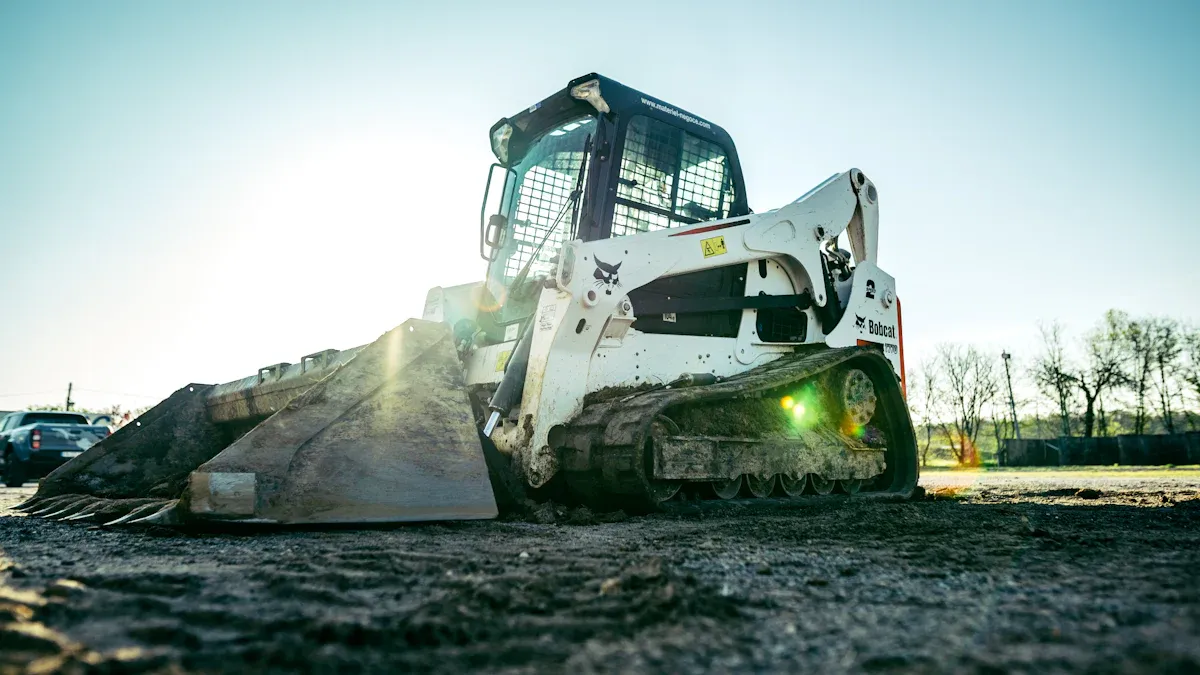
Matching the right tracks to the terrain keeps a skid loader running smoothly and safely. Take a look at how different setups perform:
| Track Configuration | Maximum Drawbar Pull (kN) | Slip Percentage (%) | Notes |
|---|---|---|---|
| Configuration D (tracked) | ~100 kN | 25% | Highest drawbar pull observed |
| Configuration C (half-tracks) | ~50 kN | 15% | Lower potency at high slip |
Choosing Tracks For Skid Loader with the right rubber compounds means better traction, less downtime, and longer service life. Rubber tracks can cut ground pressure by up to 75%, boost operator comfort, and help machines work through wet or rough conditions.
Key Takeaways
- Choose skid loader tracks based on the terrain to improve traction, protect surfaces, and extend track life.
- High-quality tracks with strong rubber compounds and steel reinforcements last longer and reduce downtime.
- Regular inspection, proper tensioning, and good maintenance keep tracks working well and prevent costly repairs.
Types of Tracks For Skid Loader
Rubber Tracks
Rubber tracks are a popular choice for many skid loaders. They offer great traction on soft, muddy, or snowy ground. Operators like rubber tracks because they lower ground pressure and help machines float over delicate surfaces. These tracks also reduce vibration and noise, making the ride smoother and more comfortable. Many rubber tracks, like the ones made with special rubber compounds and steel chain links, resist cutting and tearing. This means they last longer and keep the machine running smoothly.
Tip: Rubber tracks work well for landscaping, parks, and golf courses where protecting the ground matters.
Steel Tracks
Steel tracks give skid loaders extra strength for tough jobs. They perform best on rocky, abrasive, or steep terrain. Steel tracks provide better traction and last longer in harsh conditions. They are heavier, so they can sink in soft ground, but they shine in demolition, land clearing, and forestry work. Steel tracks often come with self-cleaning designs that help keep mud and dirt from building up.
- Steel tracks protect tires from damage.
- They offer a longer tread life and are more economical for heavy-duty tasks.
Over-the-Tire Tracks
Over-the-tire (OTT) tracks fit over standard skid loader tires. They add versatility, letting one machine handle many types of terrain. Steel OTT tracks are very durable and resist wear on rocky or abrasive ground. Rubber OTT tracks improve flotation and traction on soft surfaces like mud or snow, but they wear out faster on sharp debris. OTT tracks are easy to install and remove, making them a smart choice for changing job sites.
- Steel OTT tracks protect tires and extend their life.
- Rubber OTT tracks give a smoother ride and reduce machine vibration.
Non-Marking Tracks
Non-marking tracks help keep floors and sensitive areas clean. They do not leave black marks, which is important in places like warehouses, food processing plants, or cold storage. Studies show non-marking tracks can cut cleaning needs by 75% and help equipment last longer. Some non-marking tracks have antimicrobial coatings, which help keep food areas safe and clean.
Note: Non-marking tracks support safety and hygiene in places where cleanliness is a top priority.
Tracks For Skid Loader: Pros and Cons for Different Terrains
Mud and Wet Conditions
Tracks for skid loader really shine in mud and wet areas. Operators notice longer working seasons—up to 12 extra days each year. Machines use about 8% less fuel, and the tracks cause less soil compaction, which helps protect the environment. Special tread patterns like zigzag or multi-bar designs grip the ground and push out mud, so the tracks stay clean and keep moving. These tracks last longer, too. Many users see track life jump from 500 to over 1,200 hours. Fewer emergency repairs and lower costs make these tracks a smart choice for wet jobs.
Tip: Tracks with steel core technology and anti-corrosion treatments handle wet, muddy conditions best.
Snow and Ice
Snow and ice bring their own challenges. Tracks help machines float on top of snow and keep moving when tires might slip. Some studies show that snow depth and track performance can change a lot from year to year. Cyclones and weather patterns also affect how much snow builds up. Tracks with deep, wide treads grip icy surfaces better and help operators finish jobs even in tough winters.
Gravel and Loose Surfaces
Tracked skid loaders work well on gravel and loose ground. They spread out the machine’s weight, so the loader does not sink or get stuck. Here’s a quick look at how tracked and wheeled loaders compare:
| Feature | Tracked Skid Loaders | Wheeled Skid Loaders |
|---|---|---|
| Weight Distribution | Even, less sinking | Focused, more sinking |
| Traction | Great on loose surfaces | Can slip or dig in |
| Surface Impact | Less damage | More damage |
| Ride Comfort | Smoother | Bumpier |
Tracks for skid loader give better flotation and stability on soft ground, making them a top pick for gravel or sand.
Asphalt and Pavement
On hard surfaces like asphalt, rubber tracks protect the ground and reduce noise. Non-marking tracks keep floors clean in places like warehouses. Operators like the smooth ride and lower vibration. Steel tracks can damage pavement, so rubber tracks are the better choice here.
Hard and Rocky Ground
Steel tracks handle rocks and rough terrain best. They grip uneven surfaces and resist cuts or tears. Rubber tracks with reinforced steel links also work well, offering a mix of strength and comfort. These tracks keep the loader stable and safe, even on steep or rocky hills.
Key Features to Consider in Tracks For Skid Loader
Material Quality and Construction
When picking tracks for a skid loader, material quality makes a big difference. High-quality tracks use advanced rubber compounds that blend natural and synthetic rubbers. This mix gives the tracks better elasticity, so they bend without breaking. The rubber resists tearing and stands up to rough ground. Manufacturers add carbon black and silica to the rubber. These reinforcements help the tracks last longer by protecting against wear and abrasion.
Steel core technology also matters. Tracks with helical steel cords inside have more strength and flexibility. The steel spreads out the force, so the track does not break under pressure. Some tracks use galvanized or brass-coated steel cords. These coatings stop rust and keep the steel strong, even in wet or muddy places. Good tracks also use waterproof glue to bond the steel and rubber together. This makes the track tough and reliable.
Tip: Tracks with UV stabilizers and antiozonants stay flexible in hot sun or freezing cold. They do not crack or get stiff when the weather changes.
Tread Patterns and Traction
Tread patterns decide how well a skid loader grips the ground. Different patterns work better for different jobs. For example, block treads give a large contact area and work well on asphalt, concrete, and mud. C-lug treads have more edges, so they grip better on clay, snow, or rocky ground. V patterns point in one direction and help the loader move without tearing up the soil. Zig zag treads have lots of side edges, which makes them great for mud and snow. They also clean themselves, so mud does not stick.
Here is a quick table to compare tread patterns:
| Tread Pattern | Traction Characteristics | Best Use | Reinforcement / Material Quality |
|---|---|---|---|
| Block | Good on hard and soft ground | General work | Standard durability |
| C-lug | Extra grip on tricky surfaces | Snow, clay, rocks | Slightly stronger |
| V Pattern | Moves dirt away, less soil damage | Farming, light jobs | Needs correct installation |
| Zig zag | Best for mud and snow, self-cleaning | Wet, slippery jobs | Thick, tough rubber |
Tread shape and material both affect how long the tracks last and how well they grip. Tracks For Skid Loader with the right tread pattern can handle tough jobs and keep the machine moving.
Size, Width, and Specifications
Size and width matter when choosing tracks. The right size helps the loader balance and move safely. Tracks that are too narrow can sink into soft ground. Tracks that are too wide might not fit the machine or could rub against parts. Each skid loader has a recommended track width and length. Always check the machine’s manual before buying new tracks.
Some tracks have special specs, like extra-thick rubber or deeper treads. These features help the loader work longer without slipping or wearing out. Picking the right size and specs means the loader can handle heavy loads and rough terrain without trouble.
Note: Using the correct track size also protects the loader’s undercarriage and saves money on repairs.
Reinforcement and Durability
Durability keeps a skid loader working longer. Good tracks use strong steel cords inside the rubber. These cords help the track hold its shape and resist stretching. Drop-forged steel parts and special adhesives make the bond between steel and rubber even stronger. Tracks with anti-corrosion coatings last longer in wet or salty places.
Manufacturers test tracks for tear resistance, abrasion, and weather damage. Tracks with thicker rubber and better steel reinforcement last longer and need fewer repairs. Regular cleaning and checking for wear also help tracks stay strong.
- Tracks with helical steel cords spread out stress and stop weak spots.
- Waterproof bonding keeps steel from rusting inside the track.
- UV and weather-resistant compounds stop cracks and keep tracks flexible.
Choosing tough, well-built tracks means less downtime and more work done.
How to Select the Right Tracks For Skid Loader by Terrain
Mud and Soft Ground
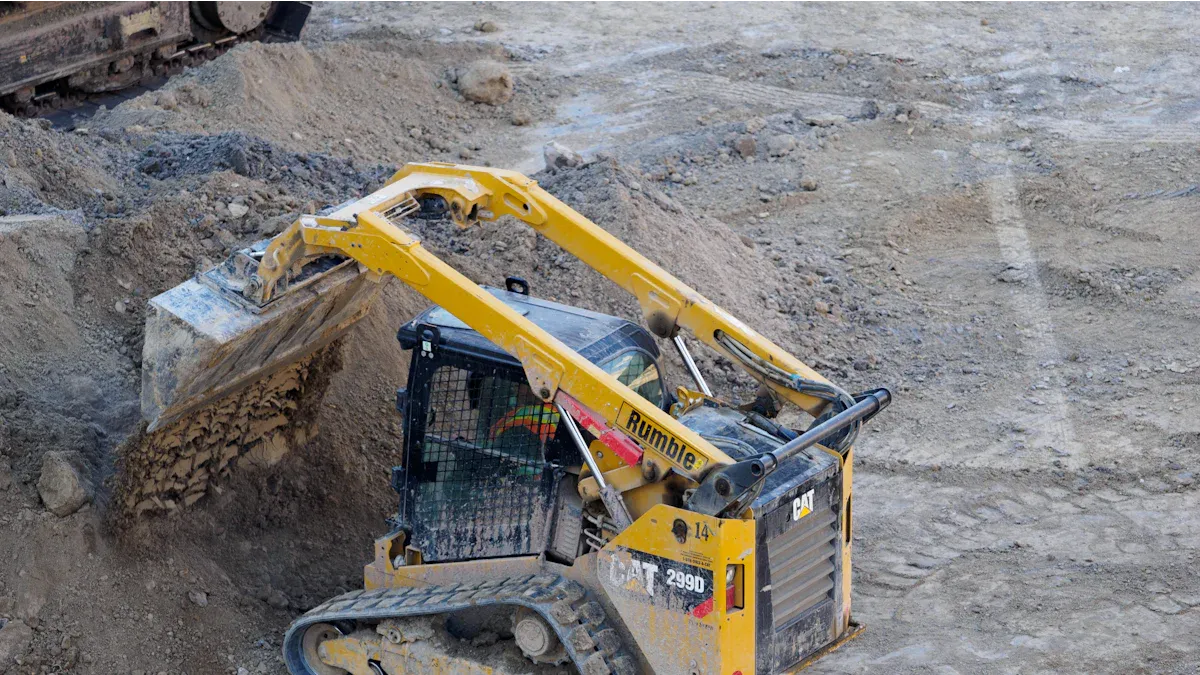
Mud and soft ground can stop a skid loader fast. Operators need tracks that spread out the machine’s weight and keep it from sinking. Multi-bar tread patterns work best here. These tracks have aggressive traction and self-cleaning features. Mud-specific tracks use wide spacing and angled edges to slice through thick mud. They push mud out as the loader moves, so the tracks stay clean and keep gripping.
| Tread Pattern Type | Terrain Optimization | Key Features and Benefits |
|---|---|---|
| Multi-Bar | Mud, Soft, Loose Conditions | Aggressive traction, self-cleaning, excellent forward grip |
| Mud-Specific | Mud | Wide spacing, angled edges, channels for mud removal |
Track loaders float over swampy or soft ground. They cause less damage to the terrain and keep working when wheeled machines get stuck. Choosing the right tracks for these conditions means more uptime and less frustration.
Tip: Tracks with reinforced steel links and special rubber compounds last longer in muddy jobs.
Snow and Winter Use
Snow and ice make surfaces slippery and hard to cross. Tracks with snow-specific tread patterns help loaders move safely. These tracks use staggered patterns and siping (tiny cuts in the rubber) to grip icy ground. C-lug treads also work well in snow. They give traction in many directions and reduce vibration.
| Tread Pattern Type | Terrain Optimization | Key Features and Benefits |
|---|---|---|
| Snow-Specific | Snow, Ice | Staggered patterns, siping for grip, steady contact |
| C-Lug | Mud, Snow | Multidirectional grip, less vibration, prevents packing |
Track loaders can clear snow with heavy-duty blowers. They stay on top of the snow and do not slip as much as wheeled loaders. Operators finish winter jobs faster and safer with the right tracks.
Note: Always check for ice buildup on the tracks during long winter shifts.
Gravel and Construction Sites
Construction sites often have gravel, loose dirt, and uneven ground. Block tread patterns shine in these places. They give a smooth ride and spread out the loader’s weight. This helps prevent the machine from digging into the ground or damaging the surface. Block pattern rubber tracks also resist wear and last longer on hard, rough surfaces.
| Tread Pattern Type | Terrain Optimization | Key Features and Benefits |
|---|---|---|
| Block | Concrete, Asphalt, Gravel | Smooth operation, less vibration, reduced track wear |
| Hard Surface | Concrete, Asphalt, Gravel | Even weight, less surface damage, longer track life |
Operators like block pattern tracks for roadwork and finishing jobs. These tracks meet OEM specs, so they fit well and perform as expected.
Tip: For heavy land clearing or forestry, block pattern tracks handle tough jobs and resist cuts.
Asphalt and Urban Areas
Urban jobs need tracks that protect finished surfaces. Rubber tracks with block or hard surface patterns work best on asphalt and concrete. They lower ground pressure and keep the loader from leaving marks. Non-marking tracks are a smart choice for warehouses, food plants, and places where cleanliness matters.
| Tread Pattern Type | Terrain Optimization | Key Features and Benefits |
|---|---|---|
| Block | Asphalt, Concrete | Smooth ride, less surface damage, quiet operation |
| Hard Surface | Asphalt, Concrete | Closer tread spacing, even weight, less track wear |
Operators choose these tracks for city work, parking lots, and indoor jobs. The tracks last longer and keep the work area looking good.
Note: Non-marking tracks help keep floors clean and safe in sensitive areas.
Rocky and Uneven Terrain
Rocky ground and hills challenge any loader. Tracks with C-lug or reinforced tread patterns grip uneven surfaces and resist cuts. These tracks use strong steel cords and tough rubber to handle sharp rocks. They keep the loader stable and safe, even on steep slopes.
| Tread Pattern Type | Terrain Optimization | Key Features and Benefits |
|---|---|---|
| C-Lug | Mixed Surfaces, Rocks | Multidirectional grip, less vibration, strong construction |
| Reinforced | Rocky, Uneven Terrain | Steel cords, thick rubber, high durability |
Track loaders stay stable on hills and rough ground. They spread out the weight and keep moving where wheels might slip or tip.
Tip: Tracks For Skid Loader with drop-forged steel parts and special adhesives offer extra strength for rocky jobs.
Installation, Inspection, and Maintenance Tips for Tracks For Skid Loader
Proper Installation Steps
Installing tracks on a skid loader takes careful steps. First, park the machine on a flat, safe surface. Lower the lift arms and tilt the bucket forward to raise the front. Turn off the engine and exit the cab. Always wear safety gear like gloves, safety glasses, and steel-toe boots. Next, measure the space between the middle track roller and the track. The ideal gap is about 1 to 1.5 inches. If the gap is off, adjust the tension. To tighten, remove the access plate and use a grease gun to add grease to the tensioning cylinder. To loosen, carefully release grease from the valve. Clean up any grease and put the plate back. Lower the machine and check that everything works smoothly.
Tip: Always follow the machine’s manual and check with your dealer if you have questions.
Tensioning and Adjustment
Track tension matters for smooth operation. Operators should check tension every 50 hours or even daily. If the gap between the third roller and the track is too wide, add grease to tighten. If it is too tight, release some grease. Keeping the right tension helps prevent wear and keeps the loader running well.
Regular Inspection and Wear Signs
Regular checks help spot problems early. Operators should inspect tracks daily, monthly, and yearly. Look for cracks, cuts, or missing chunks. Take photos and keep notes to track changes over time. Using digital tools makes it easier to compare wear and plan repairs. Certified inspectors can help with big checks and make sure everything meets safety standards.
Cleaning and Care Best Practices
Clean tracks after each use, especially after working in mud or snow. Remove rocks and debris that can cause damage. Store the loader in a dry place to prevent rust. Keeping tracks clean and dry helps them last longer and work better.
Common Problems and Solutions with Tracks For Skid Loader
Track Damage Types
Skid loader tracks face tough jobs every day. Operators often see a few common types of damage.
- Cuts and Tears: Sharp rocks or debris can slice into the rubber.
- Chunking: Pieces of rubber may break off, especially on rough ground.
- Stretching: Tracks can stretch over time, making them loose.
- Cracking: Sun and weather can dry out the rubber, causing cracks.
Tip: Regular checks help spot damage early. Quick fixes can stop small problems from getting worse.
Troubleshooting Performance Issues
Sometimes, a skid loader does not move as it should. Here are some signs and what they might mean:
- The loader pulls to one side. This could mean uneven track tension.
- The ride feels bumpy. Dirt or rocks might be stuck in the undercarriage.
- The track slips or squeaks. The tension may be too loose or too tight.
Operators should check the track tension first. Cleaning out mud and debris helps, too. If problems continue, a professional can inspect the machine.
Preventing Premature Wear
Good habits keep tracks working longer.
- Clean tracks after each job.
- Store the loader indoors when possible.
- Check tension often and adjust as needed.
- Avoid sharp turns on hard surfaces.
A high-quality track, made with strong rubber and steel, stands up to tough work. Regular care saves money and keeps the loader ready for any job.
Enhancing Track Life for Skid Loader Tracks
Smart Operation Tips
Operators can make a big difference in how long skid loader tracks last. They should avoid sharp turns and sudden stops. These actions put extra stress on the tracks and can cause early wear. It helps to drive at steady speeds and use smooth, wide turns. Operators should also avoid running over curbs or large debris. Training makes a difference, too. When operators know how to use the machine correctly, they help prevent damage. Using the right attachments and keeping them in good shape also reduces stress on the tracks.
Tip: Operators who avoid spinning the tracks or applying too much down force help extend track life.
Preventive Maintenance
A good maintenance routine keeps tracks working longer. Here are some steps experts recommend:
- Check fluid levels every day, including engine oil, hydraulic fluid, coolant, and fuel.
- Inspect engine air and cab filters often to keep the system clean.
- Sample engine oil every 250 hours and hydraulic fluids every 250-500 hours.
- Look for leaks or pooled fluids around the engine.
- Drain water from fuel separators and grease all points that need lubrication.
- Examine hoses for damage and make sure safety guards are in place.
- Keep tracks and the undercarriage clean after each use.
- Watch for uneven wear and keep track tension correct.
These steps help catch problems early and keep the machine running smoothly.
Proper Storage
Proper storage protects tracks when the loader is not in use. Operators should park the machine on a flat, dry surface. They should clean the tracks and undercarriage before storage. Covering the loader or storing it indoors keeps out rain and sun, which can damage rubber. If possible, move the loader every few weeks to prevent the tracks from settling in one spot. Good storage habits help tracks last longer and stay ready for the next job.
Choosing the right skid loader tracks for each terrain keeps machines running strong. Regular care helps avoid costly repairs. Operators see big benefits:
- Better performance and safety
- Longer track life from strong materials and reinforcements
- Fewer breakdowns with proper sizing and maintenance
- More comfort and less downtime
FAQ
How often should operators check skid loader track tension?
Operators should check track tension every day before starting work. This helps prevent slipping and keeps the machine running smoothly.
Can rubber tracks handle rocky terrain?
Rubber tracks with steel reinforcement can handle rocky ground. They resist cuts and tears, giving the loader stability and strength.
What makes your skid loader tracks different?
Our tracks use special rubber compounds and all-steel chain links. This design gives extra durability and a smooth ride on any terrain.

Post time: Jun-20-2025