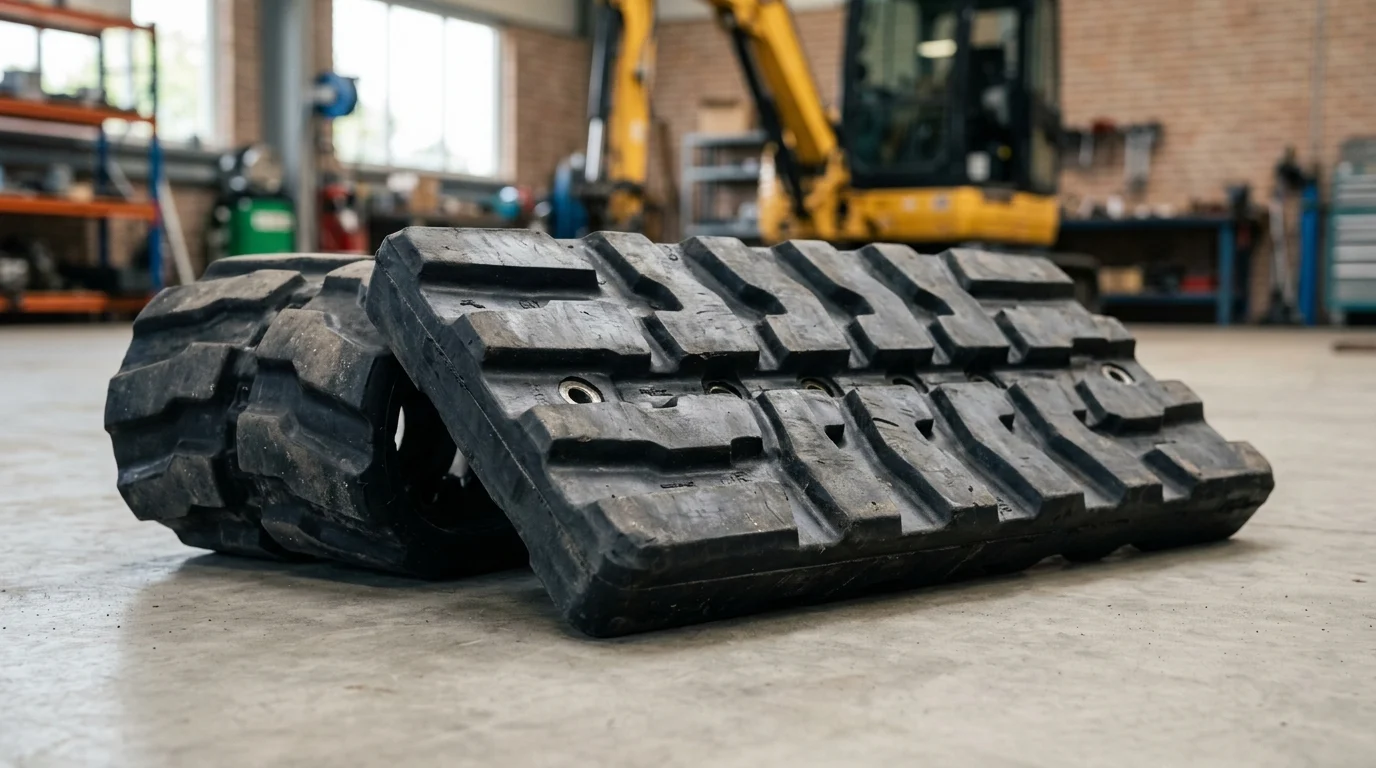
Why 700mm Excavator Rubber Pads Matter
When operating heavy machinery in urban environments or on finished surfaces, the destructive impact of bare steel tracks becomes a significant operational liability. Upgrading fleets to utilize rubber track pads is a practical necessity for modern construction and municipal projects. Specifically, the 700mm width is a critical dimension engineered to support mid-to-large excavators, typically falling within the 20- to 30-tonne weight class. However, this weight class is a general guideline rather than a universal rule; buyers must always verify the 700mm dimension against their specific machine’s OEM shoe specifications. Integrating these specialized components bridges the gap between the rugged traction of bare steel and the delicate touch required for finished roads. The wider 700mm footprint increases the surface area in contact with the ground, effectively lowering the ground bearing pressure. Understanding the core mechanics and load distribution of these pads allows project managers to drastically reduce collateral site damage and associated remediation costs.
Key Benefits for Jobsites
The primary advantage of retrofitting fleets with high-quality 700mm Excavator Rubber Pads lies in meeting strict surface protection requirements. When maneuvering a mid-sized machine across fresh asphalt, historic cobblestone, or cured concrete, the pads absorb and distribute the machine’s weight, preventing costly gouges and structural cracking that steel grousers inevitably cause.
Furthermore, noise pollution is a critical regulatory factor in urban and residential job sites. Steel tracks generate severe friction, often leading to community complaints and project halts. Utilizing premium rubber pads significantly reduces track noise compared to bare steel, keeping projects compliant with municipal ordinances and noticeably reducing operator fatigue. It is important to note that rubber pads are not universally superior; they can reduce traction in mud, snow, or on steep terrain—a limitation that applies to both standard and heavy-duty variants. Additionally, improperly aligned pads may increase undercarriage wear over time. To prevent this high-cost operational risk, operators should routinely check for uneven pad wear, unusual vibration during travel, or loose hardware, which are early symptoms of misalignment.
When Heavy-Duty Pads Are Needed
Not all projects require standard-duty pads; certain harsh environments demand heavy-duty formulations. Heavy-duty variants should be specified when machines are subjected to highly abrasive surfaces like crushed rock, demolition debris, or mixed-gravel terrains that can easily chunk, slice, or tear standard rubber compounds. Extreme temperature fluctuations can also severely affect rubber compound performance and durability, making specialized blends necessary for demanding climates.
Heavy-duty pads are manufactured with steel backing plates and specialized synthetic rubber blends designed to resist extreme shear forces. It is best to source pads capable of enduring high continuous ground pressure without delaminating. When project schedules demand continuous daily operation in abrasive conditions, investing in these thicker, cut-resistant profiles prevents premature equipment failures and mitigates costly on-site downtime.
How to Compare Suppliers and Specifications
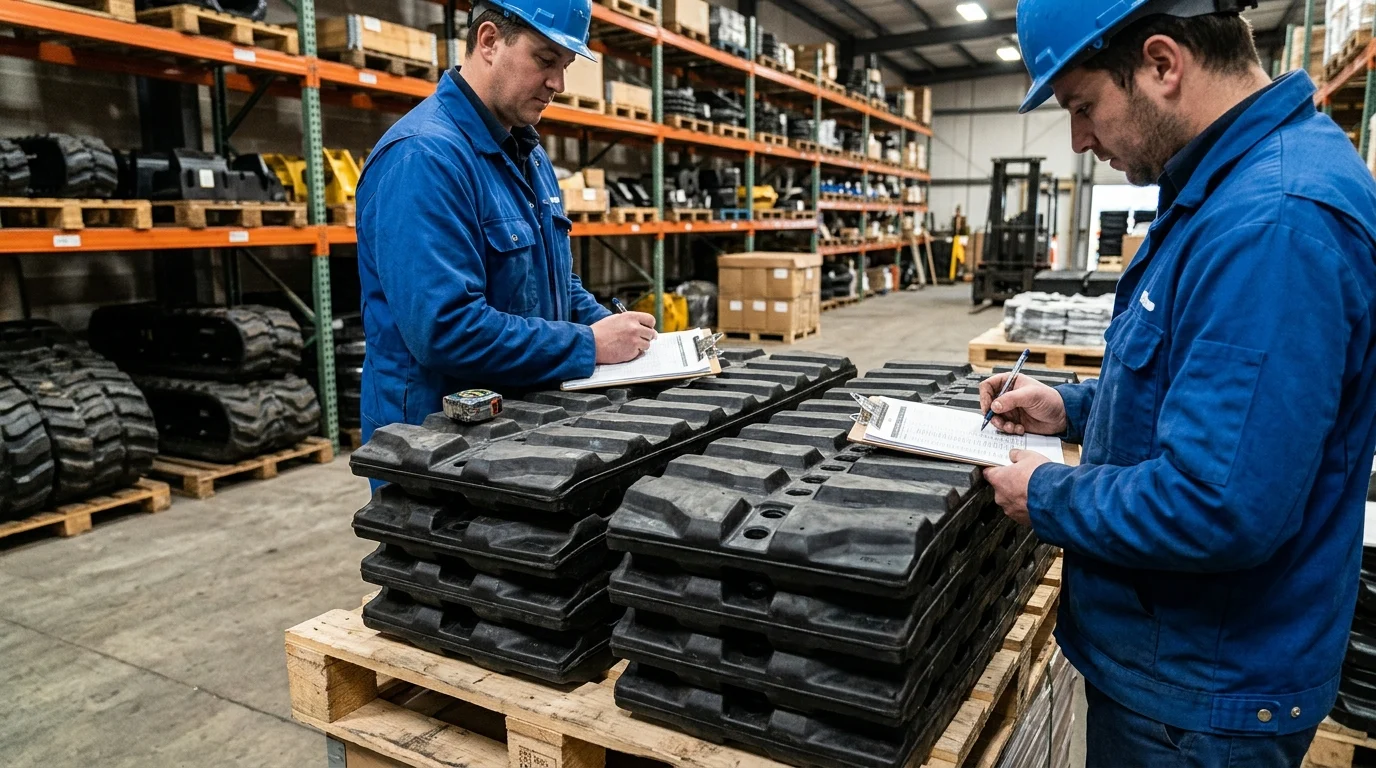
When evaluating different manufacturers and their specifications, look beyond the bottom-line price tag to focus on material engineering. The fundamental chemical composition of the rubber dictates its long-term performance and durability. Request technical data sheets from potential vendors to verify the Shore A hardness. While requirements vary significantly by terrain and machine weight, a standard range of 70 to 80 Shore A typically provides the ideal balance for heavy machinery. The material must be hard enough to resist tearing under heavy loads but remain flexible enough to grip uneven terrain without fracturing.
Equally important is the vulcanization process used to bond the rubber to the internal steel plate. Poor bonding leads to rapid delamination, rendering the pad useless. Prioritize suppliers who utilize advanced thermal bonding techniques and can provide documentation proving high shear-strength adhesion.
Bolt-On vs Clip-On vs Chain-On Pads
Choosing the right attachment style depends on the fleet’s specific operational tempo and the frequency of terrain changes. The three primary configurations offer distinct advantages depending on whether the machine will remain on finished surfaces or alternate between pavement and deep mud. It is also crucial to note operational caveats; for instance, clip-on pads carry a higher risk of detaching when the machine operates in reverse or navigates particularly rough terrain.
| Attachment Type | Installation Speed | Best Application | Relative Lifespan |
|---|---|---|---|
| Bolt-On | Slow / Labor Intensive | Permanent conversion | Highest durability (permanent use) |
| Clip-On | Fast / Flexible | Temporary urban jobs | Moderate (subject to bracket wear) |
| Chain-On | Medium | Direct chain mount | High durability (dedicated use) |
Bolt-on pads secure directly through pre-drilled holes in the steel grouser shoe, offering the most rigid fit for long-term use. Clip-on pads attach to the sides of the steel shoe using specialized brackets, allowing for rapid installation or removal for temporary surface protection. Both bolt-on and clip-on systems require the machine to already be equipped with suitable steel grouser shoes. In contrast, chain-on pads bolt directly to the track chain, completely replacing the steel shoe, which is recommended for dedicated, full-time rubber-track applications. However, buyers must ensure that chain-on systems perfectly match the machine’s specific track pitch and link count.
Quality Checks, Certifications, and Warranty Terms
Sourcing reliable heavy machinery components requires stringent quality assurance protocols. Look for suppliers that hold active ISO 9001 certifications, or equivalent regional standards, for their manufacturing facilities. While not an absolute requirement, such certifications serve as strong indicators of consistent batch-to-batch quality control.
Furthermore, always negotiate comprehensive warranty terms before finalizing a purchase order. A reliable industry-standard warranty should cover the pads against manufacturing defects for a set period of months or working hours, whichever comes first. To maintain fleet operational efficiency, audit the supplier’s historical defect rates, rejecting any vendor with a high reported delamination or failure rate.
How to Choose the Best 700mm Excavator Rubber Pads
Moving from technical evaluation to purchasing requires verifying exact machine fitment and calculating the Total Cost of Ownership (TCO).
Key Takeaways
- Verify the 700mm pad width against the excavator’s OEM shoe specifications before purchasing, even if the machine falls in the typical 20- to 30-tonne range.
- Use 700mm rubber pads on finished surfaces such as asphalt, cured concrete, and cobblestone to reduce gouging, cracking, and costly remediation.
- Specify heavy-duty pads for crushed rock, demolition debris, mixed gravel, or continuous daily operation to reduce chunking, slicing, and premature failure.
- Inspect pads regularly for uneven wear, loose hardware, or travel vibration because misalignment can accelerate undercarriage wear.
- Factor jobsite traction needs into procurement decisions because rubber pads can perform worse than steel tracks in mud, snow, or steep terrain.
Frequently Asked Questions
What machines typically use 700mm excavator rubber pads?
They are commonly used on mid-to-large excavators in the 20- to 30-tonne class, but buyers should always verify the 700mm width against the machine’s OEM shoe specifications before ordering.
Why choose rubber pads instead of bare steel tracks?
Rubber pads help protect asphalt, concrete, cobblestone, and other finished surfaces from gouging while also reducing track noise on urban, municipal, and residential jobsites.
When are heavy-duty rubber pads necessary?
Heavy-duty pads are recommended for abrasive conditions such as crushed rock, demolition debris, mixed gravel, continuous operation, or climates with major temperature swings.
Can rubber pads reduce excavator traction?
Yes. Rubber pads may reduce traction in mud, snow, or on steep terrain compared with bare steel tracks, so jobsite conditions should guide pad selection.
What signs indicate rubber pads may be misaligned?
Uneven pad wear, unusual vibration during travel, and loose hardware can indicate misalignment, which may increase undercarriage wear if not corrected.
Post time: Aug-19-2026