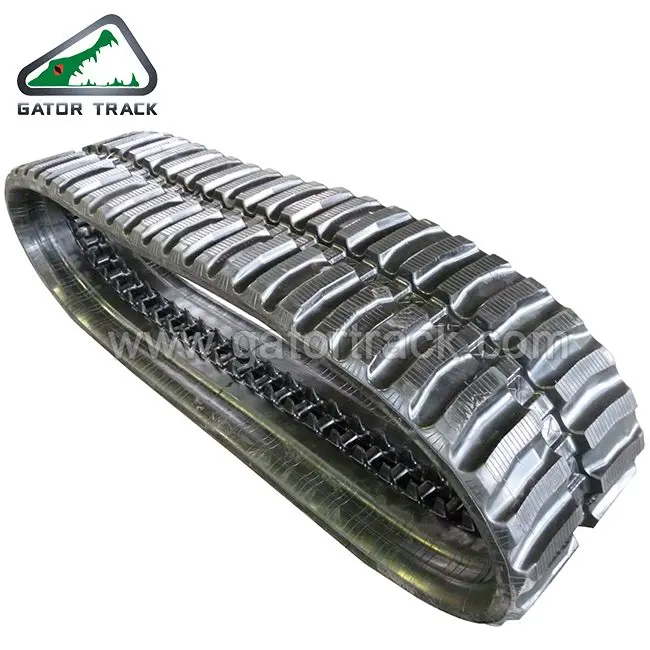
Reliable skid steer tracks make tough jobs easier. They boost productivity by up to 25% and help finish landscaping projects 20% faster in urban areas. Lateral tread patterns also reduce soil compaction by 15%, protecting the ground. Choosing high-quality tracks ensures smoother performance and keeps operations running efficiently.
Key Takeaways
- Strong skid steer tracks can make work 25% faster and finish landscaping 20% quicker.
- Buying good tracks lowers repair costs and lasts longer, saving money over time.
- Cleaning often and adjusting tension helps tracks last a long time.
Enhanced Durability and Longevity
Built to withstand heavy use
Reliable skid steer rubber tracks are designed to handle the toughest jobs without breaking a sweat. They’re built with high-quality materials that ensure they can endure constant operation in rugged conditions. For example, premium tracks often feature reinforced steel cords and durable rubber compounds, which prevent stretching and maintain their shape under heavy loads.
To better understand their durability, let’s compare the lifespan of standard tracks versus premium tracks:
| Track Type | Lifespan (Hours) | Replacement Frequency (for 1,000 hours/year) |
|---|---|---|
| Standard Tracks | 500-800 | Every 6-9 months |
| Premium Tracks | 1,000-1,500+ | Every 12-18 months or longer |
This table shows how premium tracks last nearly twice as long, reducing the need for frequent replacements. That means less downtime and more time getting the job done.
Resistance to wear and tear in demanding environments
Skid steer tracks face harsh conditions daily, from rocky terrains to muddy construction sites. To perform reliably, they need to resist wear and tear effectively. Tracks made with abrasion-resistant rubber compounds excel in these environments. They maintain their shape and functionality, even when exposed to rough surfaces like gravel or pavement.
Manufacturers also test these tracks rigorously to ensure their durability. For instance:
| Evidence | Description |
|---|---|
| Abrasion Resistance | Tracks resist cracks and surface damage, even in harsh conditions. |
| Consistent Traction | Wear resistance ensures safe operation, preventing slippage. |
| Material Composition | High-quality rubber with carbon black reinforcement enhances durability. |
| Standardized Tests | Tests like the DIN abrasion test confirm superior wear resistance. |
| Design Features | Thicker treads and reinforced edges reduce stress and friction impact. |
These features ensure that skid steer tracks can handle demanding tasks without compromising performance or safety.
Materials and design that extend track lifespan
The secret to long-lasting skid steer tracks lies in their materials and design. Tracks with reinforced sidewalls and steel cores offer better stability and durability. High-quality rubber compounds, especially those with heat and abrasion resistance, prevent premature wear.
Here are some key factors that contribute to extended track lifespan:
- The internal structure of the tracks plays a crucial role in durability, especially for heavy-duty tasks.
- Variations in raw materials, like premium rubber blends, directly impact performance and longevity.
- Proper maintenance, such as regular cleaning and tension adjustments, helps extend the life of the tracks.
By combining innovative design with top-notch materials, manufacturers create tracks that can withstand the test of time. Investing in these reliable tracks ensures your equipment stays productive for years to come.
Improved Performance and Traction
Optimized grip on various terrains
Skid steer loader rubber tracks are designed to tackle a variety of terrains with ease. Whether it’s loose gravel, muddy fields, or steep inclines, these tracks provide the grip needed to keep operations running smoothly. Their advanced tread patterns ensure consistent contact with the ground, reducing the risk of slippage. This means operators can confidently navigate challenging surfaces without worrying about losing control.
Performance tests highlight how modern tracks excel in providing optimized grip:
| Performance Aspect | Description |
|---|---|
| Enhanced Lateral Stability | Superior stability during tight turns, reducing lateral slippage and improving control. |
| Reduced Slippage on Inclines | Enhanced grip on slopes and uneven terrain, preventing sliding and increasing safety. |
| Improved Load Distribution | Better weight distribution across the tire, leading to consistent ground pressure and stability. |
These features make skid steer tracks a reliable choice for heavy tasks, especially in unpredictable environments.
Enhanced maneuverability in challenging conditions
Navigating tight spaces or uneven ground can be tricky, but skid steer tracks make it easier. Their flexible design allows for smooth turns and precise movements, even in confined areas. This enhanced maneuverability is especially useful on construction sites or in urban settings where space is limited.
Tracks with superior traction also help operators maintain control on slippery or unstable surfaces. For instance, when working on wet soil or icy ground, the tracks distribute weight evenly, preventing the machine from sinking or sliding. This not only improves performance but also boosts safety during operation.
Increased efficiency in completing heavy tasks
Efficiency is key when tackling heavy tasks, and skid steer tracks deliver on this front. Their ability to maintain traction and stability reduces the time spent correcting errors or dealing with stuck equipment. Operators can focus on completing tasks faster and with greater precision.
For example, tracks with optimized grip allow machines to carry heavier loads without compromising balance. This means fewer trips are needed to transport materials, saving both time and fuel. Additionally, the reduced wear and tear on the tracks themselves means less downtime for maintenance, keeping projects on schedule.
By investing in high-quality skid steer tracks, operators can achieve better results in less time, making them an invaluable asset for demanding jobs.
Cost-Efficiency of Skid Steer Tracks
Reduced maintenance expenses
High-quality skid steer tracks help operators save money by cutting down on maintenance costs. Their durable construction minimizes wear and tear, reducing the need for frequent repairs. Tracks made with premium materials, like abrasion-resistant rubber, are less likely to crack or degrade, even in tough conditions. This means fewer trips to the repair shop and more time spent on the job.
Regular maintenance, such as cleaning and tension adjustments, becomes simpler with reliable tracks. Operators can avoid costly breakdowns by following basic upkeep routines. Over time, these small savings add up, making premium tracks a smart financial choice.
Lower replacement frequency
Investing in durable skid steer tracks means fewer replacements. Standard tracks may wear out quickly, especially when used in demanding environments. In contrast, premium tracks last longer due to their superior design and materials. This extended lifespan reduces the frequency of replacements, saving both time and money.
For example, a contractor using high-quality tracks might only need to replace them every 12-18 months, compared to every 6-9 months with standard tracks. Fewer replacements mean less downtime and more productivity, which directly impacts the bottom line.
Long-term savings from investing in reliable tracks
Reliable skid steer tracks offer significant long-term savings. While the upfront cost may be higher, the reduced maintenance and replacement expenses make them a cost-effective option. Operators can also avoid unexpected downtime, which often leads to lost revenue.
Think of it as an investment in efficiency. By choosing dependable tracks, businesses can focus on completing projects faster and with fewer interruptions. Over time, the savings far outweigh the initial expense, making premium tracks a valuable asset for any operation.
Safety and Stability
Improved machine balance during operation
Reliable skid steer tracks play a vital role in keeping machines stable during operation. Their wide footprint evenly distributes weight, preventing the equipment from tipping or wobbling. This balance is especially important when carrying heavy loads or navigating uneven surfaces. Operators can focus on their tasks without worrying about sudden shifts that could disrupt the workflow.
The attachment design of modern tracks also enhances stability. For example, pivoting features allow machines to reach tricky areas while maintaining a firm grip on the ground. This innovation ensures that operators can safely perform tasks that might otherwise pose risks with traditional equipment.
Reduced risk of accidents in uneven terrains
Uneven terrains are notorious for causing accidents, but skid steer tracks significantly reduce this risk. Their advanced tread patterns provide superior traction, keeping machines steady even on slopes or rocky ground. Operators can confidently maneuver through challenging environments without fear of losing control.
Safety statistics highlight the importance of reliable tracks. In 2020, over 174,100 injuries and 124 fatalities occurred on construction sites in the United States. Many of these incidents were linked to unstable equipment. Features like offset compaction rollers allow operators to work on flat ground while safely compacting slopes, minimizing the chance of accidents. These innovations make skid steer tracks a game-changer for job site safety.
Enhanced operator confidence and productivity
Safety and stability directly impact operator confidence. When machines perform reliably, operators feel more secure and can focus on their tasks. High-performance rubber tracks reduce vibration and improve comfort, which helps operators stay alert during long shifts. This comfort leads to better precision and fewer mistakes, boosting overall productivity.
Tracks also protect sensitive surfaces by lowering ground pressure by up to 75% compared to wheeled machines. This feature allows operators to work efficiently on various terrains without damaging the ground. With reliable skid steer tracks, operators can tackle heavy tasks with confidence, knowing their equipment is built for safety and stability.
Maintenance Tips for Skid Steer Tracks
Regular cleaning and inspection
Keeping skid steer tracks clean and inspected is key to extending their lifespan. Dirt, mud, and debris can build up quickly, causing unnecessary wear and misalignment. Operators should clean tracks at the end of each workday while the material is still soft. A pressure washer works well for stubborn buildup, especially in tight spaces between the track and undercarriage.
Tip: Avoid using harsh chemicals or petroleum-based cleaners, as they can damage the rubber compounds. For machines exposed to corrosive environments like salt water or fertilizer, rinsing tracks with fresh water daily prevents chemical damage.
Regular inspections also help catch issues early. Daily visual checks before starting a shift can identify cracks, loose components, or packed debris. Weekly inspections, performed every 250 to 500 hours, should include more detailed checks to ensure everything is in working order. Annual maintenance, like adjusting engine valves and replacing hydraulic fluid, keeps the machine running smoothly for years.
Proper tension adjustment
Track tension plays a big role in performance and durability. Tracks that are too loose can slip off, while overly tight tracks cause excessive wear. Adjusting tension to the manufacturer’s specifications ensures optimal operation.
| Performance Improvement Metric | Description |
|---|---|
| Extended Track Life | Proper tension reduces wear, prolonging the lifespan of the tracks. |
| Reduced Wear | Correct tension minimizes friction and stress on components, leading to less wear. |
| Enhanced Machine Performance | Optimal tension improves overall machine efficiency and effectiveness. |
Operators should check tension regularly and adjust it as needed. A quick test involves pressing down on the track; it should have slight slack but not sag excessively.
Avoiding excessive strain and misuse
Using skid steer loader tracks within their limits prevents unnecessary damage. Overloading the machine or operating it on unsuitable terrain can strain the tracks and undercarriage. Operators should avoid sharp turns at high speeds, as this can cause uneven wear.
Note: Proper training ensures operators use the equipment correctly, reducing the risk of misuse. By following these maintenance tips, skid steer tracks stay reliable and efficient, saving time and money in the long run.
Reliable skid steer tracks, like the B450X86SB, transform heavy tasks into manageable projects. Their durability, performance, and safety features ensure long-term reliability. For example, models like John Deere and Ditch Witch highlight how advanced designs reduce downtime and improve efficiency. Choosing high-quality tracks keeps operations smooth and productive, making them a smart investment for any operator.
FAQ
What makes the B450X86SB tracks stand out?
The B450X86SB tracks offer exceptional durability, superior traction, and fast shipping. Their reinforced design ensures reliable performance in tough environments.
How often should skid steer tracks be inspected?
Daily visual checks are ideal. Weekly inspections every 250-500 hours catch deeper issues. Regular cleaning prevents buildup and extends track life.
Can these tracks handle steep terrains?
Yes! Their advanced tread patterns provide excellent grip on slopes, ensuring stability and safety during operation. Operators can confidently navigate challenging terrains.
Post time: Jun-03-2025