
Agricultural machinery has undergone significant transformations over the years, with advancements in technology leading to improved efficiency and productivity. One of the most notable innovations in this sector is the development of agricultural rubber tracks. These tracks have become essential for agricultural tractors and other machinery, providing numerous benefits that enhance performance in various farming conditions. In this blog, we will explore the characteristics of agricultural rubber tracks and the emerging trends shaping their future.
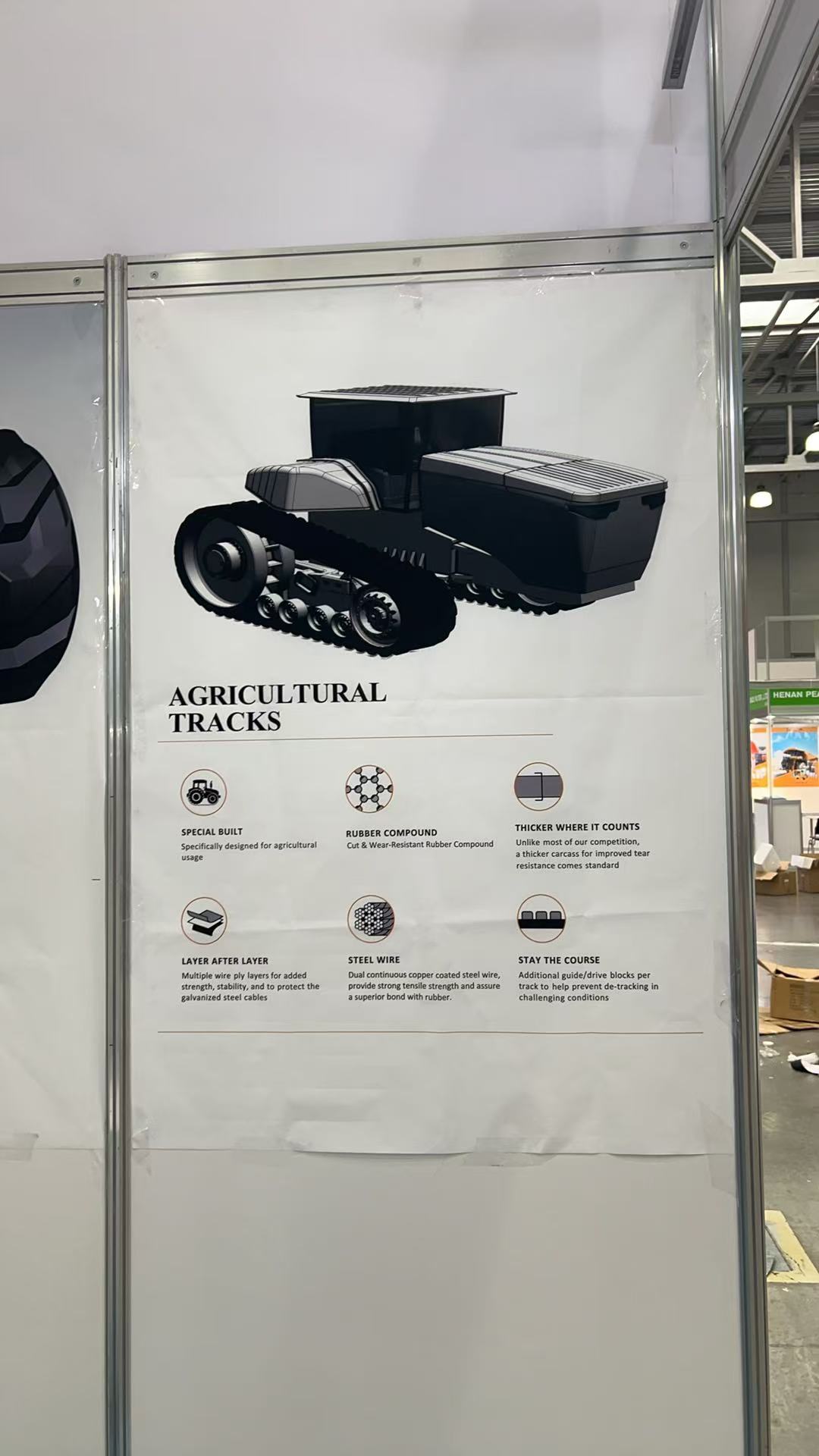
Characteristics of Agricultural Rubber Tracks
Enhanced Traction and Stability
One of the primary characteristics of agricultural rubber tracks is their ability to provide superior traction and stability on uneven and soft terrains. Unlike traditional wheels, rubber tracks distribute the weight of the machinery over a larger surface area, reducing soil compaction and minimizing damage to crops. This feature is particularly beneficial in wet or muddy conditions, where wheeled tractors may struggle to maintain grip.
Durability and Longevity
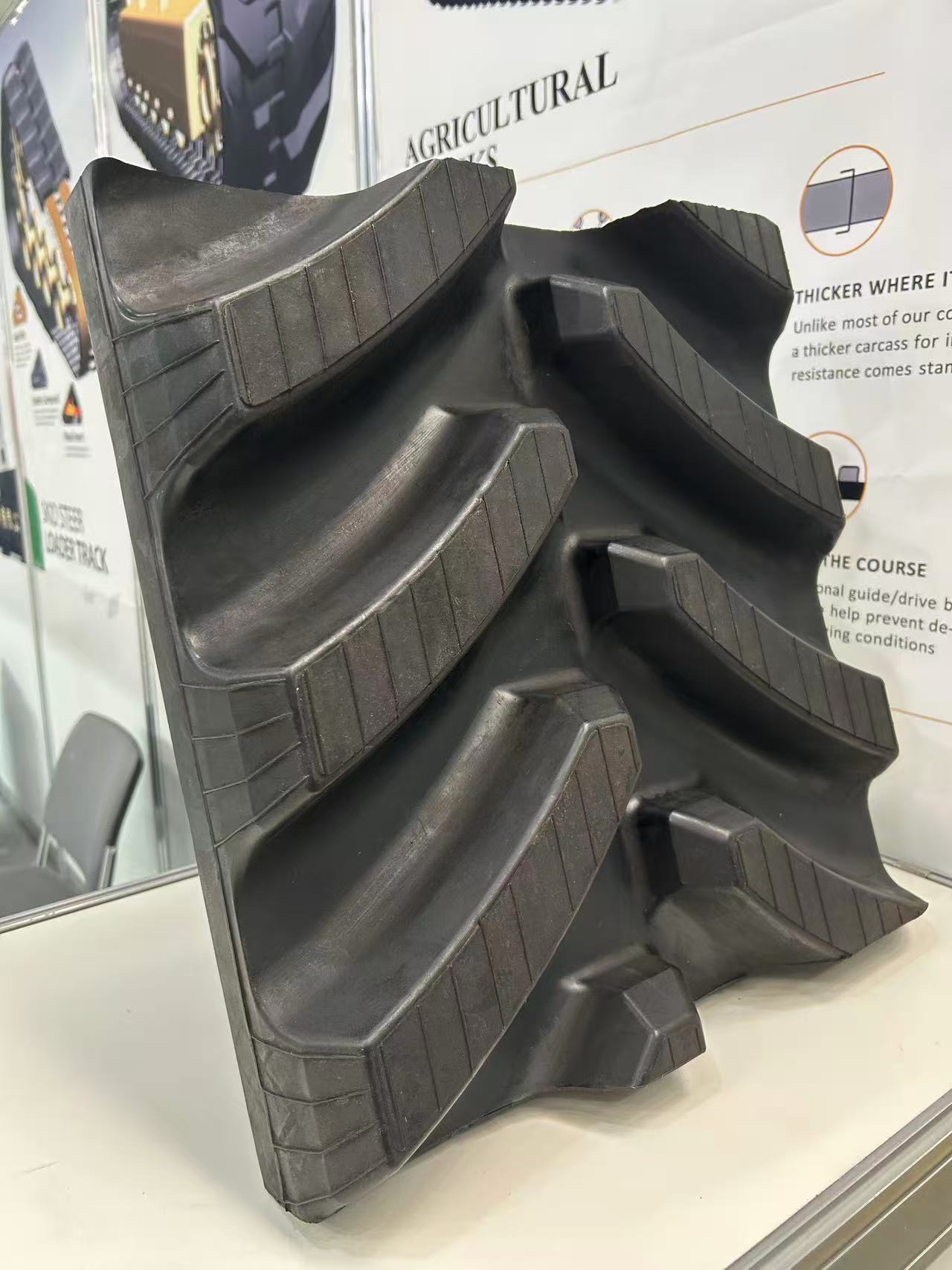
Agricultural rubber tracks are designed to withstand the rigors of farming operations. Made from high-quality rubber compounds, these tracks are resistant to wear and tear, ensuring a longer lifespan compared to conventional tires. The robust construction of rubber tracks also allows them to endure harsh environmental conditions, including extreme temperatures and abrasive surfaces, making them a reliable choice for farmers.
Reduced Soil Compaction
Soil compaction is a significant concern in agriculture, as it can hinder root growth and reduce crop yields. Agricultural rubber tracks help mitigate this issue by spreading the weight of the machinery over a larger area, thereby minimizing the pressure exerted on the soil. This characteristic not only promotes healthier soil conditions but also enhances overall farm productivity.
Development Trends in Agricultural Rubber Tracks
Technological Advancements
The agricultural sector is continuously evolving, and so are the technologies used in rubber track manufacturing. Recent advancements include the integration of smart technologies, such as sensors that monitor track wear and performance in real-time. These innovations allow farmers to make informed decisions regarding maintenance and replacement, ultimately leading to cost savings and improved efficiency.
Customization and Versatility
As the needs of farmers vary widely, the demand for customized agricultural rubber tracks is on the rise. Manufacturers are increasingly offering tailored solutions that cater to specific machinery types and farming practices. This trend towards customization ensures that farmers can select the most suitable rubber tracks for their equipment, enhancing performance and productivity.
Sustainability and Eco-Friendliness
With growing concerns about environmental sustainability, the agricultural industry is shifting towards more eco-friendly practices. Rubber track manufacturers are responding to this trend by developing tracks made from sustainable materials and implementing environmentally responsible production processes. This focus on sustainability not only benefits the environment but also appeals to consumers who prioritize eco-friendly products.
Increased Adoption of Rubber Tracks
As awareness of the benefits of agricultural rubber tracks continues to grow, more farmers are making the switch from traditional wheeled tractors to rubber-tracked machinery. This trend is expected to accelerate in the coming years, driven by the need for improved efficiency and productivity in an increasingly competitive agricultural landscape.
Conclusion
Agricultural tracks have revolutionized the way farmers operate their machinery, offering enhanced traction, durability, and reduced soil compaction. As technology continues to advance, the future of agricultural rubber tracks looks promising, with trends such as customization, sustainability, and increased adoption paving the way for a more efficient and eco-friendly agricultural sector. Embracing these innovations will not only benefit farmers but also contribute to the overall health of our planet.
Post time: Sep-08-2025