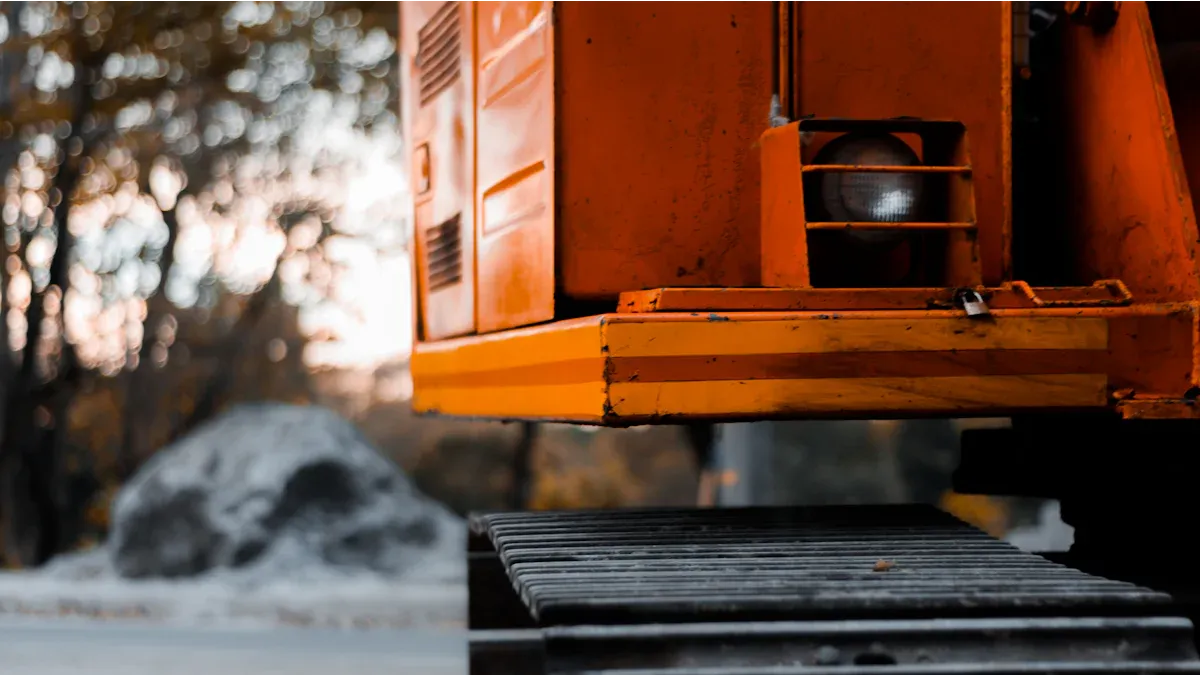
Excavator tracks, specifically rubber tracks, play a crucial role in enhancing the mobility of excavators across various terrains. They grip the ground better than metal tracks, which boosts stability and reduces soil damage. Their elastic design lowers ground pressure, making them ideal for sensitive surfaces. These rubber tracks also improve ride comfort and fuel efficiency, benefiting operators and saving costs.
Key Takeaways
- Rubber tracks help excavators move easily on soft or bumpy ground. They lower the chance of getting stuck.
- These tracks are gentle on surfaces like roads and sidewalks. This makes them great for city building jobs and saves money on repairs.
- Taking care of rubber tracks, like cleaning them often and checking tightness, makes them last longer and work better.
Understanding Excavator Tracks and Their Importance
What Are Rubber Excavator Tracks?
Rubber excavator tracks are specialized components designed to replace traditional steel tracks on excavators. These tracks are made from high-quality rubber, often reinforced with steel cores, to provide a balance of flexibility and strength. Their elasticity allows them to adapt to uneven surfaces, while their wear-resistant properties ensure durability during heavy-duty operations. Unlike steel tracks, rubber tracks minimize damage to surfaces like asphalt or concrete, making them ideal for urban construction projects.
Modern rubber tracks also feature advanced designs, such as joint-free structures and optimized tread patterns. These innovations enhance their performance, offering better traction and stability on challenging terrains. Additionally, rubber tracks are easier to install and maintain, making them a practical choice for operators seeking efficiency and convenience.
Key Differences Between Rubber and Steel Tracks
Rubber and steel tracks serve different purposes, and their performance varies based on the application. Here’s a quick comparison:
| Criteria | Steel Tracks | Rubber Tracks |
|---|---|---|
| Durability | Superior in harsh conditions | Durable but less suited for rugged terrains |
| Maintenance Needs | Requires frequent upkeep | Minimal maintenance required |
| Traction | Excellent on loose terrains | Superior on soft surfaces like mud |
| Noise Levels | High noise and vibration | Quiet and smooth operation |
| Cost-Effectiveness | Higher upfront cost, longer lifespan | Lower initial cost, more frequent replacements |
Rubber tracks excel in reducing noise and vibration, making them more comfortable for operators. They also cause less ground damage, which is crucial for sensitive environments.
Why Rubber Tracks Are Ideal for Excavators
Rubber tracks offer several advantages that make them a preferred choice for excavators. Their ability to reduce ground pressure enhances flotation, allowing machines to operate effectively on soft terrains like mud or dirt. This feature prevents the excavator from sinking or getting stuck, which is common with steel tracks.
Additionally, rubber tracks protect hard surfaces, such as concrete or pavement, from scratches and cracks. This makes them indispensable for urban construction and landscaping projects. Their noise-reduction capabilities also improve operator comfort and reduce disturbances in residential areas.
Rubber tracks are designed with advanced materials and tread patterns to provide superior traction on steep or slippery surfaces. This ensures safety and efficiency, even in challenging conditions. By minimizing vibrations, they also reduce wear on undercarriage components, extending the machine’s lifespan and lowering maintenance costs.
Advantages of Rubber Tracks for Excavator Mobility
Superior Traction and Stability on Challenging Terrains
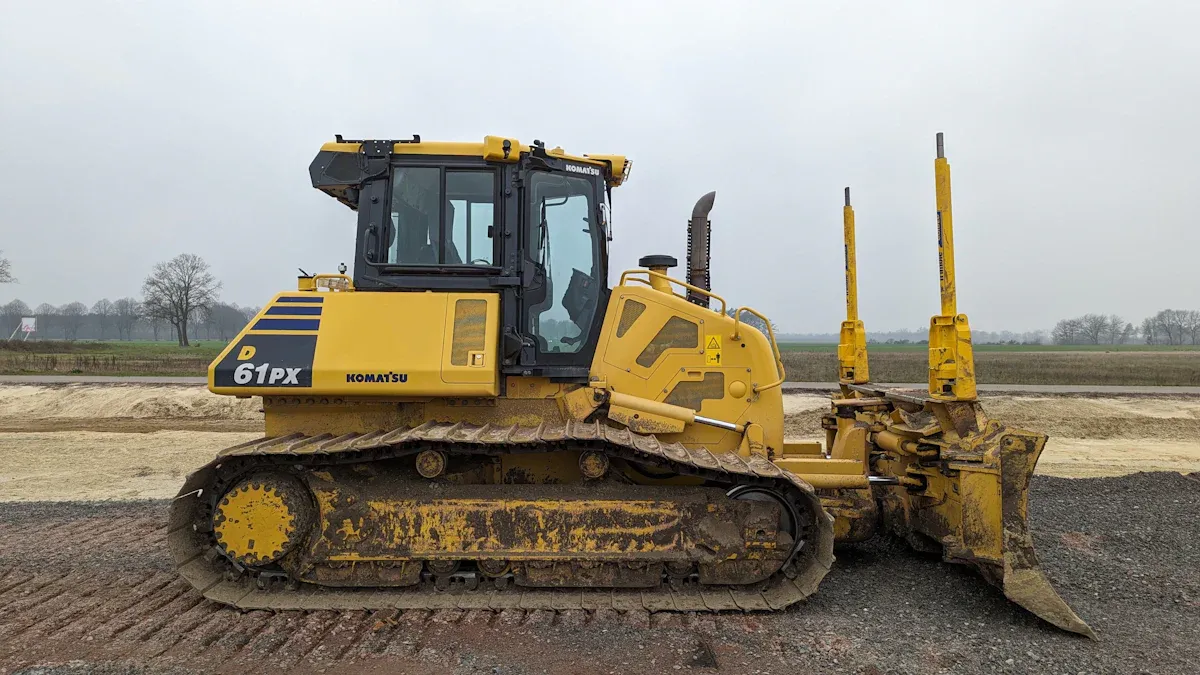
Rubber tracks excel in providing exceptional traction and stability, even on the most difficult terrains. Their specialized tread patterns grip surfaces like slick mud, loose gravel, and uneven ground with ease. This design reduces slippage, ensuring that the excavator operates efficiently without wasting engine power.
These tracks also distribute the machine’s weight over a larger surface area, which minimizes the risk of sinking into soft ground. Operators can confidently navigate through muddy construction sites or steep inclines without compromising safety or performance.
- Key benefits include:
- Aggressive, self-cleaning treads that maintain grip in wet or dirty conditions.
- Reduced ground pressure, which enhances stability and prevents soil compaction.
Rubber tracks make excavators more versatile, allowing them to perform reliably in environments where wheeled machines or steel tracks might struggle.
Reduced Ground Pressure and Surface Protection
One of the standout features of rubber tracks is their ability to lower ground pressure significantly. By spreading the machine’s weight evenly, they reduce the impact on the ground, making them ideal for sensitive surfaces like lawns, asphalt, or farmland.
| Aspect | Rubber Tracks | Conventional Tracks |
|---|---|---|
| Ground Pressure | Lower ground pressure observed | Higher ground pressure observed |
| Surface Protection | Improved surface protection | Less effective surface protection |
| Traction | Enhanced grip and traction | Standard grip and traction |
| Mobility | Elevated mobility | Limited mobility |
This reduced ground pressure not only protects the surface but also prevents costly repairs to roads or landscapes. For example, urban construction projects benefit greatly from rubber tracks, as they avoid damaging paved roads or sidewalks.
Enhanced Operator Comfort and Noise Reduction
Rubber tracks contribute to a quieter and more comfortable working environment for excavator operators. Unlike steel tracks, which generate significant noise and vibration, rubber tracks absorb much of the impact. This makes long hours of operation less tiring and more efficient.
- Benefits for operators include:
- Reduced noise levels, which are especially important in residential or urban areas.
- Vibration mitigation, leading to less strain on the operator’s body.
- A safer and more pleasant workspace overall.
By improving operator comfort, rubber tracks indirectly enhance productivity. Operators can focus better on their tasks without being distracted by excessive noise or discomfort.
Extended Service Life and Cost Efficiency
Rubber tracks are designed for durability and cost-effectiveness. Their elasticity and wear-resistant materials ensure they last longer, even under heavy use. Additionally, they protect the excavator’s undercarriage by reducing vibrations and minimizing wear on metal components.
| Advantage | Description |
|---|---|
| Lower Soil Compaction | Rubber-tracked vehicles exert lower unit pressure on the ground, resulting in less soil compaction. |
| Better Traction | They develop traction force with less slip compared to wheeled vehicles. |
| Low-Capacity Ground Operation | Capable of operating on low-capacity grounds, enhancing mobility in various conditions. |
| Increased Agricultural Efficiency | Low compaction and shearing deformation contribute to better crop yields and timely farming operations. |
| Higher Top Speed | Rubber tracks provide a higher top speed than metal tracks, improving productivity. |
| Reduced Road Damage | Unlike metal tracks, rubber tracks do not damage paved roads, making them more versatile. |
Rubber tracks also offer cost savings by reducing maintenance needs. Their ability to protect surfaces and extend the lifespan of metal components means fewer repairs and replacements over time. For operators looking to balance performance with affordability, rubber tracks are a smart investment.
Types of Rubber Tracks and Their Applications
Rubber tracks come in various types, each tailored to meet specific operational needs. Whether for general use, sensitive environments, or challenging terrains, these tracks ensure excavators perform efficiently and reliably.
Standard Rubber Tracks for General Excavator Use
Standard rubber tracks are the go-to choice for most excavators. They are versatile, cost-effective, and designed to handle a wide range of construction tasks. These tracks are particularly popular among small and medium-sized construction firms due to their proven reliability and affordability.
- Key features of standard rubber tracks include:
- Durable construction: Made from high-quality rubber and reinforced with steel cores for added strength.
- Universal compatibility: Suitable for various excavator models, making them a practical choice for general contractors.
- Balanced performance: Offers a mix of traction, stability, and surface protection for everyday operations.
These tracks are ideal for projects like roadwork, landscaping, and light excavation. Their ability to minimize ground damage while maintaining excellent traction makes them a staple in the construction industry.
Non-Marking Rubber Tracks for Sensitive Surfaces
Non-marking rubber tracks are specifically designed for environments where surface protection is critical. These tracks leave no marks or scratches, making them perfect for indoor projects or areas with delicate flooring.
Tip: Non-marking tracks are a must-have for urban construction sites, warehouses, and residential landscaping projects.
- Benefits of non-marking rubber tracks:
- Surface-friendly design: Prevents damage to polished floors, tiles, or asphalt.
- Quiet operation: Reduces noise levels, ensuring minimal disruption in residential or commercial areas.
- Enhanced aesthetics: Keeps surfaces clean and free from unsightly marks.
These tracks are often used in applications like indoor demolition, warehouse operations, and urban landscaping. Their ability to protect sensitive surfaces while maintaining performance makes them an invaluable tool for specialized tasks.
Terrain-Specific Rubber Tracks for Specialized Operations
Terrain-specific rubber tracks are engineered to tackle the most demanding environments. From muddy fields to rocky construction sites, these tracks are built to adapt and excel.
For instance, construction tracks feature cut-resistant materials to withstand sharp debris, while agricultural tracks prioritize flexibility and self-cleaning capabilities for muddy conditions. Deeper treads enhance traction on soft ground, ensuring machines can operate efficiently without getting stuck.
- Types of terrain-specific rubber tracks:
- Triangular rubber tracks: Known for their advanced capabilities, these tracks represent the future of the market. They offer superior stability and traction, making them ideal for steep or uneven terrains.
- Regular rubber tracks: A reliable choice for general use, especially in less extreme conditions.
The growing demand for versatile and cost-efficient machinery has driven the development of these specialized tracks. Their ability to reduce wear and adapt to challenging terrains ensures long-term productivity and equipment longevity.
Note: Terrain-specific tracks are essential for industries like agriculture, forestry, and heavy construction, where conditions can vary dramatically.
By choosing the right type of rubber track, operators can maximize their excavator’s performance while minimizing downtime and maintenance costs.
Real-World Applications of Rubber Excavator Tracks
Construction and Urban Development Projects
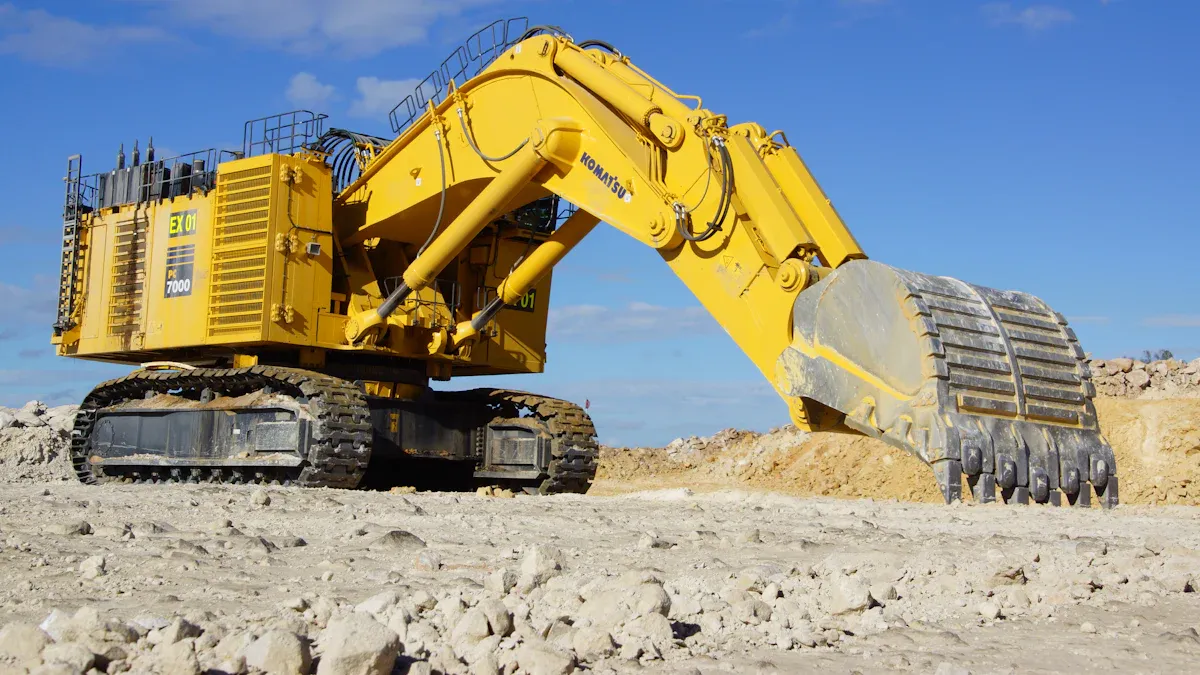
Rubber tracks have become a game-changer in construction and urban development. Their ability to protect sensitive surfaces like asphalt and concrete makes them ideal for projects in bustling cities. From roadwork to building foundations, these tracks ensure efficiency without causing unnecessary damage.
Take a look at some notable projects where rubber tracks played a pivotal role:
| Project Name | Location | Outcome Description |
|---|---|---|
| Bangkok Mass Transit System | Thailand | Used modular elevated tracks, avoiding $2.1 billion in land acquisition costs. |
| Stuttgart 21 rail project | Germany | Utilized prefabricated track slabs, cutting construction time by 40%. |
| Shinkansen network | Japan | Employed factory-produced track panels, ensuring 90% of maintenance occurs off-peak. |
| High-speed rail expansion | Spain | Saved €12 million per kilometer using prefabricated concrete slabs. |
| Boston’s Green Line Extension | USA | Achieved a 15% budget reduction by integrating modular tracks with pre-engineered systems. |
These examples highlight how rubber tracks contribute to cost savings, faster timelines, and reduced environmental impact.
Agricultural and Farming Operations
Farmers rely on rubber tracks to tackle tough terrains and protect their soil. These tracks distribute weight evenly, reducing soil compaction and preserving its health. Studies show that tracked tractors cause less soil damage than wheeled ones, especially when both weigh the same.
Rubber tracks also excel in providing traction on wet or uneven fields. Research by Shmulevich & Osetinsky found that rubber tracks resist slipping forces effectively, even in challenging weather. Additionally, predictive models now help farmers understand how rubber tracks improve tractive efficiency and reduce motion resistance. This makes them a dependable choice for modern farming.
Forestry and Environmental Applications
Forestry operations demand equipment that can handle rugged landscapes without harming the environment. Rubber tracks meet this need by offering excellent grip on muddy, rocky, or uneven terrain. Their low ground pressure minimizes damage to forest floors, preserving delicate ecosystems.
In environmental projects, such as wetland restoration or erosion control, rubber tracks shine. They allow excavators to operate in sensitive areas without disturbing the soil structure. This makes them an essential tool for industries focused on sustainability and conservation.
Tip: For forestry and environmental work, terrain-specific rubber tracks with deeper treads provide the best performance.
Maintenance Tips and Cost-Effectiveness of Rubber Tracks
Best Practices for Prolonging Rubber Track Lifespan
Proper care can significantly extend the life of rubber tracks, ensuring optimal performance and cost savings. Here are some proven tips:
- Use a three-point turn instead of sharp 180-degree swings to reduce side wear.
- Regularly clean tracks with a pressure washer to remove debris and check for damage.
- Maintain correct tension by inspecting it every 50 to 100 hours. Loose tracks can derail, while overly tight ones wear out faster.
- Replace worn undercarriage parts promptly to prevent further damage.
- Rotate tracks periodically to ensure even tread wear and replace them in pairs.
- Store machines in shaded, cool areas to protect tracks from sunlight and ozone cracking.
By following these steps, operators can maximize the lifespan of their excavator tracks while minimizing downtime and repair costs.
Comparing Costs: Rubber Tracks vs. Steel Tracks
Rubber tracks and steel tracks each have unique advantages. Steel tracks excel in heavy-duty applications, offering unmatched durability. However, rubber tracks stand out for their ability to protect surfaces and reduce noise.
While rubber tracks may have a higher upfront cost, they often prove more economical over time. Their longer lifespan, reduced maintenance needs, and lower downtime costs make them a smart investment. For operators working on sensitive surfaces or in urban areas, rubber tracks provide the best balance of performance and cost-effectiveness.
Balancing Maintenance Costs with Performance Benefits
Choosing premium rubber tracks can lead to significant long-term savings. A comparison of premium and standard tracks highlights this balance:
| Factor | Premium Tracks | Standard Tracks |
|---|---|---|
| Purchase Price | Higher upfront cost | Lower upfront cost |
| Expected Service Life | 1,000-1,500 hours | 500-800 hours |
| Maintenance Requirements | Lower maintenance needs | Higher maintenance needs |
| Downtime Costs | Reduced downtime | Higher downtime |
| Productivity Impact | Improved efficiency | Standard efficiency |
Premium tracks may cost more initially, but their extended service life and reduced maintenance needs offset the higher price. Operators benefit from improved efficiency and fewer interruptions, making premium tracks a worthwhile investment for long-term projects.
Rubber tracks play a vital role in improving excavator mobility and performance. They offer better traction, protect surfaces, and enhance stability across diverse terrains. Their lightweight design boosts fuel efficiency, while their durability reduces maintenance costs. Operators benefit from faster task completion, uninterrupted operations, and long-term cost savings.
Contact Us:
Post time: Jun-05-2025