Introduction
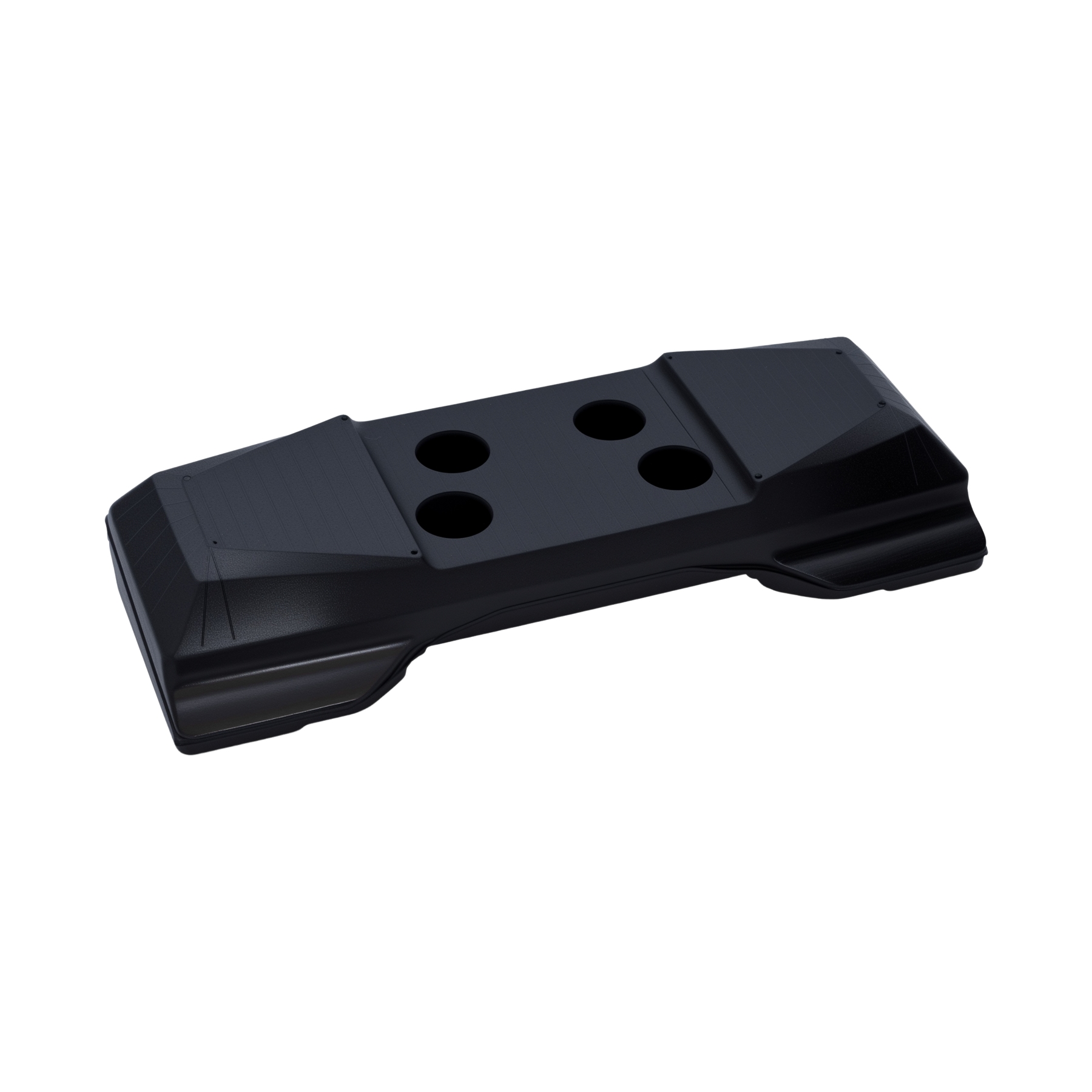
Heavy tracked machines are being asked to carry more weight, turn harder, and work on finished surfaces without damaging them, which puts ordinary pad systems under strain. New-generation chain-on rubber track pads address that challenge through a more secure connection to the steel track chain, improving load handling, alignment, and resistance to movement under torque. This article explains what makes these pads structurally different, how they help stabilize heavy equipment, and why they are increasingly chosen for excavators, pavers, and trenchers working in demanding or surface-sensitive conditions.
Why New-Generation Chain-On Pads Matter
The evolution of tracked heavy machinery has necessitated advanced undercarriage solutions, particularly for excavators, specialized pavers, and trenchers operating in sensitive environments. New-generation chain-on pads represent a significant structural upgrade over traditional clip-on or bolt-on variants by mounting directly to the steel track chain via precisely engineered bolt holes. This direct-to-chain integration completely eliminates the lateral shifting and hardware loosening often experienced under high-torque maneuvers. Consequently, these advanced pads can safely support machine operating weights exceeding 35 to 40 metric tons while maintaining rigid track alignment and preventing premature chain wear.
How Chain-On Pads Improve Stability and Surface Protection
Stability and surface protection remain the primary operational drivers for adopting chain-on pad configurations. By forming a continuous, secure rubber footprint, these pads distribute extreme loads highly efficiently, routinely lowering dynamic ground pressure to beneath 5.2 PSI depending on the specific track width and machine weight class. This uniform load distribution prevents the severe scarring, rutting, or fracturing of finished asphalt and concrete surfaces during high-friction zero-radius turns. Furthermore, the secure mounting method significantly dampens high-frequency chassis vibrations generated during transit. This reduction in kinetic energy transfer not only improves operator ergonomics but also extends the operational lifecycle of sensitive onboard hydraulics and electronic telemetry sensors.
What Operating Demands Drive Heavy-Duty Adoption
The shift toward heavy-duty adoption is heavily influenced by stringent urban construction mandates and evolving utility sector requirements. Municipalities increasingly enforce strict noise and vibration thresholds, pushing contractors away from bare steel tracks that generate unacceptable acoustic levels. Modern chain-on pads help equipment readily adhere to ISO 6395 external noise emission standards by absorbing track-to-ground impact energy. Additionally, machines operating in high-debris environments—such as demolition sites, scrap yards, or recycling facilities—demand pads that resist tearing and chunking when traversing jagged concrete and exposed rebar. Older clip-on models frequently fail under these conditions due to their exposed mounting hardware and weaker rubber profiles, making the robust profile of chain-on pads an operational necessity.
Engineering Advances in New-Generation Chain-On Pads
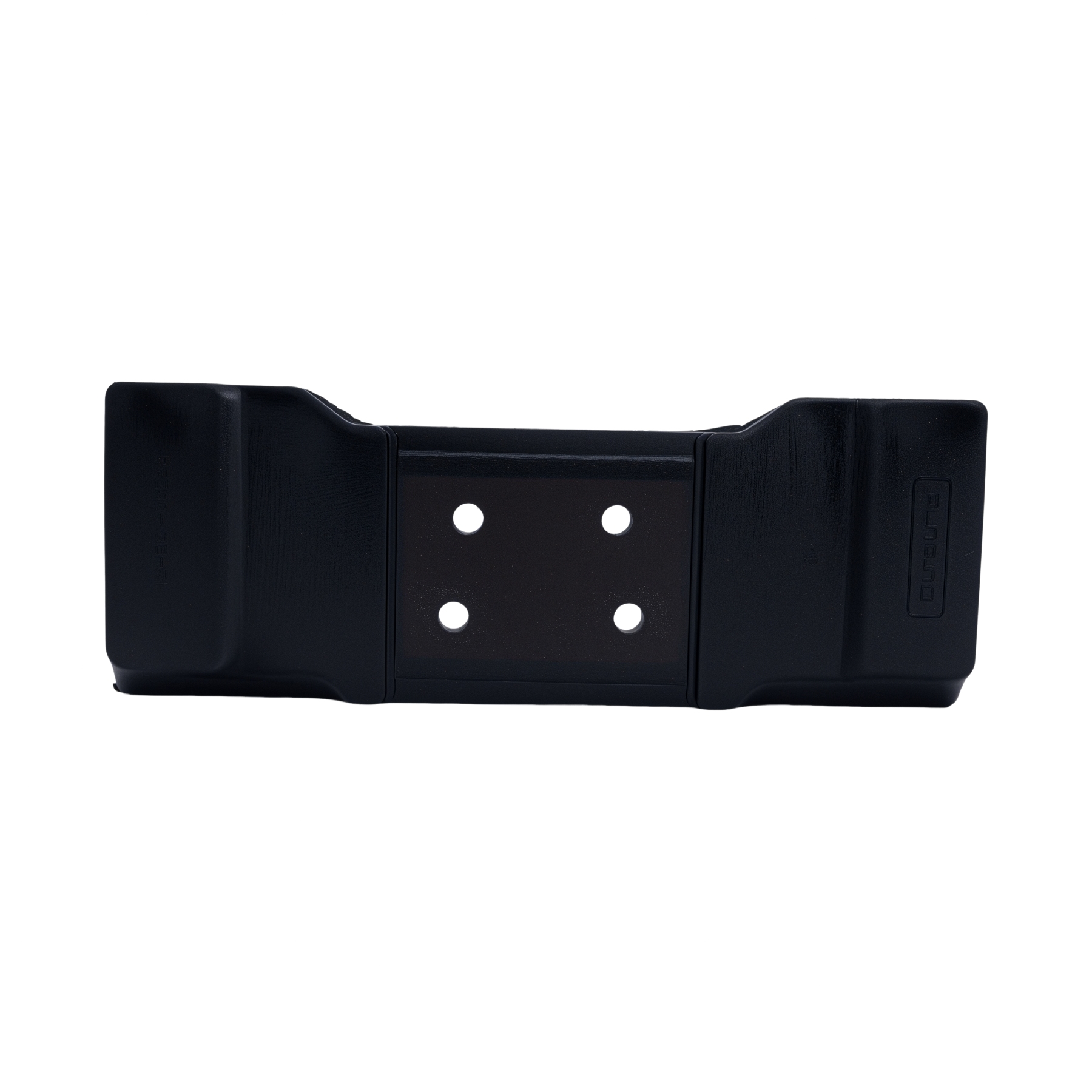
Manufacturers have comprehensively re-engineered both the internal architecture and the chemical composition of chain-on pads to withstand unprecedented shear forces and impact loads. The latest iterations abandon outdated single-stage bonding in favor of advanced multi-stage vulcanization processes, which yield highly superior adhesion between the internal steel core and the exterior rubber matrix. Current industry standards for heavy-duty applications demand a rubber-to-metal bonding strength strictly exceeding 15 MPa. This critical metric ensures the pad remains fully intact without delaminating, even under the extreme rotational torque generated by heavy equipment pivoting on uneven, abrasive terrain.
Which Design Variables Matter Most
Structural integrity relies heavily on the internal steel core design and the accompanying fastening mechanisms. Modern heavy-duty excavator pads utilize forged, high-carbon steel cores with a minimum thickness ranging from 10mm to 12mm. This internal backbone provides the necessary rigidity to prevent flex-induced rubber delamination under peak load stresses. Furthermore, edge chamfering on the steel core reduces stress concentrations during lateral impacts against curbs or debris. Securing these reinforced pads requires specialized high-tensile hardware; structural engineers typically specify Grade 12.9 bolts torqued to precise intervals. Depending on the pitch size, required torque values generally fall between 250 Nm and 350 Nm to completely prevent micro-movements that accelerate internal wear.
How to Compare Rubber Compound Options
Selecting the optimal rubber compound is critical for maximizing wear life and ensuring operational safety. Industrial buyers must carefully evaluate the chemical blend ratio, specifically balancing natural rubber (NR) for high elasticity and tear resistance with styrene-butadiene rubber (SBR) for maximum abrasion resistance. High-performance chain-on rubber track pads typically feature a Shore A hardness rating meticulously controlled between 75 and 82, striking the ideal operational balance between traction and chunking resistance.
| Specification | Standard Chain-On Pads | New-Generation Heavy-Duty Pads |
|---|---|---|
| Shore A Hardness | 65 – 70 | 75 – 82 |
| Tensile Strength | < 18 MPa | > 22 MPa |
| Max Load Capacity | Up to 20 Metric Tons | 35+ Metric Tons |
| Abrasion Volume Loss | 120 mm³ | < 80 mm³ |
These advanced formulations drastically reduce the abrasion volume loss, directly translating to more operating hours before replacement becomes necessary.
How Buyers Should Select Chain-On Pads
Strategic procurement of undercarriage components requires a fundamental transition from basic initial purchase price evaluations to comprehensive Total Cost of Ownership (TCO) models. While new-generation chain-on pads typically command a 15% to 25% price premium over legacy clip-on or standard bolt-on alternatives, their enhanced structural durability routinely extends the replacement cycle by 30% to 40%. For heavy equipment fleet managers, this substantial reduction in unscheduled machine downtime and associated maintenance labor costs rapidly offsets the higher initial capital expenditure.
How to Match Pads to Equipment and Applications
Proper specification begins with physically verifying the exact track pitch of the host machine, which typically ranges from 135mm for mid-size utility equipment up to 216mm for heavy excavators. Buyers must match the pad’s footprint, bolt spacing, and internal clearance to the specific OEM chain link design. This ensures the four-bolt hole patterns align perfectly without inducing mechanical stress on the track chain during installation. Furthermore, the primary application environment strictly dictates the required pad profile. Continuous, smooth rubber profiles are highly preferred for delicate asphalt paving operations to avoid leaving imprints, whereas staggered or heavily grooved tread patterns offer superior traction and self-cleaning properties on wet clay, mud, or sloped urban terrain.
What Procurement and Replacement Criteria to Use
Establishing rigorous replacement protocols prevents catastrophic track failures and costly secondary damage to the undercarriage rollers, idlers, and sprockets.
Key Takeaways
- The most important conclusions and rationale for Chain On Pads
- Specs, compliance, and risk checks worth validating before you commit
- Practical next steps and caveats readers can apply immediately
Frequently Asked Questions
What makes chain-on pads more stable than clip-on or bolt-on pads?
Chain-on pads mount directly to the steel track chain, reducing lateral movement and hardware loosening under torque. That makes them better for heavy excavators and demanding jobsite turns.
Are Gator Track chain-on pads suitable for machines over 35 tons?
Yes, heavy-duty chain-on pads are designed for high load classes, often supporting 35–40 metric ton machines when the pad size and fitment match the undercarriage.
How do chain-on pads help protect asphalt and concrete surfaces?
They create a continuous rubber contact area that spreads machine weight more evenly. This helps reduce scarring, rutting, and cracking during travel and zero-radius turns.
What specifications should I check before ordering chain-on pads from Gator Track?
Confirm machine model, track chain pitch, pad width, bolt-hole pattern, and operating environment. Matching these details helps ensure proper fit, load support, and service life.
Which jobs are best suited for heavy-duty chain-on pads?
They work well in urban construction, utility work, demolition, recycling, and paving support. These applications benefit from better stability, lower vibration, and improved surface protection.
Post time: Jun-03-2026