
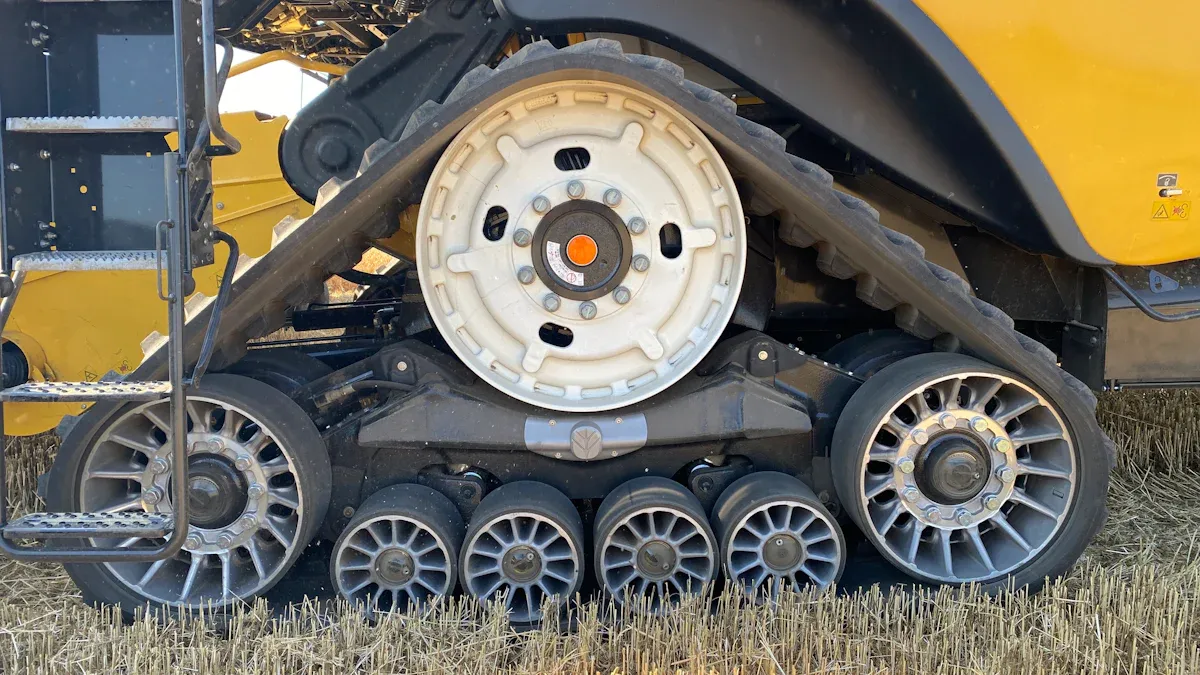
Durable Rubber Tracks offer strong performance in demanding environments. Operators who focus on material quality, daily care, and smart usage protect their investment. Quick action on these factors extends track life and reduces costs. Reliable tracks help machines move smoothly, even on tough terrain.
Key Takeaways
- Choose high-quality rubber compounds like EPDM or SBR for longer-lasting tracks. These materials resist wear and environmental damage.
- Regularly inspect and clean rubber tracks to prevent buildup of dirt and moisture. This simple maintenance step extends track life and performance.
- Follow recommended load limits to avoid overloading machines. Lighter loads reduce stress on tracks, leading to longer service life.
Durable Rubber Tracks: Material Quality and Construction
Rubber Compound
The foundation of Durable Rubber Tracks lies in the quality of the rubber compound. Manufacturers select specific compounds to meet the demands of different environments. The most common choices include:
- EPDM (ethylene propylene diene monomer): This compound stands out for its excellent weather resistance. It resists cracking and fading, even after long exposure to sunlight and harsh weather. EPDM also delivers impressive durability, making it a top choice for operators who need long-lasting performance.
- SBR (styrene-butadiene rubber): SBR offers strong abrasion resistance. It handles rough surfaces and heavy use without wearing down quickly. Many choose SBR for its cost-effectiveness and reliable performance in daily operations.
Operators who choose Durable Rubber Tracks with high-quality compounds gain a clear advantage. These tracks last longer and perform better, even in tough conditions. Investing in tracks made from advanced rubber compounds helps reduce downtime and replacement costs.
Tip: Always check the rubber compound when selecting new tracks. The right material can make a big difference in durability and performance.
Steel Cords
Steel cords form the backbone of Durable Rubber Tracks. These cords provide strength and flexibility, allowing the tracks to handle heavy loads and rough terrain. High-quality steel cords resist stretching and breaking, even under constant stress. This strong internal structure keeps the tracks in shape and prevents early failure.
Manufacturers use advanced technology to bond steel cords securely within the rubber. This process ensures that the cords stay in place and support the track throughout its life. Tracks with well-designed steel cords offer smoother rides, less vibration, and better traction. Operators notice the difference when working on challenging surfaces.
Choosing Durable Rubber Tracks with reinforced steel cords means fewer worries about breakdowns. These tracks keep machines running smoothly, even during long hours of operation.
Tread Design
Tread design plays a key role in the durability and performance of rubber tracks. The right tread pattern helps machines grip the ground, move efficiently, and resist wear. Different environments call for different tread types. The table below shows how tread design matches specific working conditions:
| Tread Type | Suitable Environments |
|---|---|
| Aggressive Treads | Muddy, snowy, or rough construction terrains |
| Smooth Treads | Paved or hard-packed surfaces for urban construction |
Aggressive treads dig into soft or uneven ground, giving machines better traction and stability. Smooth treads work best on hard, flat surfaces, reducing vibration and wear. Operators who select the right tread design for their environment get the most out of their Durable Rubber Tracks.
Durable Rubber Tracks with advanced tread patterns not only last longer but also improve safety and efficiency. Proper tread selection helps prevent slippage and reduces the risk of damage, keeping projects on track and on schedule.
Durable Rubber Tracks: Operating Conditions
Terrain Type
Terrain plays a major role in the lifespan of rubber tracks. Machines that work on rocky or uneven ground face more wear. Sharp stones and debris can cut into the rubber. Soft soil or sand causes less damage. Operators who choose the right track for their terrain see better results. They avoid early replacement and keep machines running longer.
Tip: Always inspect the ground before starting work. Remove sharp objects when possible. This simple step protects the tracks and saves money.
Weather Exposure
Weather affects how long rubber tracks last. Extreme heat can make rubber soft and weak. Cold weather can make it stiff and brittle. Rain, snow, and mud also speed up wear. Operators who store machines indoors or cover them after use help extend track life. Cleaning tracks after working in wet or salty conditions prevents damage from chemicals and moisture.
A table below shows how weather impacts track durability:
| Weather Condition | Impact on Tracks |
|---|---|
| Hot & Sunny | Faster aging |
| Cold & Icy | Cracking, stiffness |
| Wet & Muddy | Increased wear, rust |
Load Weight
Heavy loads put more stress on rubber tracks. Machines that carry too much weight wear out their tracks faster. Operators who follow the recommended load limits get more hours from each set of tracks. Lighter loads mean less pressure and longer service life. Choosing Durable Rubber Tracks with strong construction helps handle tough jobs without breaking down.
Durable Rubber Tracks: Maintenance Practices
Cleaning
Operators keep rubber tracks in top shape by cleaning them after every use. Dirt, mud, and debris can build up quickly. These materials trap moisture and chemicals, which can speed up wear. A simple wash with water removes most grime. For tough spots, a soft brush helps. Clean tracks last longer and work better. Machines with clean tracks move smoothly and avoid costly repairs.
Tip: Clean tracks right after working in salty, oily, or chemical-rich areas. This step protects the rubber from early aging.
Tension Adjustment
Proper tension keeps tracks running strong. Tracks that are too loose may slip or come off. Tracks that are too tight can stretch and crack. Operators check tension often and adjust as needed. Most machines have a simple way to check track sag. Following the manufacturer’s guide helps set the right tension. Well-adjusted tracks grip the ground better and last longer.
- Check track tension before each shift.
- Adjust tension if the track sags too much or feels too tight.
- Use the machine’s manual for the best results.
Regular Inspections
Regular inspections help operators spot problems early. By checking for sag, cracks, or missing pieces, they catch issues before they grow. Visual checks of sag levels during daily maintenance reveal slack that could lead to bigger failures. Early action saves money and keeps machines working. Operators who inspect tracks often get the most from their investment in Durable Rubber Tracks.
Durable Rubber Tracks: Usage Habits
Operator Technique
Operators play a big role in how long tracks last. Skilled operators use smooth and steady movements. They avoid sudden stops or jerky motions. Careful driving keeps the tracks in good shape. When operators pay attention to their actions, machines run better and tracks wear out slower. Training helps operators learn the best ways to handle equipment. Good habits protect the investment in quality tracks.
Speed and Turning
Speed and turning choices matter every day. Machines that move too fast put extra stress on the tracks. High speeds can cause the rubber to heat up and wear down quickly. Sharp turns also create strain. This can lead to early damage. Operators who slow down and make wide turns help their tracks last longer.
- Avoiding sharp turns reduces strain on rubber tracks.
- Lower speeds help prevent overheating and early wear.
These simple steps keep machines running and save money on repairs.
Overloading
Carrying too much weight shortens the life of tracks. Overloading puts pressure on the rubber and the steel cords inside. This can cause cracks or even break the track. Operators should always follow the machine’s load limits. Lighter loads mean less stress and longer service. Choosing Durable Rubber Tracks gives machines the strength to handle tough jobs, but smart loading habits make them last even longer.
Note: Protect your tracks by checking the load before every job. This habit keeps equipment safe and ready for work.
Signs of Wear and When to Replace Durable Rubber Tracks
Visible Cracks and Cuts
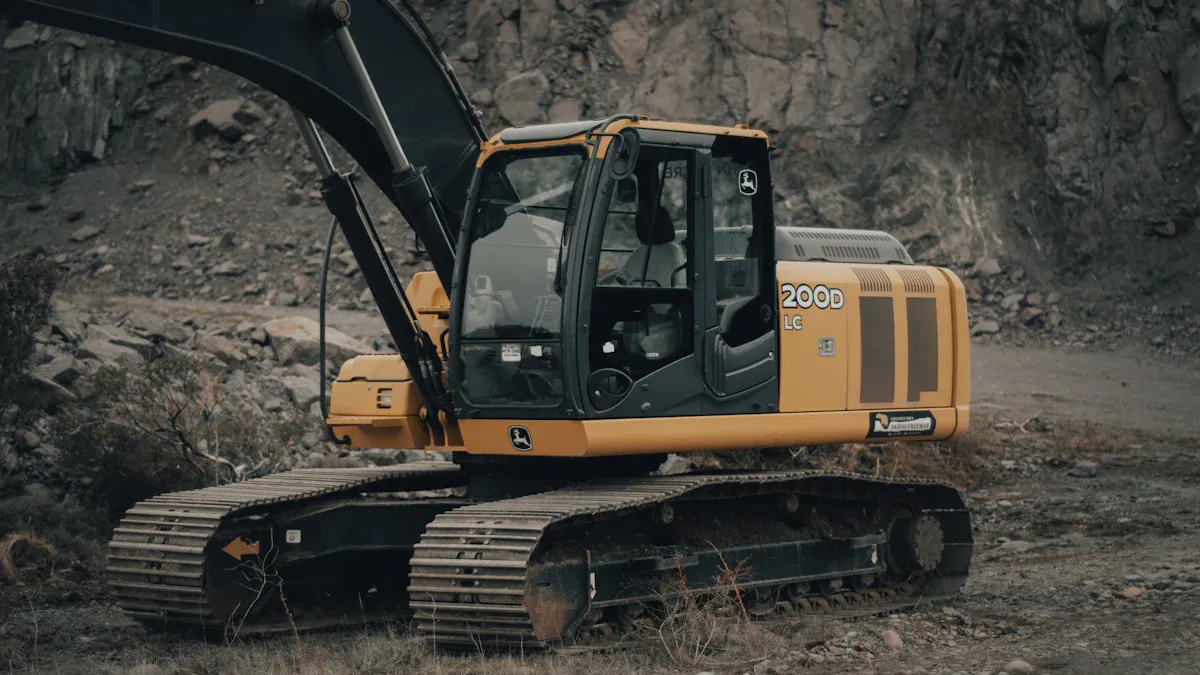
Operators should watch for cracks and cuts on the surface of the tracks. These marks often appear after working on rough terrain or sharp objects. Small cracks may not seem serious at first, but they can grow quickly. Deep cuts can reach the steel cords inside the track. When this happens, the track loses strength and may fail during use. Operators who spot these signs early can plan for replacement before a breakdown occurs.
Tread Wear
Tread patterns help machines grip the ground. Over time, the tread wears down from constant use. Worn treads look smooth and flat instead of sharp and defined. Machines with worn treads slip more often, especially on wet or loose surfaces. Operators should compare the tread to a new track to see the difference. Replacing tracks with worn treads keeps machines safe and efficient.
Loss of Traction
Loss of traction is a clear sign that tracks need attention. Machines may slide or struggle to move on slopes. This problem often happens when the tread wears out or the rubber hardens with age. Operators notice more slipping and less control. Replacing old tracks restores traction and improves safety on every job.
Operators can prevent unexpected failures by checking their tracks often. They should:
- Inspect rubber tracks regularly to spot wear.
- Check track tension and condition every day.
- Look for damage and keep grease points lubricated.
Choosing Durable Rubber Tracks and following these steps helps machines run longer and safer.
Material quality, operating conditions, maintenance, and usage habits shape the lifespan of Durable Rubber Tracks. Regular inspections and smart care extend track life. Technological advancements boost durability, traction, and efficiency. These innovations make rubber tracks popular in agriculture, landscaping, and infrastructure.
- Technological advancements increase durability.
- Improved traction and efficiency support more applications.
- Market growth reflects rising demand for compact loaders.
FAQ
How often should operators inspect rubber tracks?
Operators should inspect rubber tracks daily. Early detection of wear or damage prevents costly repairs. Regular checks help maximize track lifespan and machine performance.
Tip: Set a daily reminder for inspections.
What is the best way to clean rubber tracks?
Use water and a soft brush to remove dirt and debris. Clean tracks after each use, especially in chemical or salty environments. Clean tracks last longer and perform better.
Why choose durable rubber tracks for your equipment?
Durable rubber tracks reduce downtime and replacement costs. They deliver strong traction and comfort. Operators experience smoother rides and improved efficiency on every job.

Post time: Sep-02-2025