Why Contractors Choose Rubber Pads for Excavators
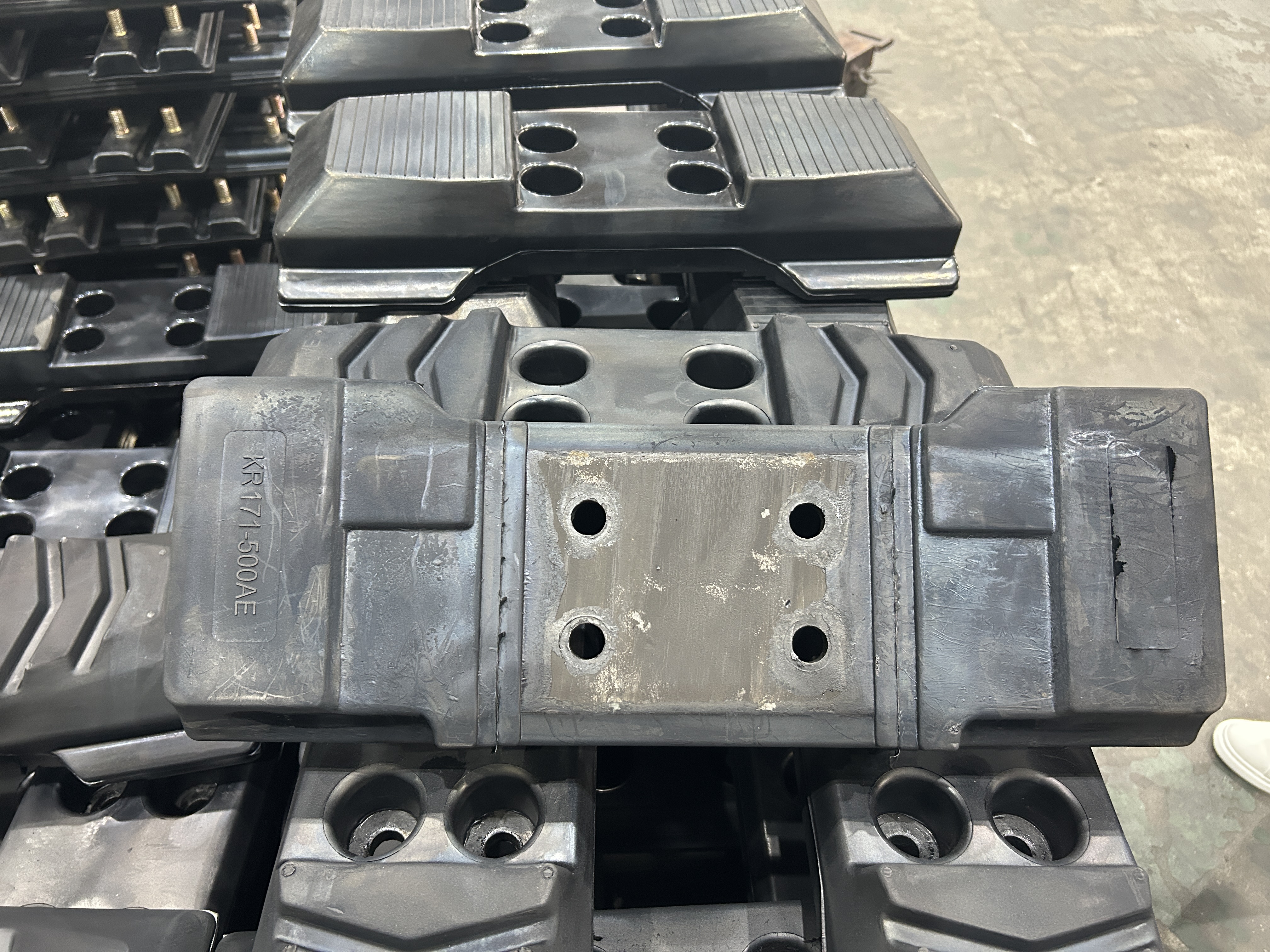
In our extensive experience managing heavy machinery fleets across complex urban infrastructure projects, we continually navigate stringent environmental and surface preservation mandates. The transition from bare steel tracks to specialized elastomeric solutions is no longer a mere operational upgrade; it is a strict prerequisite for contractors aiming to secure highly regulated municipal bids. By integrating Rubber Pads for Excavators, we implement a fundamental strategy to achieve cleaner, greener operations while maintaining the necessary traction and stability required for heavy lifting.
How Rubber Pads Reduce Surface Damage
Bare steel tracks are notorious for pulverizing asphalt, scoring cured concrete, and fracturing delicate paver stones, invariably leading to costly post-project remediation and strained municipal relations. By integrating a highly durable rubber interface, we observe a significant reduction in surface damage through optimized weight distribution. The elastomeric material effectively absorbs kinetic energy and spreads the machine’s operating weight over a larger footprint. For instance, outfitting a standard 15-ton excavator with high-grade rubber pads can reduce dynamic ground pressure from over 7.0 psi down to roughly 4.8 to 5.5 psi, depending on the specific track width. Furthermore, this transition cuts operational noise by 10 to 15 decibels, a critical compliance factor when we operate within dense residential zones or near hospitals with strict acoustic limitations.
Key Types: Bolt-On, Clip-On, and Roadliner Pads
Selecting the correct attachment mechanism dictates both our installation efficiency and long-term operational security. Bolt-on pads attach directly to pre-drilled steel grouser shoes using high-tensile hardware, offering the most secure, permanent fit for dedicated urban applications. Clip-on pads utilize a robust wraparound bracket system, allowing our field maintenance crews to rapidly convert existing steel tracks in under two hours without the labor-intensive process of removing the steel shoes. Finally, Roadliner (or city) pads replace the steel shoe entirely, bolting directly to the excavator’s track chain. We typically specify roadliners for our dedicated urban machines, as they shed up to 15% of the total track weight compared to bolt-on configurations, which directly translates to reduced fuel consumption and lower carbon emissions.
How Rubber Pads Compare With Steel Tracks
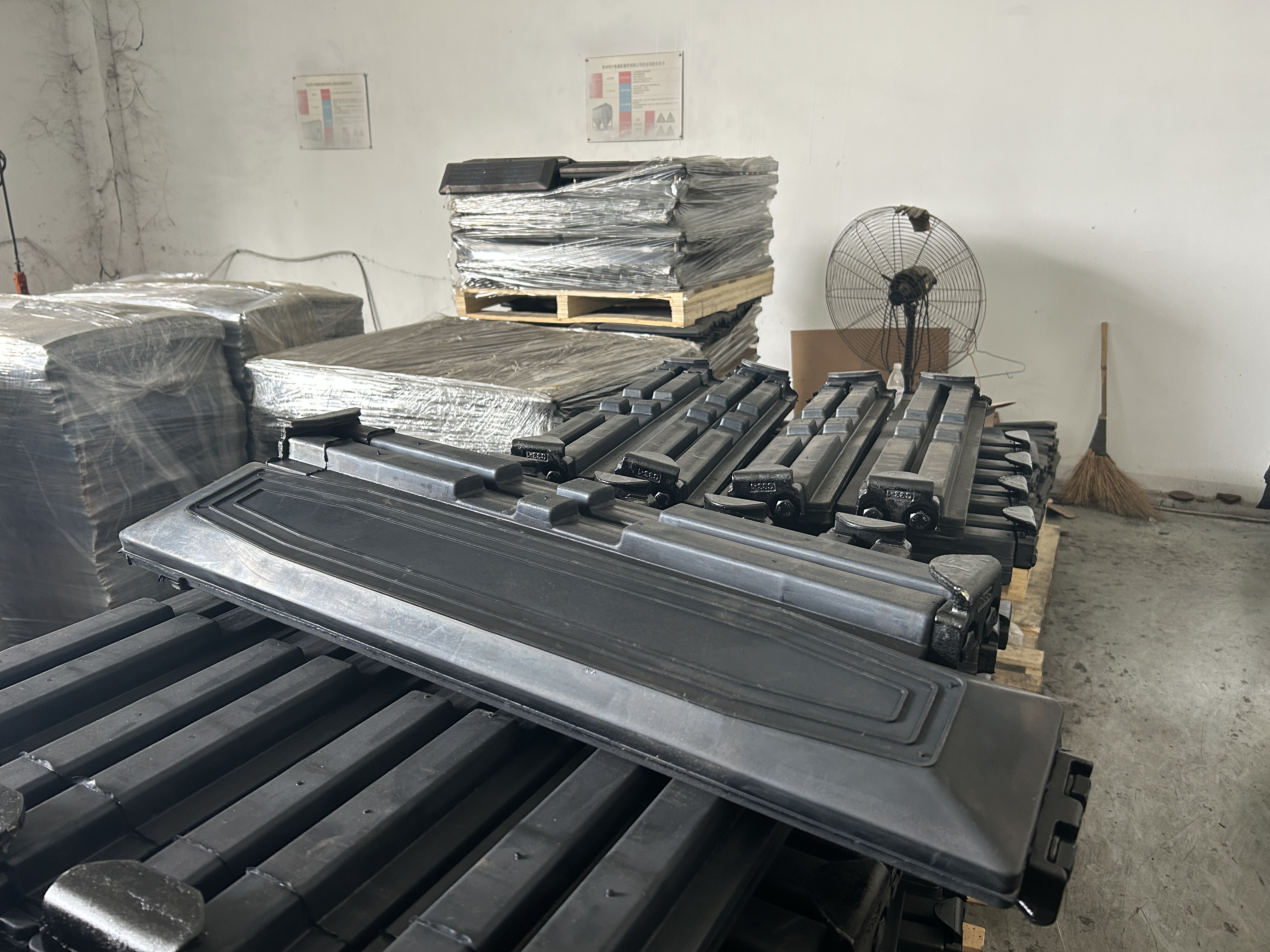
When evaluating our undercarriage configurations for upcoming projects, we must meticulously weigh the aggressive traction of bare steel against the operational versatility of rubber-equipped tracks. Our internal lifecycle analyses consistently reveal that while forged steel is unparalleled in raw durability, it falls short in modern compliance, multi-surface utility, and operator ergonomics.
Performance, Compliance, and Lifecycle Metrics
To accurately quantify the operational differences, we track several key performance indicators across our heavy fleets. Rubber pads excel in vibration dampening, which substantially improves operator comfort and reduces fatigue-related errors during extended 10-hour shifts. However, they naturally exhibit a shorter wear life than forged steel grousers under highly abrasive conditions. Below is a comparative baseline we utilize when specifying undercarriages for a typical 12-ton to 15-ton class excavator:
| Performance Metric | Bare Steel Tracks | Premium Rubber Pads |
|---|---|---|
| Average Ground Pressure | 6.5 – 7.2 psi | 4.8 – 5.5 psi |
| Acoustic Output (Travel) | ~105 dB | ~90 dB |
| Asphalt/Concrete Damage | Severe (Requires Mats) | Minimal to None |
| Expected Lifespan | 4,000 – 5,000 hours | 1,500 – 2,000 hours |
This data highlights that while the replacement cycle for rubber is accelerated, the gains in acoustic compliance and surface protection are undeniable.
Common Trade-Offs in Tough Jobsite Conditions
Despite their distinct advantages, rubber pads are not universally applicable without strategic operational trade-offs. In demolition environments featuring jagged rebar, exposed structural steel, or highly abrasive crushed rock, chunking and severe gouging can degrade a rubber pad’s structural integrity prematurely. We often see pad lifespans plummet by up to 40% if machines are continuously counter-rotated on sharp debris or exposed to harsh chemical solvents and hydraulic oils that degrade the rubber compound. Consequently, our operators are rigorously trained to utilize wide, sweeping turns, avoid pivoting directly on sharp concrete curbs, and clear debris paths to maximize the expected 1,500-hour baseline lifespan.
How to Specify, Source, and Install Rubber Pads
Procuring the optimal track protection requires significantly more due diligence than simply matching a machine’s make and model. As fleet managers, we must specify the exact metallurgical and chemical properties of the pads, alongside rigid quality control standards, to ensure they withstand high-torque applications without delaminating or failing mid-project.
Sizing, Compound Selection, and Fitment Checks
Accurate fitment begins with verifying the track chain pitch, shoe width, and bolt-hole spacing with precise caliper measurements. A misalignment of even 2 millimeters can cause excessive sheer stress on the mounting hardware, leading to premature pad loss and potential track derailment. We heavily favor pads manufactured from a proprietary blend of natural and synthetic rubber, typically engineered to a Shore A hardness of 75 to 80. This specific durometer range offers the ideal equilibrium between cut resistance and flexibility. When sourcing, we also mandate a minimum tensile strength of 15 MPa and inspect the internal steel core bonding. A high-tensile steel plate, thoroughly vulcanized within the pad, is mandatory to prevent flexing and core separation under lateral loads. Standard lead times for custom compounds can run 4 to 6 weeks, requiring proactive procurement.
Building the Business Case for Rubber Pads
Building a robust, defensible business case for this undercarriage investment relies on calculating the total cost of ownership rather than fixating on the initial capital outlay. While outfitting a mid-sized excavator with premium pads requires an upfront investment ranging from $2,500 to $4,500, the return on investment is rapidly realized on the jobsite. By eliminating the daily need for timber swamp mats—which cost upwards of $150 each and require secondary handling machinery and dedicated labor hours to position—we dramatically streamline our site logistics. Furthermore, avoiding municipal fines for pavement degradation, which can easily exceed $5,000 per infraction in strict metropolitan districts, instantly justifies our strategic transition to a rubber-equipped fleet.
Key Takeaways
- Use rubber pads on urban excavators to reduce surface damage on asphalt, cured concrete, and pavers while improving access to regulated municipal projects.
- Expect high-grade rubber pads on a 15-ton excavator to lower dynamic ground pressure from over 7.0 psi to roughly 4.8–5.5 psi, depending on track width.
- Specify rubber pads for noise-sensitive sites because they can cut operating noise by about 10–15 decibels compared with bare steel tracks.
- Choose bolt-on pads for secure long-term use, clip-on pads for field conversions in under two hours, and Roadliner pads for dedicated city machines.
- Consider Roadliner pads when fuel efficiency matters, as they can shed up to 15% of total track weight versus bolt-on configurations.
- Avoid relying on rubber pads for highly abrasive terrain where forged steel tracks may provide longer wear life and stronger raw traction.
Frequently Asked Questions
Why are contractors switching from steel tracks to rubber pads for excavators?
Contractors use rubber pads to reduce asphalt and concrete damage, lower noise, improve operator comfort, and meet stricter municipal project requirements. They also help machines work across urban surfaces without costly remediation.
How much can rubber pads reduce ground pressure?
For a typical 15-ton excavator, high-grade rubber pads can reduce dynamic ground pressure from over 7.0 psi to about 4.8–5.5 psi, depending on track width and machine configuration.
Do rubber pads make excavators quieter?
Yes. Rubber pads can reduce operational noise by roughly 10–15 decibels compared with bare steel tracks, which is valuable near homes, hospitals, schools, and other noise-sensitive sites.
What is the difference between bolt-on, clip-on, and Roadliner pads?
Bolt-on pads fasten to pre-drilled steel shoes for a secure fit. Clip-on pads use brackets for faster conversion. Roadliner pads replace steel shoes entirely and are often chosen for dedicated urban machines.
Are rubber pads as durable as steel tracks?
Rubber pads are durable for paved and mixed urban work, but forged steel tracks generally last longer in highly abrasive or rocky conditions. The best choice depends on surface type, compliance needs, and operating hours.
Post time: Sep-23-2026