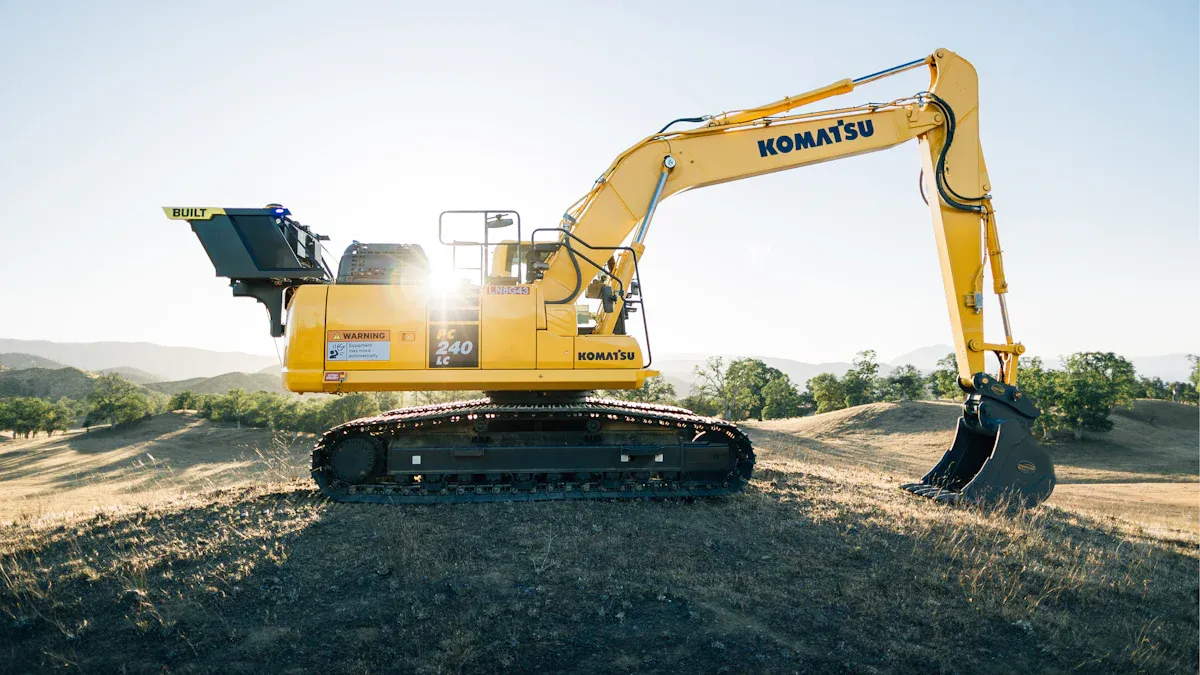
Excavator tracks play a key role on every construction site. They help machines move smoothly and keep workers safe. Modern track systems boost fuel efficiency and cut maintenance costs. Case studies show that strong, reliable tracks help projects finish ahead of schedule and save money for companies.
Key Takeaways
- Choosing the right excavator tracks improves safety by keeping machines stable and protecting workers from accidents and injuries.
- Proper tracks boost productivity by enhancing machine performance, reducing downtime, and lowering repair costs.
- Regular maintenance and matching track type to the job and terrain extend track life and keep projects on schedule.
Excavator Tracks and Site Safety
Preventing Accidents and Tip-Overs
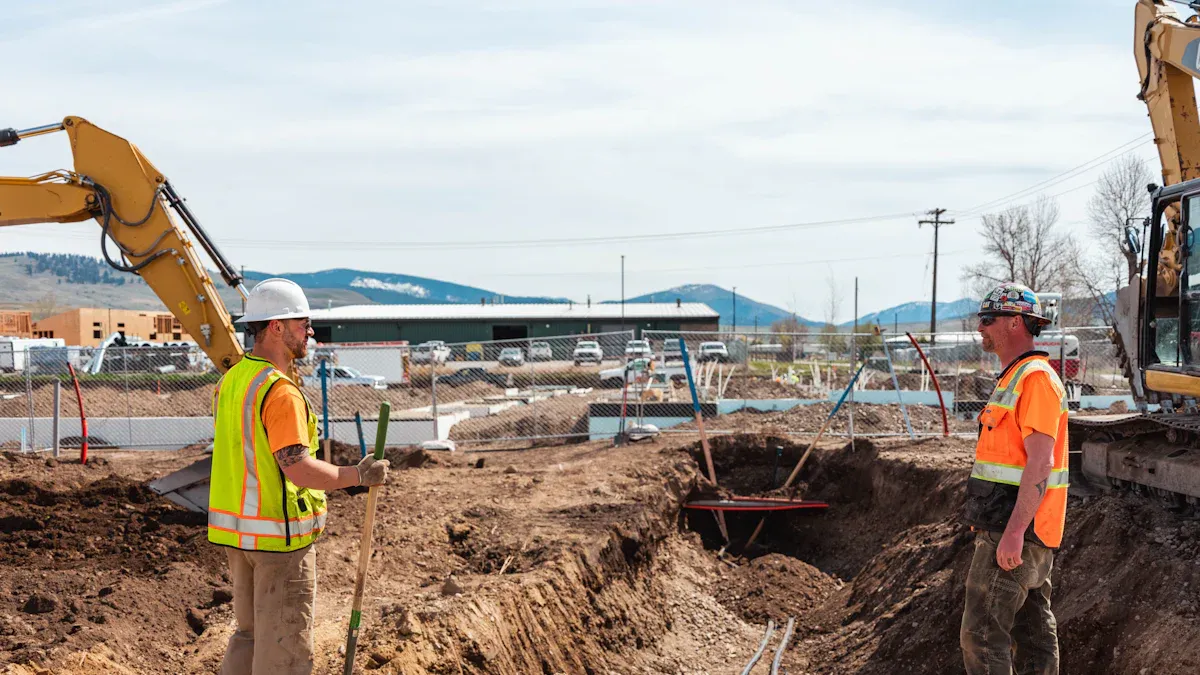
Excavator tracks play a major role in keeping machines stable on the job site. Many accidents happen when operators work on steep slopes or near the edge of a trench. Machines can tip over if the ground gives way or if the operator turns too quickly. The right tracks help prevent these problems. Tracks with the correct width give the excavator enough grip and support. If the tracks are too wide, the machine becomes harder to turn and control. This can actually increase the risk of tipping, especially on uneven ground. Choosing the narrowest track that still provides good traction helps the operator handle the excavator safely.
Tip: Always match the track width to the job and ground conditions. This simple step can lower the risk of tip-overs and keep everyone safer.
Reducing Worker Injuries
Safety on a construction site means more than just protecting the machine. It also means protecting the people working nearby. When excavator tracks fit the job, the machine moves smoothly and stays balanced. This reduces sudden movements or slips that can hurt workers. Rubber tracks offer extra safety benefits. The rubber absorbs shocks and keeps the machine steady, even on hard surfaces. Workers near the excavator face less risk from flying debris or sudden jolts. Rubber tracks also protect the ground, which helps prevent slips and falls around the work area.
- Rubber tracks are easy to install.
- They block metal-to-ground contact, reducing wear and tear.
- They help keep the site safer for everyone.
Enhancing Site Stability
Stable ground is key for safe and productive work. Excavator tracks spread the machine’s weight over a larger area. This stops the excavator from sinking into soft soil. When the ground stays firm, the machine can work faster and safer. Rubber tracks add another layer of protection. They shield the ground from damage and keep surfaces smooth. This means less repair work and fewer hazards for workers and other machines. A stable site leads to fewer delays and a safer work environment.
Note: Regularly check the condition of your excavator tracks. Well-maintained tracks keep the machine stable and help avoid costly accidents.
Excavator Tracks for Productivity and Efficiency
Improving Machine Performance
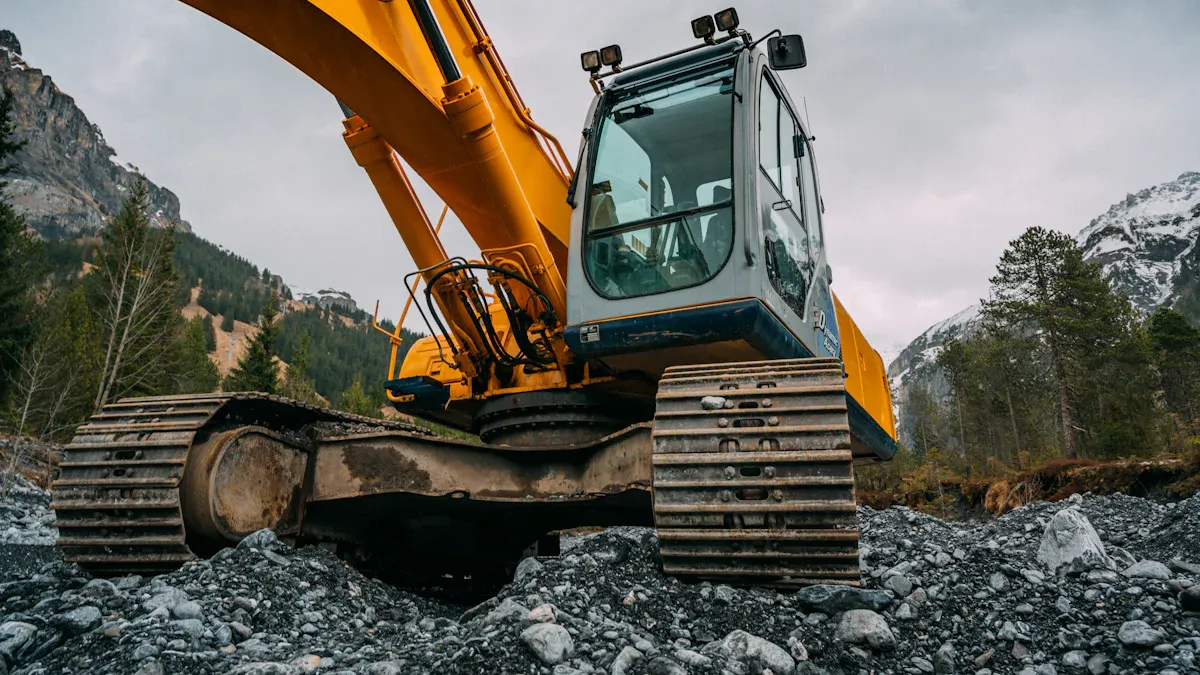
The right excavator tracks transform how a machine performs on the job site. Operators notice better stability and smoother movement when they use tracks designed for their specific tasks. Performance metrics such as stability, maneuverability, speed, durability, traction, and ground clearance all depend on the type of tracks installed. For example:
- Stability keeps the machine steady on uneven ground.
- Maneuverability allows the operator to work in tight spaces.
- Speed helps the excavator move quickly between tasks.
- Durability means the tracks last longer, even in tough conditions.
- Traction prevents slipping and sliding on wet or loose soil.
- Ground clearance lets the machine pass over obstacles safely.
General duty tracks work well for lighter jobs and basic earthmoving. Heavy duty tracks handle rough terrain and demanding work. Heavy duty XL tracks offer extra strength for the harshest environments. Choosing the right track type for each job boosts productivity and keeps projects on schedule.
Operators who select the best tracks for their machines see faster results and fewer delays.
Minimizing Downtime and Repairs
Downtime can stop a project in its tracks. Frequent repairs and maintenance slow down progress and increase costs. Excavator tracks with high-quality materials and proper design reduce the need for constant fixes. Rubber tracks, for example, offer excellent wear resistance and protect the undercarriage from damage. They also make installation quick and easy, so machines spend more time working and less time in the shop.
Track systems have many parts, such as bolts, links, pins, bushings, sprockets, rollers, idlers, and shoes. Regular maintenance—like cleaning, adjusting tension, and checking for leaks—keeps everything running smoothly. Tracks that wear out quickly on hard surfaces need more frequent replacement, which raises costs. Properly maintained tracks last longer and help avoid expensive repairs.
- Regular cleaning prevents dirt buildup.
- Correct tension stops premature wear.
- Quality rubber tracks extend service life.
Smart companies invest in reliable excavator tracks to keep their machines moving and their projects on track.
Reducing Site Damage
Protecting the construction site matters as much as finishing the job. Rubber excavator tracks distribute the machine’s weight evenly, lowering ground pressure and preserving surfaces like grass, asphalt, and concrete. This feature makes them perfect for urban areas and sensitive environments where damage to pavement or landscaping can lead to extra costs.
Rubber tracks also reduce noise and vibration, creating a quieter and safer work zone. Their flexible design adapts to different terrains, which helps prevent slippage and ground damage. Engineering tests show that rubber tracks stand up to harsh conditions and protect both the machine and the environment.
Using rubber tracks means less repair work on the site and a better experience for everyone nearby.
Choosing the right excavator tracks not only improves productivity but also protects the job site and the community.
Choosing and Using the Right Excavator Tracks
Rubber Tracks vs. Steel Tracks
Choosing between rubber and steel tracks shapes the success of every project. Each type offers unique advantages. The table below highlights the key differences:
| Feature | Steel Tracks | Rubber Tracks |
|---|---|---|
| Durability | Very durable, withstands harsh conditions, longer lifespan with proper maintenance. | Durable but wears faster on abrasive or sharp surfaces. |
| Traction | Excellent traction on rocky, muddy, or steep terrain. | Less traction on rough or wet terrain, more challenging in mud. |
| Surface Protection | Can damage sensitive surfaces like asphalt or lawns. | Gentle on surfaces, leaves minimal marks, suitable for urban and landscaped areas. |
| Operator Comfort | Less comfortable due to more vibration and jolts. | More comfortable with less vibration, smoother ride. |
| Noise | Noisier, which can be problematic in residential or noise-sensitive areas. | Quieter operation, better for noise-sensitive environments. |
| Maintenance | Requires regular lubrication and tension adjustments. | Requires routine cleaning and care but less intensive maintenance overall. |
| Best Use Cases | Heavy-duty, rough terrain, construction, demolition, steep or unstable ground. | Urban, agricultural, landscaped, or sensitive surface environments. |
Rubber tracks stand out for their easy installation and ability to protect both the machine and the ground. Many contractors prefer them for urban and landscaped projects.
Matching Tracks to Terrain and Job Type
Selecting the right tracks for the job ensures safety and efficiency. Contractors should consider these guidelines:
- Rubber tracks work best for landscaping, soft ground, and urban sites. They minimize damage to grass, soil, and pavement.
- Steel tracks perform well on rocky, muddy, or debris-filled sites. They provide superior traction and durability.
- For small excavators, rubber tracks offer easy maneuvering and protect delicate surfaces.
- Large excavators benefit from steel tracks when tackling demolition or foundation work.
| Excavator Size | Weight Range | Suitable Terrain and Job Types |
|---|---|---|
| Small Excavators | Less than 7 metric tons | Tight spaces, landscaping, soft soil; minimal ground damage |
| Standard Excavators | 7 to 45 metric tons | Medium to large projects; avoid very soft soil without risk of damage |
| Large Excavators | More than 45 metric tons | Demolition, foundation digging on firm terrain |
Tip: Always match track width and type to the terrain. The right choice prevents excessive wear and keeps the machine stable.
Precautions and Maintenance Tips
Proper care extends the life of excavator tracks and boosts job site safety. Operators should follow these best practices:
- Inspect tracks and undercarriage daily for wear or damage.
- Adjust track tension as recommended to avoid derailment or early wear.
- Clean tracks after each shift to remove dirt and debris.
- Replace worn components promptly to prevent bigger problems.
- Train operators to recognize maintenance needs and operate smoothly.
Regular maintenance prevents breakdowns, reduces costs, and keeps projects moving forward. Well-maintained tracks mean fewer delays and safer worksites.
Companies see real benefits when they invest in the right tracks and maintain them well:
- Daily cleaning and correct tension extend track life up to 1,600 hours.
- Upgrading to premium tracks boosts durability and reduces downtime.
- Smart maintenance prevents costly failures and keeps projects on schedule.
Companies measure return on investment by tracking longer lifespan, fewer replacements, and lower repair costs. Choosing quality tracks leads to safer sites and higher profits.
FAQ
What are the main benefits of using rubber tracks on excavators?
Rubber tracks protect surfaces, reduce noise, and extend machine life. They also make installation easy and help keep job sites safe.
How often should operators inspect excavator tracks?
Operators should check tracks daily. Regular inspections help spot damage early and prevent costly repairs.
Can rubber tracks handle rough terrain?
Rubber tracks work best on flat or soft ground. They provide excellent wear resistance and protect both the machine and the surface.

Post time: Jul-31-2025