
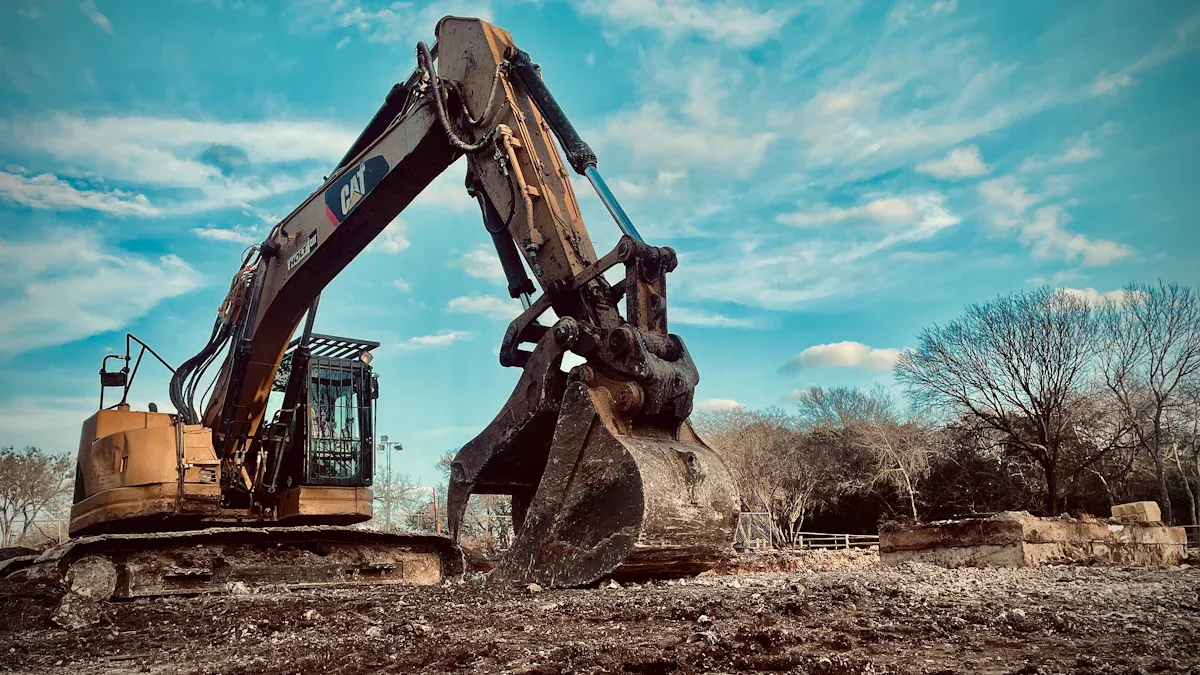
Excavator tracks play a key role in construction by boosting equipment mobility and reliability. These tracks help machines move smoothly over tough terrain and reduce wear, which lowers maintenance costs. High-quality tracks also increase safety and make projects more cost-effective, supporting better results for every job site.
Key Takeaways
- High-quality excavator tracks improve machine performance by providing better traction, stability, and operator comfort, especially on rough or delicate terrain.
- Regular maintenance and using durable, genuine parts reduce downtime and repair costs, helping projects stay on schedule and within budget.
- Choosing the right track type and pattern enhances safety, protects surfaces, and supports timely project completion by preventing accidents and equipment failures.
Key Benefits of Quality Excavator Tracks
Enhanced Equipment Performance
Excavator tracks play a vital role in how machines perform on construction sites. High-quality tracks help equipment move smoothly over rough ground and keep machines stable. Operators notice better traction and control, especially when working on rocky or uneven surfaces. Rubber tracks make machines quieter and reduce vibration, which helps operators stay comfortable during long shifts.
Here is a comparison of track types and their benefits:
| Track Type | Measurable Improvements | Operational Benefits |
|---|---|---|
| High-Quality Steel Tracks | Enhanced durability, superior traction, longer lifespan | Better performance on rugged terrain, less downtime |
| High-Quality Rubber Tracks | Reduced vibration, lightweight, gentle on surfaces | Smoother ride, suitable for urban environments |
| Standard Tracks | Lower durability, frequent replacements | More downtime, higher long-term costs |
Proper maintenance, such as regular tensioning and lubrication, extends the life of excavator tracks and keeps machines working at their best.
Reduced Downtime and Maintenance Costs
Construction projects depend on equipment that works reliably. High-quality excavator tracks help reduce the time machines spend in repair. Teams who inspect tracks, hydraulic hoses, and attachments often catch problems early. Scheduled maintenance, cleaning, and checking fluid levels prevent breakdowns and keep machines running.
Tip: Operators who follow maintenance routines and use original parts see fewer breakdowns and lower costs over time.
A few important steps help minimize downtime:
- Invest in durable equipment and parts.
- Use trusted components for safety and reliability.
- Replace worn parts before they fail.
- Train operators to spot issues early.
- Keep spare parts available for quick repairs.
These actions keep excavator tracks in good condition and help projects finish on time.
Improved Safety for Operators and Workers
Safety matters on every construction site. High-quality excavator tracks keep machines stable and easy to control. Low-quality tracks can crack or break, causing sudden failures and accidents. Genuine tracks made from strong materials support the weight of heavy equipment and prevent tipping or collapse.
Note: Proper installation and regular checks of excavator tracks lower the risk of accidents and protect everyone on the job site.
Teams who choose reliable tracks and maintain them well see fewer safety hazards. Stable machines help operators work confidently and keep workers safe nearby.
Impact of Excavator Tracks on Project Success
Adaptability to Various Terrains
Excavator tracks help machines work on many types of ground. Field data shows that different tread patterns suit different terrains. The table below highlights how track patterns match terrain types and improve performance:
| Terrain Type | Recommended Track Pattern(s) | Key Benefits and Usage Examples |
|---|---|---|
| Turf / Delicate | Turf Pattern, Smooth Tread, Staggered Block | Protects grass and irrigation systems; ideal for landscaping, parks. |
| Muddy / Soft | Block Pattern, Zig-Zag Pattern, TDF Super | Prevents slippage on muddy terrain; used in construction, slopes. |
| Rocky / Uneven | Terrapin Pattern, Steel-Reinforced, Hybrid | Reduces vibration, suitable for rocky terrain and demolition sites. |
| Sloped Terrain | Zig-Zag Pattern, TDF Super | Provides stability on slopes, prevents slippage. |
| Mixed / Versatile | C-Pattern, Terrapin Pattern | Smooth ride on paved surfaces and traction on loose ground. |
| Inclement Weather | TDF Super, Zig-Zag | Improves grip and safety in wet or snowy conditions. |
Choosing the right track pattern helps machines move safely and efficiently.
Protection for Machinery and Landscape
Rubber tracks distribute the weight of heavy equipment evenly. This reduces ground pressure and protects surfaces like grass, asphalt, and concrete. Machines with rubber tracks cause less damage to the environment and need fewer repairs. Reinforced rubber compounds and steel cords make tracks last longer and resist wear. Operators notice less vibration and noise, which keeps machinery in better shape.
Tip: Regular inspection and cleaning of tracks help prevent premature wear and protect both the machine and the ground.
Support for Timely Project Completion
Reliable excavator tracks keep machines running smoothly. Teams finish projects faster when equipment does not break down. Properly matched tracks reduce downtime and help workers stay on schedule. Maintenance routines, such as checking track tension and cleaning debris, extend track life and improve productivity.
- Operators who use the right tracks for each terrain see fewer delays.
- Projects finish on time when machines work without interruption.
Minimizing Operational Risks
High-quality tracks lower the risk of accidents and breakdowns. Correct track tension prevents instability and keeps tracks from coming off. Tracks that resist mud and debris buildup reduce wear and stress on machine parts. Teams avoid costly repairs and keep equipment safe by choosing durable tracks and maintaining them well.
Note: Tracks with reinforced edges and thicker treads last longer and help prevent cracks and other damage.
Product Features and Usage Precautions for Excavator Tracks
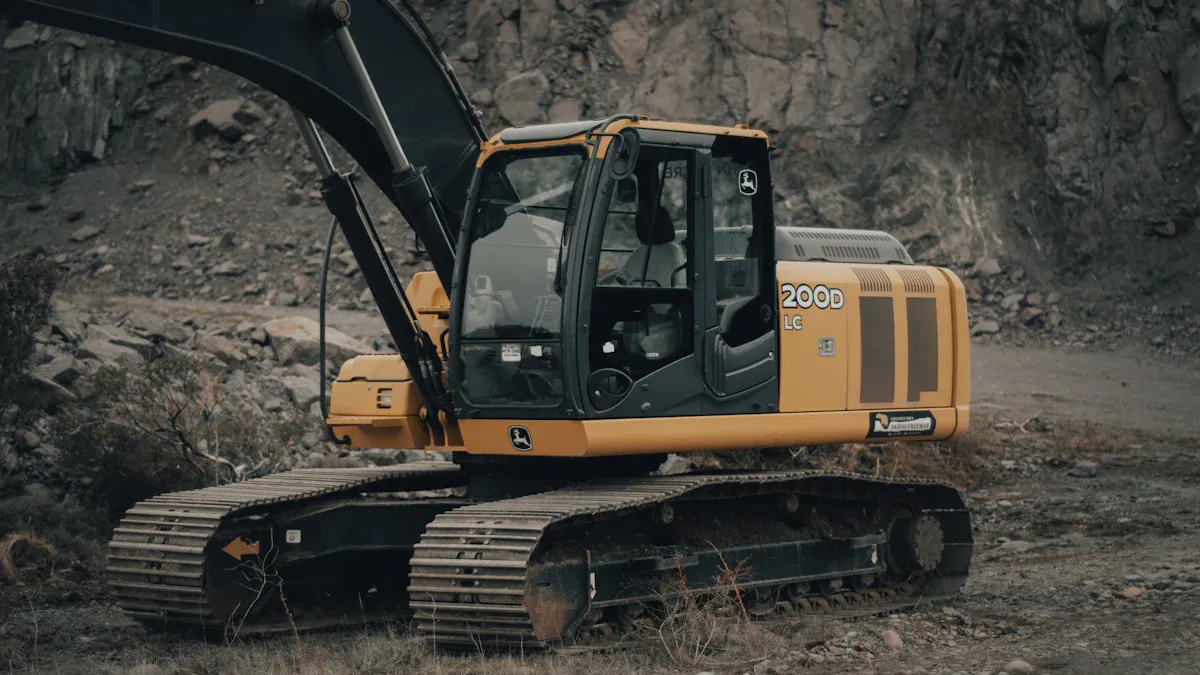
Advantages of Rubber Excavator Tracks
Rubber excavator tracks offer several benefits for construction projects. They provide a cushioned ride that absorbs shocks and bumps, which helps reduce operator fatigue. These tracks protect surfaces by distributing weight evenly, leaving minimal marks on grass, asphalt, or concrete. The table below highlights key advantages:
| Advantage | Description |
|---|---|
| Surface Protection | Gentle on delicate surfaces, ideal for urban areas |
| Noise Reduction | Quieter operation, suitable for noise-sensitive sites |
| Operator Comfort | Less vibration, smoother ride for operators |
| Maneuverability | Superior turning ability, faster movement |
| Maintenance | Requires less upkeep compared to steel tracks |
Rubber tracks also minimize soil compaction and help machines move efficiently on soft ground.
Proper Installation and Maintenance Tips
Correct installation and regular maintenance extend the lifespan of excavator tracks. Industry experts recommend these steps:
- Prepare the machine on flat, stable ground and wear safety gear.
- Remove old tracks carefully and inspect undercarriage components for damage.
- Clean sprockets, idlers, and rollers before installing new tracks.
- Adjust track tension according to surface conditions and manufacturer guidelines.
- Operate at reduced speed during the first 50 hours to break in new tracks.
- Routinely clean the undercarriage to prevent mud and debris buildup.
- Inspect track bolts, chains, and shoes for wear and oil leaks.
- Make wide turns instead of sharp pivot turns to reduce wear.
Regular maintenance, including tension checks and cleaning, helps prevent breakdowns and supports long-term equipment reliability.
Precautions for Safe and Effective Use
Safe operation of excavator tracks protects both workers and machinery. Follow these precautions:
- Park the excavator on a flat, stable surface before any track work.
- Use lifting tools for heavy components to avoid injury.
- Wear personal protective equipment such as gloves and safety glasses.
- Clean all parts before installation to ensure proper fit.
- Adjust track tension gradually and recheck after initial operation.
- Avoid sharp turns and sudden acceleration to minimize mechanical shock.
- Inspect tracks regularly, especially in harsh conditions, to catch issues early.
Good operating habits and routine inspections help maintain safety and maximize track performance.
Investing in quality tracks gives construction projects lasting value. Industry data shows that high-quality tracks can extend machine life by up to five years at a fraction of the cost of new equipment. Upgrades like these also boost productivity, lower fuel use, and increase resale value.
Choosing reliable tracks supports safe, efficient, and cost-effective project outcomes.
FAQ
What are the main benefits of using rubber excavator tracks?
Rubber tracks protect surfaces, reduce noise, and improve operator comfort. They also help machines move smoothly on soft or delicate ground.
How often should operators inspect excavator tracks?
Operators should inspect tracks before each use. Regular checks help find damage early and keep equipment safe.
Can rubber tracks be used on all types of terrain?
Rubber tracks work best on flat or soft surfaces. Sharp objects like stones or steel bars can damage them. Operators should avoid rough or uneven ground.

Post time: Aug-26-2025