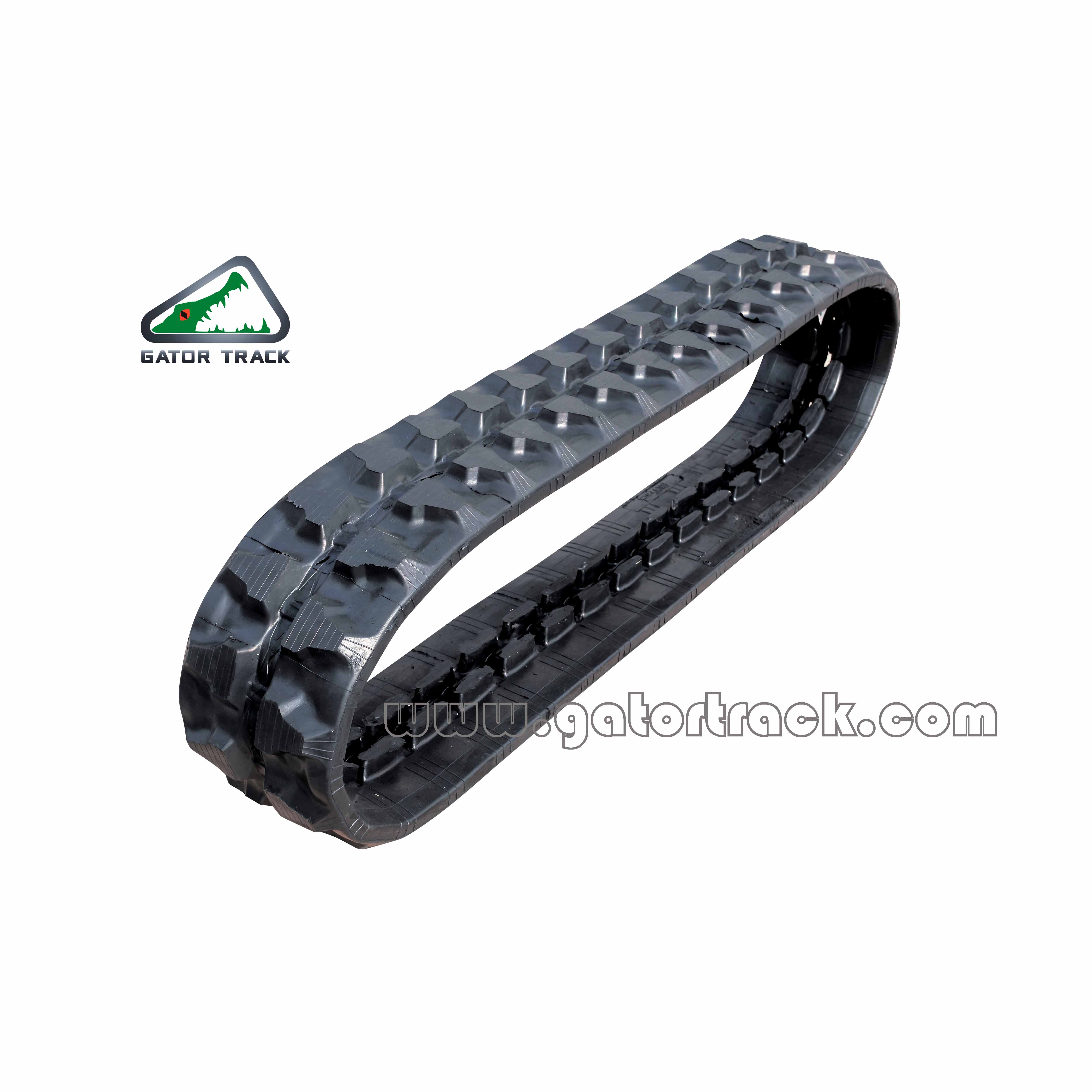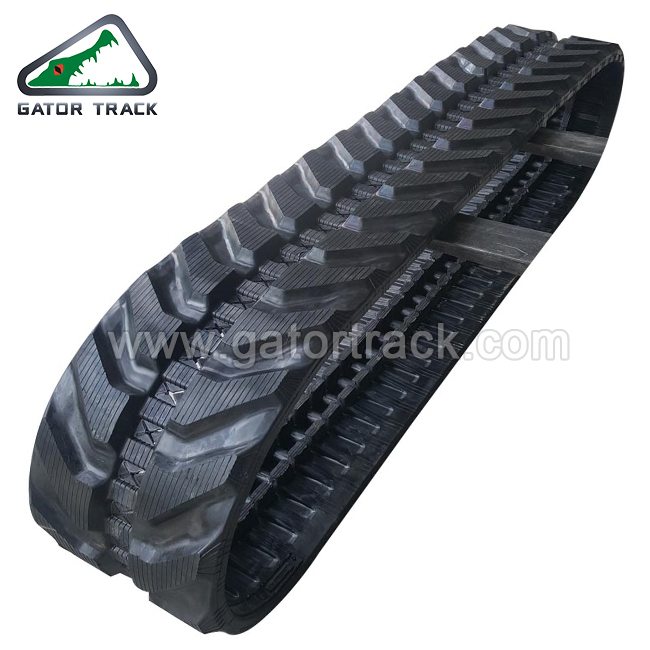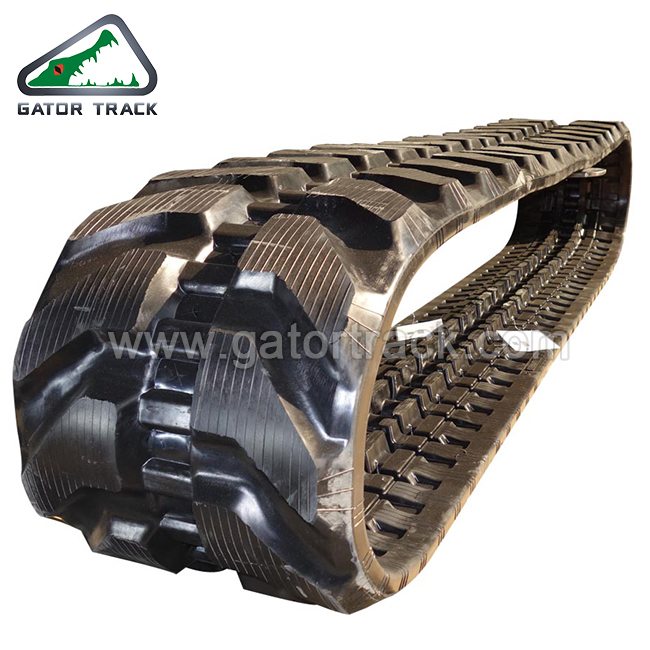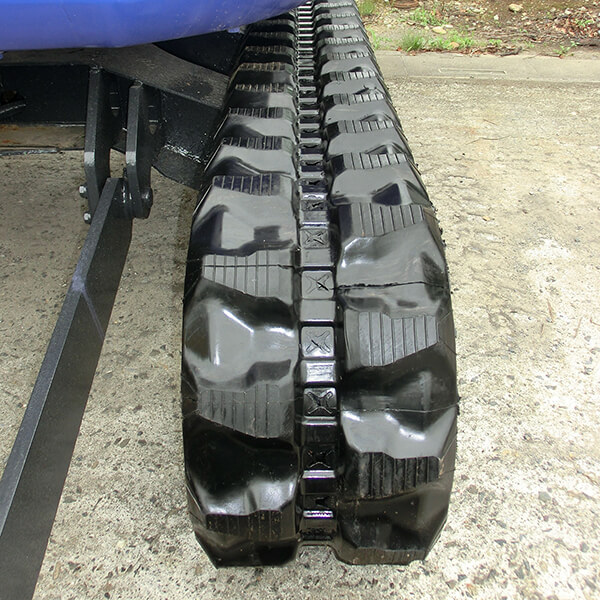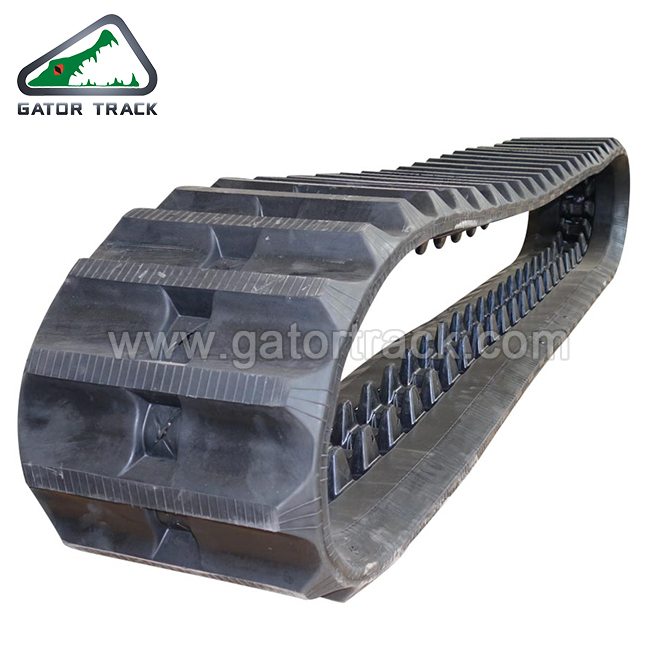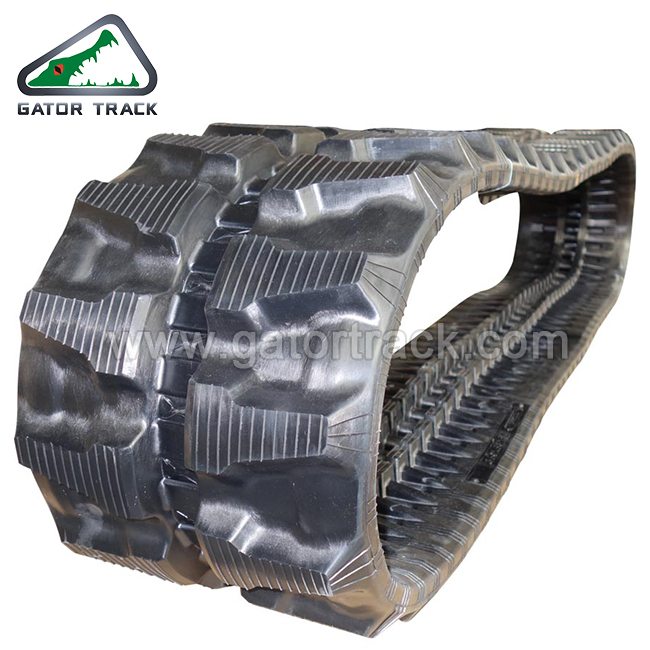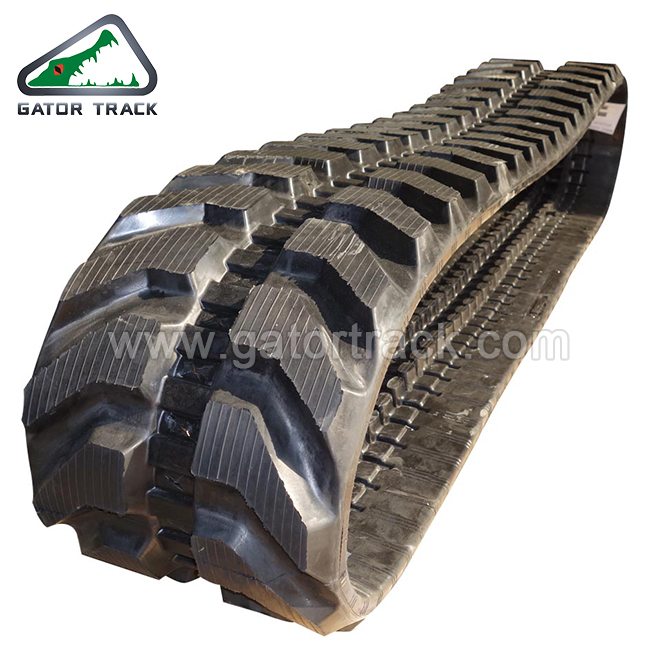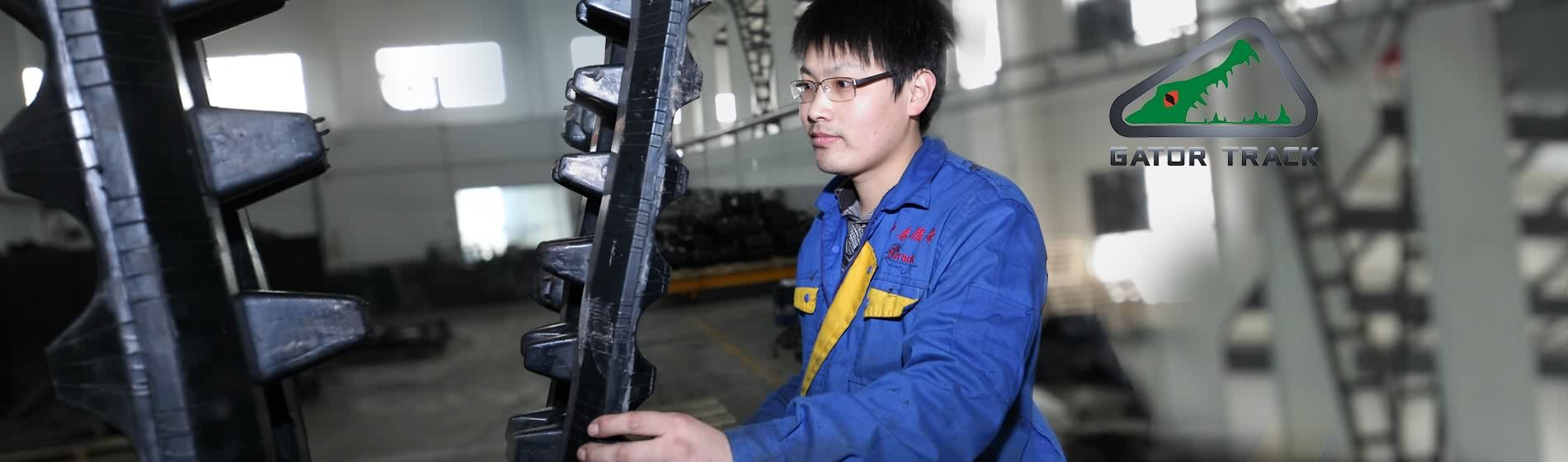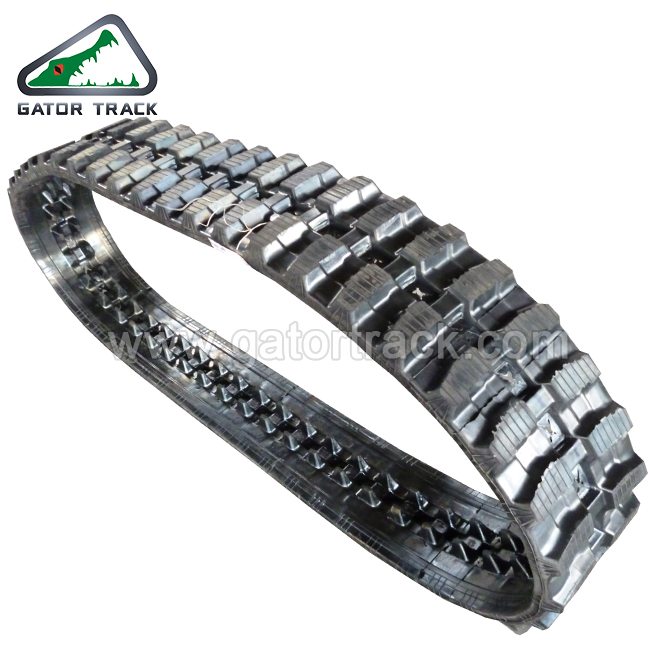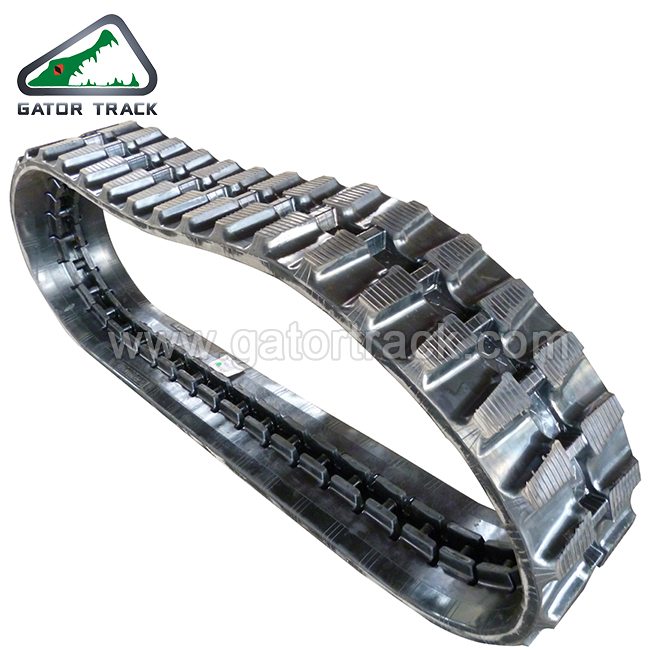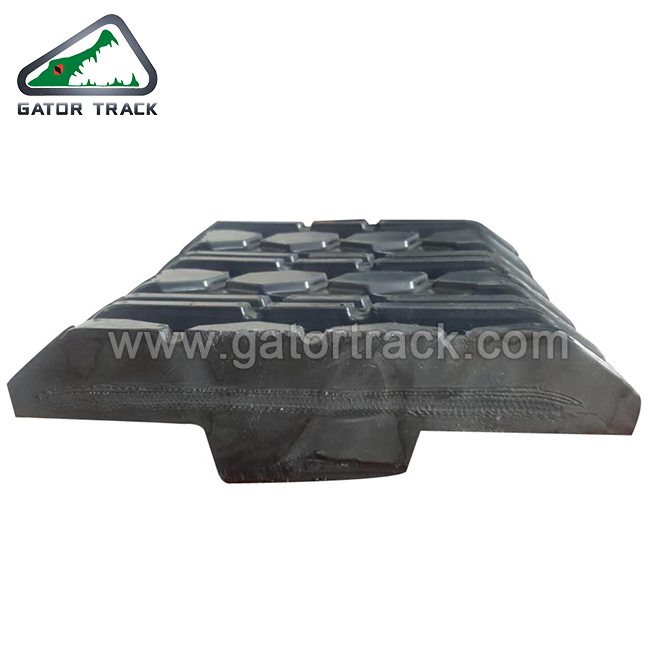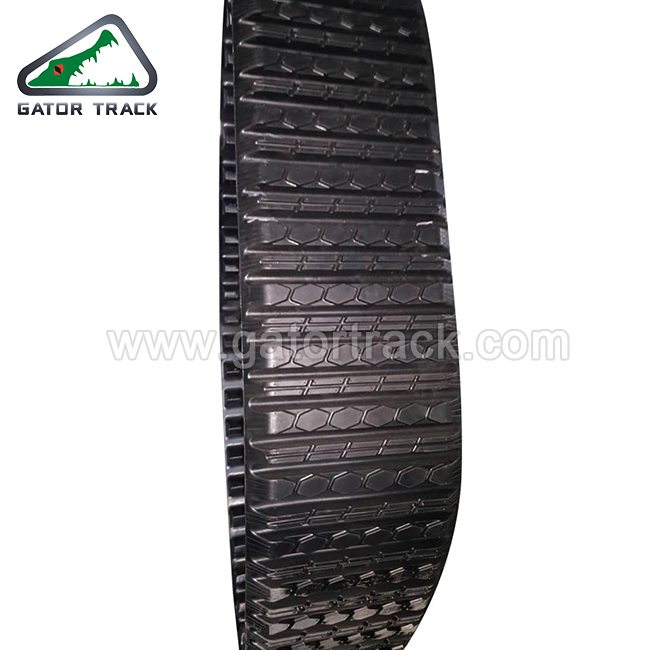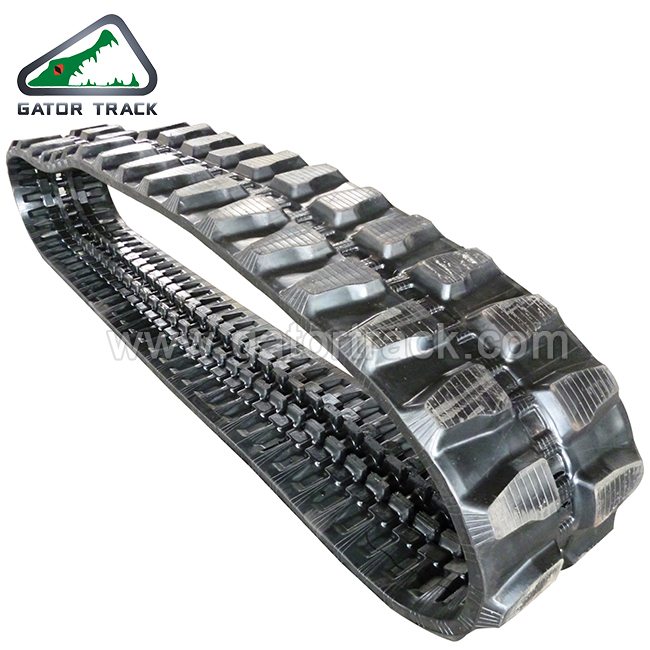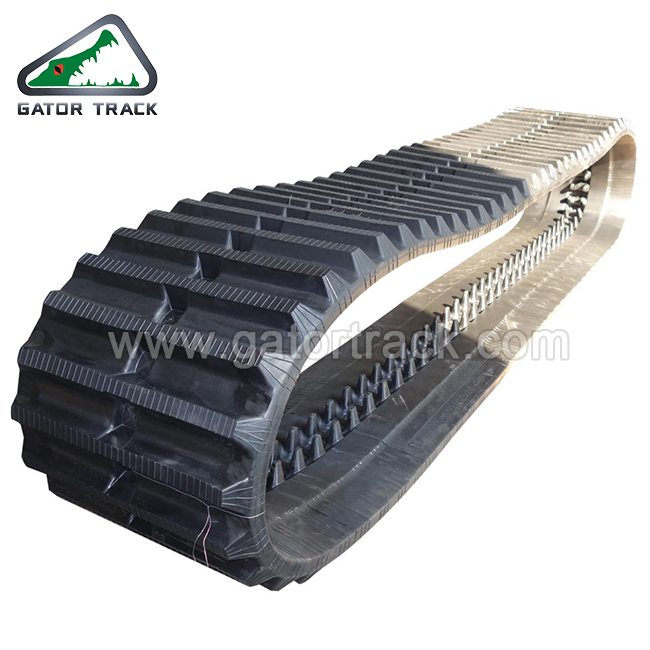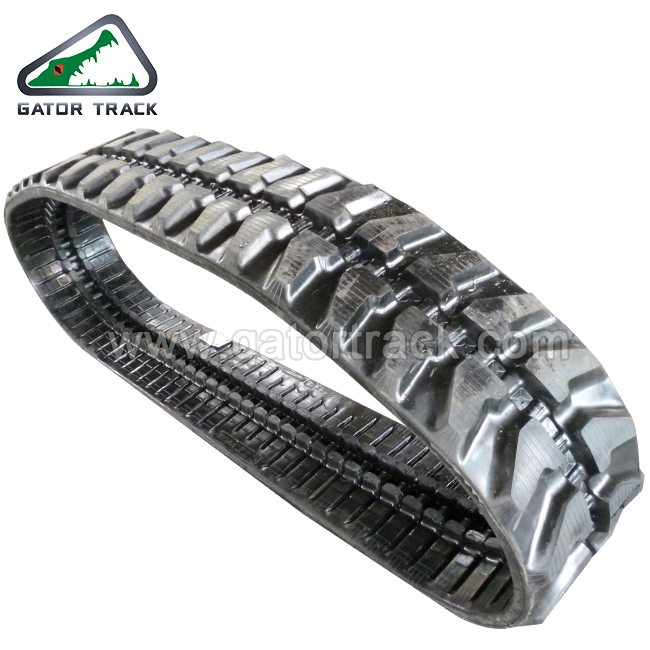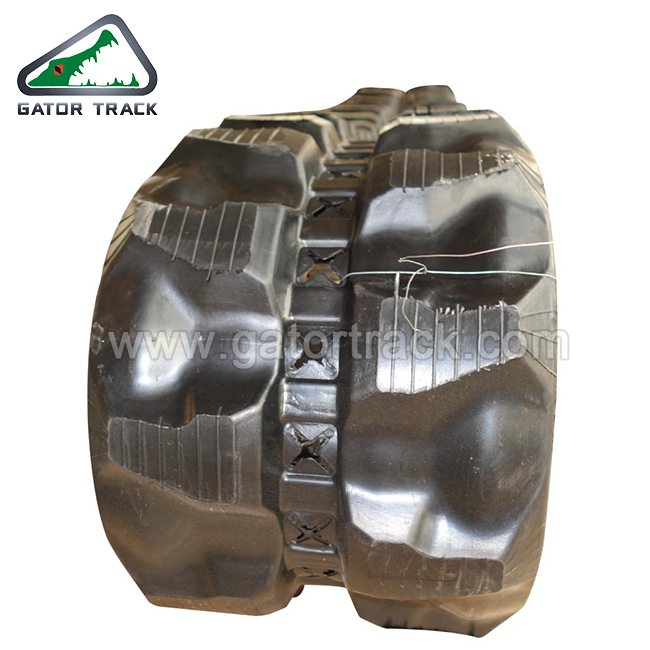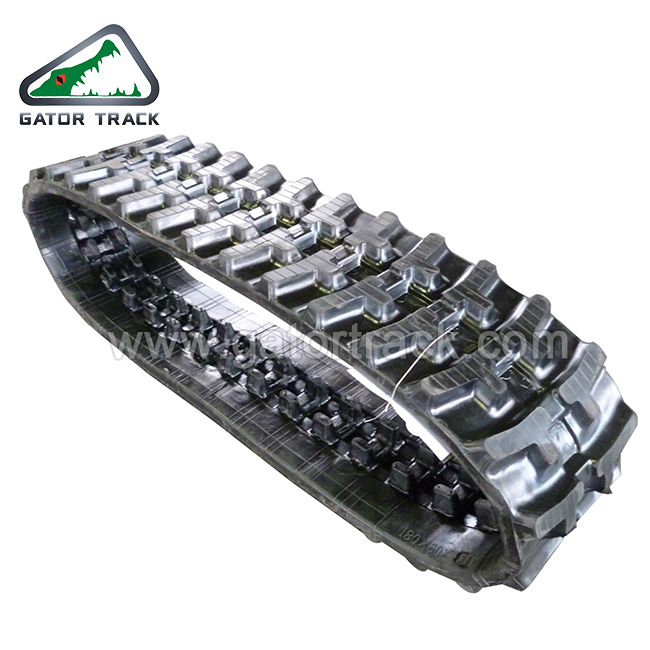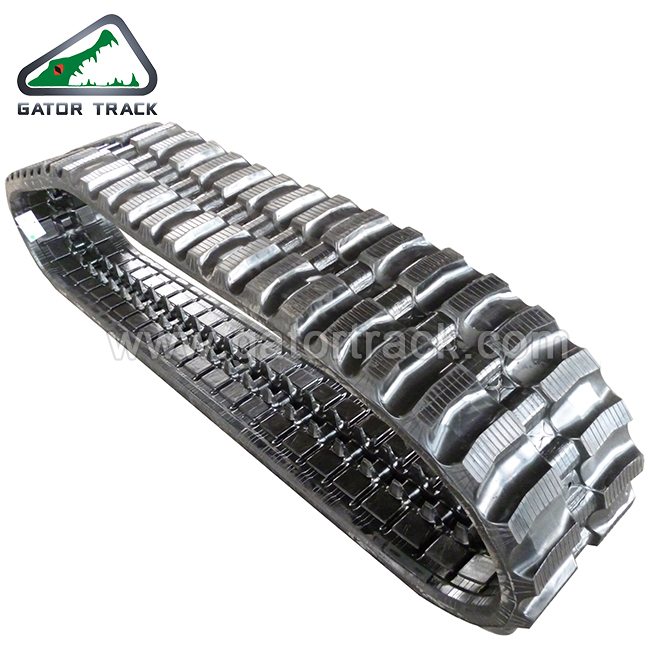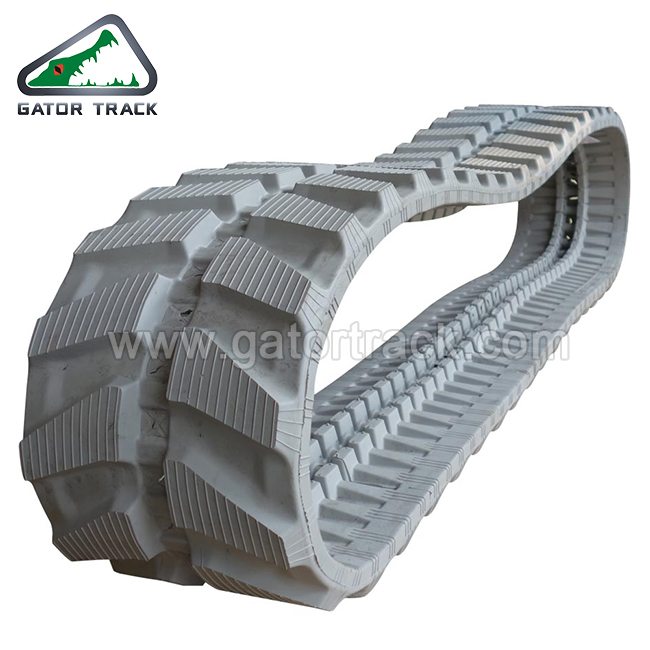

As a dedicated supplier, I’m excited to share our top-quality Agriculture Rubber Tracks to America. Sourced directly from trusted manufacturers in China, our tracks are designed to enhance the performance of your agricultural machinery. Whether you’re working with tractors, excavators, or other heavy equipment, these rubber tracks provide superior traction and durability, even in challenging terrains. I personally understand the demands of the industry, and our products are engineered to withstand the toughest conditions while minimizing wear and tear. By choosing our rubber tracks, you'll benefit from increased efficiency, reduced downtime, and greater productivity on the field. With a keen focus on quality and reliability, we strive to meet the specific needs of B2B purchasers like you. Let’s elevate your equipment’s performance together. Reach out to learn more about how our Agriculture Rubber Tracks can make a difference in your operations!
Agricultural rubber tracks are transforming the landscape of farming equipment worldwide, and by 2025, the delivery of these innovative solutions to the American market will showcase significant advancements in efficiency and sustainability. As global agricultural practices evolve, the demand for durable, reliable, and versatile tracking systems has never been greater. The trend of integrating advanced materials and engineering into agricultural machinery ensures that farmers can operate in diverse terrains while maximizing productivity and minimizing environmental impact. From the initial concept phase to final delivery, the journey of agricultural rubber tracks involves meticulous design, rigorous testing, and strategic sourcing. These tracks are designed to enhance traction, reduce soil compaction, and improve maneuverability, enabling equipment to perform optimally even in challenging conditions. For global buyers, the key lies in selecting partners who not only provide high-quality products but also demonstrate a commitment to innovation and supply chain efficiency. In conclusion, as we move towards 2025, the agricultural sector will witness a notable shift towards adopting rubber track technology. This transition will not only contribute to the overall growth of modern farming practices but also cater to the increasing need for sustainable solutions in agriculture. Global purchasers keen on tapping into this emerging market can expect a wealth of opportunities as the industry gears up for a future defined by enhanced performance and eco-friendly practices.
| Phase | Description | Timeline | Key Stakeholders |
|---|---|---|---|
| Concept Development | Researching the needs for agriculture rubber tracks in various terrains. | 2023 Q1 - 2023 Q2 | Research Teams, Agricultural Experts |
| Prototype Creation | Developing initial prototypes based on research findings. | 2023 Q3 - 2023 Q4 | Engineering Teams, Material Suppliers |
| Testing | Conducting field tests to evaluate performance and durability. | 2024 Q1 - 2024 Q2 | Test Farms, Quality Control Teams |
| Final Adjustments | Refining the product based on testing feedback. | 2024 Q3 - 2024 Q4 | Engineering Teams, Stakeholders |
| Production | Beginning mass production of the rubber tracks. | 2025 Q1 - 2025 Q2 | Manufacturers, Supply Chain Teams |
| Delivery | Distributing the product to agricultural sectors across America. | 2025 Q3 | Logistics Teams, Retail Partners |