
Rubber Pad Forming Process PPT: Insights from Leading China Manufacturers
As a professional in the rubber pad forming process, I've seen firsthand how crucial it is to choose the right manufacturer. Our Rubber Pad Forming Process PPT outlines the intricate steps involved, showcasing the cutting-edge techniques and technology we employ. Based in China, we pride ourselves on delivering high-quality products that meet international standards. My experience tells me that understanding the process is key for B2B purchasers like you, who are seeking reliable, efficient manufacturing solutions. The PPT provides a clear visual guide, making it easier for you to evaluate potential partnerships. I believe our dedication to innovation and excellence sets us apart in the industry, ensuring you receive value and durability in every order. If you’re aiming for a trusted manufacturer who understands your needs, this resource will be invaluable in your decision-making process. Let's connect and explore how we can support your business goals together.


Rubber Pad Forming Process Ppt For the Current Year Where Service Meets Innovation
In today's fast-paced marketplace, the fusion of service and innovation is paramount, particularly in the rubber pad forming sector. The latest advancements in technology have enabled businesses to create high-quality, durable rubber pads that meet diverse industry needs. By utilizing state-of-the-art manufacturing techniques and embracing sustainable practices, companies can not only ensure product excellence but also contribute to environmental conservation. As global buyers increasingly prioritize reliability and efficiency, the rubber pad forming process has evolved to deliver customized solutions tailored to specific applications. The integration of innovative designs and materials enhances performance while addressing the unique challenges encountered in various environments. Through continuous improvement and attentive customer service, businesses are well-equipped to support their partners worldwide, ensuring that every requirement is met with precision and care. This year marks a significant step forward in optimizing production processes, ultimately driving down costs and improving delivery timelines. By focusing on quality assurance and fostering strong relationships with international clients, the rubber industry can maintain a competitive edge. As we move forward, embracing innovation and elevating service standards will be crucial in meeting the demands of the global market while setting new benchmarks for excellence.
Rubber Pad Forming Process Ppt For the Current Year Where Service Meets Innovation
| Process Stage | Description | Innovation Aspect | Service Offered |
|---|---|---|---|
| Material Selection | Choosing the right rubber materials based on properties. | Sustainability in sourcing. | Material Consultation Services. |
| Molding Design | Creating efficient mold designs for effective production. | CAD technology for precision designs. | Design Assistance Services. |
| Production | Utilizing advanced techniques for the production of rubber pads. | Automation for efficiency. | On-site Production Services. |
| Quality Control | Testing rubber pads for durability and performance. | Implementation of IoT for real-time monitoring. | Quality Assurance Services. |
| Distribution | Efficient logistics for delivering products. | Tracking systems for transparency. | Logistics Management Services. |
Related Products


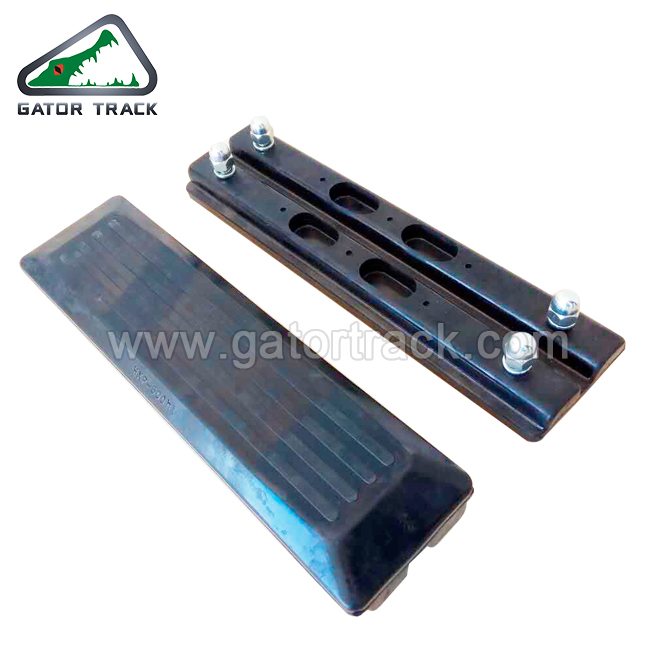
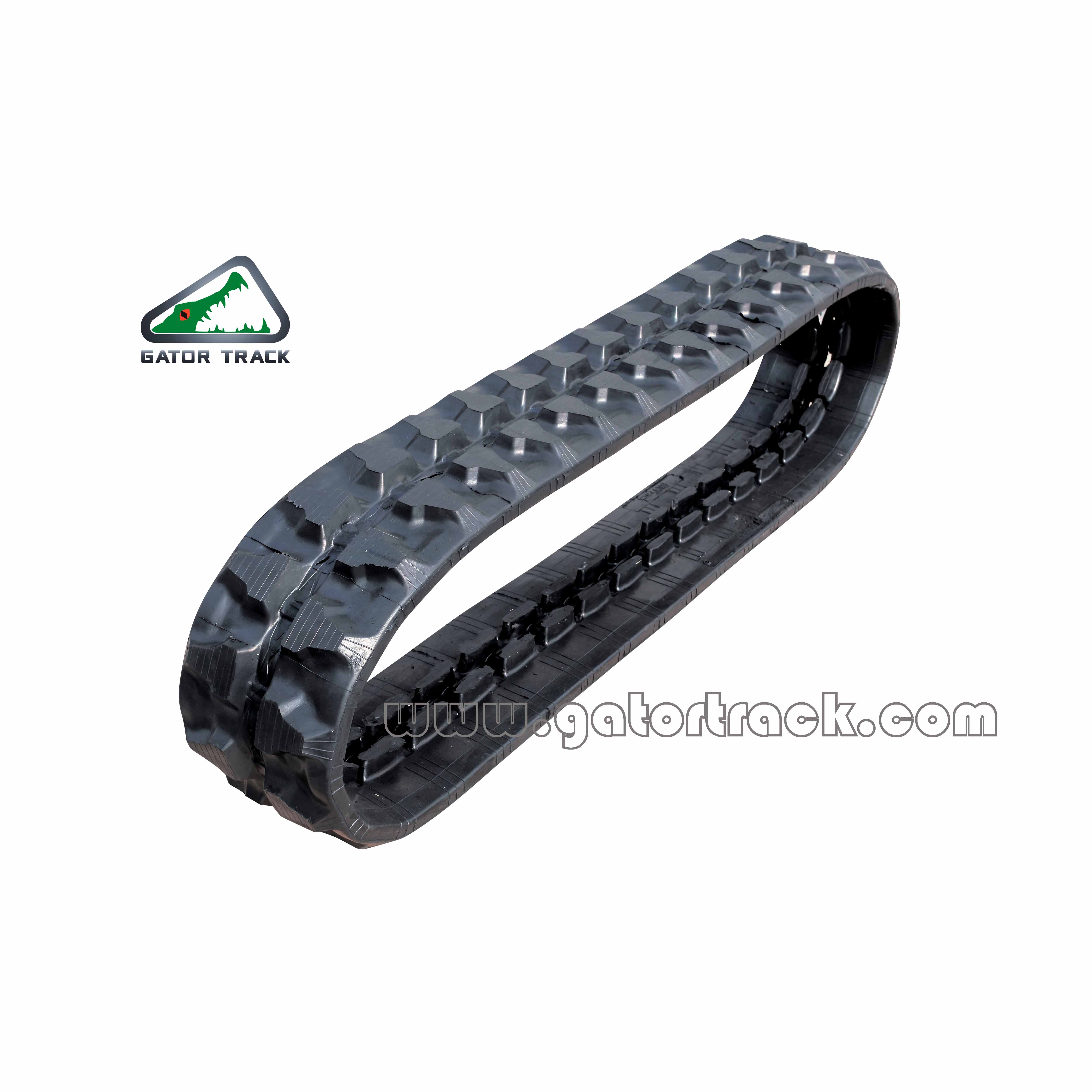
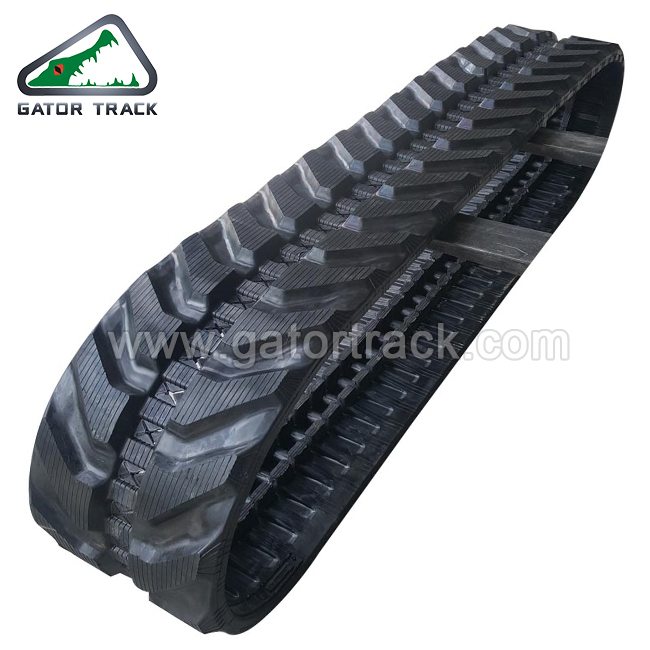
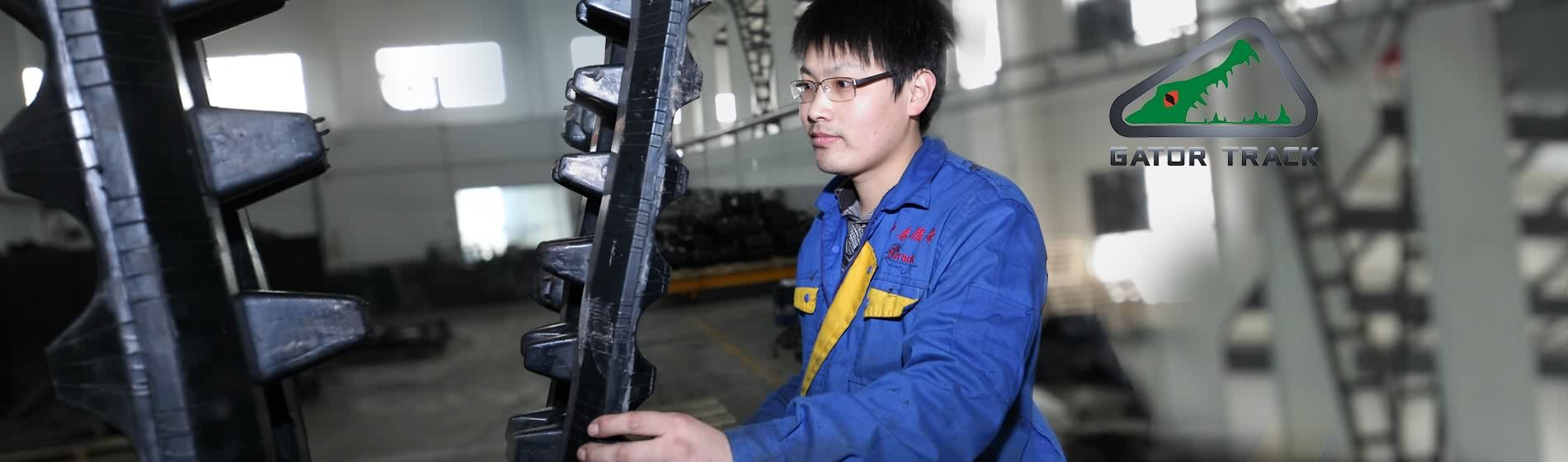
Rubber Pad Forming Process Ppt in 2025 Where Innovation Meets 2025
Top Selling Products




- Related Blog
- Reviews
