

Rubber Tracks for Combines from China Manufacturer to Australia
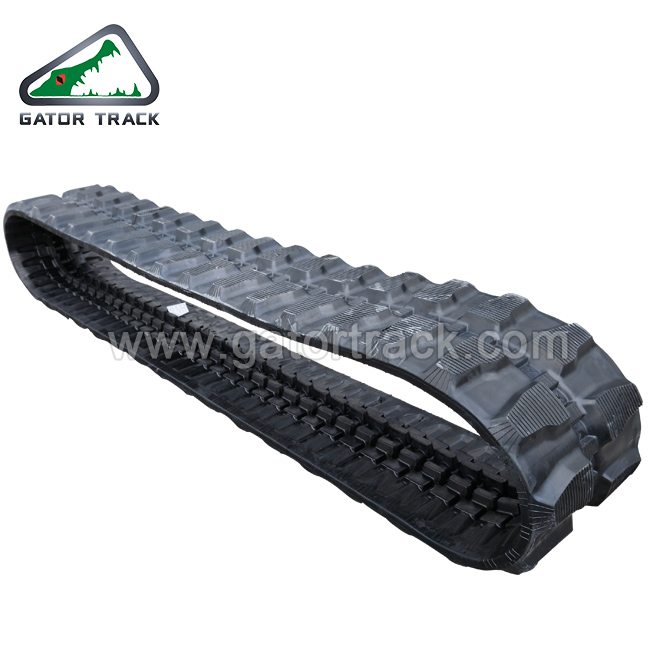
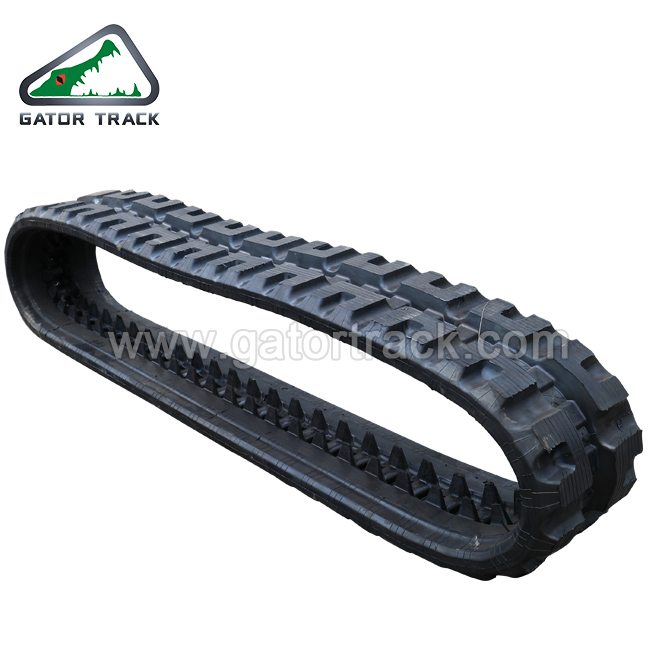
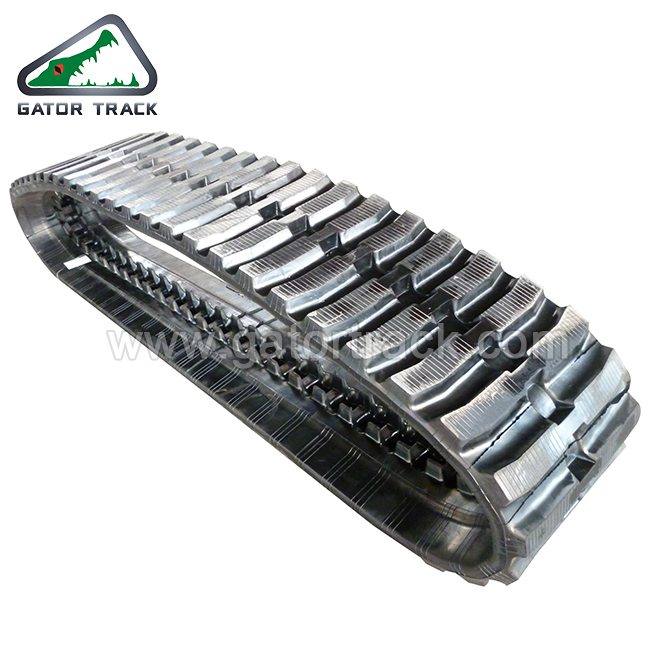
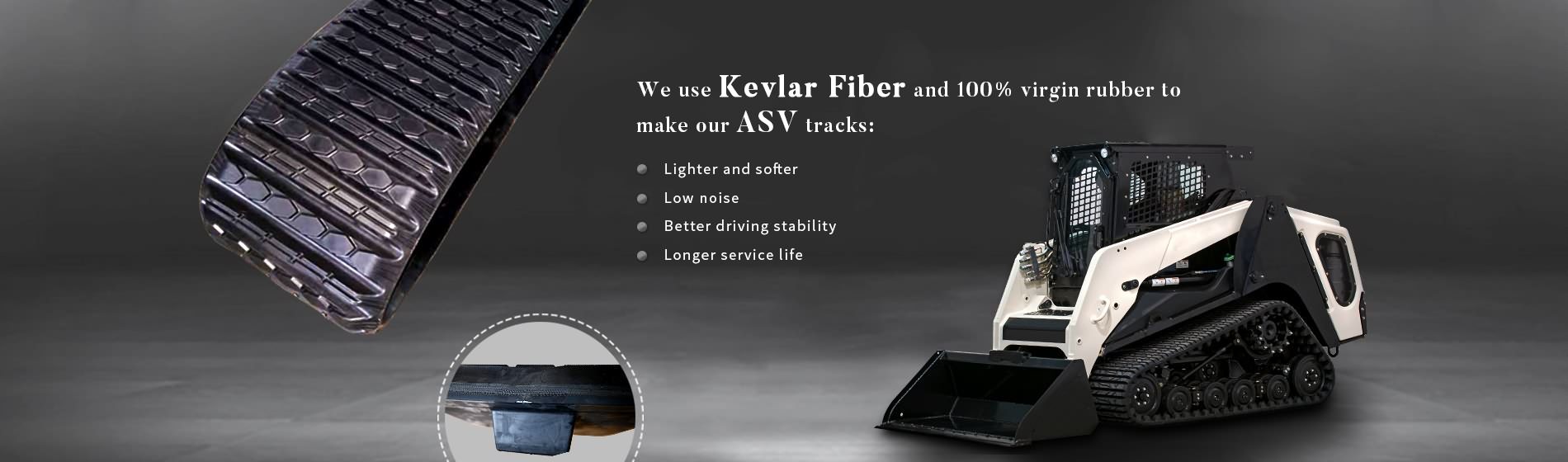
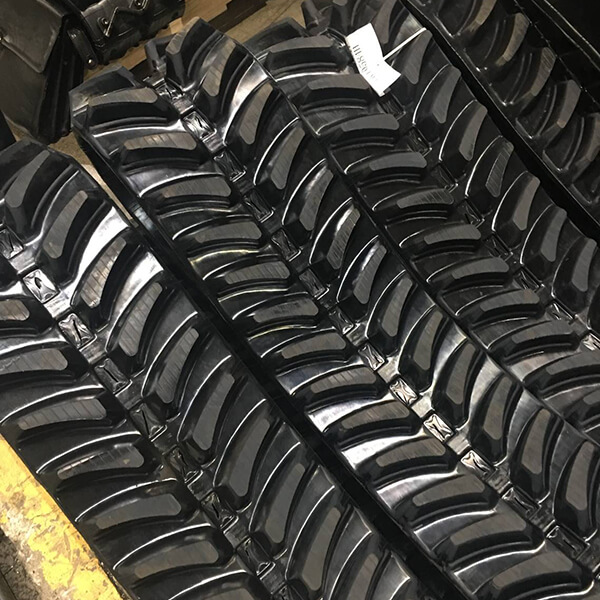
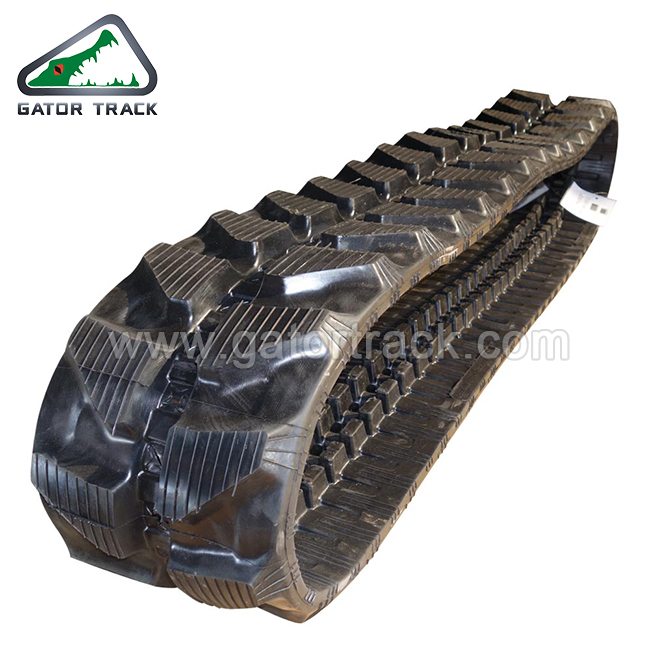
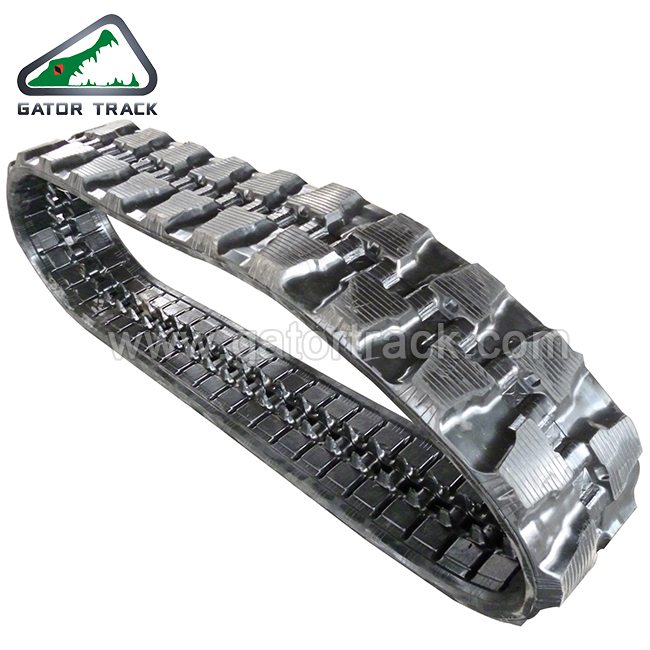
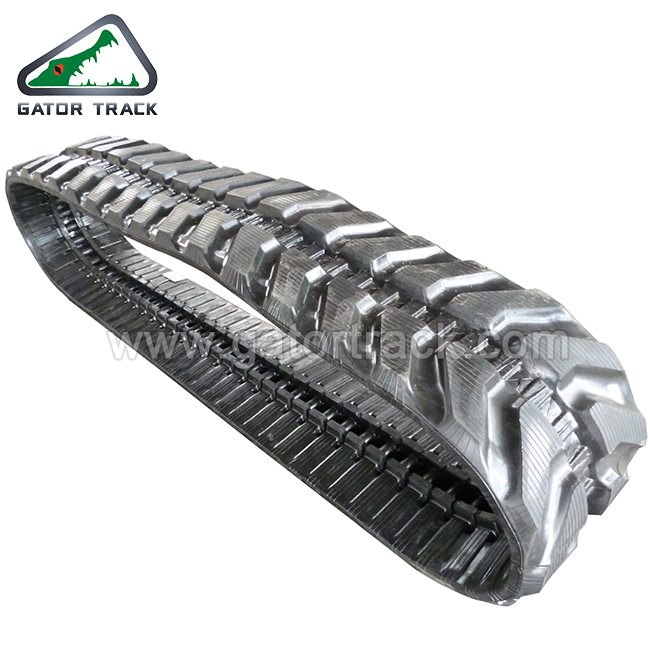
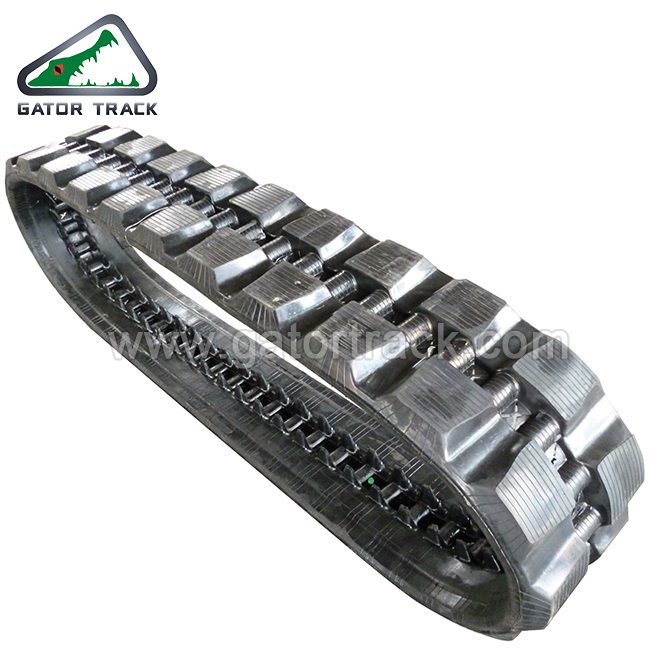
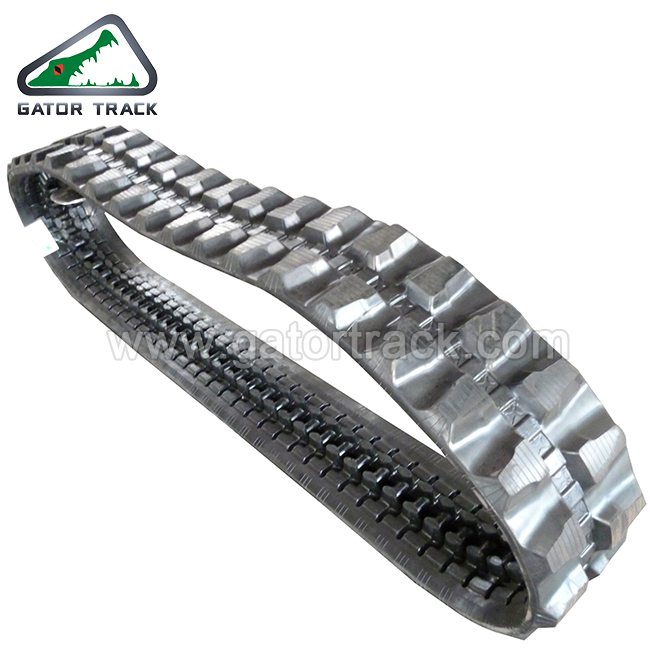
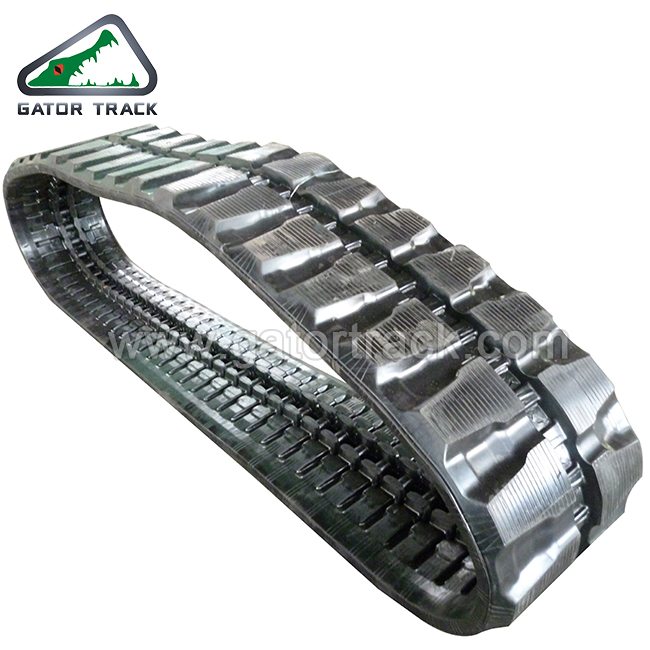
When I think about quality and reliability, I know that rubber tracks for combines to Australia are a crucial investment for farmers. Sourced directly from trusted manufacturers in China, our rubber tracks deliver exceptional performance in various terrains. These tracks are designed to enhance the efficiency of your machinery, providing optimal traction while minimizing soil compaction. I’ve seen how well they handle the demands of Australian agriculture, ensuring you get the most out of your combines. Whether you're in the market for replacement tracks or enhancing your fleet, choosing high-quality rubber tracks can make a difference. With our competitive pricing and durable materials, you'll find that we prioritize both value and performance. Let’s equip your combines with the best—reach out to learn more about how our rubber tracks can help boost your operations today!
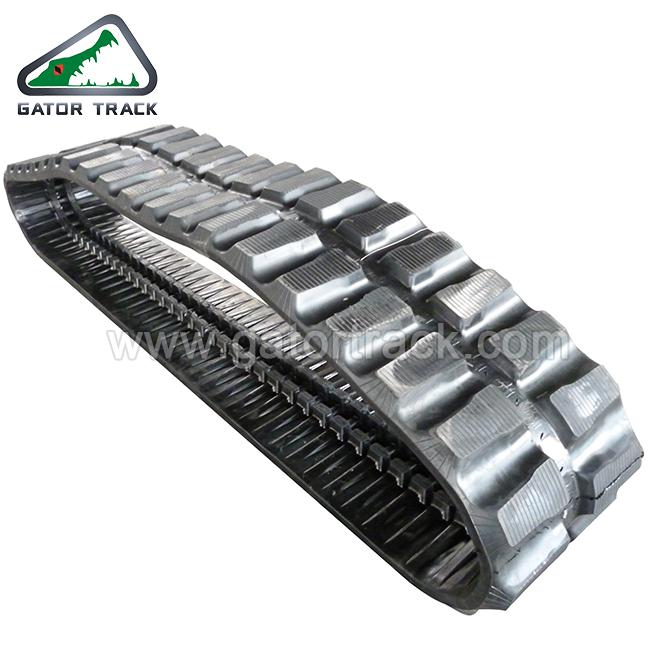
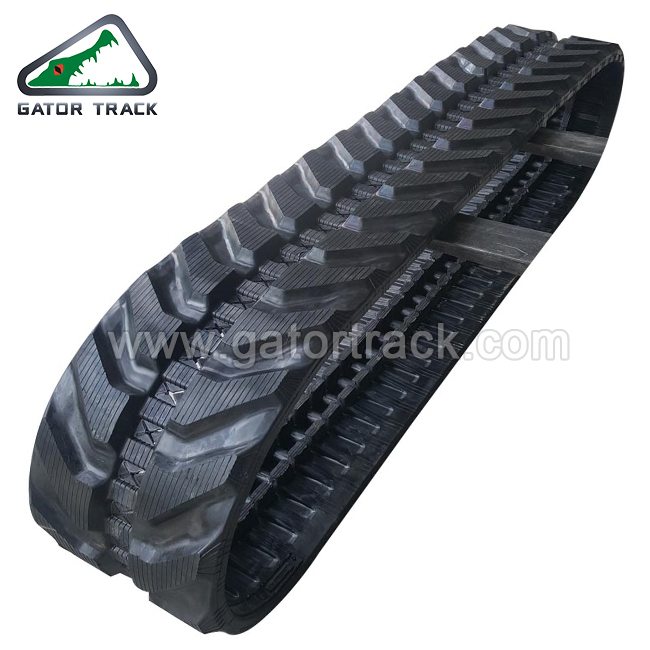
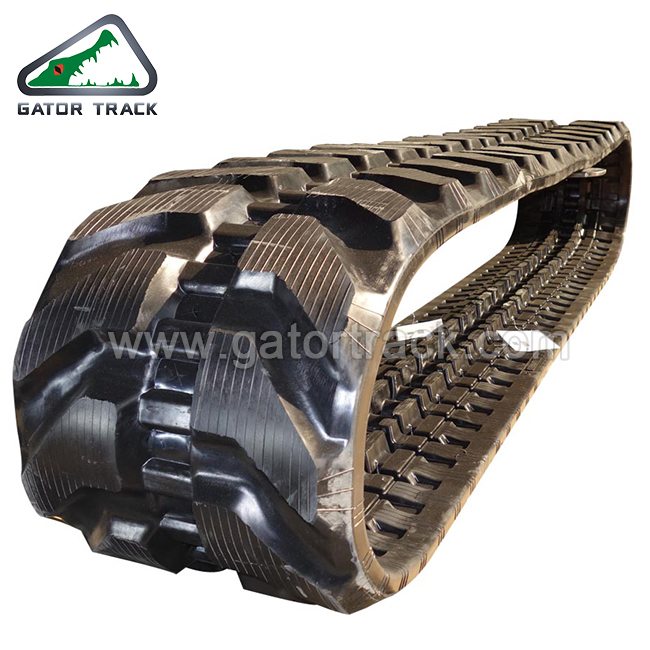
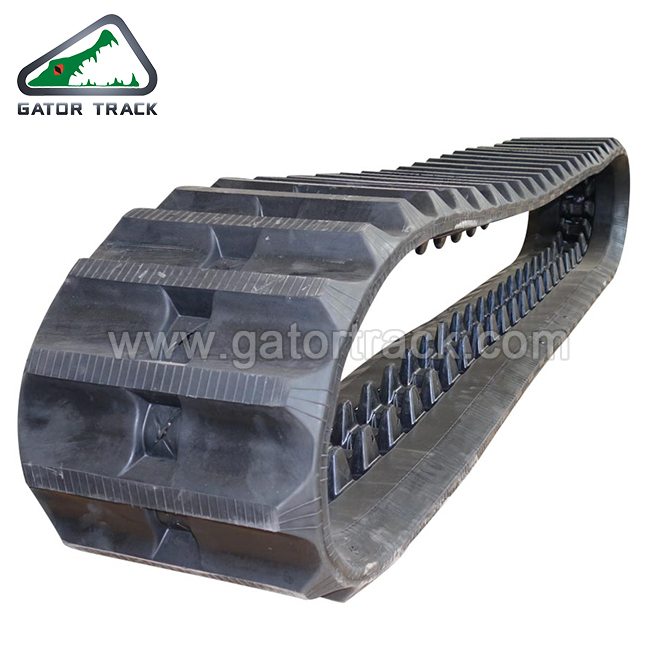
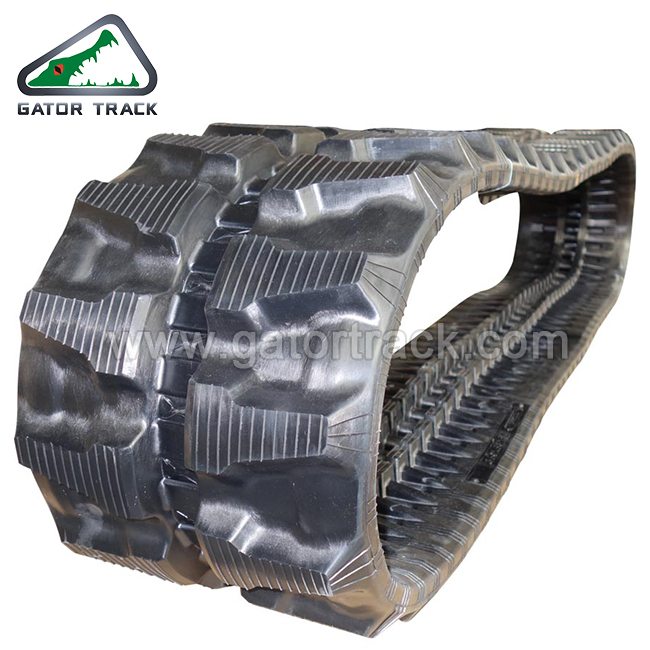
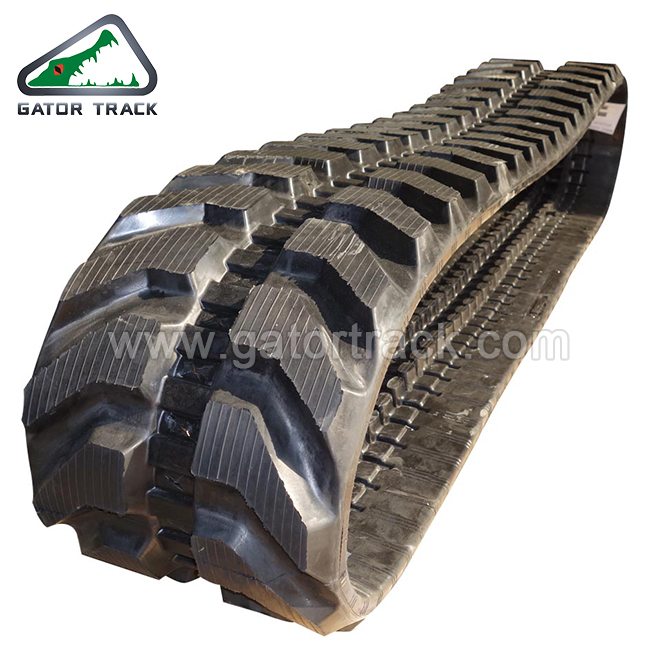
Rubber Tracks For Combines to Australia Factory Winning in 2025
As the agricultural industry continues to evolve, the demand for high-performance machinery in regions like Australia is on the rise. One critical component that enhances the functionality of combines is the rubber track system. In 2025, the focus on innovative rubber tracks tailored for combine harvesters is expected to revolutionize farming practices across various terrains. These advanced rubber tracks provide improved traction, durability, and stability, enabling farmers to operate their machines more efficiently in diverse conditions. The introduction of specialized rubber tracks for combines not only facilitates better crop management but also minimizes soil compaction, leading to healthier soil and improved yield. With a keen understanding of the unique farming environments in Australia, manufacturers are investing in research and development to produce tracks that are both flexible and robust, catering to the specific needs of Australian farmers. This innovation plays a vital role in supporting the agricultural sector’s goal of maximizing productivity while adhering to sustainability principles. As we approach 2025, global procurement specialists will play a pivotal role in sourcing these cutting-edge rubber tracks, ensuring that farmers have access to the best technology available. Collaborations between manufacturers and agricultural stakeholders will be essential in driving these advancements forward, fostering a future where efficiency meets sustainability in farming practices worldwide. Investing in high-quality rubber tracks will not only enhance operational efficiency but also position farmers for long-term success in an increasingly competitive market.
Rubber Tracks For Combines to Australia Factory Winning in 2025
| Dimension | Material | Weight (kg) | Warranty (years) | Applications |
|---|---|---|---|---|
| 500 mm x 1000 mm | Natural Rubber | 80 | 3 | Harvesting, Agriculture |
| 600 mm x 1200 mm | Synthetic Rubber | 90 | 4 | Construction, Forestry |
| 700 mm x 1500 mm | Recycled Rubber | 100 | 5 | Agricultural Equipment |
| 800 mm x 1800 mm | Vulcanized Rubber | 110 | 6 | Milling Machines, Tractors |
Related Products
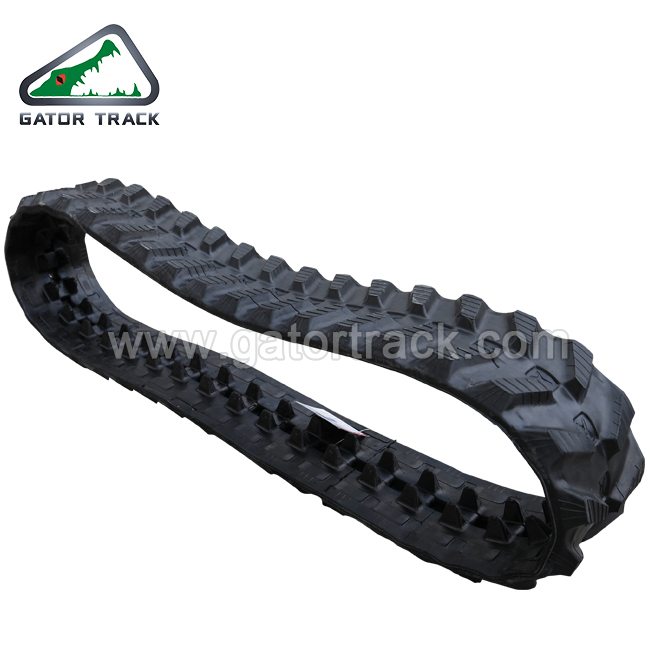
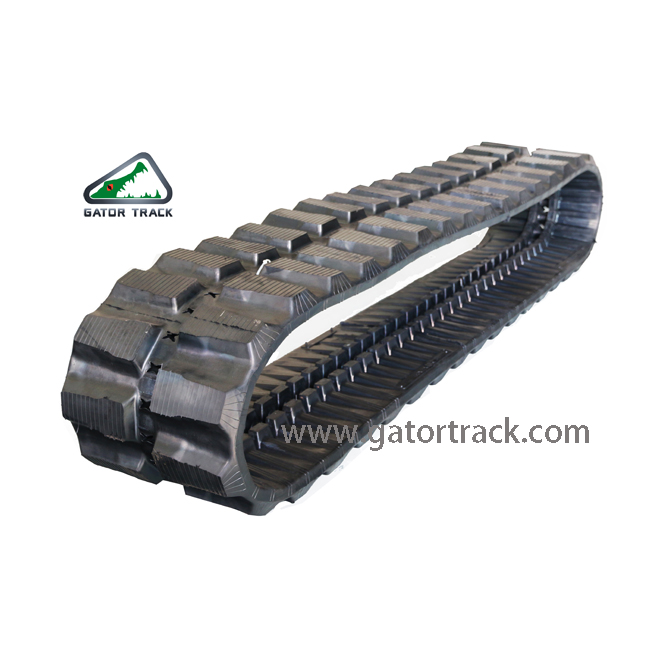

Rubber Tracks For Combines to Australia Stands Out Exceeds Industry Benchmarks
Top Selling Products





- Related Blog
- Reviews
