Skid Loader Tracks Vs Tires: Insights from China Manufacturer
When it comes to choosing between skid loader tracks and tires, I've found that understanding the specific needs of my operation is key. Tracks provide exceptional traction and stability, especially in softer ground conditions, making them ideal for work sites that demand reliability. On the other hand, tires offer better mobility and speed on hard surfaces, which can enhance efficiency on certain jobs. As I source quality equipment, I often look to reputable manufacturers in China who specialize in skid loader parts. Their innovative designs and robust construction ensure that I’m getting the best performance. By weighing the pros and cons of tracks versus tires, I can make informed decisions that maximize productivity while minimizing costs. Choosing the right option truly depends on the terrain and project requirements I face. Whether I need superior grip or faster travel speed, each choice has its benefits.
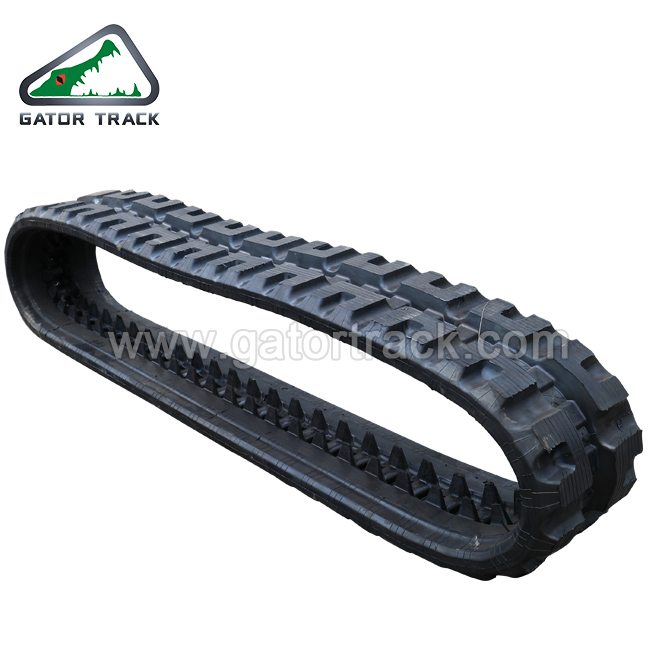
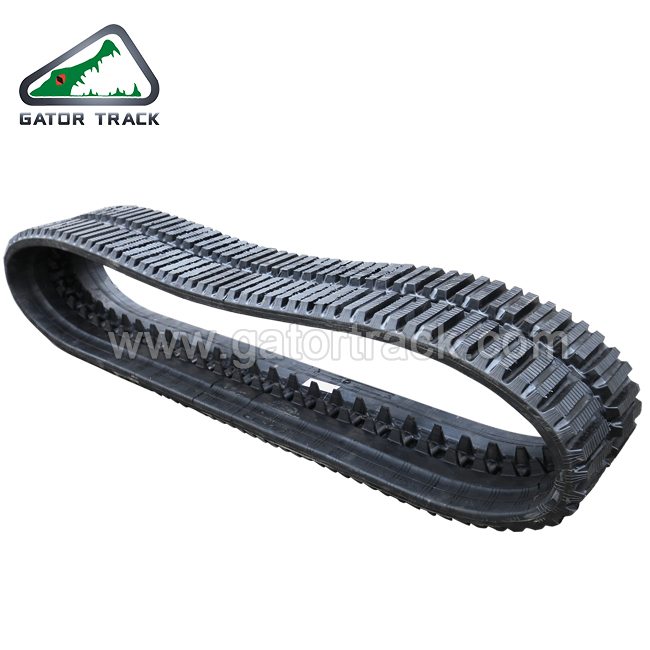
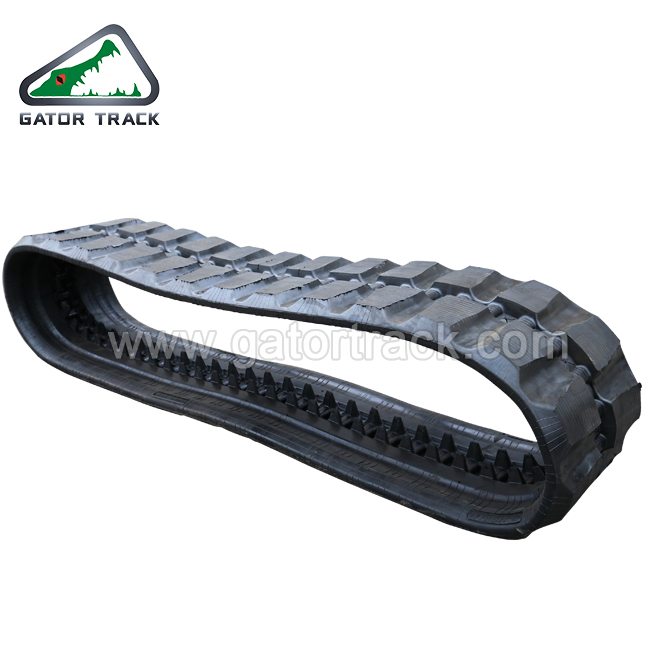
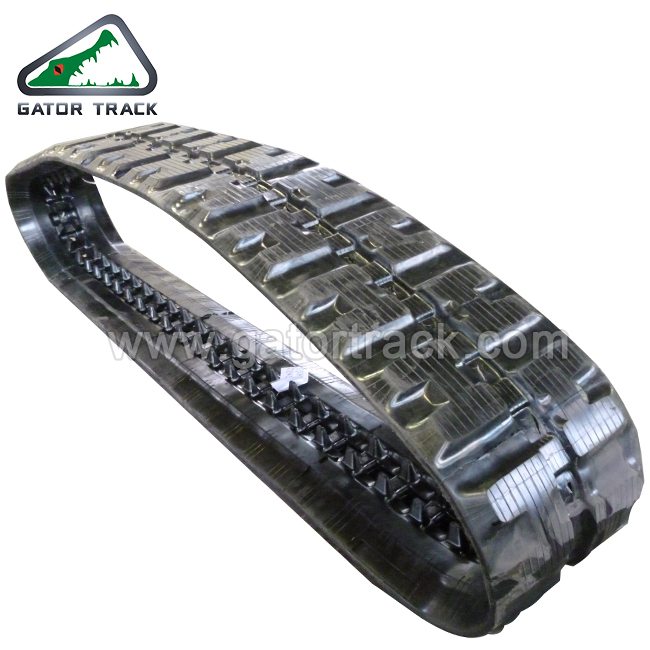
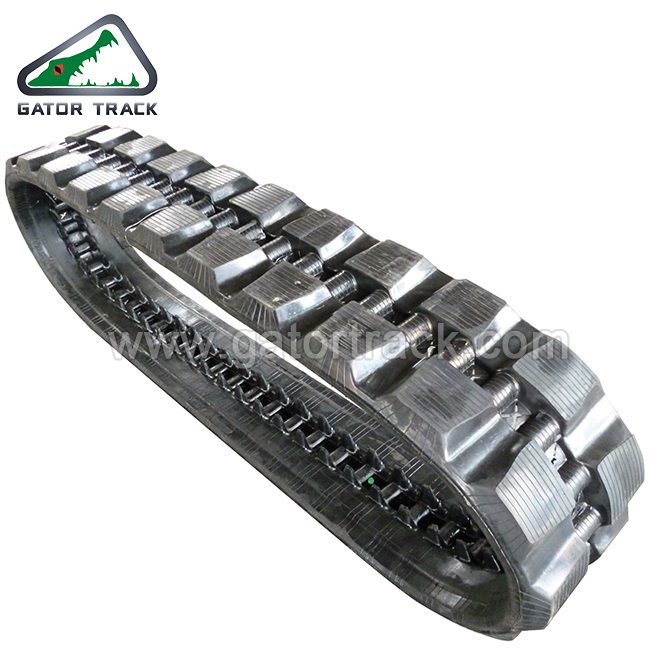
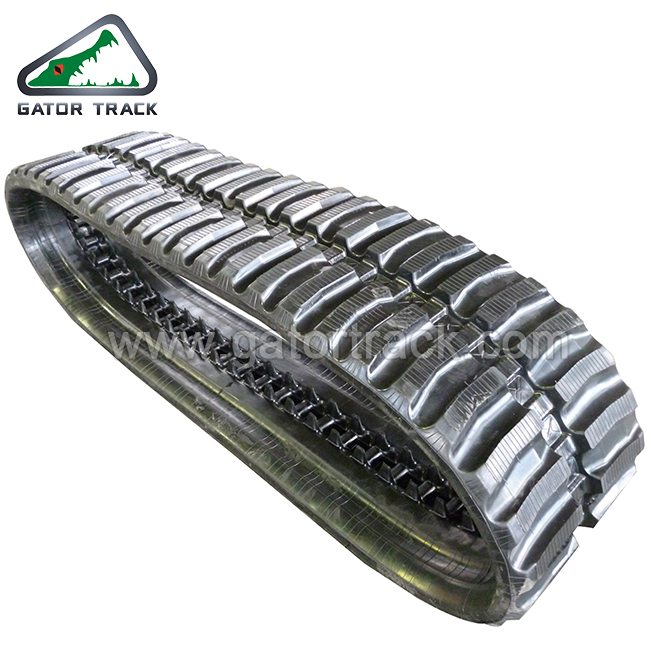
Skid Loader Tracks Vs Tires Stands Out Supplies the World\u2019s Top Brands
When it comes to skid loaders, one of the most crucial decisions buyers face is choosing between tracks and tires. Each option brings unique advantages that cater to different operational needs, making it essential for global procurement managers to understand their characteristics. Tracks offer superior traction, especially in muddy, snowy, or uneven terrains. They distribute the machine's weight more evenly, minimizing ground pressure and reducing the risk of getting stuck. Additionally, tracks can enhance stability, making them ideal for heavy lifting and grading tasks. On the other hand, tires present advantages in terms of speed and maneuverability on hard surfaces. They offer faster travel speeds and lower maintenance costs, making them a practical choice for applications primarily on paved areas. Tires also provide better fuel efficiency, which can significantly impact overall operational costs over time. Understanding the specific requirements of your projects is key when deciding on the best option—consider factors such as terrain, load capacity, and long-term performance costs. As a global supplier, recognizing these unique selling points allows procurement managers to make informed choices that align with their operational goals. Whether your projects demand the robustness of tracks or the efficiency of tires, selecting the right equipment is fundamental to maximizing productivity and ensuring successful project outcomes.
Skid Loader Tracks Vs Tires Stands Out Supplies the World’s Top Brands
| Dimension | Tracks | Tires | Usage | Pros | Cons |
|---|---|---|---|---|---|
| Weight | Heavier | Lighter | Suitable for rough terrain | Better traction | More wear and tear |
| Durability | Higher | Lower | Longer life on harsh surfaces | Resistant to punctures | Heavier maintenance |
| Cost | Higher initial investment | Lower initial investment | Agricultural and construction use | Last longer in severe conditions | Requires specialized equipment |
| Traction | Superior | Standard | Uneven ground and soft soil | Better performance in snow/mud | Aggregates can be challenging |
Related Products

Skid Loader Tracks Vs Tires Trusted by Pros Where Service Meets Innovation
Top Selling Products


- Related Blog
- Reviews
