Skid Steer Rubber Vs Steel Tracks: A Guide from China Manufacturers
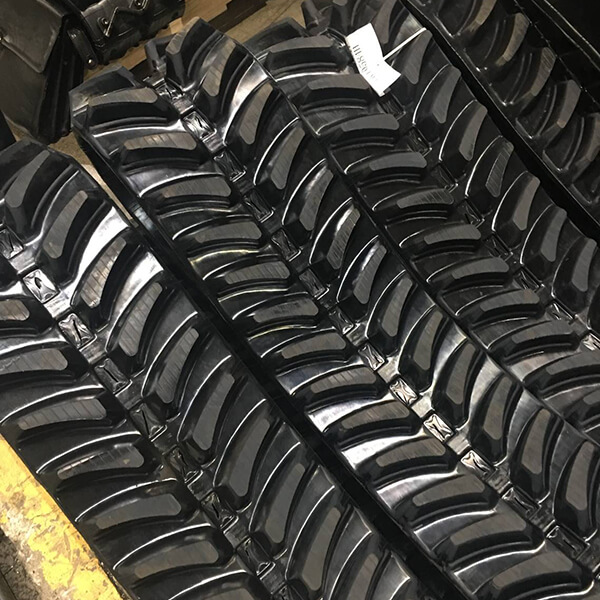
When it comes to choosing between skid steer rubber and steel tracks, I know how crucial it is to make an informed decision for your operations. I’ve explored various options to help you weigh the benefits of each. Rubber tracks typically offer superior grip on softer terrains and are easier on your equipment. On the other hand, steel tracks are designed for durability and enhanced performance on rough terrain, making them a valuable choice for heavy-duty applications. Our products, sourced directly from a reputable manufacturer in China, ensure top-notch quality and performance that meets the demands of your projects. You'll benefit from advanced technology and materials designed for longevity and efficiency. Whichever track you choose, you're investing in reliable performance that can help maximize your productivity in the field. Let’s make sure you have the right equipment for your needs!
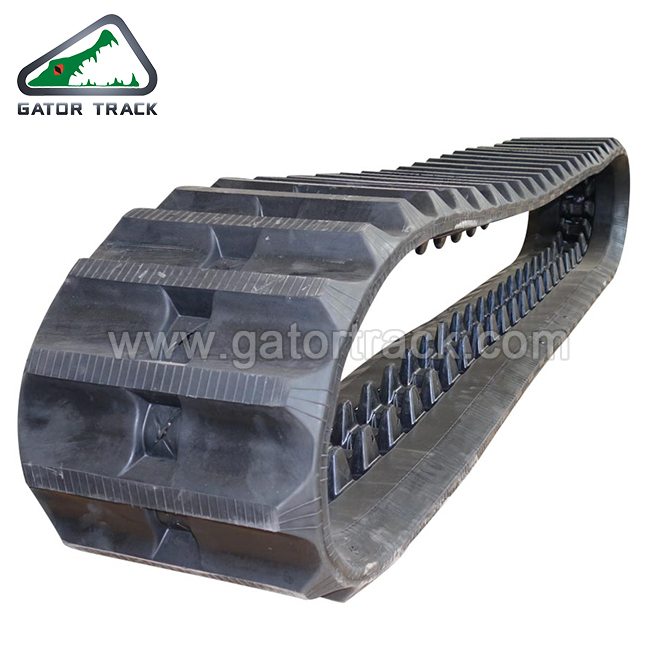
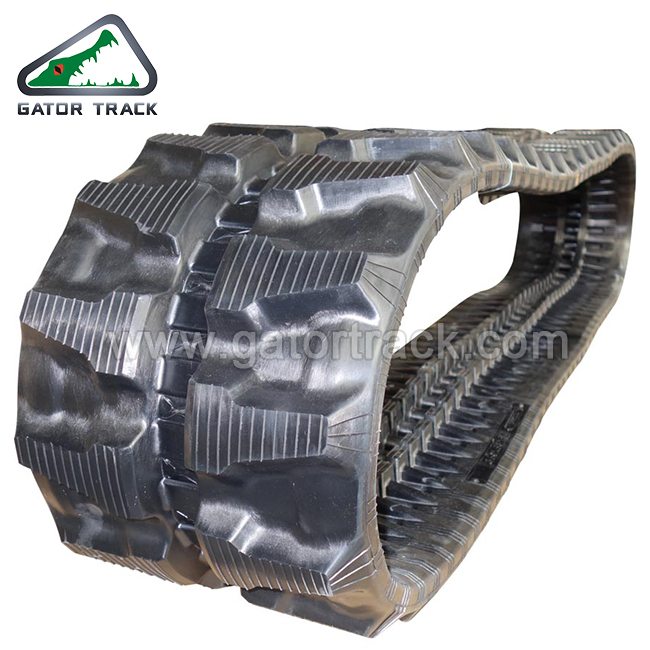
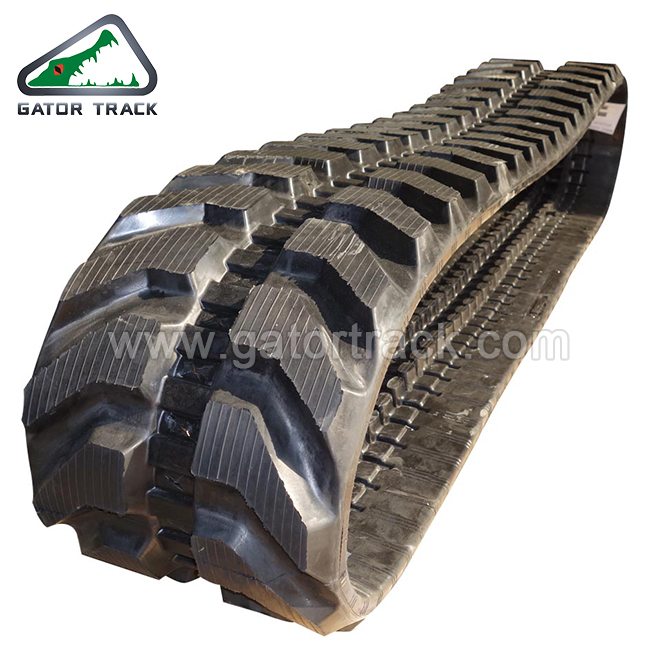
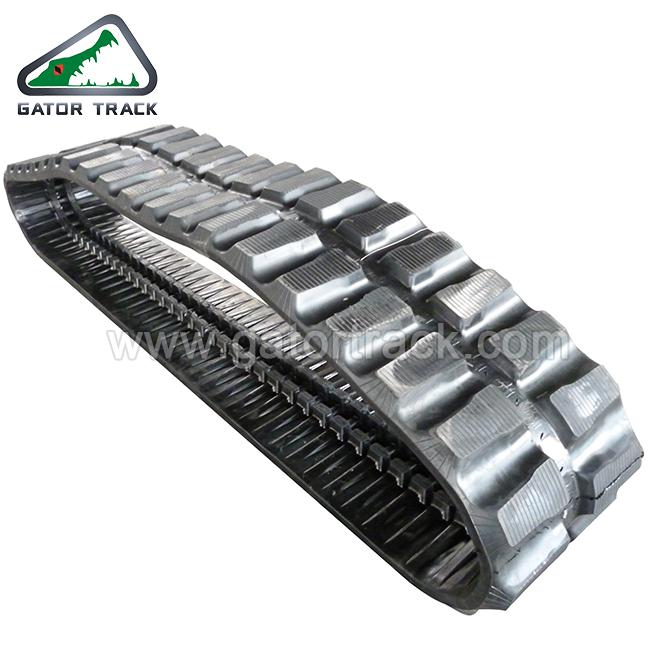
Skid Steer Rubber Vs Steel Tracks in 2025 Trusted by Pros
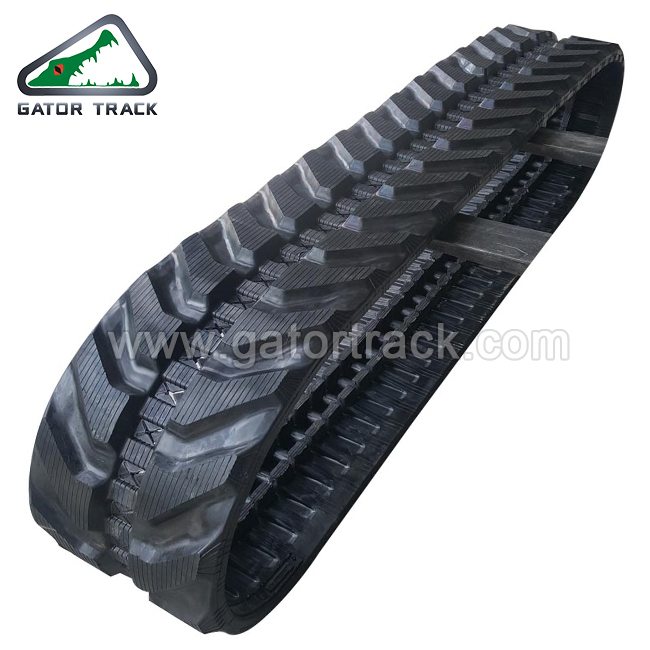
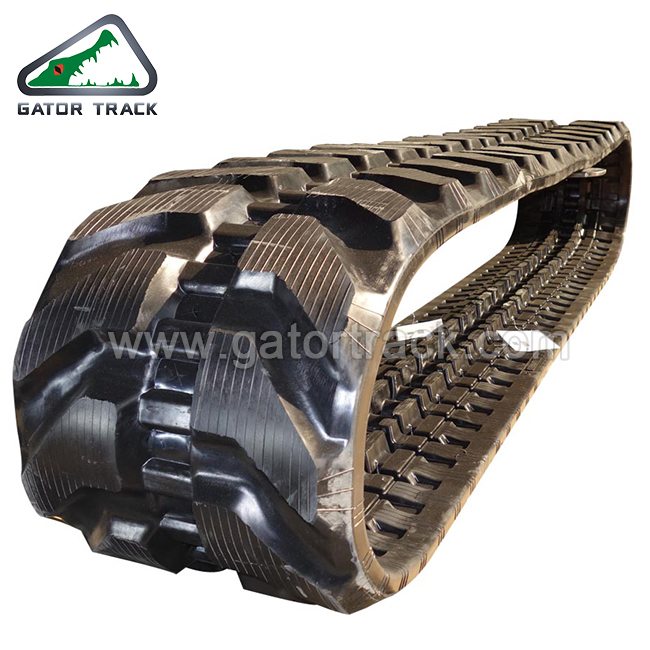
In the construction and landscaping industries, the choice between rubber and steel tracks for skid steers has become a pivotal consideration for professionals seeking enhanced performance and durability. As we look toward 2025, the trend indicates a growing preference for rubber tracks, primarily due to their superior ground protection and reduced machine weight. These tracks excel on softer terrains, minimizing soil compaction and ensuring longer operational hours without damaging the underlying surface. Moreover, advancements in rubber technology have led to the development of robust, puncture-resistant materials that extend the lifespan of these tracks, making them a reliable option for various applications. Conversely, steel tracks are favored in more rugged environments where traction and durability against harsh conditions are paramount. In 2025, we will likely see innovative designs that incorporate lightweight steel tracks, blending the strength of steel with the agility and comfort of rubber. This hybrid approach may cater to the evolving needs of operators who require the best of both worlds—traction when it’s needed and protection of the work surface, thereby enhancing overall operational efficiency. As global procurement continues to evolve, decision-makers must weigh the advantages of both options carefully. By staying informed about these trends and exploring versatile track solutions, operators can ensure they are making the best investment for their machinery and projects in the years to come. Whether your focus is on ground protection or heavy-duty performance, understanding the evolving landscape of skid steer tracks will be essential for achieving success in your operations.
Skid Steer Rubber Vs Steel Tracks in 2025 Trusted by Pros
| Track Type | Weight Capacity (lbs) | Traction Rating | Durability (Years) | Cost-Efficiency | Best Use Cases |
|---|---|---|---|---|---|
| Rubber Tracks | 2500 | High | 3-5 | Moderate | Pavement, Soft Soil |
| Steel Tracks | 3000 | Very High | 8-10 | Low | Rough Terrain, Heavy Loads |
| Hybrid Tracks | 2750 | Medium | 5-7 | Moderate | Versatile Environments |
Related Products
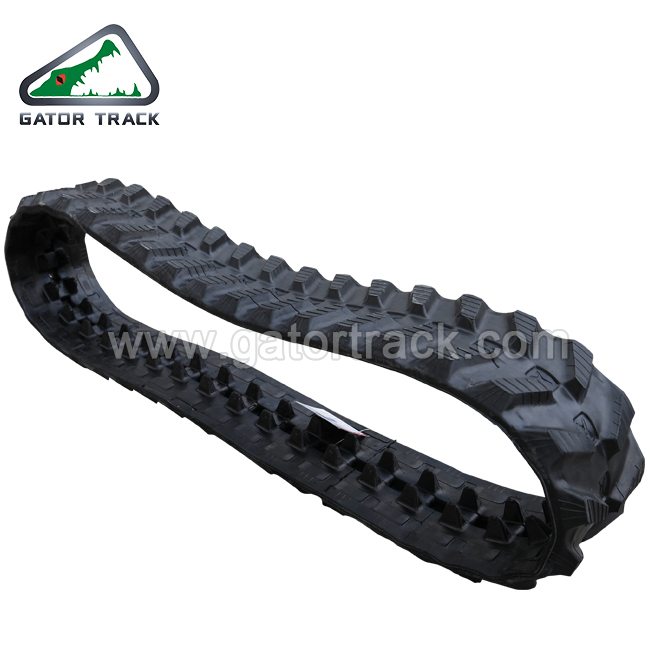
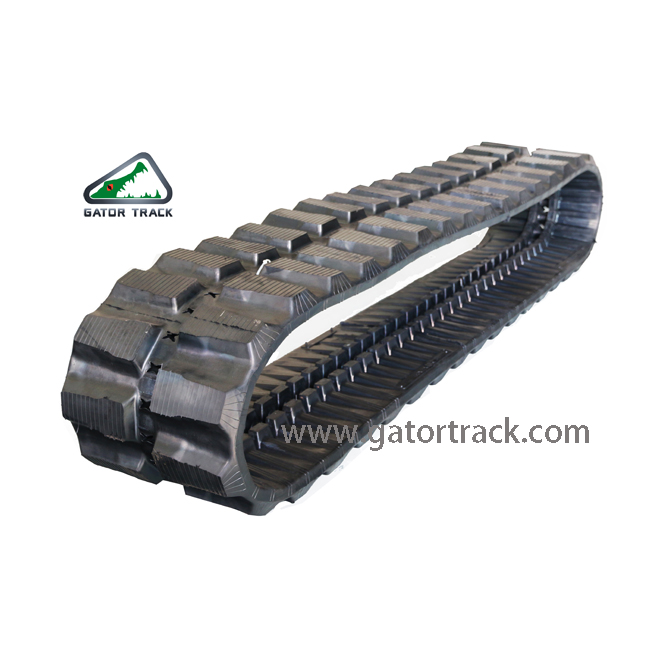
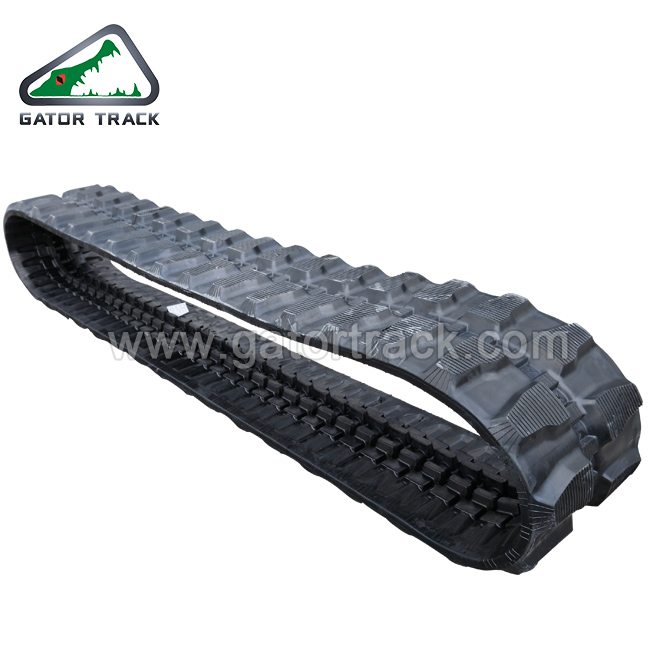

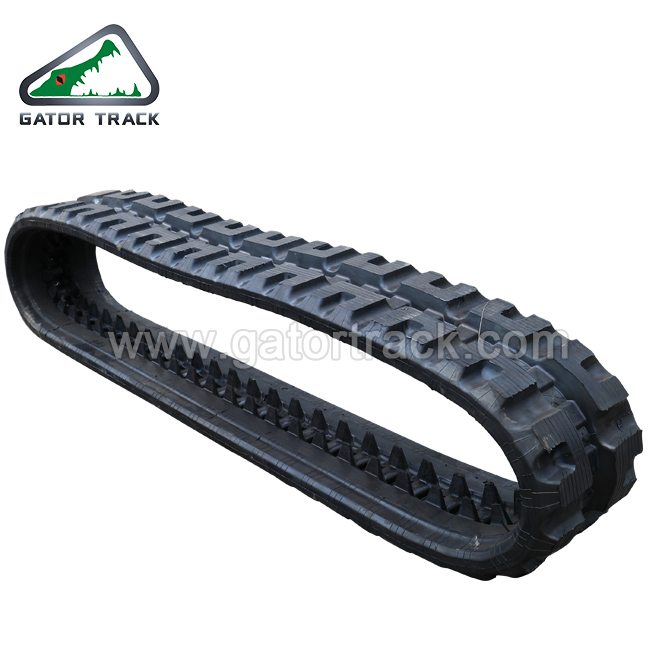
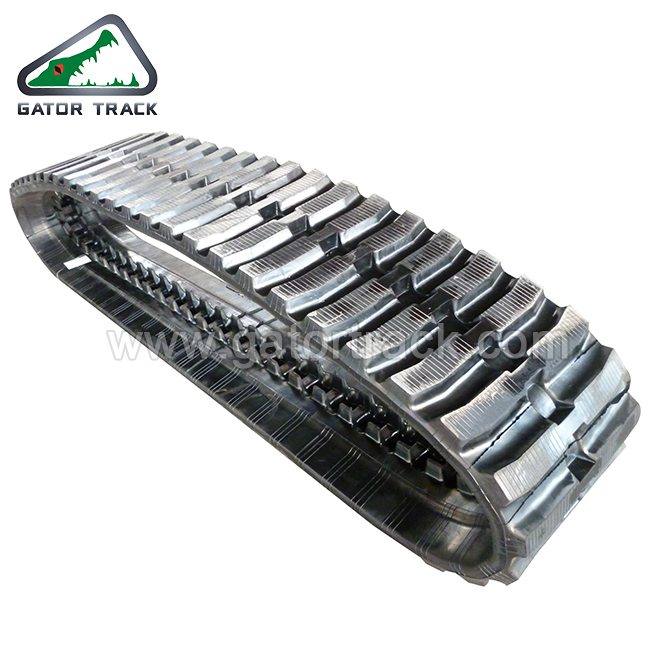
Skid Steer Rubber Vs Steel Tracks Now Trending Where Innovation Meets 2025
Top Selling Products
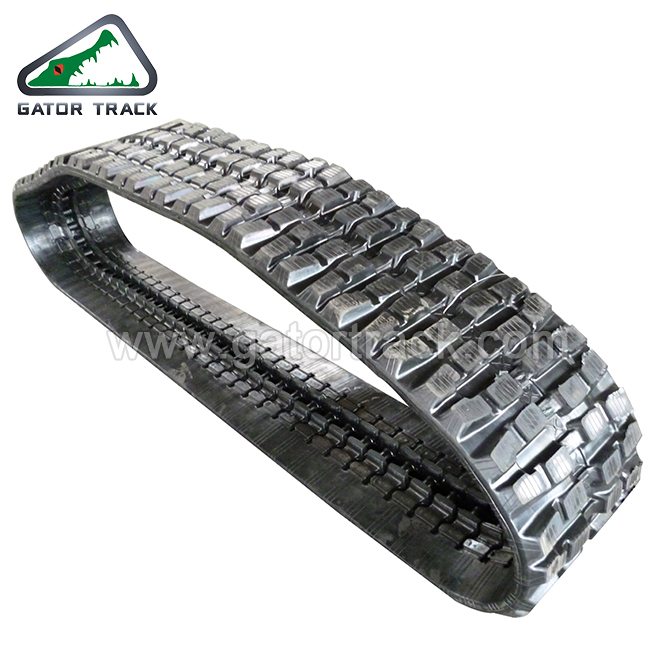

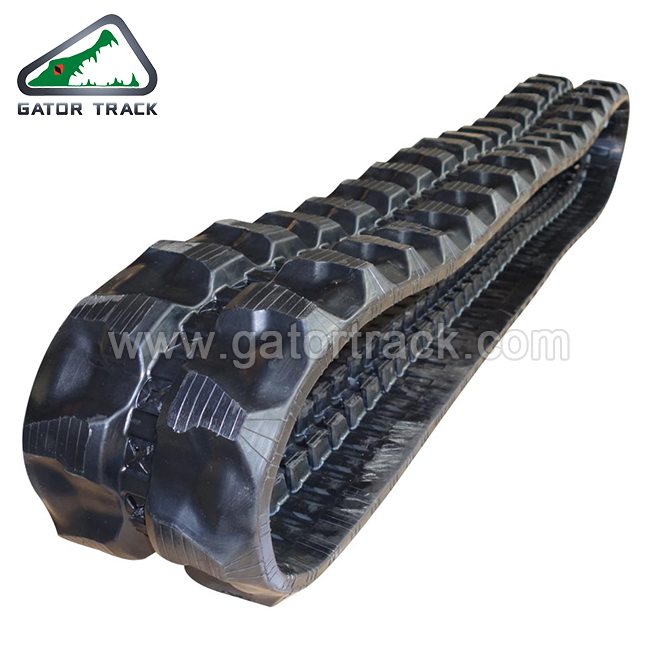




- Related Blog
- Reviews
