Track Vs Tire Skid Steer: China Manufacturer Insights and Comparisons
When considering a skid steer, I often find myself weighing the pros and cons of track vs. tire options. Tracks provide better traction on uneven terrain, making them ideal for construction and landscaping tasks in challenging conditions. On the other hand, tires offer enhanced speed and maneuverability on solid surfaces. As a manufacturer based in China, we've recognized the diverse needs of B2B purchasers like you, which is why we offer a selection that suits various applications. Our durable tracks ensure you can work efficiently in muddy or loose grounds, while our robust tires are perfect for hard surfaces, minimizing wear and tear. By understanding the impact of these choices on productivity and cost-effectiveness, I’m confident you’ll find the right equipment for your business needs. Let’s elevate your operations with the best fit—track or tire, we’ve got you covered!
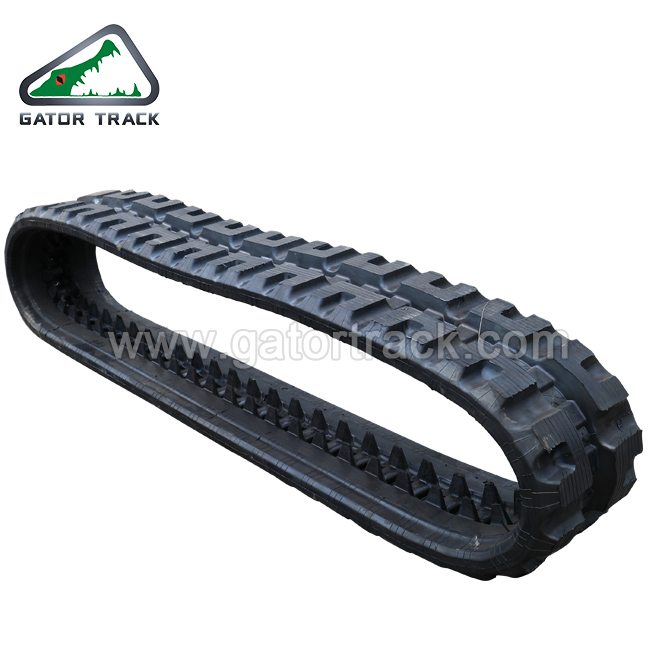
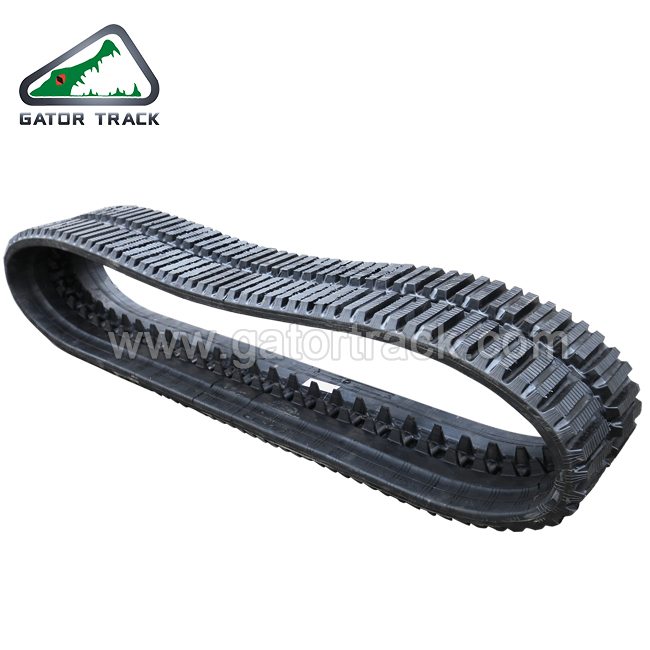
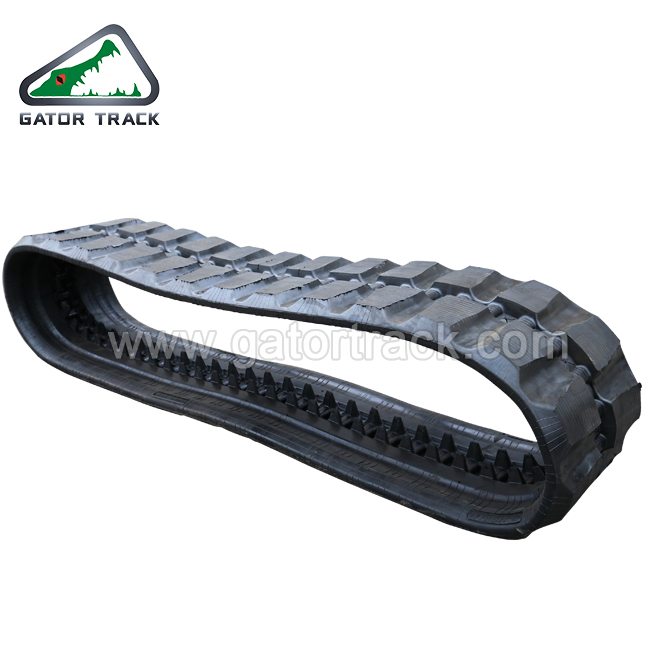
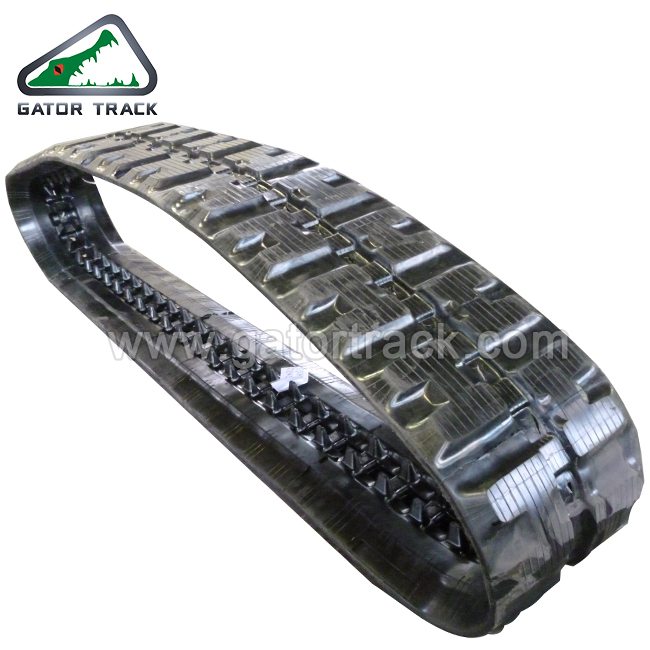
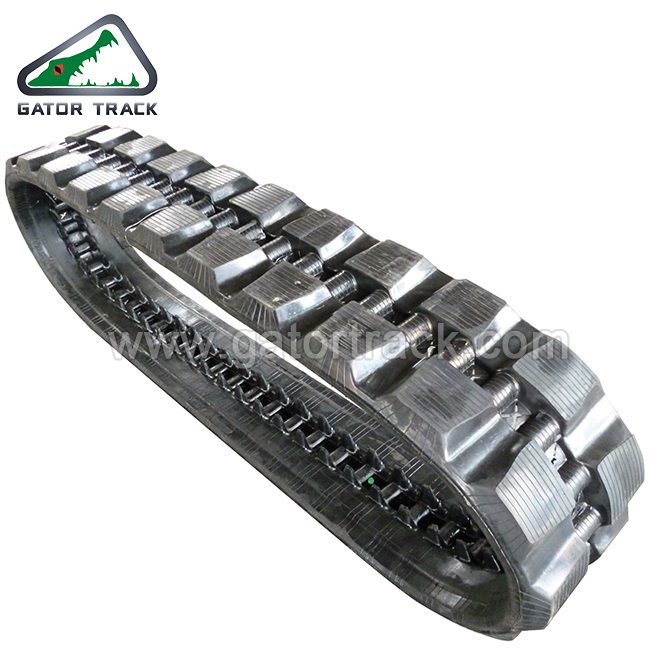
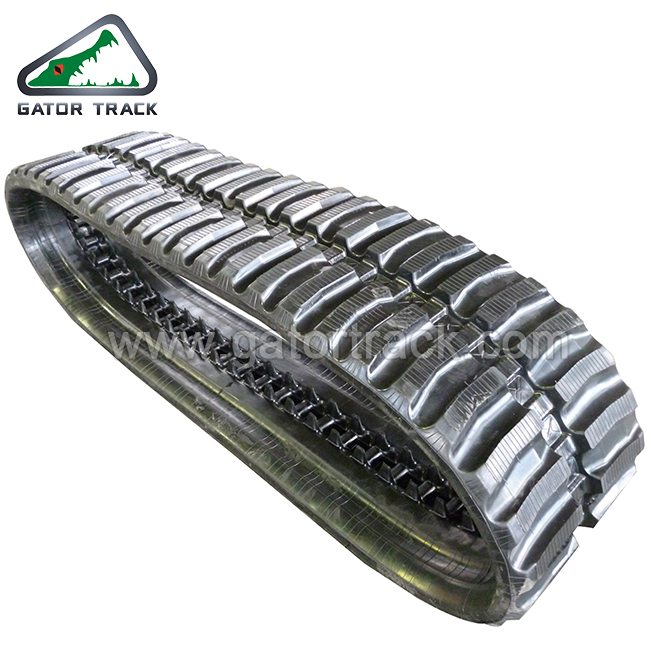
Track Vs Tire Skid Steer in 2025 Delivers Unmatched Quality
In 2025, the construction and landscaping industries are at a pivotal point, with advancements in machinery design leading the way. Two popular choices among operators—track and tire skid steers—present unique advantages tailored to their specific applications. Track skid steers have become increasingly prominent for their superior stability and traction on uneven terrains, making them ideal for heavy-duty work in mud, snow, or gravel. The design innovation ensures enhanced weight distribution, allowing for smoother operation on soft ground, which can reduce soil compaction and improve productivity. On the other hand, tire skid steers continue to offer unmatched versatility for indoor and paved applications. Their agility and speed provide operators with the ability to navigate tight spaces with ease, making them well-suited for landscaping projects and urban construction. Additionally, advancements in tire technology enhance performance, promising better grip and durability for prolonged use. As businesses look to optimize their operations, choosing between track and tire skid steers will hinge on the specific needs of their projects, with an emphasis on productivity, efficiency, and operational costs. The ongoing evolution in skid steer technology presents global procurement professionals with a wealth of options to consider. Investing in equipment that aligns with project demands while prioritizing quality and reliability can lead to significant cost savings and operational efficiency. As we move forward, understanding the nuances between track and tire skid steers will empower businesses to make informed decisions that drive success in an increasingly competitive market.
Track Vs Tire Skid Steer in 2025 Delivers Unmatched Quality
| Feature | Track Skid Steer | Tire Skid Steer |
|---|---|---|
| Traction | Excellent on soft and uneven terrain | Good on firm surfaces |
| Stability | High stability due to larger surface area | Moderate stability, more prone to tipping |
| Fuel Efficiency | Lower due to heavier weight | Higher efficiency with lighter construction |
| Operating Cost | Higher maintenance costs | Lower maintenance costs |
| Versatility | High versatility in rugged environments | Moderate versatility, better on roads |
| Lifespan | Longer lifespan with proper care | Shorter lifespan under harsh conditions |
Related Products
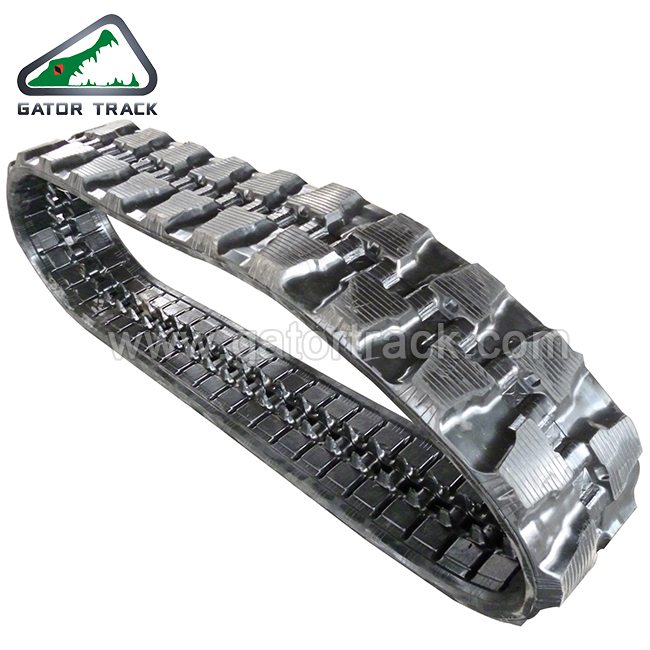
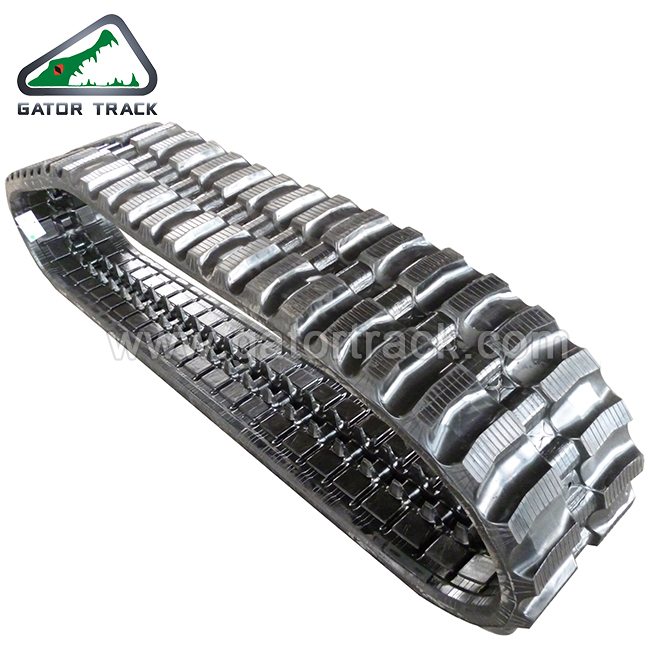
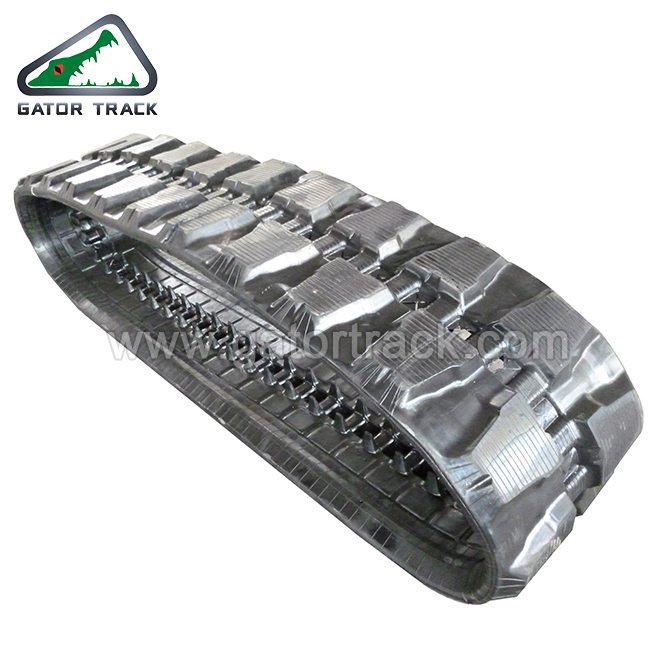

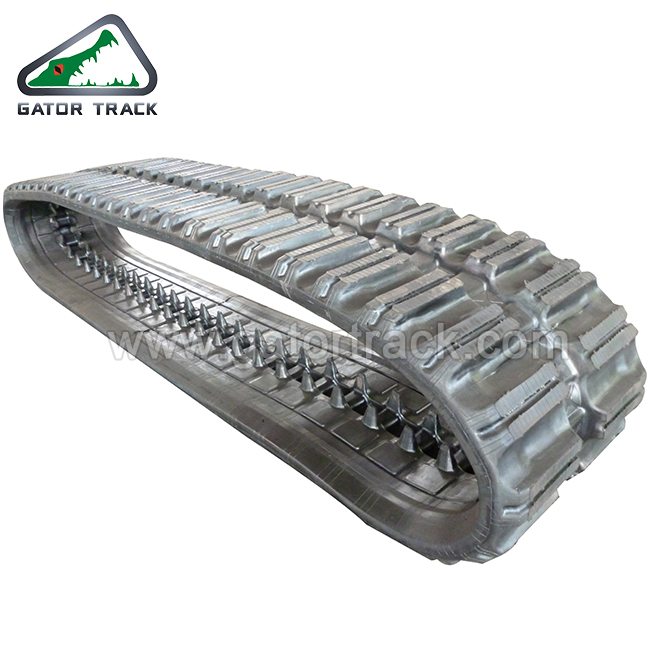

Track Vs Tire Skid Steer Delivers Unmatched Quality Winning in 2025
Top Selling Products





- Related Blog
- Reviews
