Track Vs Wheeled Skid Steer: A Guide for China Manufacturers
When it comes to choosing a skid steer, understanding the differences between track and wheeled options is key for making the right investment. As a seasoned buyer, I’ve seen the benefits of both types firsthand. Track skid steers excel in muddy or uneven terrain, providing better stability and flotation, while wheeled skid steers are fantastic for paved surfaces and quick maneuverability. If you’re sourcing from a reliable manufacturer in China, it’s important to consider durability and service support. I've experienced manufacturers who truly understand the needs of B2B purchasers—tailoring machines for specific industries and requirements. Their commitment to quality ensures that both track and wheeled skid steers meet high standards. Investing in the right equipment enhances efficiency and productivity. Whether you prioritize terrain adaptability or speed on hard surfaces, knowing the advantages of each can direct you to the best fit for your projects. Quality Chinese manufacturers are ready to support your needs and provide solutions that resonate with your business goals.
Track Vs Wheeled Skid Steer Factory Your End-to-End Solution
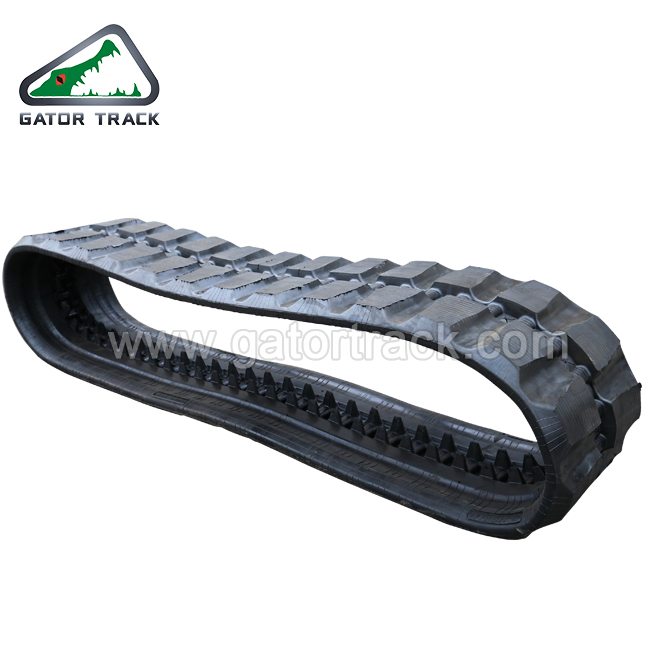
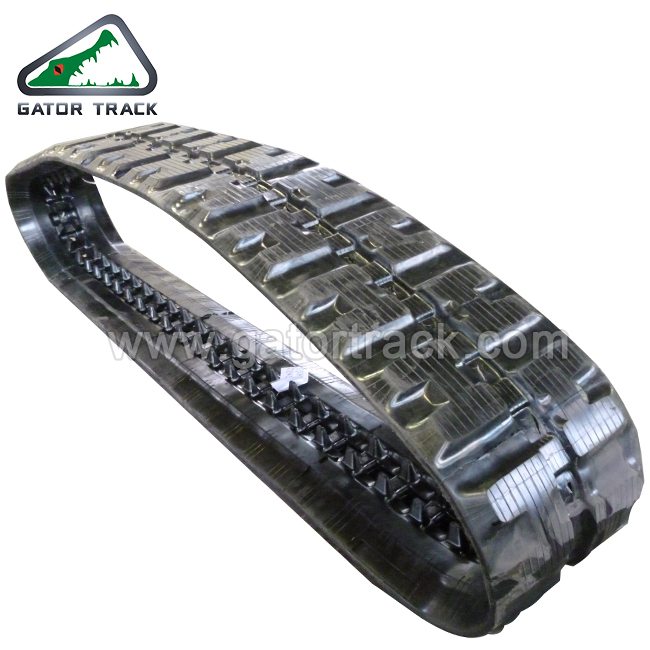
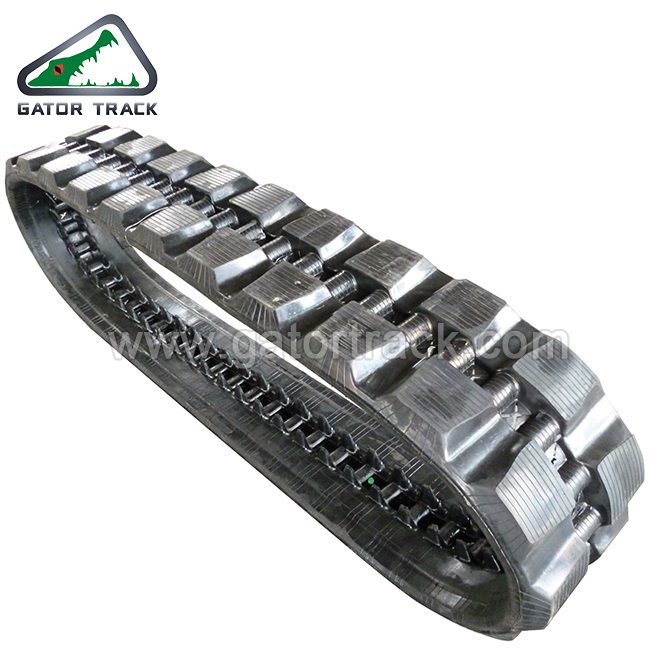
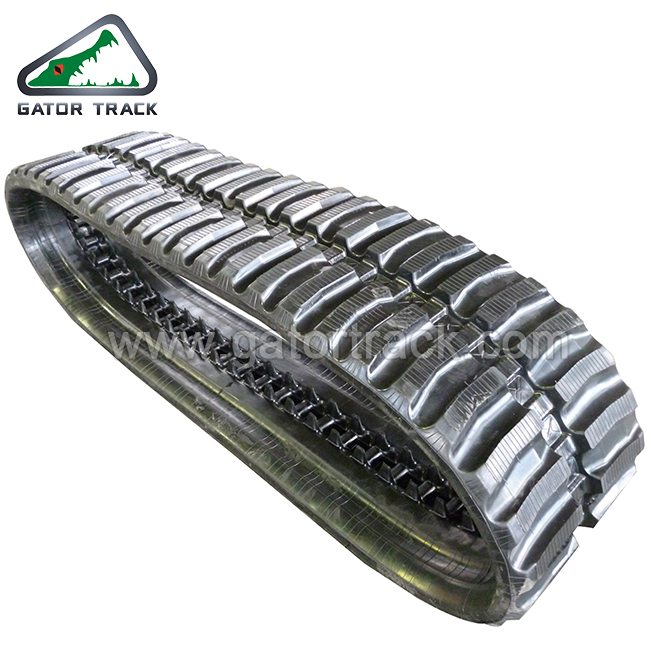
When it comes to selecting the right machinery for your construction or agricultural needs, the choice between track and wheeled skid steers is crucial. Both options offer unique advantages that can significantly impact productivity and efficiency in various applications. Track skid steers, for instance, provide superior traction and stability on uneven or loose surfaces, making them ideal for muddy job sites or rugged terrains. Their ability to distribute weight more evenly means they can traverse delicate ground without causing damage, which is a vital consideration for environmental sustainability. On the other hand, wheeled skid steers excel in urban settings and areas with solid, stable surfaces. Their faster travel speeds and tighter turning radii make them highly maneuverable, allowing for quick transfers between job sites or different tasks within a project. Additionally, wheeled skid steers often come with lower maintenance costs compared to their tracked counterparts, making them a budget-friendly option over time. Ultimately, the decision between track and wheeled skid steers should align with your specific operational needs. Both options offer end-to-end solutions designed to enhance performance, reduce downtime, and improve overall workflow. Evaluating your project requirements and understanding the unique benefits of each type will empower you to make an informed decision that drives efficiency and productivity in your operations.
Track Vs Wheeled Skid Steer Factory: Your End-to-End Solution
| Model | Type | Engine Power (hp) | Operating Weight (lbs) | Maximum Lift Capacity (lbs) | Lift Height (ft) | Hydraulic Flow (gpm) |
|---|---|---|---|---|---|---|
| Model A | Tracked | 70 | 4200 | 2000 | 10 | 20 |
| Model B | Wheeled | 75 | 4500 | 2200 | 12 | 18 |
| Model C | Tracked | 80 | 4600 | 2500 | 11 | 22 |
| Model D | Wheeled | 85 | 4800 | 2400 | 13 | 19 |
Related Products


Track Vs Wheeled Skid Steer Market Leader Now Trending
Top Selling Products



- Related Blog
- Reviews
