
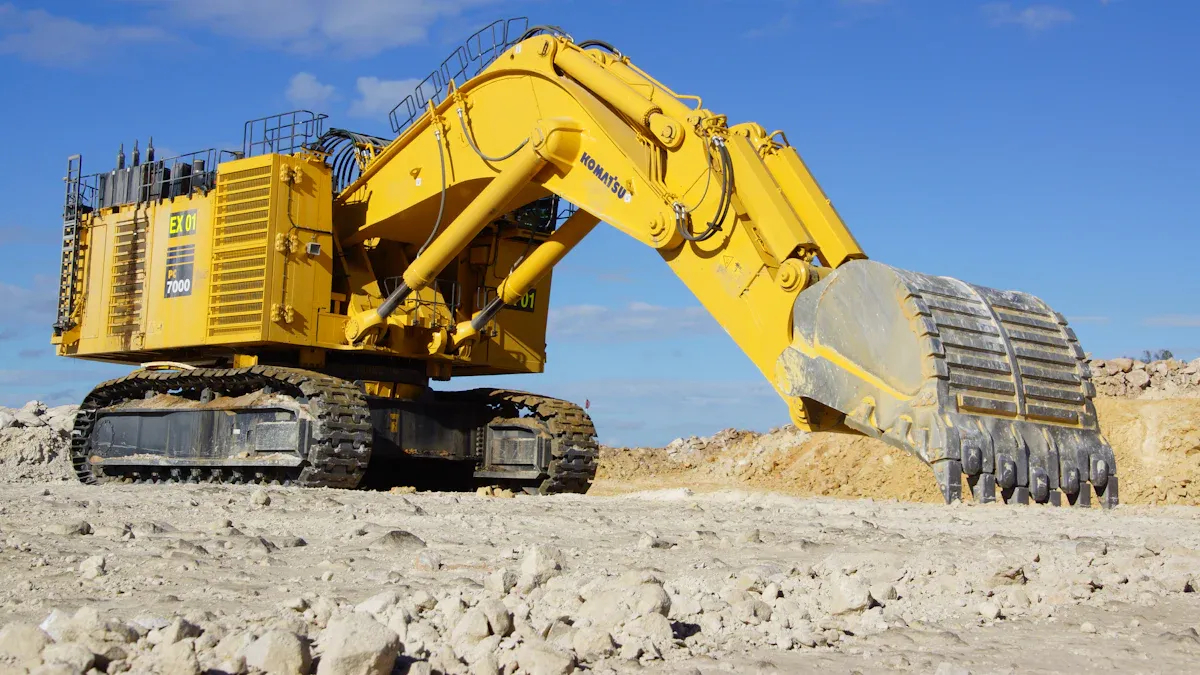
Durable rubber tracks play a vital role in enhancing the performance of mini diggers. Their robustness directly influences machine uptime, leading to a 10% increase in operational efficiency. Investing in high-quality rubber tracks tailored for diggers can significantly lower maintenance costs by 15%. This cost-effectiveness makes them an essential component for any construction or landscaping project.
Key Takeaways
- Rubber tracks enhance traction and stability, improving performance on various terrains. This leads to increased productivity on job sites.
- Investing in high-quality rubber tracks can lower maintenance costs by 15%, making them a cost-effective choice for construction and landscaping projects.
- Regular inspections and proper cleaning techniques are crucial for extending the lifespan of rubber tracks, ensuring reliable performance and safety.
Benefits of Rubber Tracks Tailored for Diggers
Enhanced Traction
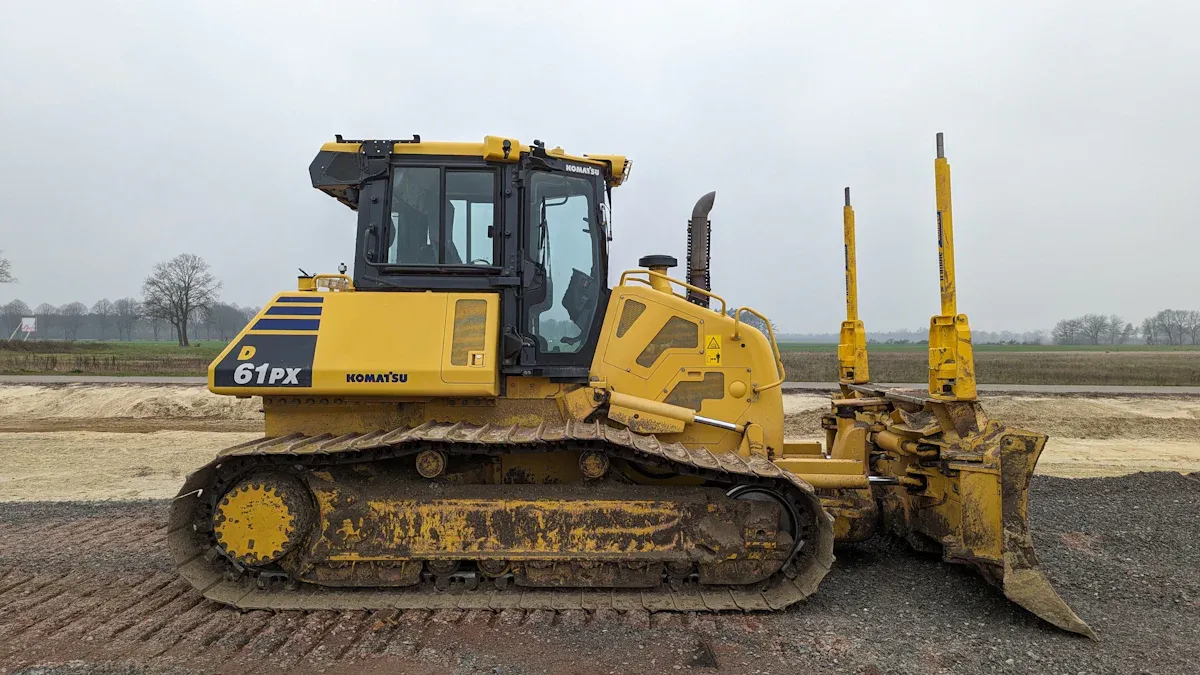
Rubber tracks tailored for diggers significantly improve traction compared to standard tracks. This enhancement allows mini diggers to operate effectively on various terrains. Different track patterns contribute to this benefit:
| Track Pattern | Benefits | Best Use Cases |
|---|---|---|
| Self-Cleaning Patterns | Eject mud and debris to maintain traction and prevent bogging down. | Muddy conditions |
| Load Distribution Patterns | Spread weight evenly to minimize ground pressure and reduce soil compaction. | Landscaping, agriculture |
| Multi-Bar Lug Patterns | High-performance traction in wet conditions, extending performance life. | Muddy, wet conditions |
| Zig-Zag Patterns | Improved cleanout and reduced sliding, ideal for snow removal and wet sites. | Snow removal, excessively wet conditions |
These tailored rubber tracks ensure that diggers maintain grip, even in challenging environments. This capability leads to increased productivity and efficiency on the job site.
Reduced Ground Damage
Rubber tracks are beneficial in reducing ground pressure, which is crucial in applications like agriculture and landscaping. They distribute the weight of the vehicle over a larger area, thereby minimizing soil compaction and protecting sensitive surfaces such as turf. This feature is particularly important when working in delicate environments. For instance, machinery equipped with rubber tracks minimizes impact on fragile surfaces, making them ideal for sensitive landscaping tasks.
Improved Stability
Stability is another key advantage of rubber tracks tailored for diggers. These tracks enhance grip on various terrains, which leads to improved operator confidence and safety. The following table summarizes the benefits of improved stability:
| Benefit | Description |
|---|---|
| Improved Traction | Rubber tracks enhance grip on various terrains. |
| Reduced Machine Wear | Tailored tracks minimize wear and tear on machinery. |
| Increased Operator Efficiency | Customization leads to better performance and ease of use. |
With better stability, operators can navigate uneven surfaces with ease. This feature not only enhances safety but also contributes to a smoother ride, reducing operator fatigue during extended use.
Factors to Consider When Choosing Rubber Tracks
Compatibility with Mini Diggers
When selecting rubber tracks tailored for diggers, compatibility is crucial. Each mini digger model has specific requirements for track size and fit. A mismatch can lead to several issues. For example, if the track width or pitch length does not align with the digger’s specifications, it can cause premature wear.
Here are some common compatibility issues to consider:
| Compatibility Issue | Description |
|---|---|
| Size and Fit | Mini excavators have specific track widths and pitch lengths; slight differences can cause wear. |
| Guide Type | Some models require specific guide patterns; using the wrong type can lead to alignment issues. |
| Rubber Compound Quality | Tracks vary in quality; inferior materials can lead to quick wear and costly replacements. |
| Model-Specific Variations | Different models from the same brand may have unique track requirements, necessitating careful checks. |
Ensuring that the rubber tracks match the digger’s specifications will enhance performance and extend the lifespan of both the tracks and the machinery.
Material Quality
The quality of the rubber material significantly impacts the lifespan and performance of digger tracks. High-quality rubber compounds are engineered to withstand harsh conditions, resist wear, and maintain traction. For instance, certain rubber compounds are specifically designed to endure the heat and abrasive conditions found in asphalt paving. This engineering helps prevent premature wear and ensures effective operation.
Investing in tracks made from superior materials can lead to longer service life and improved machinery performance. Operators should prioritize tracks that offer durability and reliability, as these factors directly influence operational efficiency.
Track Width and Length
Track width and length are essential factors when choosing rubber tracks tailored for diggers. The right dimensions ensure optimal performance and stability. Wider tracks provide better weight distribution, reducing ground pressure and minimizing soil compaction. This feature is particularly beneficial in sensitive environments, such as landscaping projects.
On the other hand, the length of the tracks affects the digger’s maneuverability. Longer tracks can enhance stability on uneven surfaces, while shorter tracks may allow for greater agility in tight spaces. Operators should assess their specific needs and working conditions to determine the best track dimensions for their mini diggers.
Improper selection of rubber tracks can lead to various performance issues. Worn parts can cause problems such as de-tracking, high levels of vibration, and excessive wear. If there is excessive wear on any of these components, they should be changed out, as they will adversely affect the performance and life of the tracks.
- Your track life varies depending on several inputs. Application has an impact because wear on components is very different on various job sites and when handling different materials.
- Incorrect track tension can result in unnecessary wear and lead to expensive replacement costs.
By carefully considering compatibility, material quality, and track dimensions, operators can make informed decisions that enhance the performance and longevity of their mini diggers.
Maintenance Tips for Long-Lasting Rubber Tracks
Regular Inspections
Regular inspections play a crucial role in extending the life of rubber tracks tailored for diggers. Operators should follow a structured inspection schedule:
| Frequency | Inspection Details |
|---|---|
| Daily | Inspect for cuts, cracks, exposed wires, and movement of metal imbeds. Clean tracks and undercarriage. |
| Weekly | Conduct a more in-depth inspection, measuring tread wear and examining undercarriage components. |
| Monthly | Perform a total inspection of the undercarriage and rubber tracks, check tension, and clean thoroughly. |
Daily checks are essential since tracks are a major wear item on excavators. Weekly inspections should include detailed assessments of wear and component conditions. Monthly inspections ensure proper tension and thorough cleaning.
Proper Cleaning Techniques
Cleaning rubber tracks regularly helps maintain their integrity. Operators should adopt the following cleaning techniques:
- Clean rubber tracks after each workday or daily during heavy usage.
- Use water jets or pressure washers to remove dirt and debris, focusing on hard-to-reach areas.
- Avoid harsh chemicals or solvents that can damage rubber compounds.
These practices prevent early deterioration and address minor issues before they escalate.
Storage Recommendations
Proper storage of rubber tracks is vital during periods of non-use. Operators should consider these best practices:
- Store rubber tracks in a dry, covered area.
- Avoid exposure to direct sunlight to prevent degradation and loss of elasticity.
- Maintain stable temperature and humidity levels to prevent brittleness and cracking.
Keeping rubber materials in a climate-controlled environment helps avoid rapid degradation. Operators should also ensure that rubber does not come into contact with hard surfaces or chemicals to prevent swelling or deterioration.
By following these maintenance tips, operators can significantly enhance the lifespan and performance of rubber tracks tailored for diggers.
Comparison of Rubber Tracks with Other Track Types
Steel Tracks vs. Rubber Tracks
When comparing steel tracks to rubber tracks, several factors come into play. Steel tracks offer superior durability, making them ideal for harsh conditions. They withstand wear better than rubber tracks, which tend to wear out faster. Here’s a summary of their differences:
| Track Type | Durability | Maintenance Requirements |
|---|---|---|
| Rubber Tracks | Less durable, wear out faster | Requires more frequent replacements |
| Steel Tracks | More durable, withstand harsh conditions | Requires regular maintenance to prevent rust and wear |
Cost Analysis
Cost is a significant factor when choosing between rubber and steel tracks. Rubber tracks generally have a lower upfront cost. However, they may require more frequent replacements, leading to higher long-term expenses. Steel tracks, while initially more expensive, often prove to be more cost-effective over time due to their durability and lower maintenance needs.
Performance in Various Conditions
Rubber tracks excel in various operating conditions. They provide excellent traction in mud and gravel, while also being gentler on surfaces. Here’s how they perform compared to steel tracks:
| Terrain Type | Rubber Tracks Performance | Steel Tracks Performance |
|---|---|---|
| Mud | Excellent traction and reduced ground disturbance | Less effective, can cause more ground damage |
| Gravel | Good traction and smoother ride | Better for heavy loads but can be rougher |
| Asphalt | Suitable for urban environments, less wear on surfaces | More durable but can damage asphalt surfaces |
Rubber tracks are designed with tread patterns that optimize performance across different terrains. Their flexibility allows for a smoother ride, reducing noise and vibration, which enhances operator comfort. In contrast, steel tracks produce higher noise levels and vibrations, which can lead to faster wear of the machinery components.
By understanding these comparisons, operators can make informed decisions that best suit their operational needs and budget.
Selecting durable rubber tracks is essential for maximizing mini digger performance. Key factors include:
- Extra traction and stability on difficult terrain.
- Versatility for various earthmoving tasks.
- Quieter operation with better grip on slippery surfaces.
Investing in high-quality tracks leads to long-term benefits, such as reduced maintenance costs and improved operator comfort. Quality tracks enhance efficiency and ensure reliable performance on any job site.
FAQ
What are the main advantages of rubber tracks for diggers?
Rubber tracks provide enhanced traction, reduced ground damage, and improved stability, making them ideal for various terrains and applications.
How often should I inspect rubber tracks?
Inspect rubber tracks daily for visible wear and damage. Conduct more thorough inspections weekly and monthly to ensure optimal performance.
Can I use rubber tracks on all terrains?
Rubber tracks perform well on most terrains, including mud and gravel. However, they may not be suitable for extremely rocky or abrasive surfaces.

Post time: Sep-25-2025