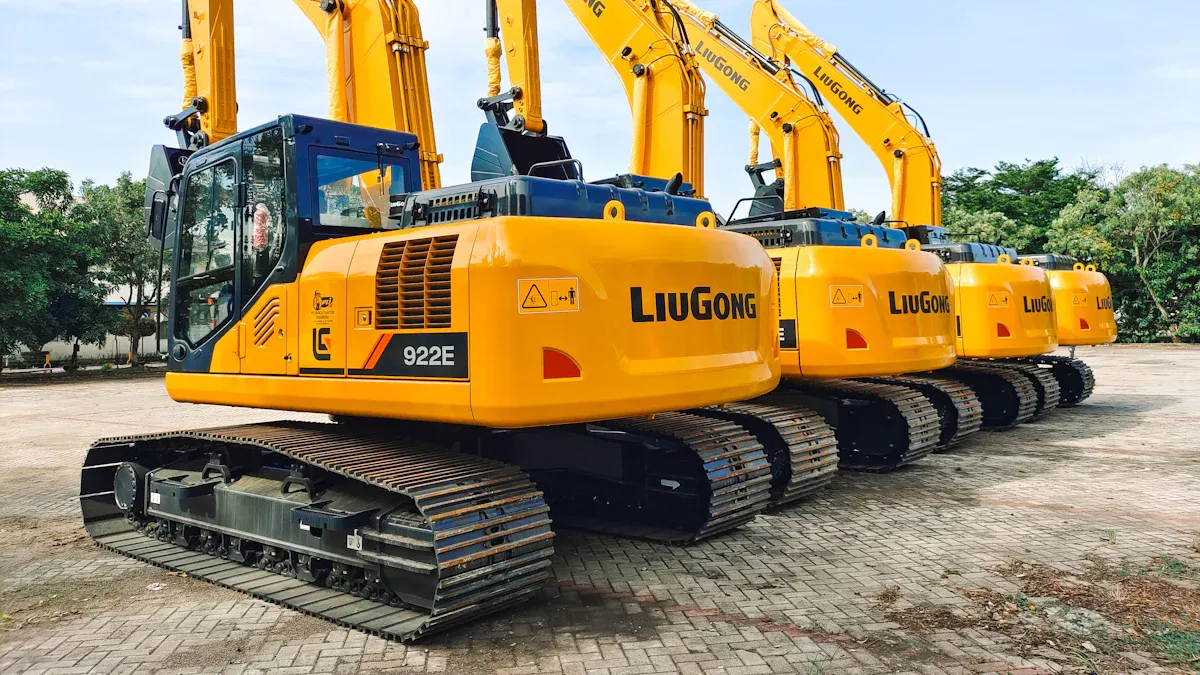
Equipment operators often face tough terrains that demand both strength and agility. ASV tracks provide the perfect solution by boosting mobility and durability. Their advanced design ensures smooth operation, even in the most challenging environments. Whether it’s muddy fields or rocky slopes, these tracks keep machines moving efficiently, helping operators get the job done with ease.
Key Takeaways
- ASV tracks last much longer than regular rubber tracks. They can work for over 1,000 hours, reducing replacements and saving money.
- ASV tracks grip the ground well and stay steady. This helps them work better on tough surfaces and keeps users safe in any weather.
- Cleaning, checking, and storing ASV tracks correctly makes them last longer. This also keeps them working well and saves time and money.
Challenges with Traditional Rubber Tracks
Durability Issues
Traditional rubber tracks often struggle to keep up with the demands of heavy equipment. They wear out quickly, especially in tough environments. Operators frequently report issues like tears, cracks, and abrasive wear. Standard tracks typically last between 500-800 hours, while economy options may only reach 500-700 hours. In contrast, high-performance tracks, like ASV tracks, can deliver over 1,000 service hours, with some lasting up to 1,500 hours under optimal conditions. This significant difference highlights the limitations of traditional tracks when it comes to durability.
Traction Limitations
Traction is another area where traditional rubber tracks fall short. On slippery or uneven surfaces, they often lose grip, making it harder for machines to operate efficiently. This can lead to delays, reduced productivity, and even safety concerns. Unlike traditional options, ASV tracks are designed to adapt to the terrain, providing superior traction and stability. Their advanced rubber structure and all-terrain tread ensure reliable performance in any weather or environment.
High Maintenance Needs
Maintaining traditional rubber tracks can be a time-consuming and costly process. They often require replacement every 6-9 months for machines operating 1,000 hours annually. This frequent upkeep adds to the overall cost of ownership. High-performance tracks, on the other hand, can last 12-18 months or longer, significantly reducing maintenance needs. By choosing tracks with advanced materials and design, operators can save both time and money.
Advantages of ASV Tracks
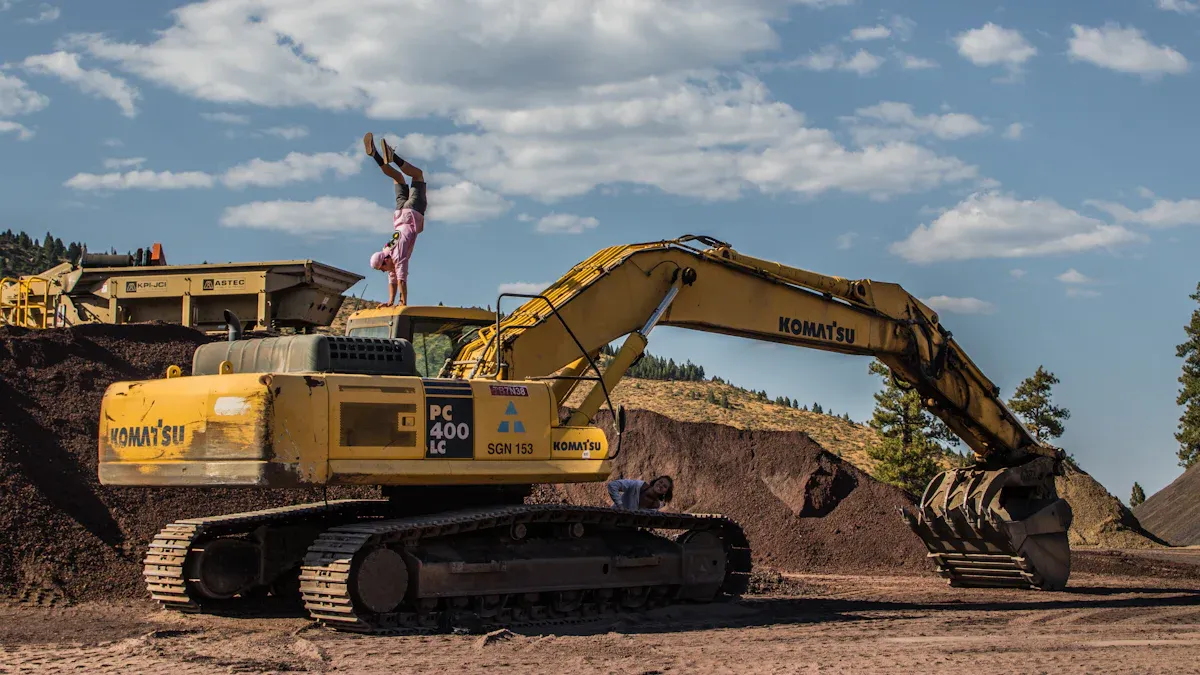
Enhanced Durability and Longevity
ASV Tracks are built to last. Their unique rubber structure, reinforced with high-strength polyester wires, ensures exceptional durability. This design minimizes stretching and derailment, even under heavy use. Unlike traditional steel tracks, ASV Tracks resist cracking and rusting, making them a reliable choice for long-term performance. Operators can expect these tracks to deliver up to 1,500 service hours, far surpassing the lifespan of standard rubber tracks.
The advanced materials used in ASV Tracks also reduce wear and tear on the machine itself. Features like rubber-on-rubber contact areas and a completely suspended frame improve ride quality while extending the life of both the tracks and the equipment. This combination of durability and longevity makes ASV Tracks a smart investment for operators looking to maximize efficiency.
Superior Traction and Stability
Traction and stability are critical for equipment operating in challenging environments. ASV Tracks excel in this area, thanks to their all-terrain, all-season tread and adaptable rubber structure. These features allow the tracks to conform to uneven surfaces, providing a secure grip in any condition. Whether it’s icy roads, muddy fields, or rocky slopes, ASV Tracks keep machines stable and operators confident.
Did you know? Reduced ground pressure from ASV Tracks not only enhances stability but also minimizes soil disturbance. This makes them ideal for sensitive terrains like agricultural fields or construction sites.
The table below highlights key performance metrics that demonstrate the superior traction and stability of ASV Tracks:
| Metric | Description |
|---|---|
| Snow Removal Performance | Reliable performance in icy and slippery conditions, ensuring stability and traction. |
| Ground Pressure | Reduced ground pressure enhances stability and minimizes soil disturbance in varied terrains. |
| Operator Comfort | High-strength polyester structure and rubber-on-rubber contact improve comfort during operation. |
| Stability on Uneven Surfaces | Maintains machine stability on uneven or sloped surfaces, boosting safety and confidence. |
| Operational Time Extension | Operators can work an additional 12 days per year on average due to the tracks’ ability to handle extreme conditions. |
Maintenance-Friendly Features
ASV Tracks are designed with maintenance efficiency in mind. A large rear-tilting hood provides easy access to maintenance points, saving operators valuable time. The flexible rubber track, combined with internal positive drive sprockets, enhances traction while extending the track’s lifespan. Additionally, the open-rail design simplifies undercarriage cleaning, reducing wear on components and ensuring smoother operation.
Another standout feature is the use of standard metal-face seals. These seals eliminate the need for idler wheel hub maintenance throughout the machine’s life. Individually replaceable steel sprocket rollers further contribute to cost savings by allowing targeted repairs instead of full replacements. With these thoughtful design elements, ASV Tracks offer up to 1,000 additional service hours compared to traditional steel-embedded tracks.
Operators also benefit from better weight distribution and flotation, thanks to the rubber-lined bogie wheels and increased ground contact points. These features not only enhance operational reliability but also minimize turf damage, making ASV Tracks a low-maintenance, high-performance solution for any job site.
Maintaining ASV Tracks for Optimal Performance
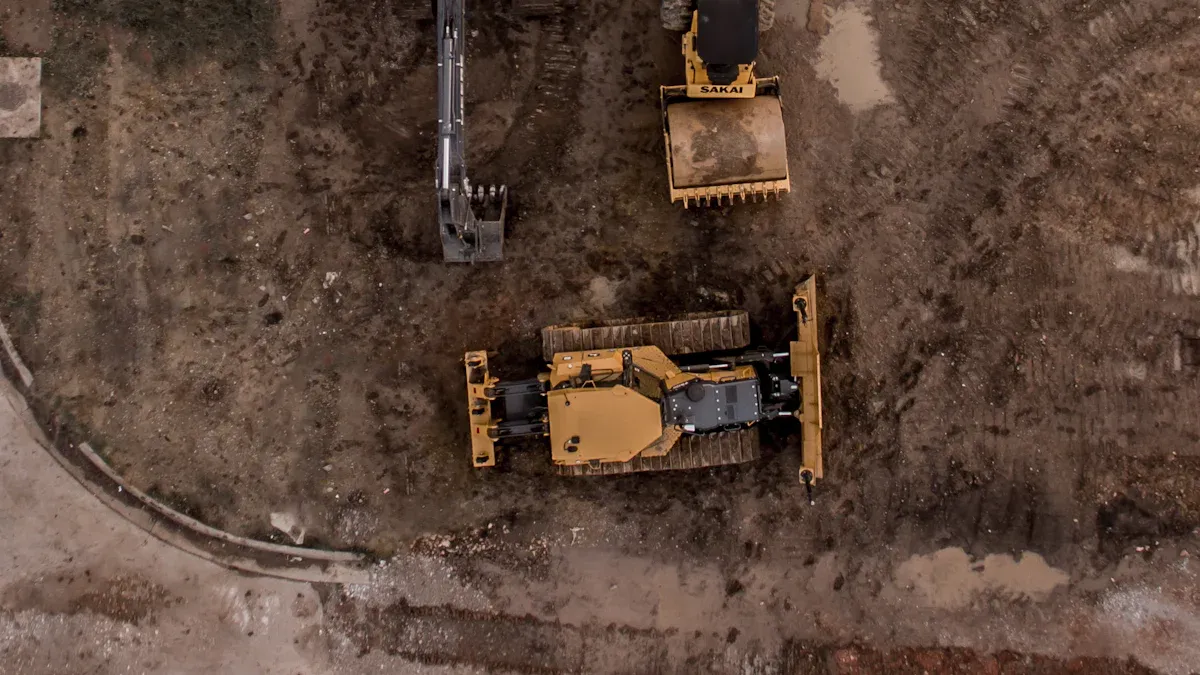
Proper maintenance is the key to getting the most out of ASV tracks. By following a few simple steps, operators can ensure their tracks last longer and perform better. Let’s dive into the best practices for cleaning, inspecting, and storing ASV tracks.
Cleaning and Debris Removal
Keeping ASV tracks clean is essential for maintaining their performance. Dirt, mud, and debris can build up over time, causing unnecessary wear and tear. Regular cleaning prevents these issues and extends the lifespan of the tracks.
- End-of-Day Cleaning: Remove debris at the end of each workday while it’s still soft. A pressure washer works well for stubborn buildup.
- Targeted Cleaning: Focus on areas between the track and undercarriage. Material packing in these spots can lead to misalignment.
- Avoid Harsh Chemicals: Stay away from solvents or petroleum-based cleaners. These can damage the rubber compounds.
- Periodic Deep Cleaning: Occasionally, slacken the tracks completely to access hard-to-reach areas. This ensures a thorough clean.
- Corrosive Environment Rinsing: If the tracks are exposed to chemicals, rinse them with fresh water to prevent damage.
Tip: Consistent cleaning not only improves performance but also reduces the risk of costly repairs. A clean track is a happy track!
Regular Inspections
Routine inspections help catch small issues before they become big problems. By checking the tracks regularly, operators can maintain optimal performance and avoid downtime.
- Daily Checks:
- Look for cuts, tears, or embedded objects on the track surface.
- Inspect for unusual wear patterns that might indicate alignment or tension problems.
- Check drive components for debris or leaks.
- Verify that the track tension is correct.
- Weekly Inspections:
- Examine guide lugs and drive bars for signs of wear.
- Ensure undercarriage components move freely.
- Look for rubber degradation, especially in high-stress areas.
- Observe track alignment during operation to spot potential issues.
- Tension Adjustment:
- Place the machine on a flat surface.
- Measure the sag at the midpoint between the front idler and the first roller.
- Adjust tension using a grease gun if needed.
- Test the adjustment by driving forward and backward, then verify through operation cycles.
Note: Regular inspections don’t just protect the tracks—they also safeguard the machine and improve operator safety.
Proper Storage Practices
Storing ASV tracks correctly is just as important as cleaning and inspecting them. Proper storage conditions can significantly extend their lifespan and ensure they’re ready for action when needed.
- Clean Before Storage: Always clean the tracks thoroughly, removing dirt, oil, and chemicals.
- Reduce Tension: Slightly loosen the tension to relieve stress on the rubber components.
- Control Moisture: Store the tracks on a dry surface with good ventilation to prevent moisture buildup.
- Use Protective Products: Apply rubber protectants designed specifically for track care.
- Avoid Ozone Exposure: Keep the tracks away from ozone-generating equipment like motors or welders, as ozone can degrade rubber.
Pro Tip: Proper storage not only preserves the tracks but also saves money by reducing the need for premature replacements.
By following these maintenance practices, operators can keep their ASV tracks in top condition. A little effort goes a long way in ensuring maximum efficiency and durability.
ASV tracks offer unmatched durability, traction, and maintenance efficiency. Their advanced materials and specialized tread patterns ensure long-lasting performance. High-quality tracks protect undercarriage components, reduce vibration, and resist wear. Operators can expect over 1,000 service hours, far exceeding economy options. Choosing ASV tracks means better efficiency and fewer replacements.
Post time: May-13-2025