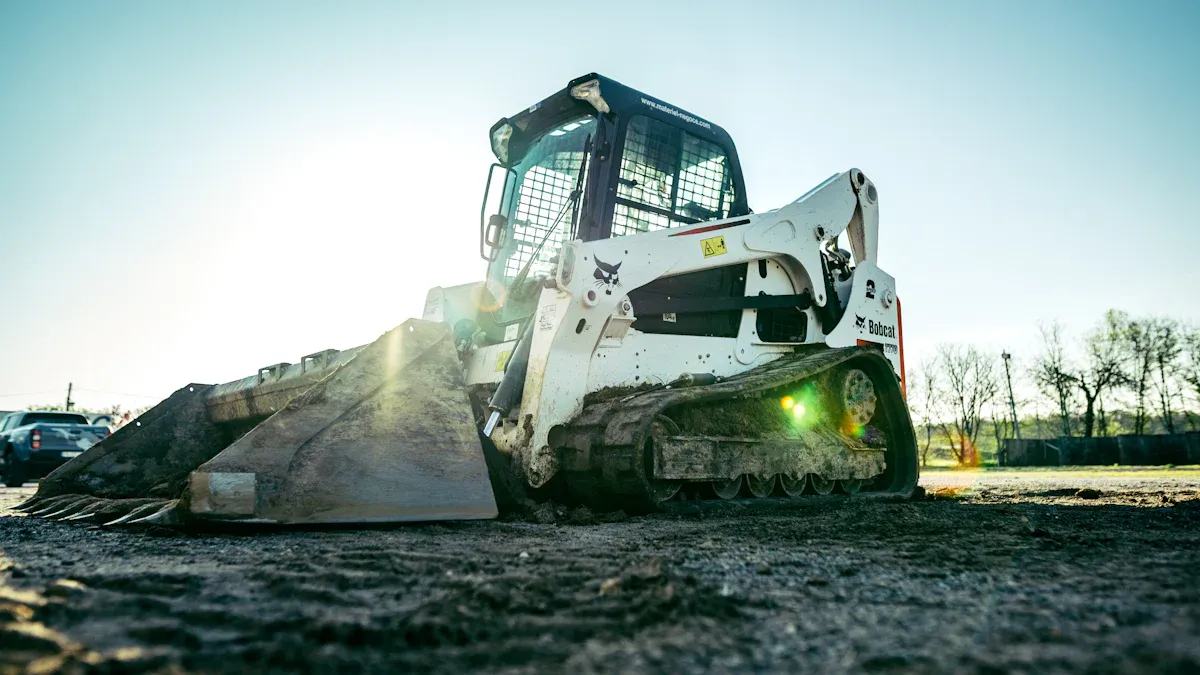
Selecting the right Rubber Tracks for a loader increases productivity. Many teams report up to 25% better performance with proper tracks. Operators save money because advanced tracks last longer and need fewer replacements.
| Metric | Traditional System | Advanced Rubber Tracks |
|---|---|---|
| Average Track Life | 500 hours | 1,200 hours |
| Annual Replacement Frequency | 2-3 times | Once yearly |
| Emergency Repair Calls | Baseline | 85% decrease |
Key Takeaways
- Choosing the right rubber tracks boosts loader performance by up to 25%. Proper tracks last longer and reduce replacement costs.
- Assess job site conditions carefully. Select tracks based on terrain type to enhance traction and minimize wear.
- Regular inspections and maintenance extend track life. Check for wear indicators daily to prevent costly repairs.
Identify Your Loader’s Application and Environment

Assess Job Site Conditions
Every loader faces unique challenges on the job site. Operators must look closely at the ground and weather conditions before choosing tracks. Wet, muddy, or rocky terrain can quickly wear down the wrong type of track. For example, zigzag or chevron tracks work best on wet, muddy, or slippery slopes. These tracks clean themselves and provide strong grip, helping loaders move safely and efficiently. Multi-bar lug tracks perform well on soft, loose surfaces but may clog with mud if the site stays wet. Block tracks handle heavy-duty, rocky areas with ease because of their durability, though they offer less traction. H-pattern tracks suit mixed terrain, reducing vibration and protecting machine parts.
| Track Type | Terrain Suitability | Key Features |
|---|---|---|
| Zigzag (Chevron) | Wet, muddy, slippery slopes | Self-cleaning, strong traction |
| Multi-bar Lug | Soft, loose surfaces | High traction, may clog with mud |
| Block | Heavy-duty, rocky areas | Durable, less traction |
| H-Pattern | Mixed terrain | Reduces vibration, protects parts |
Tip: The right track minimizes ground pressure. This helps loaders move over soft soil without sinking, which is especially important in muddy or rocky environments.
Match Tracks to Work Type
Different jobs demand different track features. Construction, agriculture, landscaping, and snow removal each require special attention. Construction sites often need multi-bar lug pattern tracks for heavy-duty tasks. These tracks give loaders the grip and stability needed for moving heavy materials. In agriculture, deep grooves and high tensile strength are essential. C-pattern tracks provide the traction and wear resistance needed for working in fields. Landscaping jobs benefit from hex pattern tread tracks. These tracks protect lawns and soft surfaces by minimizing marks. For snow removal, zig-zag or TDF-pattern tracks deliver excellent traction on icy ground.
- Common loader applications and their ideal track types:
- Construction: Multi-bar lug pattern tracks
- Agriculture: C-pattern tracks with deep grooves
- Landscaping: Hex pattern tread tracks
- Snow Removal: Zig-zag or TDF-pattern tracks
Operators should also consider the environment. Smooth, hard surfaces need different tracks than soft, rugged terrain. Wet and muddy conditions call for aggressive track designs to boost traction. Versatile track selection helps balance grip and ground disturbance, making the loader more effective in any setting.
Note: Choosing the right Rubber Tracks for the job and environment leads to better performance, less downtime, and longer track life.
Rubber Tracks Tread Patterns and Performance
Types of Tread Patterns
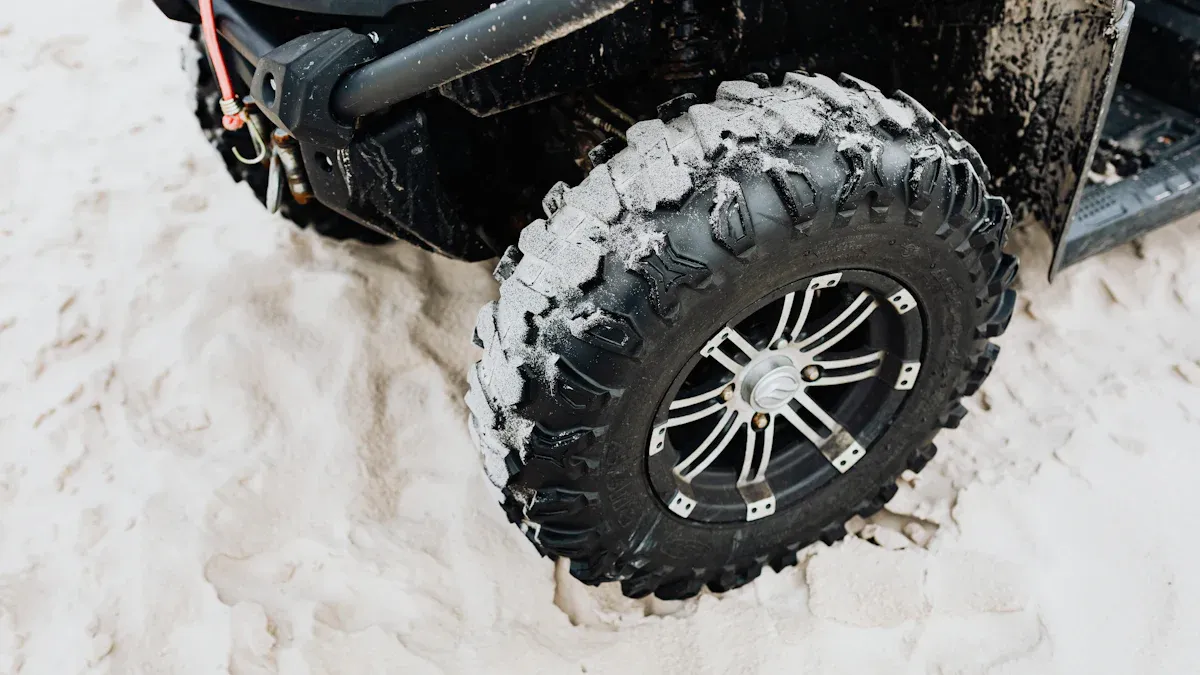
Operators can choose from several tread patterns when selecting Rubber Tracks for their loaders. Each pattern offers unique benefits for different job sites and tasks. The most common tread patterns include:
- C-Pattern: This classic design works well for general applications. It provides a smooth ride and reliable traction on many surfaces.
- Terrapin Pattern: Modern and versatile, this pattern reduces vibration and delivers excellent grip on uneven ground. It also protects the track body from rocks.
- Technology Design Formulation (TDF) Pattern: Heavy-duty jobs require this pattern. It supports maximum load capacity and lasts longer under tough conditions.
- Zigzag Pattern: Wet and muddy sites benefit from this tread. It maintains traction in mud and snow, helping loaders move safely.
- Turf Pattern: Landscaping and turf protection call for this smooth tread. It keeps ground pressure low and prevents damage to sensitive environments.
- Staggered Block: This pattern balances traction and stability, making it suitable for mixed terrain.
- Straight Bar Tracks: These tracks offer aggressive grip, especially in mud and snow, but may feel rough on hard surfaces.
- Multi-Bar: Operators get strong traction and a smoother ride compared to straight-bar tracks.
Tip: Choosing the right tread pattern helps loaders perform better and reduces wear on both the machine and the ground.
Traction and Ground Disturbance
Tread pattern selection directly affects loader traction and ground disturbance. Operators must balance grip with surface protection to maximize efficiency and minimize damage. The following table shows how different tread patterns impact traction and ground disturbance:
| Tread Pattern | Traction Characteristics | Ground Disturbance Impact |
|---|---|---|
| Straight Bar | Extremely aggressive traction, ideal for grip | Rougher ride on hard surfaces |
| Multi-Bar | Smoother ride, excellent traction | Prevents material buildup in muddy conditions |
| Lightning Bolt | Enhanced traction, low ground disturbance | Reduces ground marking, improves flotation |
| C-Pattern | Versatile, good balance of traction and flotation | Moderate ground pressure |
| Block Tread | Smooth operation on hard surfaces | Minimal ground disturbance |
| Nonmarking Turf | Suitable for sensitive surfaces | Very low ground disturbance |
Operators working on asphalt or hard surfaces should select patterns like block tread or lightning bolt. These patterns reduce vibration and keep ground disturbance low. For dirt, mud, or snow, straight bar and multi-bar tracks provide the grip needed to prevent slipping. Landscaping projects require turf or lightning bolt patterns to protect grass and delicate surfaces.
Note: Selecting the right Rubber Tracks tread pattern ensures loaders move efficiently while protecting the job site. Operators who match tread to terrain see longer track life and fewer repairs.
Rubber Tracks Material Quality and Reinforcement
Rubber Compound Durability
The durability of loader tracks depends on the quality of the rubber compound. High-performance tracks use a blend of natural and synthetic rubbers. Natural rubber gives the track flexibility and strong resistance to tearing. Synthetic rubbers, such as SBR and EPDM, add extra protection against wear, weather, and temperature changes. This combination helps the tracks last longer, even in tough environments.
| Material Type | Key Features |
|---|---|
| Synthetic Rubber | Excellent wear resistance, weathering, and temperature variations |
| Natural Rubber Blend | Good flexibility, strength, and resistance to cracking |
| Reinforcement (Steel Cords) | Enhances tensile strength and structural integrity |
| High Abrasion Resistance | Increases longevity on rough surfaces like pavement and gravel |
| Heat Resistance | Withstands heat from friction and sunlight |
A well-designed rubber compound also bonds tightly with the track’s internal structure. This strong bond prevents early failure and keeps the track working until the tread wears out. Tracks made with advanced rubber compounds show higher tensile strength, better abrasion resistance, and improved heat resistance. These features allow the tracks to handle heavy loads and rough terrain without breaking down.
Tracks with high-grade rubber compounds deliver longer service life and reduce replacement costs.
Internal Reinforcement Features
Internal reinforcement plays a key role in extending the lifespan of loader tracks. Manufacturers use several features to strengthen the track and protect it from damage.
| Feature | Description |
|---|---|
| Carcass Thickness | Thicker tracks resist wear and tear, improving ride quality and lifespan |
| Raised Rails | Protect the internal structure from punctures and maintain track integrity |
| Continuous Steel Cord | Provides superior strength, helping the track handle heavy loads and keep its shape |
| Advanced Rubber Compounds | Blends of natural and synthetic rubbers boost performance and durability |
Tracks with continuous steel cords and thick carcasses stay strong under pressure. Raised rails shield the inside of the track from sharp objects. These features work together to prevent stretching, cracking, and other damage. When operators choose tracks with these reinforcements, they get better performance and fewer breakdowns.
Choosing Rubber Tracks with advanced materials and reinforcements ensures loaders stay productive and reliable in any environment.
Rubber Tracks Sizing and Compatibility
Measuring Track Size
Accurate measurement ensures the right fit for any loader. Operators should always check the size printed or molded on the side of their current tracks. This information usually includes width, pitch, and the number of links. For those who want to double-check, a simple measuring process helps avoid mistakes.
| Measurement Type | Description |
|---|---|
| Width | Measure the width of the track from one edge to the other in millimeters. |
| Pitch | Measure the distance between the centers of two consecutive drive links along the track’s length in millimeters. |
| Number of Links | Count the total number of drive links around the entire track. |
Operators can also download a Rubber Track Sizing Guide to record these measurements.
- Check the size on the track sidewall.
- Use a tape measure for width and pitch.
- Count the drive links for accuracy.
Tip: Precise measurements prevent costly installation errors and ensure smooth operation.
Matching Loader Specifications
Loader specifications play a critical role in choosing the correct track size. The width affects the loader’s footprint and traction. Pitch determines how well the track engages with the drive system. The number of links ensures the track fits snugly around the undercarriage. When operators match these details, they protect the loader from excessive wear on rollers and sprockets. Incorrect sizing can cause poor track tension and lead to expensive repairs. The right fit also maximizes performance and extends the life of both the loader and the tracks.
Note: Always match track size to loader specifications for the best results. Proper sizing keeps the loader running efficiently and safely.
Special Requirements for Rubber Tracks
Non-Marking and Application-Specific Features
Some job sites demand tracks that leave no marks behind. Indoor projects, warehouses, and finished surfaces require non-marking tracks to keep floors clean and professional. Operators can choose from several non-marking options. These tracks use special rubber compounds that prevent black streaks and stains. Many feature multi-bar tread patterns for extra grip without damaging the surface.
- Non-marking tracks use unique compounds to avoid leaving marks indoors.
- Orange rubber compounds provide traction and keep surfaces spotless.
- Multi-bar tread patterns help loaders move safely on smooth floors.
Certain environments also expose tracks to chemicals, oils, or fuels. Tracks with high chemical resistance last longer and protect the loader’s performance. The following table shows why chemical resistance matters:
| Source | Key Insight |
|---|---|
| ARDL | Chemical resistance ensures durability in environments with oils and fuels. |
| E2Tech Textiles | Poor resistance can cause mechanical breakdown and reduce loader function. |
| AOC Formulations | High resistance improves performance and extends lifespan in tough settings. |
Operators who select tracks with these features protect both their equipment and the job site.
Versatility Across Different Loaders
Versatile tracks give operators more options. They fit many loader types and brands, making them a smart investment for any fleet. These tracks work well in construction, landscaping, and agriculture. They offer strong durability and meet the needs of different loader models.
- Tracks support a wide range of loader brands and types.
- They deliver reliable performance in many applications.
- Operators enjoy easy installation and worry-free compatibility.
Choosing versatile Rubber Tracks helps teams save time and money while boosting productivity.
Product Introduction: Durable Rubber Tracks for Loaders
Unique Rubber Compound Benefits
Durable Rubber Tracks stand out because of their advanced rubber compound. This special blend gives operators several important advantages:
- Enhanced traction on many surfaces, which improves control and stability.
- Reduced ground disturbance, so sensitive areas stay protected.
- Increased durability, which means the tracks last longer and need fewer replacements.
- Improved comfort for operators, as the tracks absorb shocks from rough terrain.
The advanced rubber compound acts like a cushion. It absorbs bumps and vibrations, helping operators stay alert and comfortable during long workdays. This feature keeps both the machine and the operator in top condition.
The unique compound also spreads the loader’s weight over a larger area. This reduces ground pressure by up to 75% compared to wheeled machines. Operators can work on delicate surfaces without causing damage.
Performance in Various Terrains
Durable Rubber Tracks perform well in many environments. Their design helps loaders move easily over sand, gravel, mud, and asphalt. Operators notice fewer problems with getting stuck in soft or sandy ground because the tracks have a wide surface area.
- Excellent traction and stability on sand, gravel, and asphalt.
- Special tread patterns give strong grip on loose or uneven ground.
- Multi-bar designs help loaders float over soft dirt and sand, while still providing comfort on hard pavement.
These features make the tracks ideal for construction, landscaping, and farming. Operators can trust their equipment to handle tough jobs and changing conditions with ease.
Maintenance and Recognizing Wear in Rubber Tracks
Common Wear Indicators
Operators who want to maximize loader performance must recognize early signs of track wear. Daily visual inspections help spot problems before they become costly. The most common wear indicators include:
- Cracks or splits in the rubber surface.
- Missing or damaged tread lugs.
- Exposed or broken steel cords.
- Uneven wear patterns along the track.
- Loose or sagging track tension.
Regular checks for these issues allow teams to plan maintenance and avoid sudden breakdowns. Operators should also monitor track tension every day. Tracks that are too tight or too loose wear out faster and can damage the loader. By focusing on these indicators, teams can extend the life of their equipment and reduce downtime.
Tip: Commit to daily inspections and track tension checks. This habit helps catch small issues before they lead to expensive repairs.
Maintenance Tips for Longevity
Proper care keeps Rubber Tracks in top condition. Operators who follow proven maintenance practices see longer track life and better loader performance. Key tips include:
- Maintain proper track tension. Tracks that fit well last longer and protect the undercarriage.
- Clean tracks after each use. Remove mud, rocks, and debris to prevent extra pressure and wear.
- Store loaders in shaded or indoor areas. Sunlight can cause the rubber to crack over time.
- Inspect sprocket rollers every 50 hours. Increase inspection frequency in sandy or abrasive environments.
Teams that follow these steps enjoy fewer replacements and lower repair costs. Consistent maintenance ensures the loader stays ready for any job.
Avoiding Common Mistakes with Rubber Tracks
Overlooking Application Needs
Many operators make costly mistakes by not matching tracks to their loader’s job or environment. They often forget that each worksite brings unique challenges. When teams ignore these needs, they risk poor performance and higher expenses. Common mistakes include:
- Leaving loaders in direct sunlight, which causes dry-rotted tracks and visible damage.
- Overtightening tracks, leading to power loss and excessive wear.
- Running tracks too tight or too loose, which can cause tears and damage.
- Neglecting regular track tension checks, resulting in similar problems as overtightening.
- Failing to inspect sprockets, which can create further complications.
Operators who focus on their specific application avoid these issues. They choose tracks that fit the terrain and workload. This approach keeps equipment running smoothly and extends track life.
Tip: Always consider the loader’s job and environment before selecting tracks. The right choice saves money and prevents downtime.
Ignoring Manufacturer Guidelines
Ignoring the manufacturer’s instructions can shorten track life and reduce safety. Each loader model has unique requirements. The operator’s manual provides clear maintenance steps and schedules. Delaying these services often leads to unnecessary wear and tear.
| Maintenance Practice | Description |
|---|---|
| Follow manufacturer guidelines | Each loader has unique needs. The manual gives specific maintenance steps. |
| Delaying scheduled services | Skipping or delaying service causes extra wear and shortens track lifespan. |
Operators who follow these guidelines protect their investment. They keep their Rubber Tracks in top condition and avoid unexpected repairs.
Consulting Experts on Rubber Tracks Selection
When to Seek Professional Advice
Loader owners often face tough choices when selecting the right tracks. They benefit most from expert advice in several situations:
- They notice unusual wear patterns or damage on their tracks.
- They want to understand what causes wear and how to prevent it.
- They need help with regular inspections or want to improve maintenance routines.
- They work in challenging environments where mobility and stability are critical.
- They want tailored recommendations for track selection and care.
Experts can explain why certain tracks wear out faster and suggest ways to extend track life. They also help owners keep their equipment in top shape, which leads to better performance and fewer repairs. Regular check-ins with professionals ensure that loaders always operate at their best.
Tip: Loader owners who consult experts gain peace of mind and protect their investment.
Questions to Ask Suppliers
Choosing the right supplier matters as much as choosing the right tracks. Owners should ask important questions before making a purchase:
- Who supplies the tracks, and how long have they been in business?
- Do they import products or source them locally?
- Can owners visit the warehouse to inspect the tracks?
- Why are the current tracks being replaced?
- Is the current brand or type meeting expectations?
- Do operators need more training for better track care?
- Are Rubber Tracks the best choice for the intended application?
Price also plays a big role. Owners should consider not just the cost but also how the material and tread pattern affect performance and future repairs. Asking these questions helps owners make smart decisions and get the most value from their purchase.
- Operators should assess loader needs, select the right tread and material, and ensure proper sizing for Rubber Tracks.
- Regular inspections and timely maintenance keep equipment running longer.
A thoughtful approach prevents costly mistakes and maximizes loader performance and track lifespan.
FAQ
What makes durable rubber tracks a smart investment for loaders?
Durable rubber tracks last longer and reduce replacement costs. Operators see better performance and fewer breakdowns. Teams save time and money on every project.
How can operators choose the right tread pattern for their job?
Operators should match tread patterns to job site conditions. The right pattern improves traction and protects surfaces. Expert advice helps select the best option for every task.
Are these rubber tracks compatible with different loader models?
Yes. These tracks fit many loader types and sizes. Easy installation ensures seamless integration. Operators enjoy worry-free performance across construction, landscaping, and farming applications.

Post time: Aug-29-2025