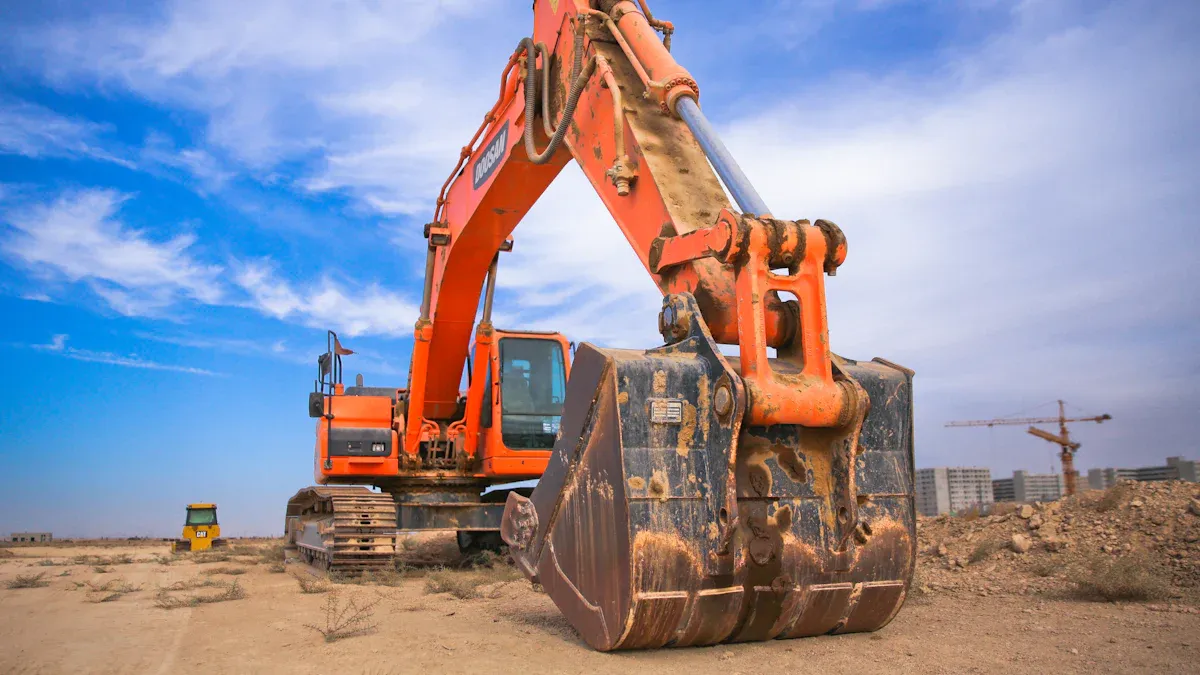
Upgrading to better rubber tracks gives track loaders stronger performance and longer life. Operators see fewer breakdowns from issues like improper tension, rough terrain, or debris. High-quality rubber tracks resist cuts and tearing, keeping machines reliable. Enhanced traction and stability protect workers and equipment every day.
- Travel on hard surfaces and sharp turns often damage tracks.
- Poor tension and rough terrain speed up wear and cause downtime.
Key Takeaways
- Upgrading to better rubber tracks greatly improves durability and lifespan, reducing breakdowns and saving time on repairs.
- High-quality tracks boost traction and safety, helping machines work smoothly on tough terrain while protecting operators.
- Using premium rubber tracks lowers maintenance costs and downtime, increasing productivity and cutting overall expenses.
Key Benefits of Upgrading Rubber Tracks
Improved Durability and Longevity
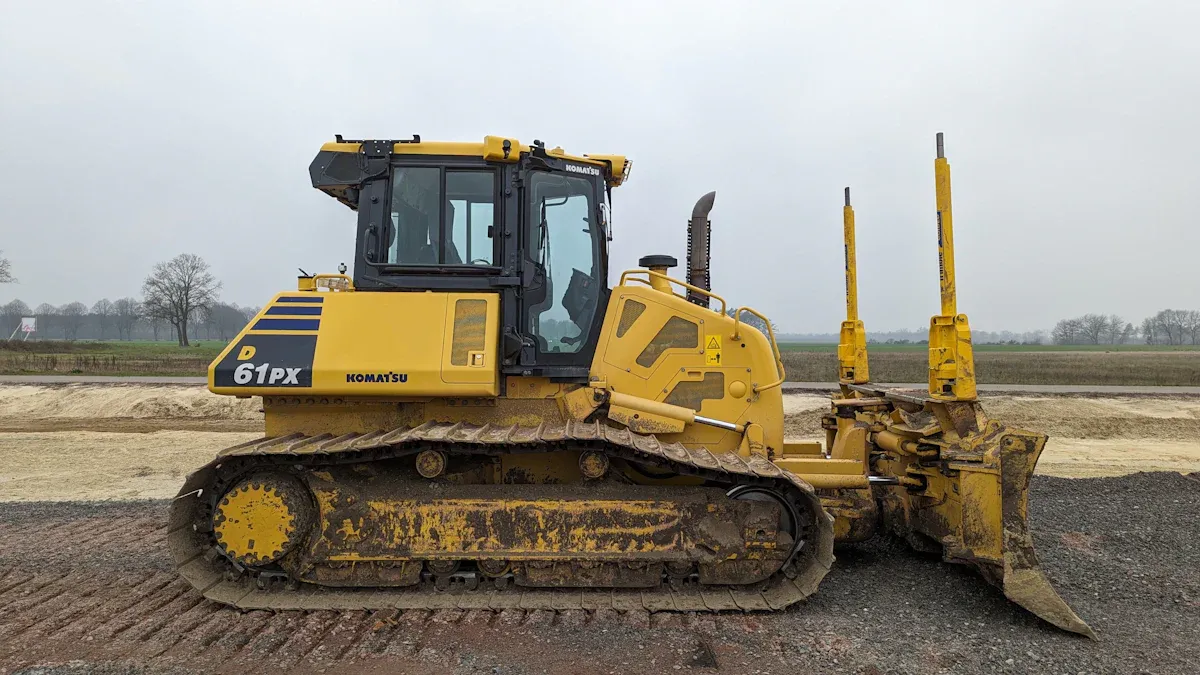
Upgrading to better rubber tracks transforms the lifespan of track loaders. Operators report that premium rubber tracks last nearly twice as long as standard options. The table below shows the difference in average operating hours:
| Track Type | Average Lifespan (hours) |
|---|---|
| Premium Rubber Tracks | 1,000 – 1,500 |
| Standard Rubber Tracks | 500 – 800 |
Advanced rubber tracks use specially formulated rubber compounds and steel reinforcements. These materials resist cuts, tears, and harsh chemicals. Hybrid designs combine rubber with steel chain links, creating a stronger bond inside the track. Drop-forged steel parts and unique adhesives further boost durability. Operators experience fewer breakdowns and longer intervals between replacements.
Note: Upgrading to tracks with advanced rubber compounds and steel reinforcements means less time spent on repairs and more time working efficiently.
Enhanced Traction and Safety
Better rubber tracks deliver superior traction and stability. Operators see up to 75% less ground pressure and a 13.5% increase in tractive effort. These improvements help loaders move confidently across mud, snow, and uneven terrain. Specific tread patterns, such as block, C-lug, and zig-zag, provide balanced grip and self-cleaning features. These designs push out mud and debris, keeping the track clear and reducing slip risks.
- Block Pattern treads offer durable traction for tough environments.
- C-Lug Pattern treads float easily on soft or muddy ground.
- Zig-Zag Pattern treads maintain grip on ice and snow.
Advanced rubber compounds blend natural and synthetic materials with additives for flexibility and damage resistance. Serrated tread patterns and flexible rubber prevent sliding and sinking. Proper sizing and alignment of tracks ensure safe operation, while regular cleaning and tension checks reduce the risk of failure.
Safety improves with reduced vibration and better load distribution. Operators feel less fatigue, and machines stay balanced, lowering accident risks.
Lower Maintenance and Operating Costs
Switching to high-quality rubber tracks cuts maintenance costs and downtime. Operators report 83% fewer tire-related delays and an 85% drop in emergency repair calls. Track-related expenses fall by 32%. Maintenance becomes easier, with fewer hours spent on cleaning, tension adjustments, and repairs.
- Composite rubber tracks save over 415 man-hours of maintenance per vehicle.
- Lifespan extends to 5,000 km, compared to 1,500 km for traditional tracks.
- Replacement time is less than half, reducing downtime.
Premium rubber tracks use advanced materials like polyurethane hybrids and self-healing compounds. These features resist rapid wear and environmental damage. Smart track systems with embedded sensors help monitor track health, allowing proactive maintenance. Longer warranties and better reliability mean fewer replacements and lower overall costs.
Investing in better rubber tracks pays off quickly. Operators spend less on repairs and replacements, and machines stay productive longer.
Our rubber tracks for skid steer loaders feature specially formulated compounds and all-steel chain links. Drop-forged steel parts and unique adhesives create a robust bond, ensuring smooth operation and reliable performance. These tracks help maximize equipment uptime and reduce long-term costs.
Maximizing Efficiency with Quality Rubber Tracks
Smoother Operation and Reduced Vibration
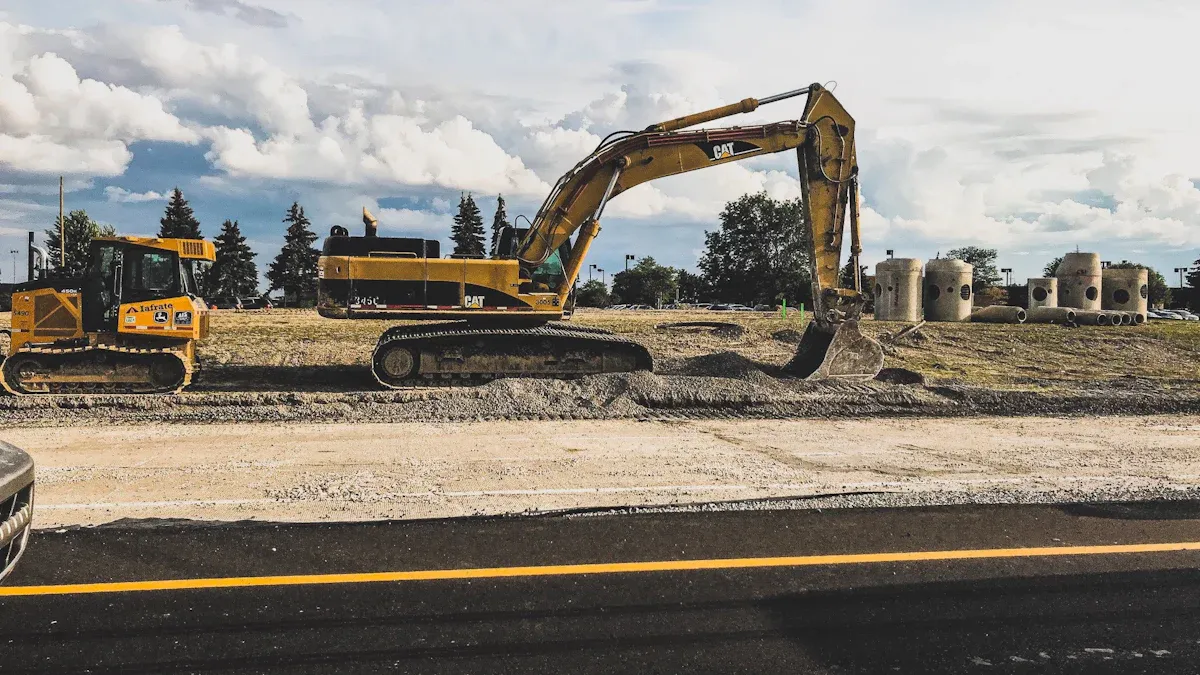
Quality rubber tracks transform the ride for both operators and machines. Their advanced materials and tread designs absorb shocks from rough ground, leading to less vibration and a quieter ride. Operators feel less tired after long shifts, and machines run more smoothly. The flexible design of these tracks spreads the machine’s weight evenly, which helps prevent jolts and bumps. Many operators report that smoother rides allow them to focus better and work longer without discomfort.
Operators notice a big difference in comfort and control. Less vibration means less fatigue and more productive hours on the job.
Increased Productivity on Challenging Terrain
High-quality tracks help loaders tackle mud, snow, and uneven ground with ease. Special tread patterns grip slippery surfaces and self-clean to prevent clogging. This means machines can keep working even in tough weather or on soft soil. Farms and construction sites have seen up to a 25% boost in productivity after upgrading. Fuel use drops, and operators finish tasks faster because the tracks maintain traction and stability.
- Self-cleaning treads keep mud and debris away.
- Wide footprints prevent sinking and sliding.
- Strong rubber compounds keep the tracks flexible in any season.
Less Wear on Undercarriage Components
Premium rubber tracks protect key parts like sprockets, rollers, and idlers. Their strong steel reinforcements and tough rubber reduce wear and damage. Maintenance records show that these tracks help extend the life of undercarriage parts. Regular cleaning and tension checks, combined with quality tracks, keep machines running longer and lower repair costs.
Investing in better tracks means less downtime and more reliable equipment.
Upgrading Rubber Tracks: When and How
Signs Your Rubber Tracks Need Replacing
Operators can spot several warning signs that show it is time to replace rubber tracks. These signs include:
- Cracks or stress marks on the track surface from rough terrain.
- Worn sprocket teeth, skipping, or derailment during operation.
- Tracks losing tension, sagging, or slipping off the undercarriage.
- Missing lugs caused by debris or sprocket slipping.
- Dry-rotted tracks with visible rubber degradation.
- Unsafe tread depth that reduces traction and stability.
- Exposed steel cording, which signals near failure.
- Deteriorating guide rails that strain the undercarriage.
Exterior damage from scraping walls or driving over curbs also means replacement is needed. Operators should check for these issues during daily inspections to keep machines safe and productive.
Features of High-Quality Rubber Tracks
High-quality rubber tracks offer advanced construction and performance. The table below highlights key features and benefits:
| Track Type | Features & Construction | Benefits | Best For |
|---|---|---|---|
| Multi-Bar Tracks | Embedded steel cores, horizontal bars | Strong traction, wear resistance | Mixed terrain |
| Solid Rubber Tracks | Dense rubber, single molded piece | Flotation, low ground pressure | Soft ground |
| Continuous Tracks | Seamless loop, reinforced structure | Long lifespan, smooth motion | Heavy-duty use |
| Padded Rubber Tracks | Extra padding, vibration reduction | Comfort, reduced vibration | Urban construction |
Durability, stability, and operator comfort set these tracks apart. Reinforced internal structures and innovative tread designs help machines perform well on mud, gravel, sand, and asphalt.
Tips for a Successful Upgrade
Operators should follow these steps for a smooth upgrade:
- Select tracks compatible with the loader for proper fit and longevity.
- Maintain correct track tension to avoid premature wear.
- Operate the machine skillfully, using three-point turns and approaching obstacles head-on.
- Avoid abrasive surfaces like rocks and rebar.
- Inspect tracks often for damage or stress.
- Clean tracks daily to remove debris.
- Replace tracks when signs of wear or damage appear.
Regular cleaning and tension checks prevent common mistakes such as over-tensioning or under-tensioning. Operators should avoid sharp turns and keep the worksite free of hazardous debris. These steps help maximize the life and performance of rubber tracks.
Upgrading delivers real value for track loader owners.
- Owners see fuel savings up to 15% and longer track life, often reaching 7,000 hours.
- Machines run better on all surfaces, with less downtime and lower repair costs.
| Benefit | Standard Tracks | Upgraded Tracks |
|---|---|---|
| Service Life (hours) | 500-800 | 1,000-1,500+ |
| Replacement Frequency | 6-9 months | 12-18 months |
| Downtime | Higher | Lower |
Take action now to boost productivity, safety, and savings.
FAQ
How often should operators inspect rubber tracks?
Operators should inspect rubber tracks daily. Early detection of wear or damage prevents costly repairs and keeps equipment running safely.
What makes high-quality rubber tracks last longer?
High-quality tracks use advanced rubber compounds and steel reinforcements. These materials resist cuts and tears, delivering longer service life and better performance.
Can better rubber tracks improve fuel efficiency?
Yes. Upgraded rubber tracks reduce rolling resistance. Machines use less fuel and complete tasks faster, saving money and boosting productivity.

Post time: Aug-25-2025