
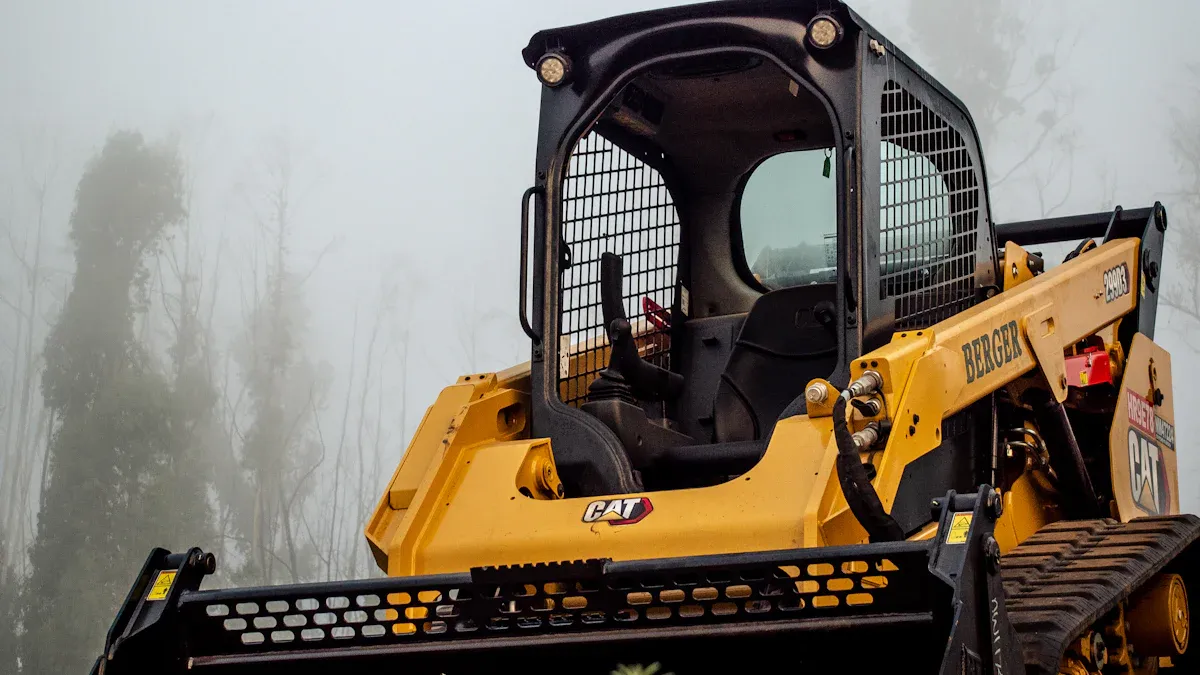
Rubber excavator tracks enhance stability through superior traction and weight distribution. Their unique design optimizes performance on various terrains, which minimizes tipping risks. Additionally, the materials in rubber tracks absorb vibrations, leading to smoother operation and increased comfort for the operator.
Key Takeaways
- Rubber excavator tracks enhance stability by distributing weight evenly, reducing the risk of tipping on uneven terrain.
- These tracks significantly reduce vibrations, improving operator comfort and increasing productivity during operation.
- Choosing the right tread design for rubber tracks based on operating conditions can greatly enhance performance and safety.
Mechanics of Rubber Excavator Tracks
Design Features
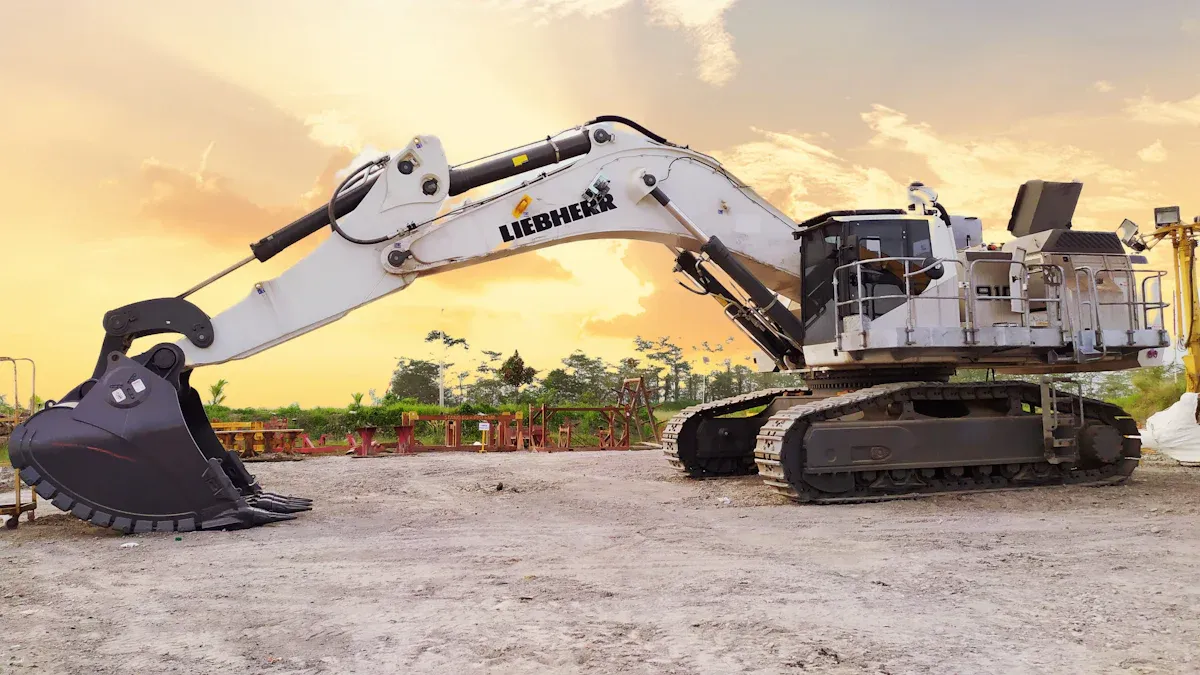
Rubber excavator tracks possess several key design elements that enhance stability and performance. These features include:
| Design Element | Explanation |
|---|---|
| Track Width | Wider tracks improve load-bearing capacity by distributing weight evenly, preventing balance issues on uneven ground. |
| Weight Distribution | Tracks distribute the machine’s weight evenly across a larger surface area, preventing loss of balance on uneven terrain. |
| Ground Pressure | The design and width of the tracks contribute significantly to the machine’s stability and support, essential for safely handling heavy loads. |
Rubber tracks also feature various tread patterns that affect traction and stability. For example, deep lugs provide superior grip on uneven surfaces, while zig-zag patterns enhance traction in softer terrains like mud or snow. The continuous surface of rubber tracks increases contact area, which improves grip on slippery or uneven ground.
Material Composition
The material composition of rubber excavator tracks plays a crucial role in their durability and performance. Rubber tracks are designed to adapt to various terrains, which reduces stress on the material and extends their lifespan. They significantly lower vibrations and ground-borne noise, enhancing operator comfort and machine stability. For instance, rubber composite systems can diminish vertical vibrations by up to 96%, leading to smoother operations and reduced wear on the machinery.
The specific rubber compound used in the tread influences both durability and grip. Manufacturers often provide specialized tread patterns, such as zig-zag designs for better traction on slopes. This adaptability enhances the effectiveness of rubber excavator tracks based on operating conditions.
Rubber tracks also offer superior flexibility and shock absorption compared to steel tracks. Advanced rubber compounds enhance shock-absorbing properties, leading to a smoother ride. This shock absorption reduces vibration transfer, enhancing operator comfort and minimizing stress on the equipment.
When selecting rubber tracks, it is crucial to consider the primary operating conditions and choose a tread design that matches those conditions. This choice can significantly enhance the performance of the excavator, providing a better experience for the operator.
Benefits of Rubber Excavator Tracks
Enhanced Traction
Rubber excavator tracks significantly enhance traction compared to steel tracks. They are made from high-quality synthetic and virgin natural rubber, which offers superior flexibility and resistance to abrasion. The staggered block design increases the contact area with the ground, improving grip and stability on soft and uneven surfaces. This design is particularly beneficial for tasks requiring precision and maneuverability, such as landscaping and light construction.
In muddy conditions, rubber tracks excel due to their wide, deep lugs that provide maximum grip. They also feature specialized tread patterns that offer exceptional traction on slick mud. The aggressive, self-cleaning treads reduce slippage, which improves productivity and extends the workable season.
Vibration Reduction
Rubber excavator tracks effectively reduce vibrations during operation. Studies show that these tracks can lower vertical acceleration by over 60%. This reduction in vibration positively impacts operator fatigue, allowing workers to remain focused for longer periods. Operators experience less fatigue, which leads to increased productivity and comfort.
The smoother operation of rubber tracks also protects the loader’s components from wear, contributing to increased machine longevity. Laboratory tests indicate that noise levels drop by up to 18.6 dB compared to steel tracks, further enhancing the working environment.
| Technology Used | Vibration Reduction | Noise Reduction | Additional Benefits |
|---|---|---|---|
| Diamond Shaped Technology | Up to 75% | Yes | Increased tractive force and stability. |
Improved Machine Control
Rubber excavator tracks improve machine control, especially on soft or uneven terrain. They provide better traction and stability compared to steel tracks. Operators report less slippage and better performance in challenging conditions. This enhanced control is crucial for working on delicate surfaces and in tight spaces.
Additionally, rubber tracks cause less damage to the ground, making them suitable for sensitive job sites. The reduced ground pressure allows for better maneuverability, which is essential for cluttered construction sites. Improved grip translates to better control, ensuring that operators can navigate complex environments with ease.
- Rubber tracks provide better traction, enhancing stability and maneuverability.
- They reduce ground pressure, which is essential for working on delicate surfaces.
- Improved grip translates to better control on cluttered construction sites.
Performance on Different Terrains
Soft and Uneven Surfaces
Rubber excavator tracks excel on soft and uneven surfaces. Their design enhances traction, stability, and operator comfort. The wider surface area of rubber tracks reduces ground pressure. This feature minimizes soil compaction and preserves soil health.
| Performance Metric | Description |
|---|---|
| Traction | Enhanced grip on various terrains, reducing slippage and improving productivity. |
| Stability | Improved stability on slopes and uneven surfaces, reducing the risk of tipping. |
| Reduced Ground Pressure | Distributes weight over a larger area, minimizing soil compaction and preserving soil health. |
| Operator Comfort | Provides a smoother ride, enhancing operator experience during operation. |
Rubber tracks are ideal for operations on delicate terrains. They minimize surface damage and are gentle on the environment. In contrast, steel tracks can cause significant ground disturbance due to their rigid construction and weight.
Hard and Rocky Grounds
Rubber excavator tracks face challenges on hard and rocky grounds. They apply uneven pressure to the ground, leading to deep compaction, especially under the idlers or dollies. Studies indicate that the pressure distribution is not uniform, with the highest pressure occurring on the drive wheel. This uneven pressure results in significant compaction issues.
- Rubber tracks can wear out more quickly than steel tracks when used on abrasive surfaces.
- They are more prone to damage from sharp objects and uneven ground compared to steel tracks.
- Experts note that tracks are not designed for even weight distribution, which exacerbates compaction problems on hard and rocky surfaces.
Despite these challenges, rubber excavator tracks remain a popular choice for many applications due to their versatility and performance on softer terrains.
Comparison with Steel Tracks
Weight and Balance
Rubber excavator tracks and steel tracks differ significantly in weight distribution and balance. Rubber tracks enhance traction and stability for heavy machinery. They provide better grip on various terrains, including uneven or slippery surfaces. This increased traction helps prevent slippage, improving overall machine stability. In contrast, steel tracks concentrate loads on rollers and idlers, which can impact stability. While rubber tracks distribute weight more evenly, steel tracks offer stiffness and extra weight, enhancing lifting capacity.
Surface Damage
When it comes to surface damage, rubber tracks have distinct advantages. They distribute the weight of the machine more evenly, which reduces ground pressure. This feature helps preserve delicate surfaces such as grass, asphalt, and concrete. Rubber tracks are often preferred in urban and residential areas to minimize surface damage. In contrast, steel tracks can cause significant damage to paved surfaces due to their rigid construction and weight.
| Advantage | Description |
|---|---|
| Better Traction | Rubber tracks provide superior grip on uneven terrain, enhancing stability and maneuverability. |
| Reduced Surface Damage | They distribute weight evenly, minimizing pressure on the ground and protecting delicate surfaces. |
| Noise Reduction | The cushioning effect of rubber tracks absorbs vibrations, leading to lower noise levels during operation. |
Cost Efficiency
Cost efficiency is another critical factor when comparing rubber and steel tracks. Rubber tracks have a lower initial cost, typically ranging from $1,000 to $3,000. However, they wear out faster, leading to more frequent replacements. Steel tracks, while more expensive initially (ranging from $3,000 to $7,000), last significantly longer, often two to three times longer than rubber tracks. Over time, steel tracks may provide better value due to their longevity and lower maintenance needs.
| Track Type | Initial Cost Range | Lifespan Comparison | Maintenance Needs |
|---|---|---|---|
| Steel Tracks | $3,000 – $7,000 | 2-3 times longer | Higher maintenance |
| Rubber Tracks | $1,000 – $3,000 | Shorter lifespan | Lower maintenance |
Rubber excavator tracks play a vital role in ensuring stability and control during operation. Their unique design and material properties enhance traction on soft or muddy surfaces. The choice of rubber track directly affects the excavator’s stability, wear, and overall performance. Selecting the appropriate tracks is essential for achieving optimal performance and safety.
- Rubber tracks can carry substantial loads without compromising stability.
- They reduce ground pressure by up to 75%, protecting sensitive surfaces.
FAQ
What are the main advantages of rubber excavator tracks?
Rubber excavator tracks offer enhanced traction, reduced vibration, and improved stability on various terrains, making them ideal for delicate job sites.
How do rubber tracks affect ground pressure?
Rubber tracks distribute weight evenly, reducing ground pressure by up to 75%. This feature minimizes soil compaction and protects sensitive surfaces.
Can rubber tracks be used on rocky terrain?
While rubber tracks perform well on soft surfaces, they may wear out quickly on rocky terrain due to uneven pressure and potential damage from sharp objects.

Post time: Sep-09-2025