
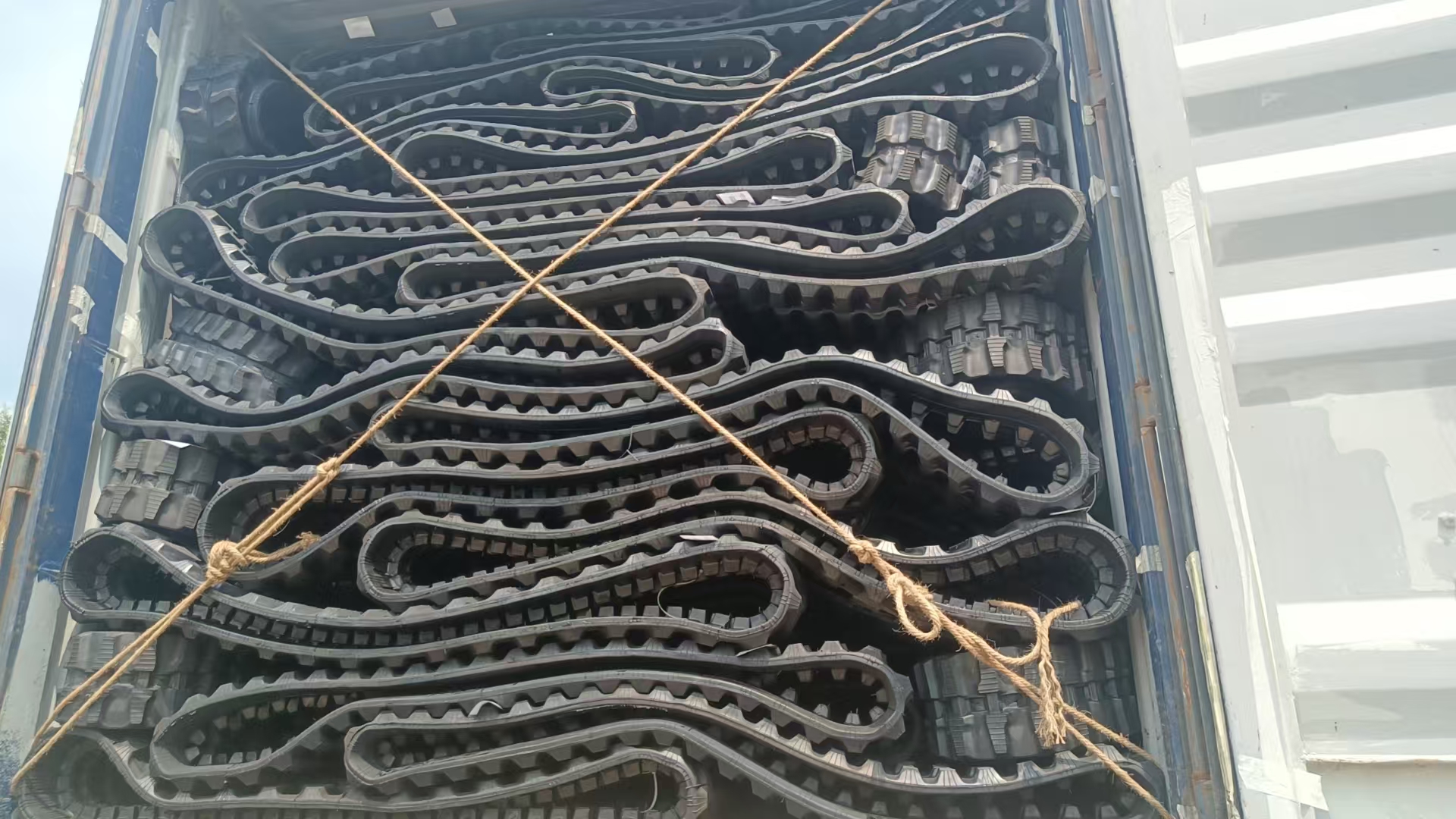
Why Rubber Tracks Matter for Downtime Control
In our experience managing heavy equipment—whether dealing with traditional diesel machines, diesel-to-H2 retrofits, or OEM hydrogen-powered (H2) platforms—undercarriage maintenance accounts for a significant portion of a tracked machine’s total maintenance costs. When we look at ways to control overhead and maximize productivity, paying close attention to the components that directly touch the ground is non-negotiable. For H2 fleets specifically, the unique weight distribution of heavy hydrogen tanks and the high instant torque of electric drivetrains place different stresses on the undercarriage compared to diesel equivalents. Furthermore, retrofit geometries often differ slightly from OEM setups, requiring careful track selection to accommodate shifted centers of gravity. Selecting the right components is not just a purchasing task; it is a critical fleet management strategy that dictates whether a machine remains profitable or becomes a financial drain.
Downtime is the enemy of any construction or landscaping project. Every hour an excavator or compact track loader sits idle waiting for a replacement part, we lose revenue and risk project delays. By understanding the mechanics and specifications of our tracks, we can shift from a reactive maintenance model to a proactive one, drastically reducing unexpected failures.
How rubber tracks affect fleet availability
The direct correlation between track integrity and fleet availability cannot be overstated. Depending on the application, we observe that a standard continuous rubber track typically offers an illustrative operational life of 1,200 to 1,500 hours. However, it is important to note that this is a highly variable estimate heavily dependent on the manufacturer’s rubber compound, terrain abrasiveness, regional climate, and machine duty cycle. Furthermore, the instant torque delivery of H2 and electric machines can accelerate tread wear if operators are not careful.
When a track snaps prematurely on a job site due to chunking, cord breakage, or de-tracking, the machine is immobilized. In our operations, an unexpected failure can easily result in days of downtime while we source, transport, and install the replacement. Furthermore, running on severely worn treads decreases traction and increases hydrogen consumption or energy draw. The machine has to work harder to push or dig, which stresses the hydraulic system and the electric drivetrain or motor. By monitoring wear patterns and replacing tracks right before they hit critical failure points, we ensure that our fleet maintains maximum availability during peak seasons.
Key fitment terms and definitions
To make informed purchasing decisions, we must speak the language of undercarriage fitment. The three critical terms are width (the measurement across the track face from edge to edge, usually expressed in millimeters), pitch (the exact distance from the center of one internal metal core to the center of the next), and link count (the total number of these internal metal cores around the entire inside circumference of the track).
If even one of these measurements is off by a fraction, the track will not seat properly on the sprockets. A mismatched pitch will cause immediate derailment or rapid, catastrophic sprocket wear, negating any cost savings from a cheap purchase.
Rubber Track Specifications to Compare
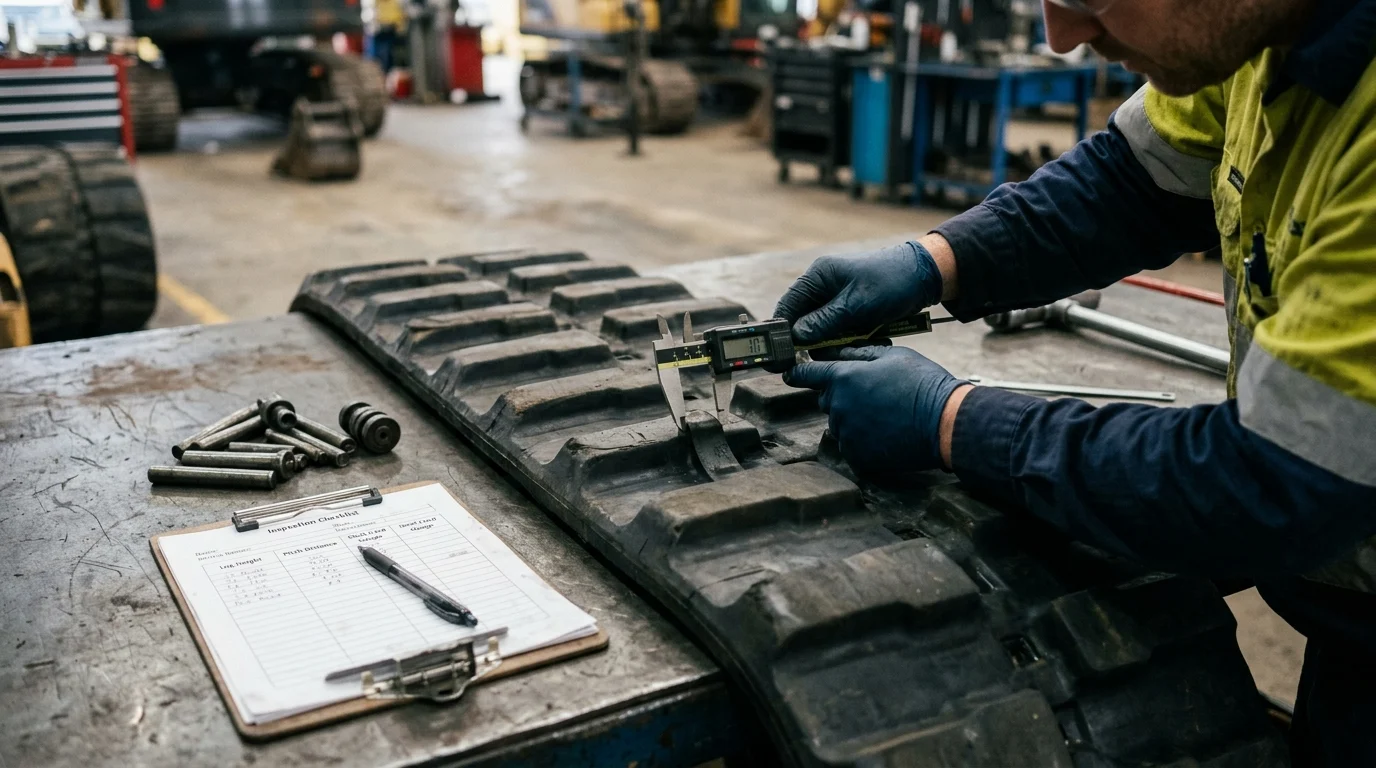
When evaluating replacement options, we always emphasize looking past the brand name and diving directly into the technical specifications. The physical dimensions and internal construction of the track dictate its performance on specific terrains. For H2 fleets, specific constraints dictate track requirements: the added weight of hydrogen tanks often necessitates wider pads to reduce ground pressure, while the high instant torque of electric drivetrains demands reinforced continuous steel cords and specialized, softer rubber compounds to prevent chunking and maintain traction.
Altering track dimensions can affect transport width compliance, alter undercarriage geometry, and compromise machine handling stability. It can also increase hydraulic load and potentially void OEM warranties—a particularly sensitive issue for specialized H2 platforms where drivetrain warranties are strictly enforced.
Beyond dimensions, a true selection methodology requires comparing tread patterns (such as block, C-pattern, or multi-bar) and rubber compounds against specific failure modes that cause downtime. It is also vital to source quality components from reputable suppliers. When reviewing options, we frequently cross-check multiple catalogs, such as those listing verified replacement track specifications, alongside OEM manuals to vet supplier certifications and ensure the dimensions match technical requirements objectively.
How to compare pitch, width, and link count
Comparing these dimensions requires adherence to the manufacturer’s formula, which is universally written as Width x Pitch x Links (e.g., 300×52.5×84). Because H2 retrofits can alter a machine’s weight distribution and center of gravity, OEM track specifications based on model-year lookups are potentially unreliable. Therefore, physically verify the measurements on your existing tracks: use a tape measure for the width, calculate the pitch between link centers, and manually count the links. Even a minor width discrepancy can cause the track to rub against the machine’s frame.
When comparing two potential replacement tracks, we ensure the internal construction uses continuous steel cord technology rather than older spliced designs. Spliced tracks feature overlapping steel cords that create a weak joint, which tends to stretch and snap under heavy loads, whereas continuous cords form a seamless, stronger loop that perfectly maintains the required pitch.
What to include in a comparison table
To streamline the procurement process for our fleet managers, we always build a standardized comparison table. This table should include the exact measurement formula, the resulting physical dimensions, internal construction details, rubber compound types, and the specific weight class or machine type the track is rated for.
Below is an example of the comparison table we use to quickly cross-reference specifications before placing an order:
| Specification Formula | Width (mm) | Pitch (mm) | Link Count | Internal Construction | Rubber Compound | Typical Machine Application |
|---|---|---|---|---|---|---|
| 230x48x62 | 230 | 48.0 | 62 | Continuous Cord | Standard | Micro Diggers (1.5 Ton) |
| 300×52.5×84 | 300 | 52.5 | 84 | Continuous Cord | High-Torque | Mini Excavators (3-4 Ton) |
| 400×72.5×74 | 400 | 72. |
How to Source, Validate, and Implement Rubber Tracks
When I evaluate replacement options for heavy-duty equipment, I prioritize a systematic approach to sourcing rubber tracks. A hasty purchase often leads to premature wear and costly H2 fleet downtime. To prevent this, the implementation process must start with a thorough assessment of your existing machinery before you even contact a supplier.
Practical machine inspection steps
Before ordering, I always conduct a baseline audit of the machinery’s undercarriage. Installing new rubber tracks on worn components accelerates track degradation and voids warranties. I recommend following these critical inspection steps:
- Measure sprocket wear: Check the sprocket teeth for sharp, pointed edges. Worn sprockets will chew through the inner drive lugs of your new tracks.
- Inspect idlers and rollers: Ensure all bottom and top rollers spin freely without fluid leaks. Seized rollers create excessive friction against the track’s internal casing, leading to localized heat damage.
- Check tensioning systems: Verify that the grease or hydraulic tensioners function properly. Incorrect tension is a leading cause of track derailment and snapped continuous steel cords.
How to make the final buying decision
Once the machinery is cleared for installation, making the final buying decision requires validating the supplier’s manufacturing standards and logistical capabilities. I evaluate potential partners based on raw material quality—specifically the ratio of natural to synthetic rubber—and their post-sale support.
Here is the decision matrix I use to evaluate rubber track suppliers:
| Evaluation Criteria | Minimum Standard Requirement | Impact on H2 Fleet |
|---|---|---|
| Track Compound | High natural rubber blend with continuous steel cords | Prevents tread chunking and cord snapping under heavy loads. |
| Warranty Terms | 12 to 18 months (or 1,000+ operating hours) | Reduces financial risk associated with unexpected manufacturing defects. |
| Lead Time | Regional warehousing with 3-5 day delivery | Minimizes operational downtime when immediate replacement is necessary. |
By aligning your equipment’s physical condition with strict supplier validation criteria, you ensure that the implementation of your new rubber tracks maximizes operational hours and delivers a resilient return on investment.
Key Takeaways
- Match rubber tracks by width, pitch, and link count to prevent poor sprocket engagement and avoid avoidable de-tracking.
- Plan replacements before failure, since unexpected track breaks can immobilize H2 equipment for days while parts are sourced and installed.
- Monitor tread wear because severely worn tracks reduce traction and can increase hydrogen or energy consumption during heavy work.
- Account for H2-specific stresses, including shifted weight from hydrogen tanks and instant torque from electric drivetrains, when selecting track specifications.
- Use expected track life of roughly 1,200 to 1,500 hours only as a planning benchmark, then adjust for terrain, climate, compound quality, and duty cycle.
Frequently Asked Questions
Why do H2 machines need careful rubber track selection?
Hydrogen tanks and electric drivetrains can change weight distribution and add instant torque, increasing stress on the undercarriage. The right rubber track helps reduce wear, de-tracking, and premature failure.
How long do rubber tracks typically last?
A standard continuous rubber track may last about 1,200 to 1,500 operating hours, but actual life depends on rubber compound quality, terrain, climate, duty cycle, and operator behavior.
What measurements matter most when choosing rubber tracks?
The three critical fitment measurements are track width, pitch, and link count. If any measurement is wrong, the track may not seat correctly on the sprockets and rollers.
Can worn rubber tracks increase hydrogen or energy consumption?
Yes. Severely worn tread reduces traction, forcing the machine to work harder during pushing, digging, or climbing. That can increase energy draw and place more stress on driveline and hydraulic systems.
What causes premature rubber track failure?
Common causes include abrasive terrain, incorrect tension, poor fitment, sharp debris, aggressive turning, high-torque operation, chunking, and internal cord damage.
Post time: Aug-13-2026