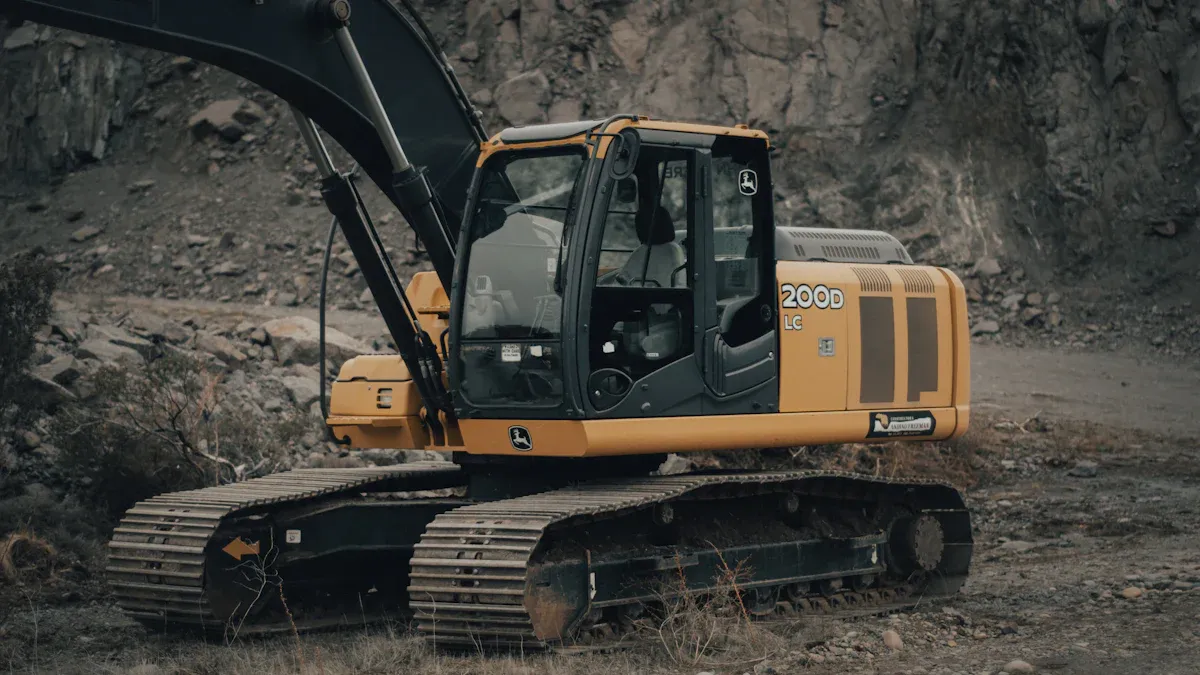
Selecting the appropriate excavator rubber track pads is crucial for achieving optimal performance from an excavator. Various terrains influence the effectiveness of these pads, making it important to take this into account during the selection process. Furthermore, aligning the pads with the specific excavator specifications guarantees proper functionality and reduces maintenance concerns.
Key Takeaways
- Understanding the terrain is crucial for selecting the right rubber track pads. Different surfaces, like mud or rocky ground, require specific tread patterns for optimal performance.
- Matching rubber track pads to the excavator’s specifications, including size and weight, ensures stability and efficiency. Always refer to the excavator’s manual for guidance.
- Consulting with experts and considering user reviews can provide valuable insights. This helps operators make informed decisions that enhance performance and extend the life of their equipment.
Understanding Terrain Requirements
When it comes to selecting rubber track pads for excavators, understanding the terrain is key. Different types of terrain can significantly affect how well the pads perform. Let’s explore the various terrain types and how they influence track pad selection.
Types of Terrain
Excavators often operate in diverse environments. Here are some common types of terrain:
- Soft and Uneven Surfaces: This includes mud, sand, and loose gravel. Rubber tracks excel in these conditions, providing excellent traction and stability.
- Hard and Rocky Terrain: This type features compacted surfaces, rocks, and debris. While rubber tracks can work here, they face challenges due to wear from sharp objects.
- Wet and Muddy Conditions: These environments require aggressive tread patterns to enhance grip and prevent slipping.
- Smooth and Hard Surfaces: These surfaces can lead to uneven pressure distribution, which may cause compaction issues.
Impact on Track Pad Selection
The type of terrain directly influences the choice of excavator rubber track pads. Here’s how:
- Performance on Soft Surfaces: Rubber tracks perform exceptionally well on soft and uneven surfaces. They feature wide, deep lugs that provide maximum grip in muddy conditions. Specialized tread patterns enhance traction, making them ideal for such environments.
- Challenges on Hard Surfaces: On hard and rocky terrains, rubber tracks are more susceptible to wear and damage from sharp objects. They can wear out more quickly on abrasive surfaces, leading to quicker degradation compared to steel tracks. Uneven ground can also create significant compaction issues.
- Manufacturer Recommendations: Manufacturers suggest evaluating the type of equipment and the work environment when selecting track pads. Different track pad types, such as bolt-on or clip-on, are designed for specific terrains and applications. Performance and durability can vary significantly based on the chosen track pad type.
- Versatility is Key: Contractors often select rubber tracks based on their industry and the specific terrain their excavators will operate in. To ensure optimal performance throughout the year, it may be necessary to have multiple sets of rubber tracks with different patterns, unless opting for multi-purpose designs.
By understanding the terrain requirements, operators can make informed decisions about which excavator rubber track pads to choose. This knowledge not only enhances performance but also extends the life of the equipment.
Matching Pads to Excavator Specifications
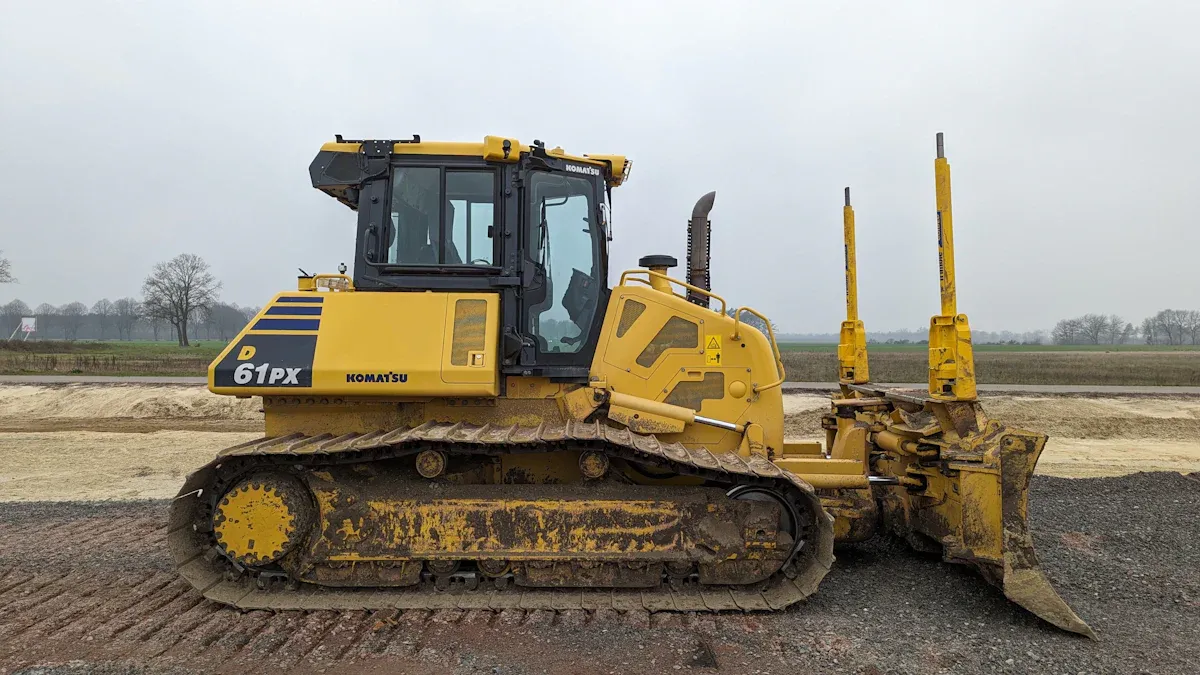
When selecting rubber track pads, matching them to the specifications of the excavator is essential. This ensures that the pads perform optimally and contribute to the overall efficiency of the machine. Two critical factors to consider are size and weight, as well as compatibility with different excavator models.
Size and Weight Considerations
The size and weight of the excavator play a significant role in determining the appropriate rubber track pads. Here are some key points to keep in mind:
- Pad Dimensions: The width and length of the track pads must align with the excavator’s undercarriage. If the pads are too wide or narrow, they can lead to uneven wear and affect stability.
- Weight Distribution: Proper weight distribution is crucial for maintaining balance. Track pads that are too heavy can strain the excavator’s components, while those that are too light may not provide adequate support.
- Load Capacity: Each excavator has a specific load capacity. Selecting rubber track pads that can handle the weight of the excavator, along with any additional loads, is vital for safe operation.
Tip: Always refer to the excavator’s manual for recommended pad sizes and weights. This will help avoid potential issues and ensure optimal performance.
Compatibility with Excavator Models
Not all rubber track pads fit every excavator model. Compatibility is a crucial factor that can impact performance and safety. Here’s what to consider:
- Model Specifications: Each excavator model has unique specifications. Ensure that the rubber track pads you choose are designed to fit your specific model. This includes checking the mounting system and pad design.
- Installation Ease: Some track pads are easier to install than others. Look for pads that offer straightforward installation processes. This can save time and reduce labor costs.
- Manufacturer Guidelines: Always consult the manufacturer’s guidelines for compatibility. They often provide detailed information on which rubber track pads work best with their excavators.
- Versatile Options: If your work involves multiple excavator models, consider versatile rubber track pads that can fit various machines. This flexibility can enhance efficiency and reduce inventory costs.
By carefully considering size, weight, and compatibility, operators can select the right excavator rubber track pads. This attention to detail not only improves performance but also extends the life of the equipment.
Evaluating Application-Specific Needs
When choosing rubber track pads, it’s essential to consider the specific needs of your projects. Different types of projects can significantly influence the choice of track pads.
Types of Projects
Rubber track pads are crucial for heavy machinery like excavators and bulldozers. They provide essential durability and traction, especially in projects that involve:
- Urban Construction: Here, minimizing ground damage is vital. Rubber pads protect delicate surfaces while providing stability.
- Landscaping: In these projects, operators often work on soft or uneven ground. Rubber track pads help maintain traction without harming the landscape.
- Roadwork: These projects require robust pads that can handle heavy loads while ensuring safety and efficiency.
The intended use of the track affects the design and material selection. For instance, budget constraints and competition levels also dictate the type of rubber track system needed.
Frequency of Use
The frequency of excavator use plays a significant role in determining the lifespan of rubber track pads. Here are some key points to consider:
- Tracks used heavily every day will wear out quicker than those used occasionally.
- Regular maintenance can extend the life of the pads, but frequent use still leads to faster degradation.
Understanding how often the equipment will be used helps operators choose the right rubber track pads. This ensures they get the best performance and value for their investment.
By evaluating these application-specific needs, operators can make informed decisions that enhance their excavator’s performance and longevity.
Assessing Quality and Durability
When it comes to rubber track pads, quality and durability are paramount. Operators want pads that can withstand the rigors of heavy machinery use. The right material composition plays a significant role in achieving this.
Material Composition
High-quality rubber track pads often feature a combination of materials that enhance their performance. Here are some common components:
- Rubber Compounds: These provide flexibility and traction.
- Steel Wires: They reinforce the structure, adding strength.
- Iron Components: High-quality alloy steel materials, such as 65Mn and 50Mn, contribute to durability.
Additionally, many pads utilize vulcanized rubber bonded to a strong internal metal core. This design helps resist wear and tear while providing stability. Some pads even incorporate abrasion-resistant and anti-chunking rubber compounds, ensuring they last longer in tough conditions.
Wear Resistance and Longevity
The longevity of rubber track pads depends on their wear resistance. Different materials exhibit varying levels of durability. For instance, laboratory tests show that rubber pads outperform many alternatives in terms of wear under both light and heavy soil conditions.
| Material | Light Soil Wear [g] | Heavy Soil Wear [g] |
|---|---|---|
| Track from a tractor | 0.2313 | 0.4661 |
| Track from a mini excavator | 0.4797 | 2.9085 |
| Steel-rubber stave | 0.0315 | 0.0391 |
| Rubber pad | 0.0035 | 0.0122 |
| Hadfield cast steel | 0.0514 | 0.0897 |
As you can see, rubber pads show significantly lower wear rates, making them a smart choice for operators looking to maximize their investment. On average, rubber track pads can last between 1,000 to 2,200 hours, depending on the equipment type and usage conditions.
By focusing on material composition and wear resistance, operators can select rubber track pads that not only meet their immediate needs but also provide long-term value.
Consulting Experts for Guidance
When it comes to selecting rubber track pads, seeking professional advice can make a big difference. Experts can provide valuable insights that help operators choose the right pads for their specific needs.
Seeking Professional Advice
Consulting with professionals ensures that operators consider all necessary factors. Here are some qualifications to look for when seeking expert advice:
- Technical Specifications & Standards: Experts should understand dimensions, durometer, load capacity, and environmental resistance. They must ensure compliance with industry standards like ASTM and ISO.
- Industry Compliance Requirements: Look for professionals familiar with certifications, such as fire safety ratings and food-grade compliance.
- Performance Metrics & Benchmarks: They should assess important metrics like tensile strength and abrasion resistance.
- Quality Assurance Considerations: Choose advisors who work with suppliers that have ISO 9001 certification.
- After-Sales Support Evaluation: Evaluate their technical expertise and warranty terms.
Importance of Reviews and Recommendations
User reviews and recommendations play a crucial role in the decision-making process. Here are some common themes found in user feedback:
- Protecting Surfaces: Many users appreciate how rubber track pads protect surfaces from damage, especially in urban environments.
- Durability: Reviews often highlight the excellent durability and even wear of high-quality rubber pads.
- Noise Reduction: Users frequently mention the effectiveness of these pads in reducing machine noise and vibration.
- Shock Absorption: The shock absorption capabilities of rubber pads enhance overall performance.
By consulting experts and considering user feedback, operators can make informed decisions that lead to better performance and longevity of their excavator rubber track pads.
Evaluating rubber track pads is vital for achieving optimal excavator performance. By considering factors like terrain, specifications, and application needs, operators can make informed choices.
Benefits of Proper Evaluation:
- Enhanced machine performance increases productivity.
- Reduced maintenance costs improve reliability.
- Extended equipment life maximizes ROI.
Consulting with experts can provide tailored advice, ensuring operators select the best pads for their specific needs. This approach leads to better performance and longevity for their equipment.
FAQ
What are rubber track pads made of?
Rubber track pads typically consist of high-quality rubber compounds reinforced with steel wires for added strength and durability.
How often should I replace my rubber track pads?
Operators should replace rubber track pads when they show significant wear, usually after 1,000 to 2,200 hours of use, depending on conditions.
Can I use rubber track pads on all terrains?
While rubber track pads perform well on various terrains, specific designs suit particular conditions. Always choose pads based on the terrain type for optimal performance.

Post time: Sep-11-2025