
Introduction
Protecting asphalt, concrete, and finished hardscape no longer has to mean parking an excavator for half a day. Clip-on excavator track pads give contractors a fast way to convert standard steel tracks for surface-sensitive work, cutting installation time while preserving the traction and durability needed on mixed job sites. This article explains how clip-on pads are built, why they are being adopted in place of slower bolt-on options in many applications, and where their rapid-deployment design delivers the biggest operational and cost advantages. From downtime reduction to fleet flexibility, the sections ahead outline what makes these pads a practical solution for modern site protection.
Why Clip-On Excavator Track Pads Are Gaining Adoption
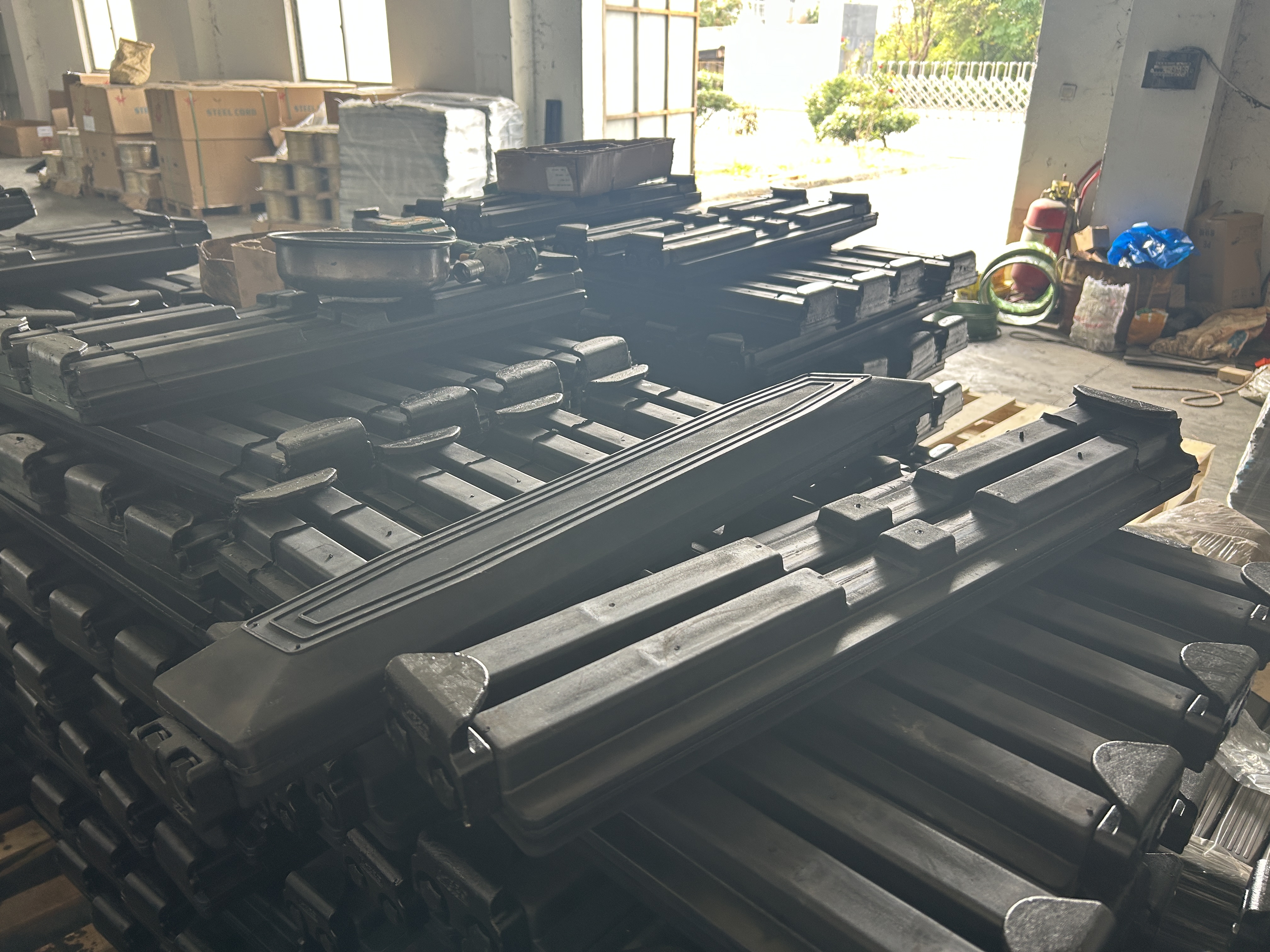
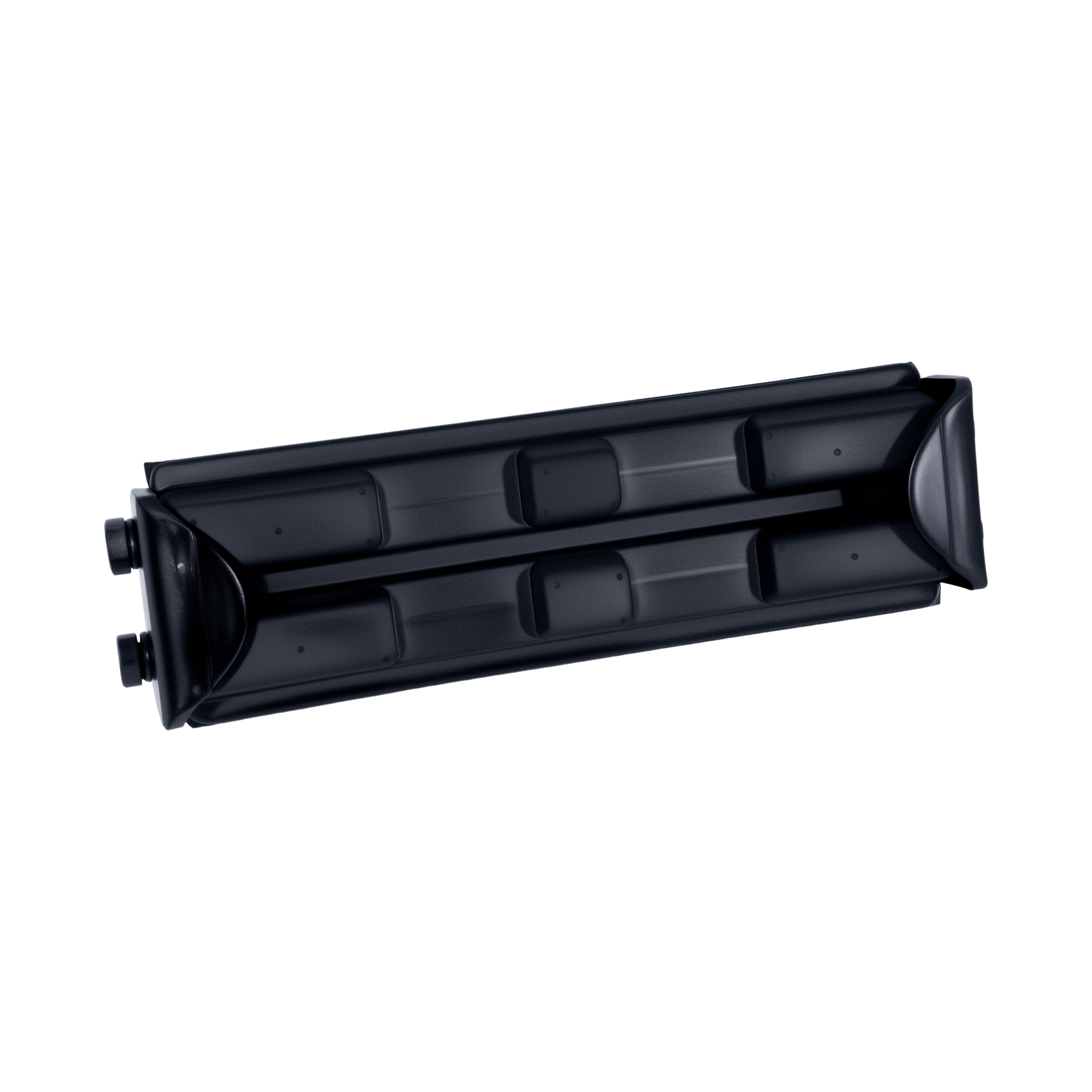
Heavy equipment operators face mounting pressure to protect finished surfaces while maintaining the aggressive traction required for raw earthworks. Clip-on excavator track pads have emerged as a critical rapid-deployment solution, bridging the gap between bare steel grousers and dedicated continuous rubber tracks. By utilizing a heavy-duty rubber compound bonded to a steel core that physically hooks over the edge of a standard steel shoe, these pads eliminate the need to drill or remove existing grousers, offering a highly modular approach to fleet management.
How they reduce downtime
The primary financial driver for adopting clip-on pads is the dramatic reduction in equipment downtime during surface transitions. Traditional bolt-on pads require aligning four individual bolts per shoe, often necessitating two mechanics, pneumatic tools, and extensive labor. For a standard 15-metric-ton excavator outfitted with 80 track shoes, installing traditional bolt-on pads can consume 8 to 12 labor hours.
In contrast, clip-on configurations utilize a fixed hook on one side and a single heavy-duty bolted bracket on the other. A single operator can equip the same 15-ton machine in approximately 1.5 to 2.5 hours. This rapid deployment capability reduces non-billable transition time by up to 80 percent, allowing contractors to seamlessly move machinery from muddy excavations to paved roadways within the same shift.
Best operating environments
Clip-on track pads deliver maximum return on investment in urban environments, utility corridors, and residential developments where machines frequently cross asphalt, cured concrete, or historical cobblestone. Bare steel grousers exert point loads exceeding 4,000 PSI, which instantly fractures asphalt and chips concrete edges. The rubber matrix of the pad distributes this load, preventing catastrophic surface damage and subsequent municipal repair fines.
These pads are typically engineered for excavators ranging from 5 to 25 metric tons. Beyond the 25-ton threshold, the sheer torsional forces exerted during aggressive slewing can compromise the clip-on bracket mechanism. For heavier demolition-class machinery, bolt-on pads or heavy-duty roadliners remain the preferred alternative to ensure structural stability.
How to Compare Clip-On Excavator Track Pads
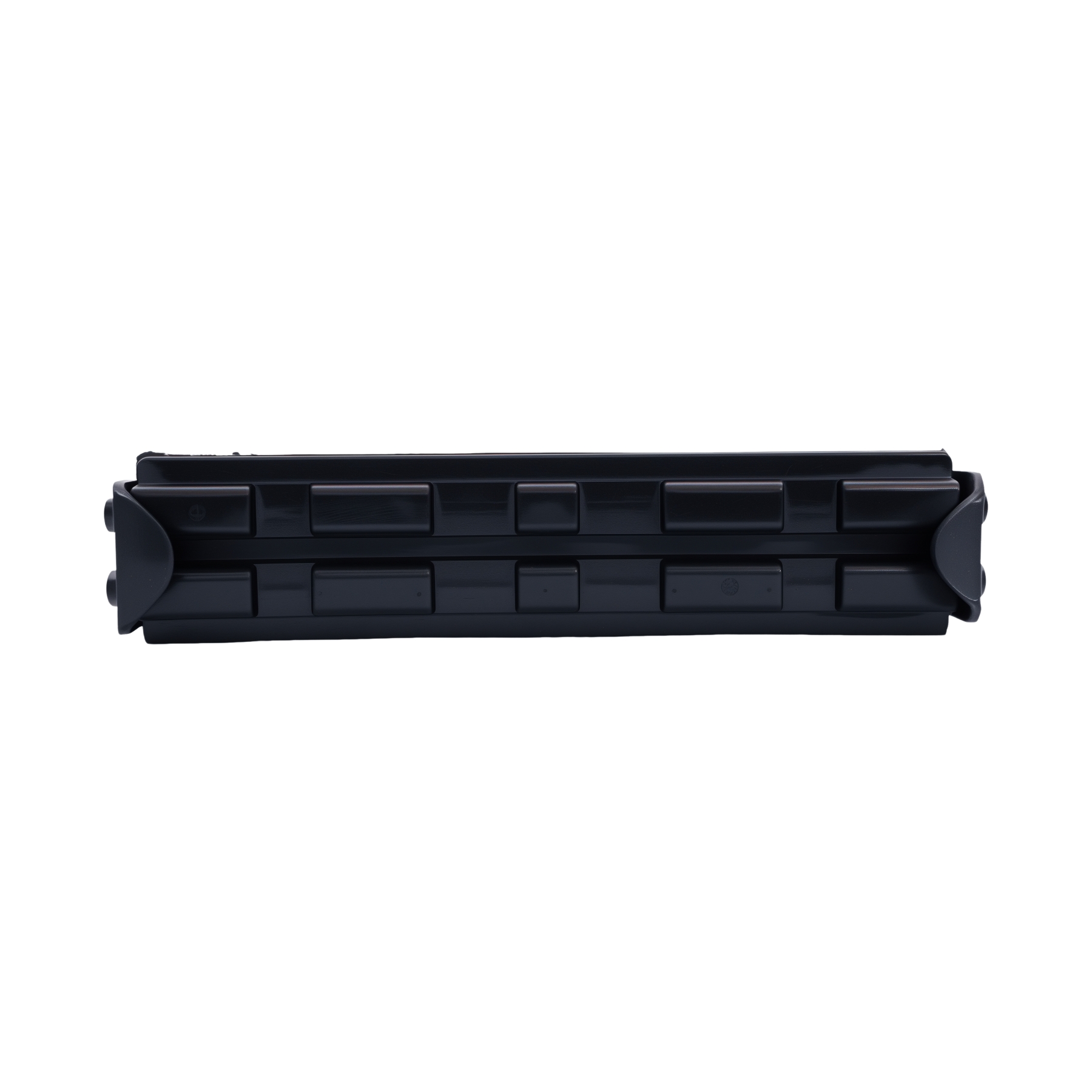
Evaluating clip-on track pads requires looking beyond basic dimensional compatibility. Procurement specialists and fleet managers must assess material composition, internal bracket architecture, and lifecycle economics to ensure the pads withstand high-torque maneuvering without premature delamination or failure.
Key technical specifications
The durability of a clip-on pad hinges directly on the quality of its rubber matrix and the integrity of its internal steel core. Premium pads utilize a blended natural and synthetic virgin rubber compound, vulcanized at high pressures to achieve a durometer hardness of 75 to 80 Shore A. This specific hardness rating provides optimal cut and tear resistance against debris while retaining enough elasticity to grip slick paved surfaces effectively.
Additionally, the internal steel core must feature a minimum thickness of 5mm to 8mm, depending on the machine class. An adequately reinforced core prevents the pad from bending and detaching when the excavator pivots on uneven terrain, ensuring the rubber remains securely bonded to the steel under heavy lateral stress.
Commercial evaluation points
Commercial evaluation requires balancing initial capital expenditure against operational longevity. While clip-on pads often carry a 15 to 25 percent price premium over standard bolt-on alternatives, the immediate labor savings generally offset this variance within the first two installation cycles.
| Pad Type | Average Install Time (15-ton) | Typical Lifespan (Hours) | Initial Cost Premium | Ideal Application |
|---|---|---|---|---|
| Clip-On | 1.5 – 2.5 hours | 500 – 800 | +20% | Frequent surface transitions |
| Bolt-On | 8.0 – 12.0 hours | 600 – 900 | Baseline | Semi-permanent surface protection |
| Roadliner | 6.0 – 10.0 hours | 1,000 – 1,500 | +40% | Long-term urban infrastructure |
Buyers should also verify warranty terms regarding chunking and delamination. Standard industry warranties typically cover the first 300 to 500 operating hours under normal urban conditions, providing financial protection against manufacturing defects in the vulcanization process.
How to Select and Standardize Clip-On Excavator Track Pads
Transitioning an equipment fleet to a rapid-deployment clip-on system requires a strategic approach to procurement, inventory management, and operator training. Standardization prevents mixed-inventory headaches and ensures pads are immediately available for urgent municipal deployments.
Procurement and installation best practices
Successful procurement starts with standardizing steel shoe widths across the fleet, typically targeting common dimensions like 400mm, 450mm, or 600mm. When ordering custom sizes or specific non-marking rubber compounds for specialized indoor environments, manufacturers generally impose a Minimum Order Quantity (MOQ) of 50 to 100 units.
During installation, operators must thoroughly clean mud, rocks, and debris from the steel grouser before attaching the pad; trapped material can prevent the clip from seating correctly, leading to pad loss. The securing bracket must be torqued to the manufacturer’s precise specifications—often between 80 and 120 Nm—to prevent lateral shifting during heavy slewing operations.
Fleet decision framework
Developing a fleet decision framework involves analyzing the frequency of surface transitions across the company’s project portfolio. For fleets managing 10 or more mid-sized excavators, standardizing on clip-on rubber pads for machines dedicated to utility repair or urban trenching yields significant compounding returns.
If a machine transitions between raw dirt and finished pavement just four times a month, saving 8 hours of labor per transition at a burdened rate of $85 per hour equates to $2,720 in monthly savings per machine. This quantifiable framework clearly identifies which excavators should receive clip-on inventory allocations versus those that operate strictly in quarries or earthmoving sites where bare steel remains optimal.
Key Takeaways
- The most important conclusions and rationale for Clip On Excavator Track Pads
- Specs, compliance, and risk checks worth validating before you commit
- Practical next steps and caveats readers can apply immediately
Frequently Asked Questions
What are clip-on excavator track pads used for?
They protect asphalt, concrete, and finished surfaces while letting steel-tracked excavators keep working on mixed job sites with minimal changeover time.
How fast can clip-on track pads be installed?
On a typical 15-ton excavator, clip-on pads can often be fitted by one operator in about 1.5 to 2.5 hours, much faster than most bolt-on setups.
Which excavator sizes are best suited for clip-on pads?
They are commonly best for excavators from about 5 to 25 metric tons. Heavier machines often need bolt-on pads or roadliners for better stability.
How do I choose the right clip-on pad from Gator Track?
Match the shoe width, track chain style, machine model, and working conditions. Gator Track can also help compare clip-on, bolt-on, and chain-on pad options.
When should I choose clip-on pads instead of bolt-on rubber pads?
Choose clip-on pads if your fleet frequently moves between dirt and paved areas in the same shift. They usually save more labor and reduce downtime on transition-heavy jobs.
Post time: May-18-2026