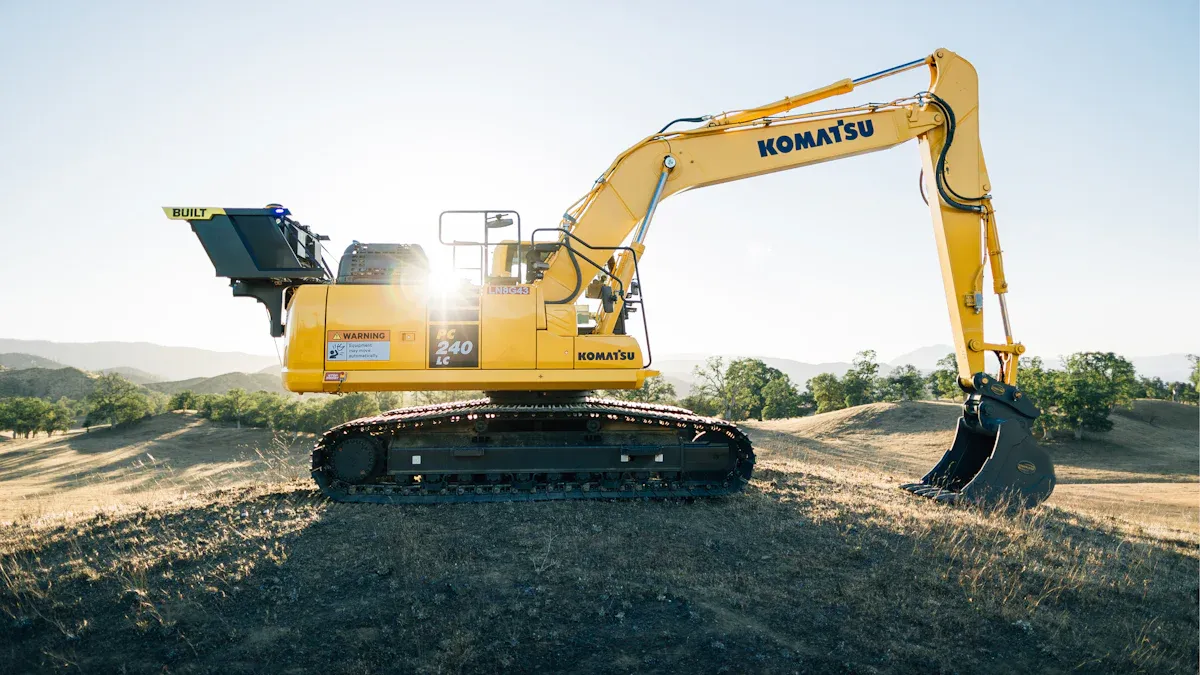
Excavator tracks come in many types, each designed for specific jobs. Demand keeps rising as construction and farming expand worldwide. Many choose rubber tracks because they offer great traction and protect the ground. New technology also makes these tracks last longer and work better in tough conditions.
Key Takeaways
- There are many kinds of rubber tracks for different jobs.
- Multi-bar tracks help machines grip soft ground better.
- Solid tracks are strong and work well on rough surfaces.
- Padded tracks keep fragile areas safe from damage.
- Continuous tracks last long and give a smooth ride.
- Picking the right track makes machines more stable.
- It also protects the ground and saves fuel.
- The right track means less time fixing problems.
- Match tracks to the job and ground for best results.
- Check and clean tracks often to keep them working well.
- Write down when you do maintenance in a log.
- Trained workers can find problems early.
- This helps stop big, expensive repairs later.
Main Types of Excavator Tracks
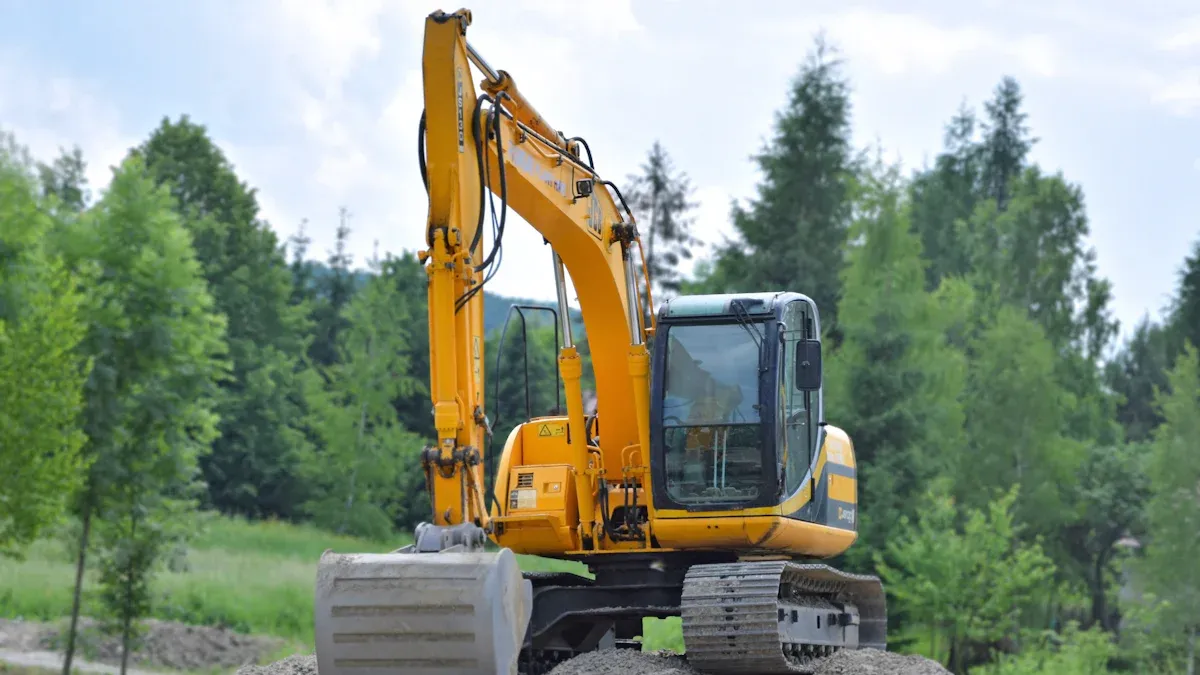
Choosing the right excavator tracks can make a big difference on the job site. Each type has its own strengths and best uses. Let’s look at the main types you’ll find on the market today.
Multi-Bar Rubber Tracks
Multi-bar rubber tracks stand out for their unique tread pattern. The multiple bars give extra grip and stability, especially in muddy or soft ground. Many operators notice up to 30% more productivity when using these tracks in tough conditions. The design spreads the machine’s weight, so the excavator does not sink as much in soft soil. This also helps reduce ground pressure and keeps the surface protected.
Tip: Multi-bar rubber tracks work well for landscaping, agriculture, and construction sites with loose or wet soil.
Here’s a quick look at how they perform:
| Performance Aspect | Details |
|---|---|
| Productivity Improvement | Up to 30% higher, especially in muddy or soft terrain |
| Traction and Stability | Multiple bars boost grip and reduce slippage |
| Ground Pressure Reduction | Larger surface area keeps machines from sinking |
| Durability | Premium tracks last 1,000-1,500 hours (standard: 500-800 hours) |
| Fuel Efficiency | Less slippage means lower fuel use and less maintenance |
| Maneuverability | Easier to steer in tight or tricky spots |
Multi-bar rubber tracks often last twice as long as standard tracks. John Deere’s multi-bar design, for example, spreads weight evenly and uses strong steel cords to boost durability. This means less downtime and fewer replacements.
Solid Rubber Tracks
Solid rubber tracks are built for tough jobs. They use advanced rubber blends and reinforced steel cords to handle rough surfaces like rocks and asphalt. These tracks often last over 1,000 hours, while basic tracks may only reach 500-700 hours. The special rubber mix resists cuts, tears, and chemicals, so the tracks keep working even in harsh environments.
- Operators who switch to high-performance solid rubber tracks usually replace them just once a year, instead of two or three times.
- Emergency repairs drop by 85% after upgrading to premium tracks.
- Self-cleaning tread patterns help keep debris out, so traction stays strong.
Solid rubber tracks also use anti-vibration technology. This makes the ride smoother for the operator and reduces stress on the machine.
Padded Rubber Tracks
Padded rubber tracks come with extra rubber pads attached to the base track. These pads protect delicate surfaces like pavement, concrete, or finished landscaping. They are a popular choice for urban construction, roadwork, and jobs where ground damage must be avoided.
Note: Padded tracks are easy to install and remove. This flexibility lets operators switch between different surfaces without changing the whole track.
The pads absorb shocks and reduce noise, making them ideal for work in neighborhoods or near schools. They also help extend the life of the underlying track by acting as a buffer against wear.
Continuous Rubber Tracks
Continuous rubber tracks use a seamless design with no joints or weak spots. This makes them very strong and reliable. The seamless build gives a smoother ride and better grip on all kinds of terrain, from mud to gravel.
- Continuous tracks spread weight evenly, so the excavator does not leave deep ruts or compact the soil too much.
- Operators report up to 75% less ground pressure compared to wheeled machines.
- These tracks often last 1,800–2,000 hours, which is much longer than traditional tracks.
- Downtime drops by up to 57% because the tracks rarely fail or need emergency repairs.
Continuous rubber tracks also help operators work longer in muddy seasons and reduce fuel use by about 8%. The smooth ride means less fatigue and higher productivity.
| Track Type | Service Life (hours) | Downtime Reduction | Notes |
|---|---|---|---|
| Continuous Rubber Tracks (steel cord reinforced) | 1,800–2,000 | Up to 57% | Seamless design, even weight, less soil compaction, smoother ride |
| Traditional Rubber Tracks | ~1,200–1,500 | Lower | More downtime, more frequent replacements |
| Polyurethane-based Tracks | ~900 | Up to 63% | High cut resistance, longer operation in muddy conditions |
| Hybrid Tracks | >3,000 | N/A | Advanced materials, best for mining |
Rubber Track Pads
Rubber track pads attach to steel tracks to give the benefits of rubber without replacing the whole track. They protect finished surfaces and reduce noise. Many operators use them for roadwork, bridge building, or any job where steel tracks might damage the ground.
- Track pads are easy to install and remove.
- They help extend the life of steel tracks by acting as a cushion.
- Pads come in different styles, such as bolt-on, clip-on, or chain-on, to fit various machines.
Tip: Rubber track pads are a cost-effective way to upgrade steel tracks for sensitive surfaces.
No matter which type you choose, modern excavator tracks use advanced rubber compounds and steel cords for better wear resistance and longer service life. The right track can save money, reduce downtime, and keep your projects moving forward.
Choosing and Using Excavator Tracks
Rubber Tracks vs. Steel Tracks
When picking between rubber tracks and steel tracks, operators should think about the job site and machine needs. Steel tracks work best on rough, rocky, or muddy ground. They last longer in harsh conditions and give better traction on steep slopes. Rubber tracks, on the other hand, protect paved roads and lawns. They run quieter and make the ride smoother for the operator. The table below shows how these two types compare:
| Performance Metric | Steel Tracks | Rubber Tracks |
|---|---|---|
| Durability | Very high | Good, but less in rough terrain |
| Traction | Best on rough, muddy ground | Best on soft or paved surfaces |
| Noise and Vibration | Louder, more vibration | Quieter, less vibration |
| Surface Impact | Can damage roads and turf | Gentle on surfaces |
| Maintenance | Needs more upkeep | Easier to maintain |
Selecting the Right Track for Terrain and Application
Operators should match excavator tracks to the ground and job. Steel tracks handle rocky, uneven, or muddy areas well. Wider tracks help machines stay stable and avoid sinking in soft soil. For city work or landscaping, rubber tracks keep surfaces safe and reduce noise. Choosing the right track boosts efficiency and helps the machine last longer. Experts say that using crawler excavators with wider tracks on soft ground improves grip and keeps the machine steady.
Practical Tips for Installation and Maintenance
Proper care keeps excavator tracks working longer. Operators should check tracks often for wear or damage. Maintenance logs help schedule repairs and spot problems early. These logs also track what repairs work best and help plan future service. Regular inspections and cleaning stop dirt from building up and causing trouble. Keeping good records means less downtime and longer track life. Rubber track pads, for example, lower vibration and protect the undercarriage, which cuts down on repairs and keeps machines running smoothly.
Choosing the right tracks for each job keeps machines safe and efficient. Operators who keep detailed maintenance records spot problems early and extend track life. Regular checks and trained operators help prevent damage. For more advice, contact sales@gatortrack.com, Wechat: 15657852500, or LinkedIn.
FAQ
How long do rubber tracks usually last?
Most rubber tracks last between 1,000 and 2,000 hours. Lifespan depends on the job site, how the operator drives, and regular maintenance.
Can operators install rubber tracks by themselves?
Yes, operators can install rubber tracks with basic tools. Many find the process quick and simple. Always follow the manufacturer’s instructions for safety.
What surfaces work best for rubber tracks?
Rubber tracks perform best on flat, smooth surfaces like pavement, grass, or dirt. They help protect finished ground and reduce machine vibration.
Post time: Jun-12-2025