
I understand the challenges of urban excavation. Steel tracks on excavators can severely damage city roads and driveways. This causes costly repairs. I find that excavator rubber track pads offer a crucial solution. They prevent surface damage. I consider them essential for protecting urban infrastructure during projects.
Key Takeaways
- Excavator rubber track pads protect city surfaces. They prevent damage to roads and lawns. This saves money on repairs.
- Choose the right rubber track pad for your machine. Match it to your excavator’s weight and the ground you work on. This helps your project run smoothly.
- Install and maintain rubber track pads correctly. Inspect them often for wear. This makes them last longer and keeps your work safe.
Why Excavator Rubber Track Pads are Essential for Urban Sites
Protecting Urban Surfaces from Steel Tracks
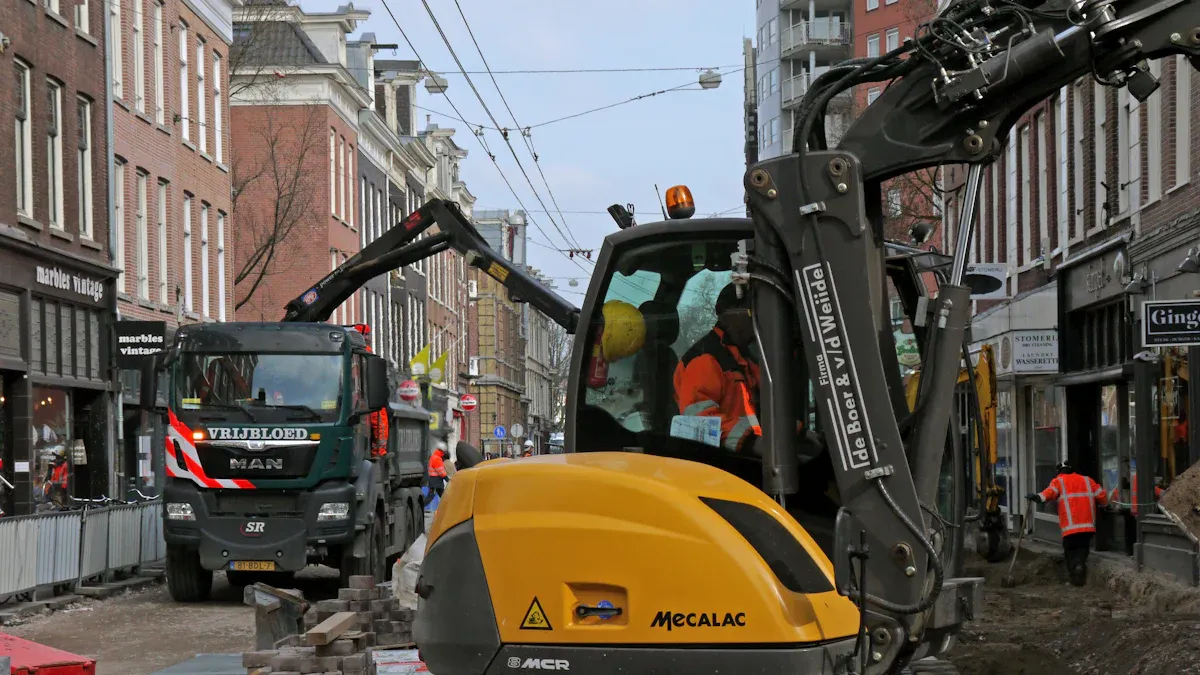
I know steel tracks can cause significant damage. They are less ideal for urban construction sites. I have seen them chip concrete, tear up turf, and leave deep grooves in soft soil. Urban environments feature many delicate surfaces. These include lawns, asphalt, pavements, and even indoor floors. Using excavator rubber track pads prevents this costly damage. I find they protect these surfaces effectively.
Reducing Noise and Vibration with Rubber Pads
Urban projects often face strict noise regulations. Steel tracks create considerable noise and vibration. Rubber pads significantly reduce these disturbances. I notice a much quieter operation when using them. This benefits both the operators and nearby residents. It also helps maintain a more peaceful work environment.
Enhancing Traction and Stability on Paved Surfaces
I find that rubber pads offer superior grip. They provide excellent traction on various surfaces. This includes concrete and asphalt. Their unique tread patterns prevent slippage. This is true even on damp or slick surfaces. Rubber tracks also significantly reduce vibrations. This enhances machine stability. I can operate with confidence, ensuring smooth movement and stability. This is crucial for safety and efficiency.
Minimizing Ground Disruption in City Environments
Minimizing disruption is key in urban areas. Steel tracks can leave lasting marks. They tear up lawns and create unsightly ruts. Rubber pads distribute the machine’s weight more evenly. This prevents deep ground disruption. I can work on sensitive areas like parks or landscaped properties. I leave minimal impact behind. This helps maintain the aesthetic appeal of city environments.
Types of Excavator Rubber Track Pads for Urban Use
I understand that choosing the right track pad is crucial for urban excavation. Different projects demand specific solutions. I find that various types of excavator rubber track pads offer distinct advantages. Each type caters to different needs for surface protection, installation ease, and durability. I will explain each type so you can make an informed decision.
Bolt-On Rubber Pads: Versatility and Easy Replacement
I often recommend bolt-on rubber pads for their versatility. These pads attach directly to the steel grousers of your excavator’s tracks. You secure them with bolts. This design makes them a popular choice. They offer a balance of protection and durability.
I have seen these pads significantly reduce damage to the ground. They prevent metal tracks from digging deep. This stops ruts and trenches from forming. Bolt-on rubber pads also reduce vibration transmitted to the operator. This lessens fatigue and improves comfort. I find this boosts productivity. They also improve the excavator’s maneuverability on smooth surfaces. This provides more traction. It leads to faster task completion and reduced costs.
I use bolt-on pads in many applications. They are ideal for urban environments where minimizing ground disruption is critical. I see them on excavators, multi-terrain loaders, and asphalt pavers. They perform well on various surfaces. This includes asphalt, loose gravel, wet surfaces, or uneven ground. These pads protect surfaces from damage. They prevent steel tracks from digging into the ground. This stops dangerous trenches or ruined paved surfaces. I also notice they reduce machine noise. This offers quieter operation in residential areas. They provide excellent durability. This comes from abrasion-resistant, anti-chunking rubber compounds. This reduces maintenance needs. It extends pad life. Bolt-on pads enhance traction. This makes machines more maneuverable. It prevents them from getting stuck. This leads to faster task completion. It increases efficiency. They also improve control and stability. This is especially true in conditions needing a solid grip. I find they reduce slippage. This decreases fuel and energy consumption. It improves fuel efficiency. It also reduces wear on the engine. This extends machine life. I see increased overall productivity. Operators complete tasks more quickly and accurately. I use them in construction projects, landscaping projects, and road building projects. They work well on diverse terrains. This includes dirt, gravel, and stone. They contribute to noise reduction. This makes equipment less harmful to the environment. It is less annoying to the surrounding region. They save construction costs. They increase safety and operational effectiveness of excavators.
Clip-On Rubber Pads: Quick Installation and Removal
I find clip-on rubber pads incredibly convenient. They are perfect for jobs requiring frequent changes between steel tracks and rubber protection. You can quickly install or remove them. They simply clip over the existing steel grousers. This saves significant time on site. I often use them for temporary surface protection. For example, if I need to cross a paved driveway to reach a dirt work area, I can quickly attach them. Then, I remove them once I am on the less sensitive ground. This quick changeover minimizes downtime. It maximizes efficiency.
Roadliner Rubber Pads: Maximum Surface Protection
When maximum surface protection is my priority, I choose roadliner rubber pads. These pads offer superior safeguarding for delicate surfaces. They are specifically designed to prevent any damage. I find them essential for working on new asphalt, decorative concrete, or sensitive indoor flooring.
Roadliner Track Systems feature a hardened steel plate. This plate is fully encased in a durable rubber compound. This provides maximum surface protection and superior traction. I have also seen versions with one-piece polyurethane. This is permanently bonded to a steel triple grouser. They often have a full inch (25mm) of polyurethane above the steel triple grouser. This ensures maximum wear time. Manufacturers make them with high-quality polyurethane. This offers a longer wear life than rubber alternatives. I also know Duraline rubber pads. They are made from a heavy-duty hard rubber compound. This compound is bonded to a steel core. They are designed to protect road surfaces. They minimize damage effectively.
Direct-to-Chain Rubber Tracks: Integrated Performance
For machines that primarily operate on sensitive surfaces, I often opt for direct-to-chain rubber tracks. These are not just pads. They are chain on rubber pads that replace the entire steel track system. I find they offer integrated performance. They provide superior flotation. This reduces ground pressure. They also give excellent traction. This ensures maximum surface protection. I use them on smaller excavators or compact track loaders. These machines spend most of their time on finished surfaces. This option provides the ultimate in surface care. It also offers a smoother ride for the operator.
Key Factors for Selecting Excavator Rubber Track Pads
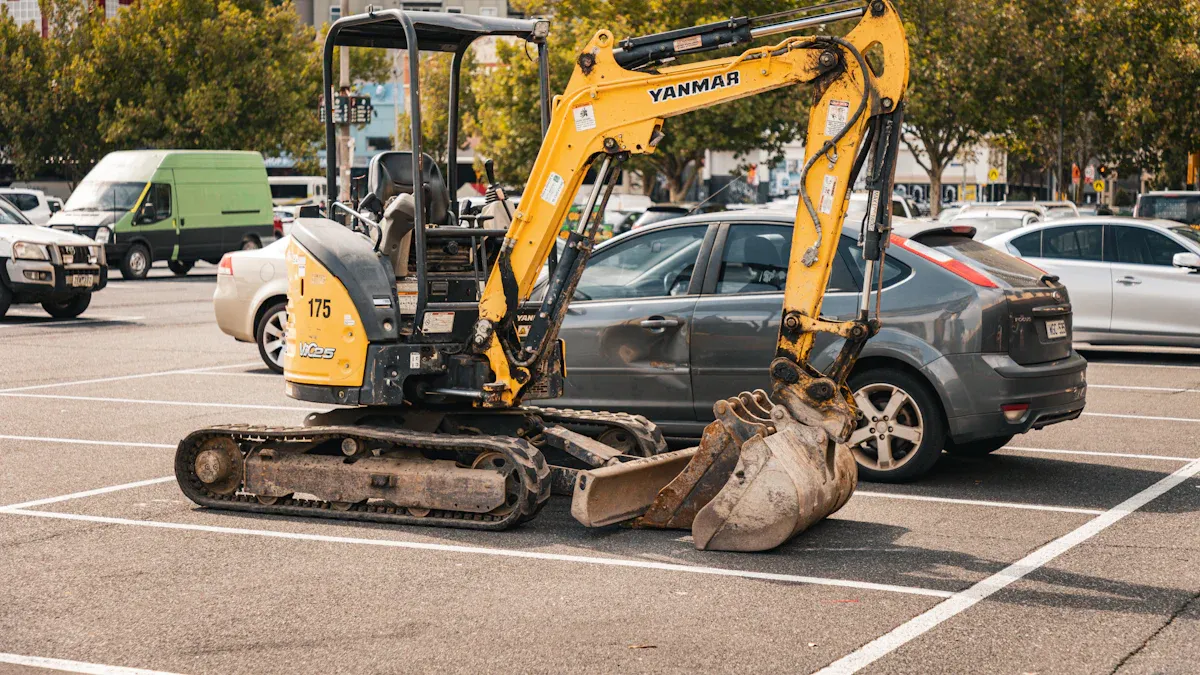
I know choosing the right excavator rubber track pads is a critical decision. It impacts performance, safety, and your project’s budget. I always consider several key factors before making a selection. These factors ensure I get the best fit for my specific needs.
Matching Pads to Machine Type and Weight
I always start by matching the pads to my machine’s type and weight. Rubber track pads are versatile. I find them on heavy equipment with machine weights ranging from 2-ton to 25-ton. The weight of your excavator directly influences the stress placed on the pads. For example, I often use bolt-on pads for machines in the 10 to 15-ton range. This specific type offers a good balance of protection and durability for that weight class. Selecting pads designed for your machine’s size prevents premature wear and ensures optimal performance.
Considering Surface Types: Asphalt, Concrete, Grass
The type of surface I work on heavily influences my pad choice. Different surfaces require different levels of protection and grip.
- Asphalt: I need pads that protect the asphalt without leaving marks or causing damage. While specific durometer ratings for asphalt are not always available, I look for pads known for their non-marking properties and smooth contact.
- Concrete: For concrete surfaces, the hardness of the pad is crucial. I refer to durometer ratings to ensure the pad can withstand the concrete’s strength.
| Concrete PSI (mPa) | Durometer Rating |
|---|---|
| 1,500–6,000 (10–40) | 50 |
| 2,500–7,000 (17–50) | 60 |
| 4,000–7,000 (28–50) | 70 |
| 7,000–12,000 (50–80) | 70 |
Note: Neoprene pads used for concrete with design strengths from 7,000 to 12,000psi (50 to 80 mPa) must be qualified by the user, as noted in ASTM C1231.
- Grass/Turf: When working on grass or landscaped areas, I prioritize pads that are gentle. I want to minimize ground disturbance. Hex pattern pads are excellent for turf. They provide a smooth ride and protect the grass.
Assessing Job Site Conditions and Terrain
Job site conditions are never uniform. I always assess the terrain and environmental factors. This helps me choose the most effective rubber track pads. The inherent flexibility and resistance to tearing in rubber track pads provide superior crawling grips. This is crucial for navigating uneven terrain and performing hill climbing maneuvers. However, I know uneven road surfaces can increase the risk of pad slipping and edge damage. This highlights the need for careful operation and appropriate pad selection.
I consider various tread patterns for different terrains:
| Tread Pattern | Recommended Environment | Key Features and Benefits |
|---|---|---|
| Straight Bar | Muddy, loose soil | Aggressive traction, deep lugs for movement in mud |
| Staggered | Rocky, gravelly terrain | Durable, heat-resistant, grips abrasive surfaces |
| C-LUG / C-Pattern | Urban, highway, landscaping | Smooth ride, protects turf, boosts traction |
| Multi-Bar | Mixed conditions | Smooth ride, effective on hard and loose ground |
| Zig-Zag/Block | Muddy, loose soil | Enhanced grip, facilitates mud clean-out |
| H-Pattern | Rock, mud, concrete, slopes | Reduces vibration, suitable for diverse surfaces |
| Hex Pattern | Turf, landscaping | Gentle on grass, provides a smooth ride |
Weather conditions also play a crucial role. Extreme temperatures, moisture, and chemicals can degrade rubber. I select tracks designed to withstand specific weather conditions. This includes heat-resistant or UV-resistant coatings for hot climates. I also look for robust materials for cold, wet, or chemical-heavy environments. This is vital for durability and performance. Varying job site conditions, such as uneven ground, loose gravel, or muddy environments, directly influence my selection. I choose rubber track pads to improve traction and stability in these challenging terrains. This enables my machinery to safely climb slopes and navigate obstacles. For example, in forestry or quarrying, rugged rubber pads are essential for maintaining grip and preventing slippage.
Durability and Lifespan of Rubber Track Pads
Durability is a major concern for me. I want my investment to last. Excavator rubber track pads generally have an average lifespan of 1,000 hours. However, this can vary significantly. Side-Mount (Clip-On) pads often offer a longer service life. This is due to their construction with more rubber and steel. I also know that using the correct pads for the job can extend the overall track life by 10–20%. This emphasizes the importance of proper selection.
Budget and Cost-Effectiveness of Your Investment
I always perform a cost-benefit analysis when investing in track pads. Initial purchase price is a factor. OEM tracks typically have a premium price. Aftermarket tracks generally offer a lower initial cost. I often find a 20% to 40% reduction from reputable suppliers. However, I look beyond the upfront cost. Quality aftermarket tracks are designed to address common failure points. These include premature wear, uneven wear, track damage, and debris accumulation. They achieve this through advanced rubber compounds, reinforced guide lugs, and robust formulations.
I prioritize longevity and consistent performance. Premium aftermarket options offer durability. This leads to consistent performance and reduced downtime. This pays off over the equipment’s lifespan. Cost-benefit analyses and total cost of ownership significantly influence my purchasing decisions. Long-term cost savings, durability, and reduced maintenance associated with rubber track pads are compelling factors. Despite higher initial costs, the return on investment (ROI) from reduced maintenance, increased productivity, and minimized machine downtime is significant. The Equipment Manufacturers Association (EMA) reports that investing in high-quality track pads can lead to a 30% increase in operational efficiency. The International Construction Equipment Consortium (ICEC) reveals that contractors using advanced track pad solutions saw a 15% reduction in fuel consumption. These are substantial savings.
Installation and Maintenance of Excavator Rubber Track Pads
I know proper installation and diligent maintenance are crucial for maximizing the lifespan and performance of your excavator rubber track pads. Following best practices ensures safety and efficiency on every job.
Proper Installation Techniques for Each Pad Type
I always emphasize correct installation. For bolt-on rubber pads, I follow a clear process.
- I align the bolt hole patterns of the rubber pad with those on your steel track shoe. This involves counting holes and measuring distances to ensure compatibility.
- I secure the pad to the steel track shoe using bolts and nuts.
- I clean the steel track shoes before installation to ensure the pads sit flush and prevent debris issues.
I always follow the manufacturer’s instructions for a secure fit. Most installations do not require specialized tools. The process is generally straightforward due to the bolt-on design.
Regular Inspection and Wear Monitoring
I regularly inspect my excavator rubber track pads to catch issues early. I monitor several critical points:
- I monitor lug chunking.
- I monitor guide ridge wear, especially if it exceeds 30%.
- I monitor embedded debris patterns.
- I utilize physical depth gauges for measurement.
- I utilize wear bars for measurement.
- I utilize photo documentation for measurement.
- I establish specific wear thresholds for each track position, with stricter tolerances for drive positions.
I also inspect for any signs of cracking or fraying on the rubber tracks.
Best Practices for Cleaning and Storage
I maintain my rubber tracks diligently.
- I keep tracks clean from dirt, debris, and other materials to prevent increased pressure and wear.
- I avoid exposing rubber tracks to chemicals, oils, salt, or other contaminants. If contact occurs, I wash them off promptly.
- I protect rubber tracks from extended direct sunlight exposure by parking in shade or covering them during prolonged storage.
- If equipment with rubber tracks is unused for a long time, I operate the machine for a few minutes every two weeks to maintain elasticity and prevent misshaping.
When to Replace Your Excavator Rubber Track Pads
I know when to replace pads. I look for significant wear, deep cracks, or missing sections. If the rubber is worn down to the steel core, replacement is necessary. Excessive vibration or reduced traction also signals it is time for new pads.
Long-Term Benefits of Using Excavator Rubber Track Pads
Avoiding Costly Repairs and Fines
I know avoiding damage to urban infrastructure is paramount. Steel tracks can cause significant harm. This leads to expensive repairs and potential fines. Using rubber track pads prevents this damage. I protect paved surfaces, sidewalks, and landscaping. This saves money on unexpected repair costs. It also helps me avoid penalties for property damage.
Protecting Your Reputation and Client Relationships
I understand my reputation is crucial in this industry. Delivering projects without damaging client property builds trust. Using rubber track pads shows my commitment to quality work. It demonstrates respect for the client’s site. This strengthens client relationships. It also leads to repeat business and positive referrals.
Improving Project Efficiency and Safety
I find rubber track pads significantly improve project efficiency. They offer superior traction and stability on diverse terrains. This includes mud, gravel, or soft soil. This reduces accident risks. It helps me maintain control during heavy-duty tasks. Being lighter than steel tracks, they improve equipment mobility. This allows faster and more efficient movement. It reduces strain on machinery. It enhances agility for quicker and safer task completion. The durability of rubber tracks means fewer breakdowns. This keeps equipment operational longer. It boosts productivity. Intelligent rubber track pads also improve project timelines. They enable predictive maintenance. This can reduce unplanned downtime by up to 30%. They enhance operational safety. They provide enhanced safety monitoring. They detect abnormal conditions. They alert operators. This leads to a reported 20% reduction in safety incidents.
Environmental Considerations and Sustainability
I prioritize environmental responsibility. Using rubber track pads helps reduce soil compaction. It minimizes damage to sensitive ground surfaces. This makes them more environmentally friendly than steel track pads. Recycling rubber pads reduces landfill waste. It conserves raw materials. It decreases carbon emissions from new rubber production. Some manufacturers use bio-based or partially recycled rubber. This reduces reliance on petroleum-based materials. It maintains product performance.
I stress the importance of selecting the right excavator rubber track pads. They are crucial for successful urban projects. I protect valuable infrastructure and ensure efficient, smooth operations. I make informed decisions. This guarantees damage-free urban excavation, safeguarding my work and reputation.
FAQ
What is the main benefit of using excavator rubber track pads?
I find they primarily protect urban surfaces. They prevent steel tracks from damaging roads, driveways, and landscaping. This saves money on repairs.
How do I select the correct rubber track pad for excavator?
I match the pads to my machine’s weight and the surface type. Consider bolt-on for versatility or roadliners for maximum protection.
How often should I inspect my excavator rubber track pads?
I regularly inspect them for wear, cracks, or chunking. This ensures safety and extends their lifespan. I look for any signs of damage.

Post time: Dec-04-2025