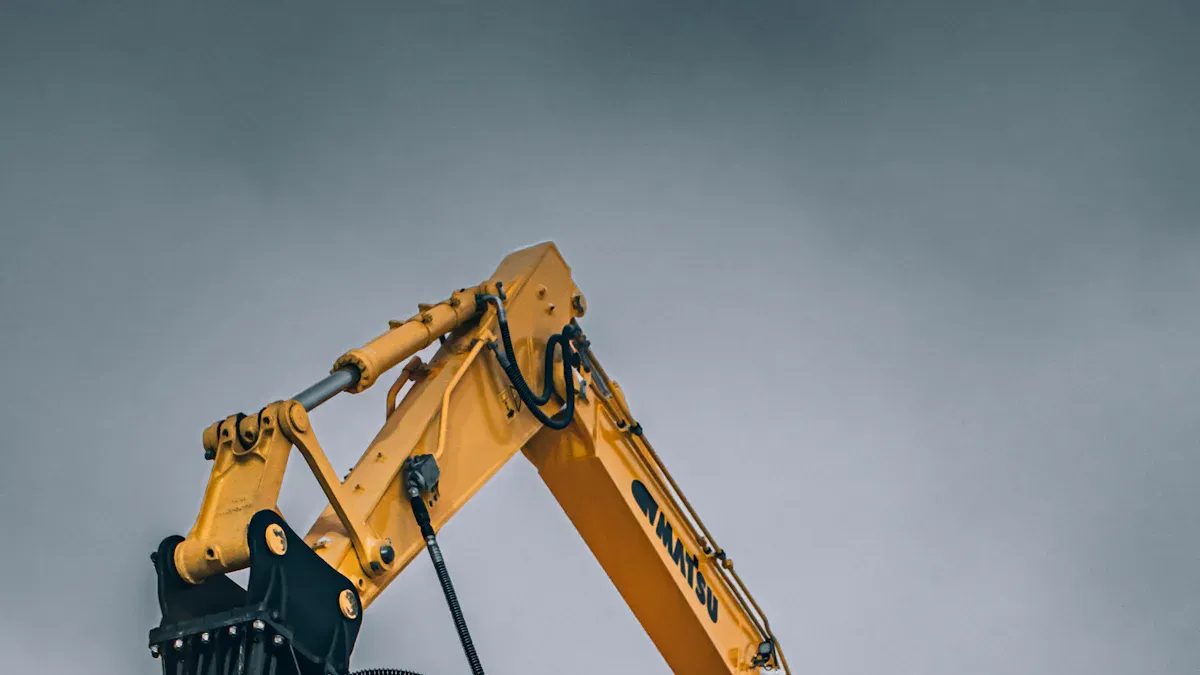
Excavator Tracks built with advanced steel alloys or reinforced rubber compounds deliver outstanding durability. Premium tread patterns and innovative bonding technology help these tracks withstand tough conditions. > Matching track features to terrain and application increases longevity and protects your investment.
Key Takeaways
- Choose excavator tracks made from advanced steel alloys or reinforced rubber to ensure strong durability and long service life.
- Match the track type and tread pattern to the terrain and job needs to improve performance and protect both the machine and the ground.
- Perform daily inspections, keep tracks clean, and maintain proper tension to extend track lifespan and avoid costly repairs.
Excavator Tracks: What Defines Durability?
Materials and Construction
Excavator Tracks show strength when manufacturers choose the right materials. Steel alloys resist bending and cracking. Reinforced rubber compounds absorb shocks and protect the track from damage. These materials help the tracks last longer in tough conditions. Many construction teams prefer rubber tracks because they offer elasticity and excellent wear resistance. Rubber tracks also isolate metal from the road surface, which reduces wear and extends service life.
Tip: Rubber tracks make installation easier and protect the ground from heavy machinery.
Design Features for Longevity
Design matters when it comes to durability. Engineers add special tread patterns to improve grip and reduce slippage. Wide track blocks spread weight evenly, which lowers pressure on the ground. Some tracks use innovative bonding technology to keep layers together, even under stress. These features help Excavator Tracks perform well on rocky, muddy, and urban surfaces.
- Premium tread patterns increase traction.
- Strong bonding keeps tracks from separating.
- Wide blocks protect both the track and the ground.
Manufacturing Advances
Modern factories use advanced techniques to build Excavator Tracks. Automated machines ensure each track meets strict quality standards. Heat treatment strengthens steel and makes it more resistant to wear. Manufacturers test rubber compounds for flexibility and toughness. These advances result in tracks that last longer and need fewer repairs.
| Manufacturing Advance | Benefit |
|---|---|
| Heat Treatment | Stronger steel |
| Automated Assembly | Consistent quality |
| Rubber Testing | Improved flexibility |
Excavator Tracks built with these methods offer better performance and longer lifespan. Construction teams can trust these tracks to handle demanding jobs.
Excavator Tracks: Steel vs. Rubber Comparison
Steel Tracks for Harsh Conditions
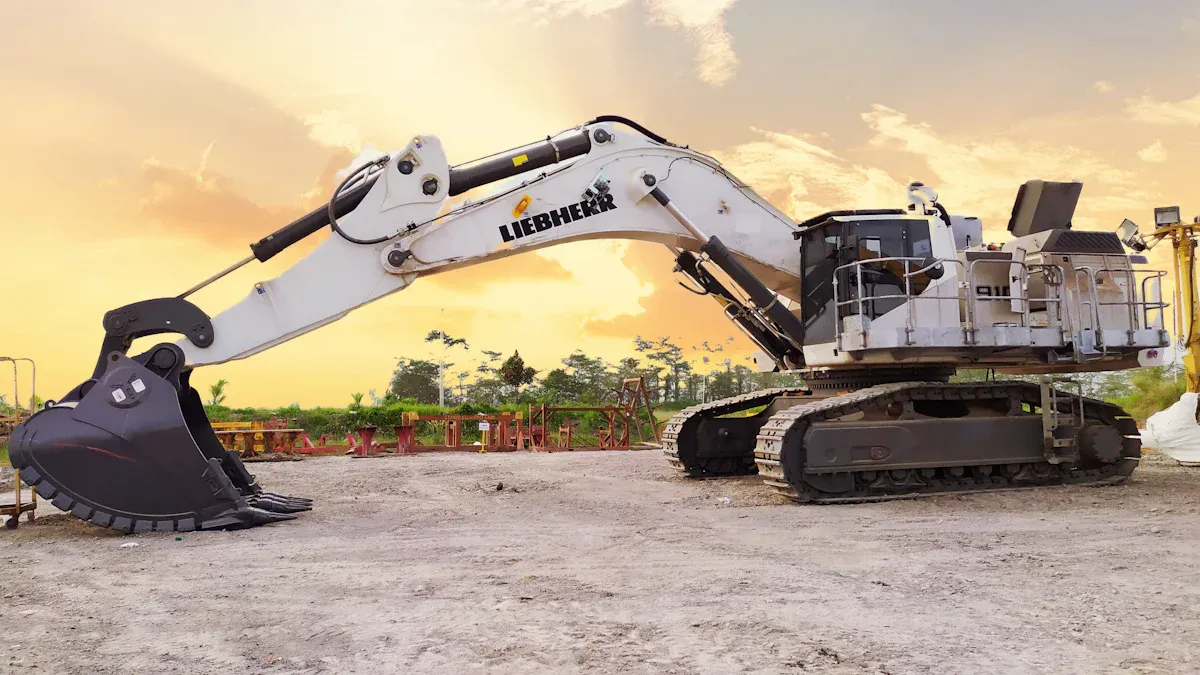
Steel tracks show impressive strength in tough environments. Construction teams choose steel tracks for rocky terrain and demolition sites. Steel resists bending and cracking. Workers rely on steel tracks when they need maximum stability and traction. These tracks handle heavy loads and rough surfaces with ease. Steel tracks last longer in harsh conditions. They help excavators move safely over uneven ground.
Steel tracks offer unmatched durability for demanding projects.
Rubber Tracks for Surface Protection
Rubber tracks protect delicate surfaces. Teams use rubber tracks on finished roads, lawns, and urban areas. The rubber absorbs shocks and reduces vibration. This keeps the ground safe from damage. Rubber tracks also make installation simple. Workers save time and effort during setup. The elastic rubber blocks isolate metal from the road. This extends the life of the tracks and reduces maintenance needs.
- Rubber tracks shield surfaces from scratches.
- Easy installation helps teams start work faster.
- Elastic rubber blocks increase track lifespan.
Hybrid Track Solutions
Hybrid tracks combine steel and rubber features. These tracks deliver strength and flexibility. Teams use hybrid tracks for mixed terrain. Hybrid tracks adapt to changing ground conditions. They offer stability on rough surfaces and protect softer areas. Workers benefit from the best qualities of both steel and rubber tracks. Hybrid solutions help teams complete projects efficiently.
Excavator Tracks: Tread Patterns and Performance
Standard vs. Premium Tread Options
Excavator Tracks come with a range of tread patterns. Standard tread options include block tread and straight bar tread. These patterns work well for general use and provide solid traction on surfaces like gravel, sand, and clay. Premium tread options, such as the premium C-pattern and multi-bar tread, deliver enhanced durability and grip. Premium C-pattern tracks excel in demolition projects, offering excellent traction on mud, dirt, and rocky terrain. Multi-bar tread patterns suit roadwork and general construction, providing high traction and a longer lifespan.
| Tread Pattern | Features & Benefits | Best Use Case |
|---|---|---|
| Block Tread | Versatile, reliable grip | General excavation |
| Straight Bar Tread | Smooth ride, strong traction in wet areas | Muddy or wet terrain |
| Premium C-Pattern | Superior traction, extended durability | Demolition, rocky surfaces |
| Multi-Bar | High traction, long-lasting | Roadwork, construction |
Premium tread patterns help teams tackle tough jobs with confidence and reduce downtime.
Selecting Tread for Specific Applications
Choosing the right tread pattern boosts performance and protects surfaces. For demolition, premium C-pattern tracks offer the best grip and durability. Landscaping teams prefer hex tread patterns, which minimize turf damage and leave lawns looking neat. Roadwork and general construction benefit from multi-bar lug patterns, which provide strong traction and resist wear. Snow removal crews rely on zig-zag or technology design formulation (TDF) treads for safe movement on icy ground. Straight bar treads work best in muddy conditions, helping machines avoid getting stuck. H-pattern tracks suit concrete, mud, and rocky sites, reducing vibration and undercarriage wear.
- Demolition: Premium C-pattern for traction and durability.
- Landscaping: Hex pattern for minimal turf marking.
- Roadwork: Multi-bar lug for strong grip and long life.
- Snow removal: Zig-zag or TDF for safe movement on ice.
- Muddy sites: Straight bar for maximum traction.
- General construction: H-pattern for smooth operation.
Selecting the right tread pattern depends on terrain, climate, and job requirements. Teams should consult experts to match Excavator Tracks to each project, ensuring safety and productivity.
Excavator Tracks: Terrain and Application Impact
Performance on Rocky, Muddy, and Urban Surfaces
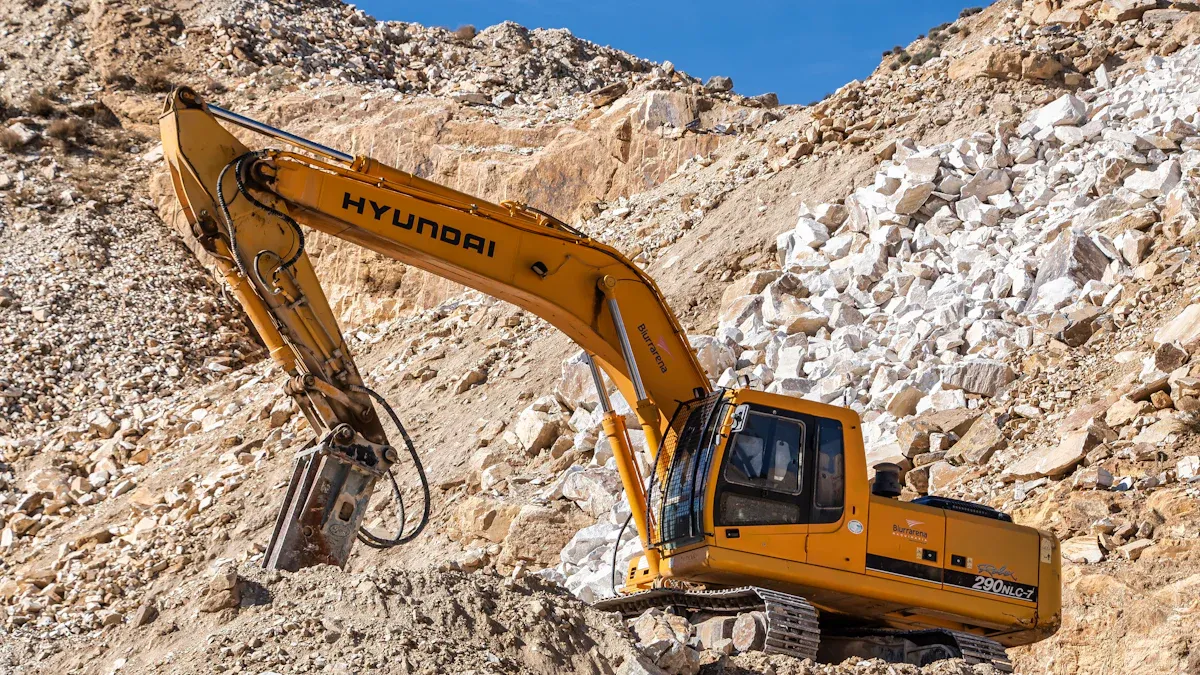
Excavators face different challenges on each terrain. Rocky surfaces demand tracks with strong grip and resistance to sharp edges. Steel tracks perform well in these conditions. They handle heavy loads and protect machines from damage. Muddy areas require tracks that prevent slipping and sinking. Wide tread patterns help machines move smoothly and avoid getting stuck. Urban surfaces need tracks that protect roads and sidewalks. Rubber tracks excel in cities. They absorb shocks and shield the ground from scratches.
| Terrain | Track Feature Needed | Benefit |
|---|---|---|
| Rocky | Strong grip, durability | Prevents damage |
| Muddy | Wide tread, traction | Avoids sinking |
| Urban | Shock absorption | Protects surfaces |
Tip: Teams should choose tracks based on the main terrain at the job site. This decision increases safety and reduces repair costs.
Matching Track Type to Project Needs
Project requirements guide track selection. Construction teams review the ground conditions before choosing tracks. Steel tracks suit demolition and mining projects. These tracks offer stability and last longer in harsh environments. Rubber tracks work best for landscaping, roadwork, and urban construction. They protect finished surfaces and make installation easier. Hybrid tracks combine the benefits of steel and rubber. Teams use hybrid tracks for projects with mixed terrain.
- Steel tracks: Best for rocky and uneven ground.
- Rubber tracks: Ideal for urban and landscaped areas.
- Hybrid tracks: Useful for changing terrain.
Teams improve efficiency and save money by matching track type to project needs. Proper selection ensures machines perform well and tracks last longer.
Excavator Tracks: Maintenance for Maximum Lifespan
Daily Inspection and Cleaning
Operators check tracks every day before starting work. They look for dirt, rocks, or debris stuck in the tread. Cleaning the tracks with water or a brush keeps them free from buildup. Teams remove mud and stones to prevent damage. Regular inspection helps spot problems early. This habit saves money and avoids downtime.
Tip: A clean track lasts longer and performs better on any terrain.
Proper Tensioning and Alignment
Teams adjust track tension to match the manufacturer’s guidelines. Loose tracks slip off easily. Tight tracks wear out faster. Workers use tension gauges to measure the fit. They align tracks to keep machines moving straight. Proper tension and alignment protect the undercarriage and extend track life.
- Correct tension prevents slipping.
- Good alignment reduces wear and tear.
Timely Repairs and Replacement
Crews fix small issues right away. They replace worn-out blocks or damaged sections. Quick repairs stop problems from getting worse. When tracks reach the end of their lifespan, teams install new ones. Fast action keeps machines running and protects the investment.
Note: Timely repairs and replacement ensure safety and boost productivity.
Excavator Tracks: Key Selection Factors
Project Requirements and Compatibility
Every project has unique demands. Teams must review the terrain, expected workload, and environmental conditions before choosing tracks. Compatibility matters. The right tracks fit the machine and match the job site. Construction crews often consult experts to ensure the tracks meet safety standards and work efficiently. When teams select tracks that suit their project, they reduce downtime and increase productivity.
Tip: Always check the machine’s specifications and job site conditions before making a decision.
Cost and Expected Lifespan
Cost plays a big role in track selection. Teams compare prices and look for tracks that offer the best value. Tracks with advanced materials and strong tread patterns may cost more, but they last longer. Investing in durable tracks saves money over time. Teams avoid frequent replacements and repairs. A longer lifespan means fewer interruptions and lower maintenance costs.
| Factor | Benefit |
|---|---|
| Higher Quality | Longer service life |
| Smart Investment | Reduced replacement cost |
Track Size and Fit
Track size affects machine performance. Tracks must fit the excavator perfectly. If the tracks are too small or too large, the machine may lose stability. Proper fit ensures smooth movement and protects the undercarriage. Teams measure the track width and length before installation. A good fit helps the machine work safely and efficiently.
- Measure track size before purchase.
- Confirm compatibility with the excavator.
- Choose tracks that support the machine’s weight.
Note: Correct track size and fit improve safety and extend track life.
Excavator Tracks: Product Introduction and Usage Tips
Benefits of Rubber Tracks for Excavators
Rubber tracks offer many advantages for construction teams. The elastic rubber absorbs shocks and reduces vibration. This feature protects both the machine and the ground. Rubber tracks provide excellent wear resistance, which extends their service life. Teams can install rubber tracks quickly and easily. The design helps isolate metal from the road surface, reducing direct contact and minimizing wear. Rubber tracks also help protect finished surfaces, such as roads and lawns, from damage during operation.
Teams that choose rubber tracks enjoy longer-lasting equipment and lower maintenance costs.
Precautions for Using Rubber Tracks
Operators must follow important precautions to keep rubber tracks in top condition. Rubber tracks work best on flat, smooth surfaces. Sharp objects, like steel bars or stones, can damage the rubber blocks. Teams should avoid dry friction by not dragging the machine along the edge of steps. Dry friction can scratch and thin the track edges. Smooth driving and gentle turns help prevent wheel detachment and track damage.
- Avoid sharp turns and sudden stops.
- Check the worksite for sharp debris before starting.
- Drive smoothly to protect the tracks.
Installation and Operation Best Practices
Proper installation and operation increase the lifespan of rubber tracks. Teams should measure the track size before installation. Correct tensioning ensures the track stays in place during use. Operators should inspect the tracks daily for dirt or damage. Clean tracks perform better and last longer. Teams should follow the manufacturer’s guidelines for installation and operation.
Regular inspection and careful use help teams get the most out of their rubber tracks.
Teams achieve the longest track life by choosing advanced materials and smart engineering. Regular inspection and proper care protect equipment and save money. Evaluate terrain, application, and budget before selecting the best track type. Smart choices help construction crews work safely and efficiently.
FAQ
What makes rubber tracks a smart choice for excavators?
Rubber tracks protect surfaces and extend service life. Teams install them quickly. Operators enjoy smoother rides and lower maintenance costs.
Choose rubber tracks for durability and efficiency.
How often should teams inspect excavator tracks?
Teams should inspect tracks daily. Early detection of damage prevents costly repairs.
- Regular checks keep machines safe and productive.
Can rubber tracks handle rough terrain?
Rubber tracks perform best on flat surfaces. Operators avoid sharp debris for longer track life.
| Tip | Always clear the worksite before starting. |

Post time: Aug-21-2025