
How Do Excavator Tracks Work? Insights from China Manufacturers
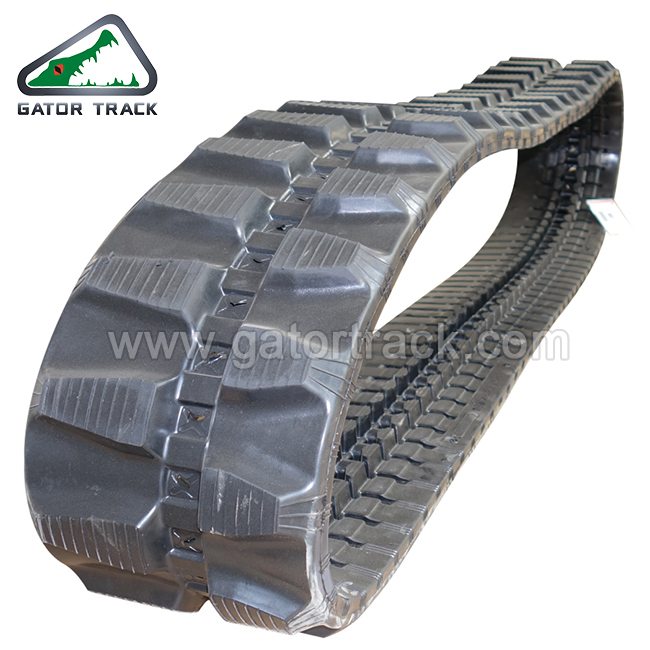
When I think about how excavator tracks work, I picture the precision and power behind every movement on a job site. As a leading manufacturer in China, our tracks are designed to provide optimum traction and stability, ensuring your excavators perform at their best. These tracks are crafted from high-quality materials, so they can withstand tough conditions, reducing wear and tear. I know how vital it is for you to keep your equipment running smoothly, and our tracks are built to meet that demand. With a seamless fit and advanced engineering, we make sure our products help your machines navigate various terrains effortlessly. If you need reliable machinery components that enhance performance and extend the life of your excavators, look no further. Choosing our tracks means you’re investing in durability and efficiency, tailored to your specific needs. Let's work together to keep your operations thriving!


How Do Excavator Tracks Work Application Industry Leaders
Excavator tracks are a critical component that enhances the efficiency and stability of excavators across various applications. Understanding how these tracks work provides insight into the functionality and advantages of machines in construction, mining, and agriculture. Essentially, excavator tracks are designed to distribute the weight of the vehicle over a larger surface area, minimizing ground pressure and enabling operation on soft or uneven terrain. The rubber or steel material of the tracks ensures durability, while the track system facilitates smooth movement and better traction in challenging environments. In the realm of the construction industry, excavator tracks play a pivotal role in site preparation, material handling, and earthmoving tasks. Their design allows for superior maneuverability around obstacles while maintaining the necessary grip for heavy loads. Additionally, advancements in track technology have led to improvements in efficiency, reducing fuel consumption and operational costs, which are crucial factors for industry leaders aiming to enhance productivity. Moreover, the application of excavator tracks extends to various sectors, including mining, where they are essential for transporting heavy materials over rough landscapes. Their capability to traverse rugged terrain safely makes them invaluable for ensuring seamless operation in resource extraction and transportation. As the global demand for construction and mining activities continues to rise, understanding the intricacies of excavator tracks will enable procurement professionals to make informed decisions about the machinery that best fits their operational needs.
How Do Excavator Tracks Work Application Industry Leaders
| Application | Industry | Advantages of Tracks | Common Use Cases |
|---|---|---|---|
| Construction | Civil Engineering | Better traction on uneven surfaces | Excavating foundations, digging trenches |
| Mining | Mining Industry | Lower ground pressure for soft soil | Material handling, site preparation |
| Forestry | Forestry Operations | Ability to navigate rough terrain | Tree felling, land clearing |
| Agriculture | Agricultural Sector | Reduced soil compaction | Field preparation, irrigation |
| Demolition | Construction and Renovation | Stability on debris | Building demolition, site clearing |
Related Products



How Do Excavator Tracks Work Factory Leads the Global Market
Top Selling Products




- Related Blog
- Reviews
