
Top China Rubber Track Loader Comparison: Key Features & Manufacturers
When I was in the market for a rubber track loader, I realized how crucial it is to compare different models and manufacturers, especially from China, where many reliable options are available. I found that understanding the features and specifications helped me make a better-informed choice. Each manufacturer offers unique advantages, like fuel efficiency, load capacity, and durability. By evaluating their products side by side, I discovered which one perfectly matched my needs and the demands of my projects. I also appreciated the competitive pricing that comes from choosing a China-based manufacturer, making my investment more worthwhile. If you're in a similar position, I highly recommend diving deep into the rubber track loader comparison before making a purchase—they can make a significant difference in your operations and overall productivity.
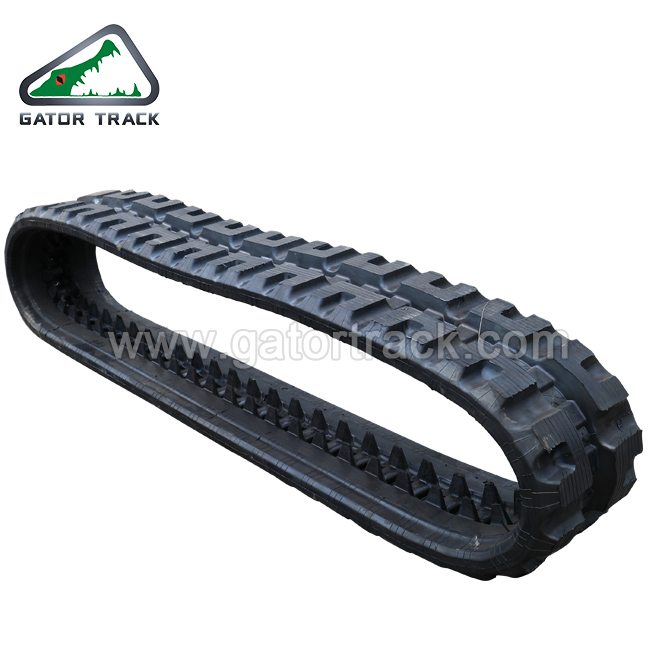
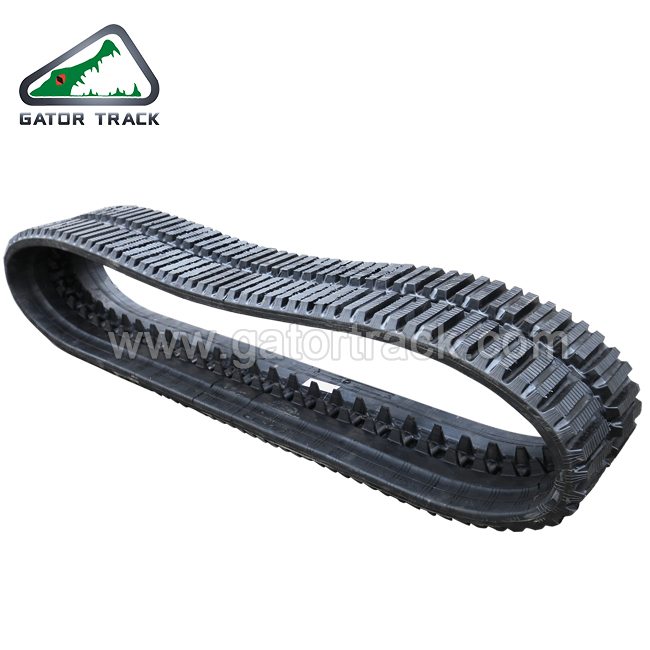
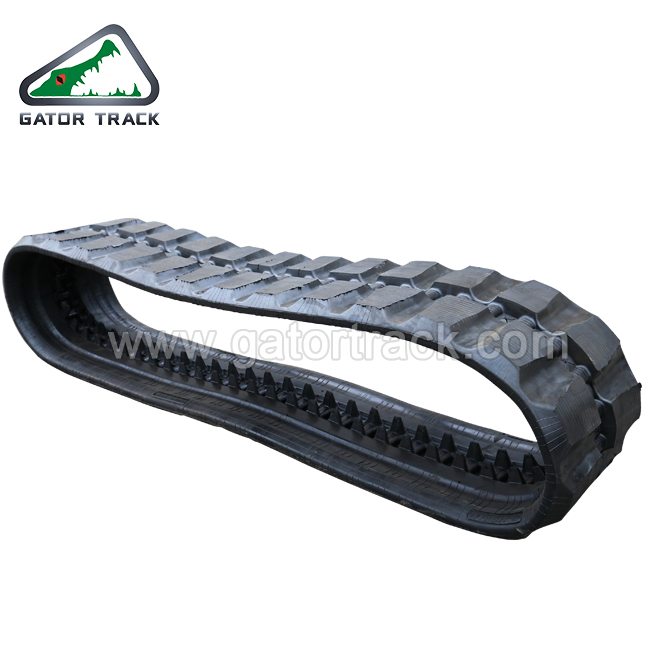
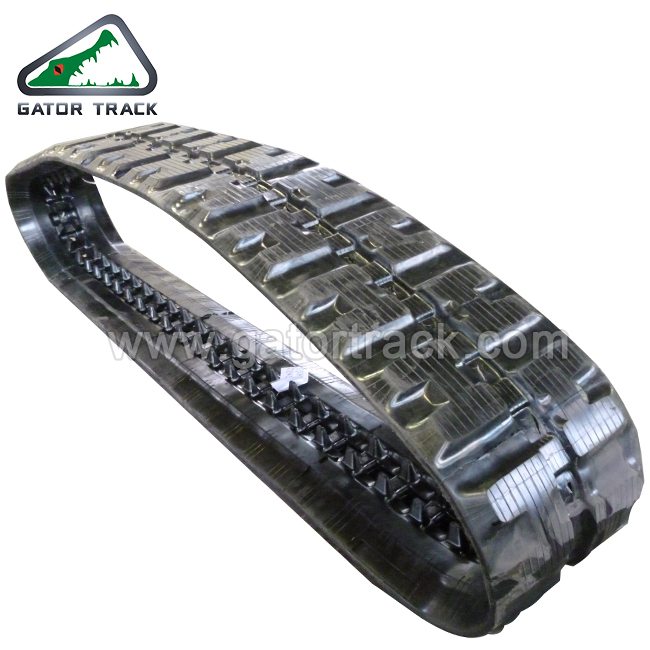
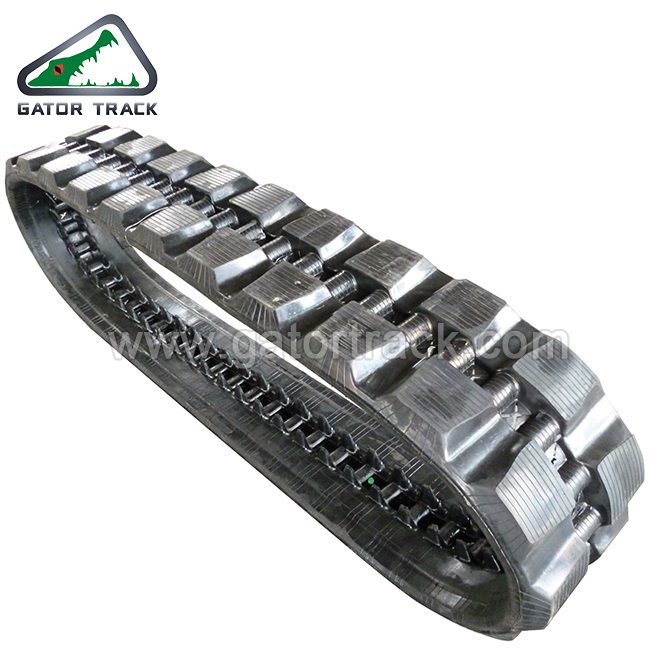
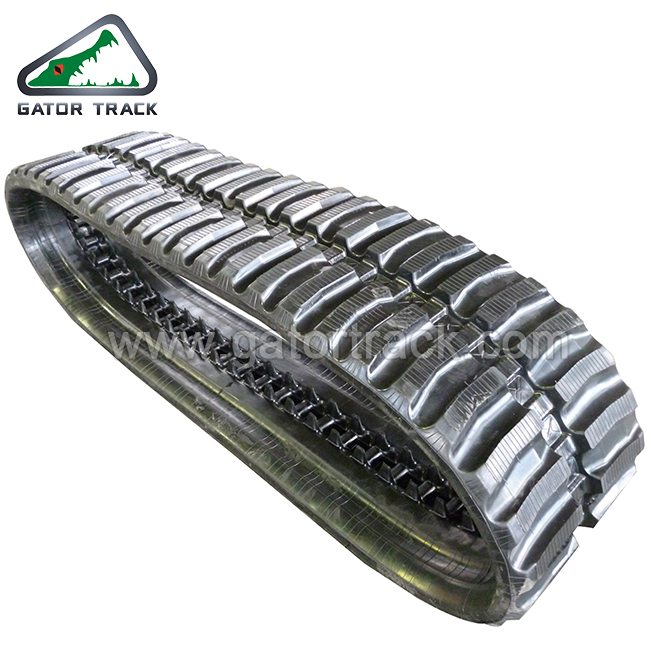
Rubber Track Loader Comparison Industry Leaders Sets the Industry Standard
In the ever-evolving landscape of construction and heavy equipment, rubber track loaders have emerged as essential tools, offering versatility and efficiency in various job sites. Industry leaders have set a high benchmark, pushing the envelope in design and functionality that caters to diverse applications, from landscaping to excavation. A close comparison of these industry frontrunners reveals the factors that truly matter when making an informed purchasing decision. One of the most crucial aspects of a rubber track loader is its ground pressure and flotation capabilities, which significantly impact performance on soft or uneven terrains. Models featuring superior track design ensure minimal ground disturbance while delivering impressive traction and stability. Additionally, the innovations in hydraulic systems enhance operational efficiency, allowing for smoother lifting and loading operations, which can drastically reduce project timelines. As procurement professionals seek equipment that offers the best return on investment, understanding the nuances of each model’s performance characteristics can lead to significant long-term benefits. Ultimately, the choice of a rubber track loader should hinge on factors such as durability, ease of maintenance, and compatibility with various attachments. As industry standards continue to evolve, staying informed about the latest advancements allows global buyers to equip their fleets with machinery that not only meets current demands but also adapts to future challenges. Investing in quality equipment is vital for maximizing productivity and ensuring job site success in an increasingly competitive market.
Rubber Track Loader Comparison - Industry Leaders Sets the Industry Standard
| Feature | Loader A | Loader B | Loader C |
|---|---|---|---|
| Engine Power (HP) | 85 | 100 | 90 |
| Operating Weight (lbs) | 7,500 | 8,500 | 7,800 |
| Track Width (inches) | 14 | 16 | 15 |
| Lift Capacity (lbs) | 2,500 | 3,000 | 2,800 |
| Max Speed (mph) | 6 | 7 | 6.5 |
| Hydraulic Flow (GPM) | 22 | 25 | 23 |
Related Products
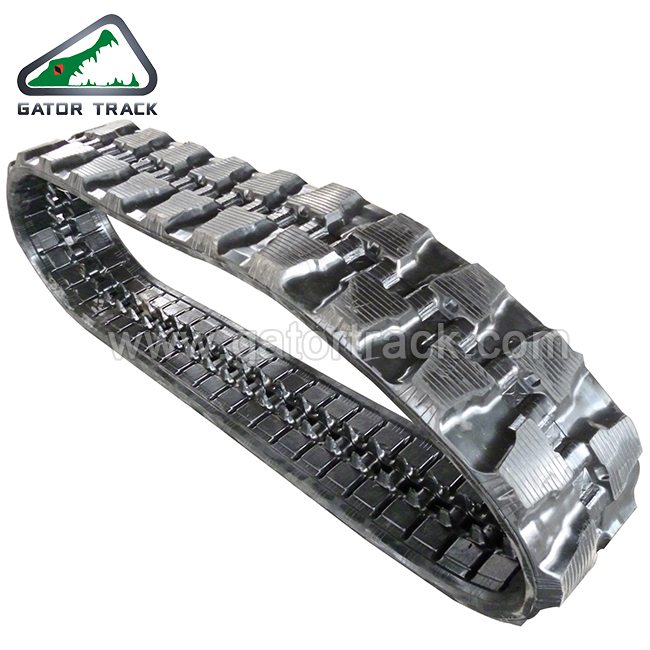
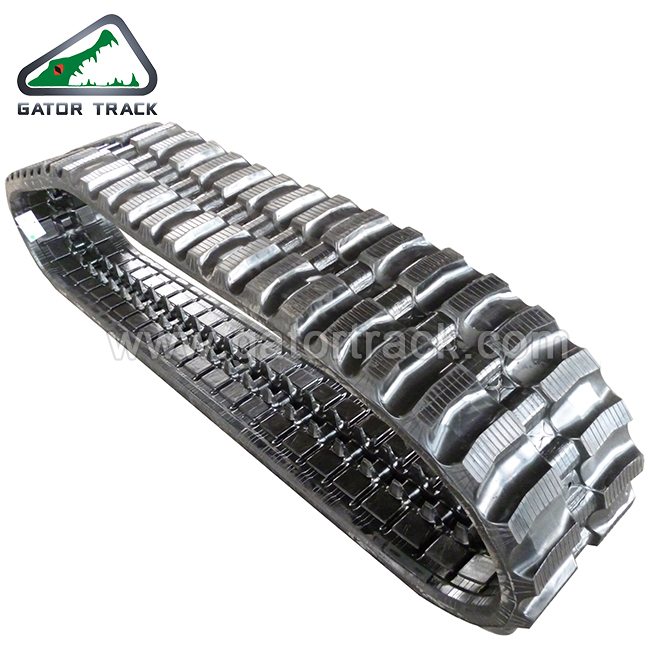
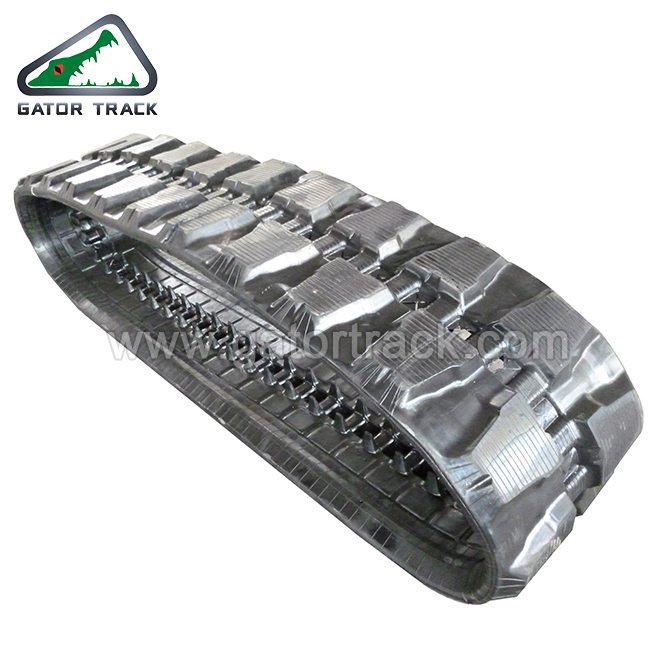

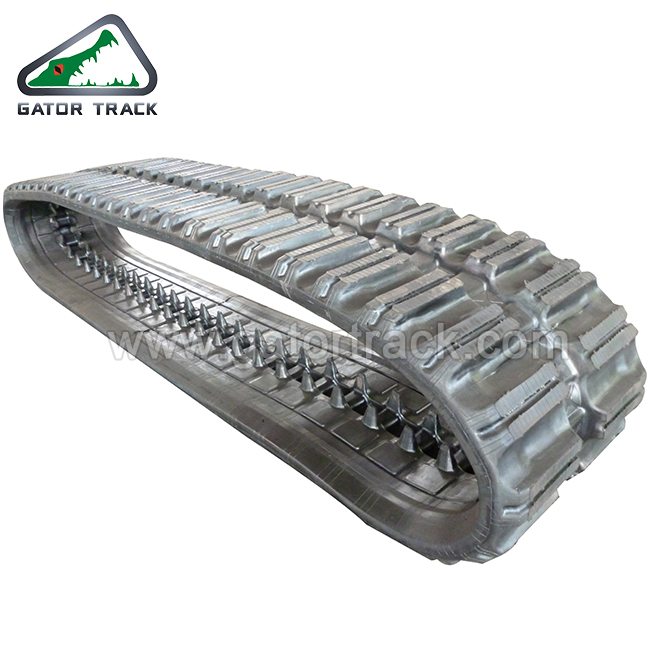

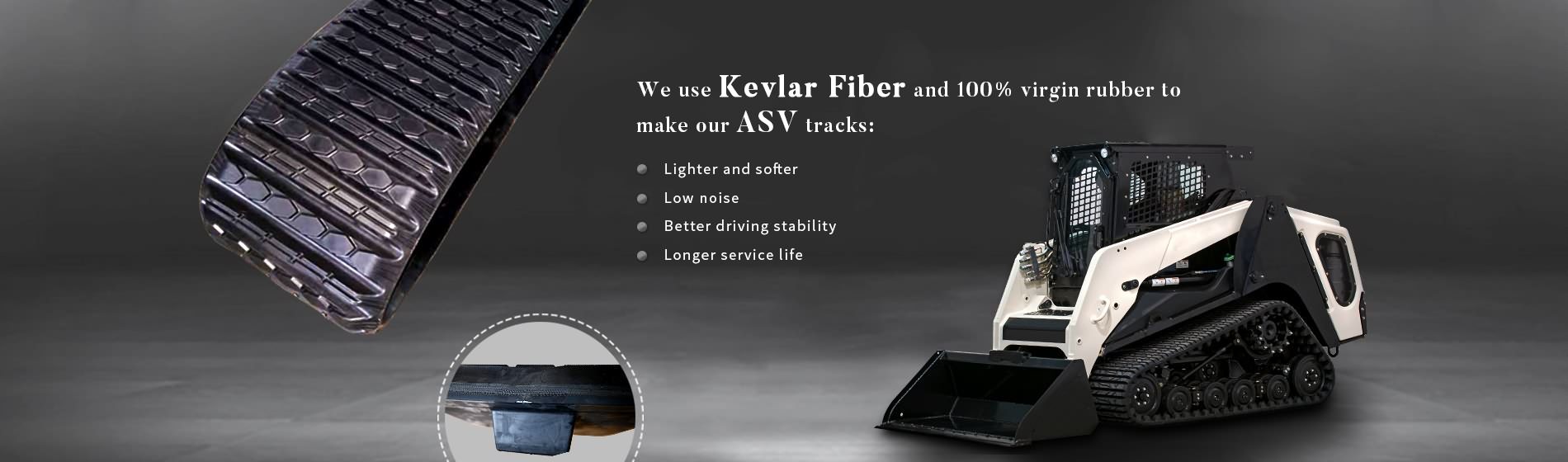
Rubber Track Loader Comparison Is The Best More Than a Supplier - A Partner
Top Selling Products




- Related Blog
- Reviews
