
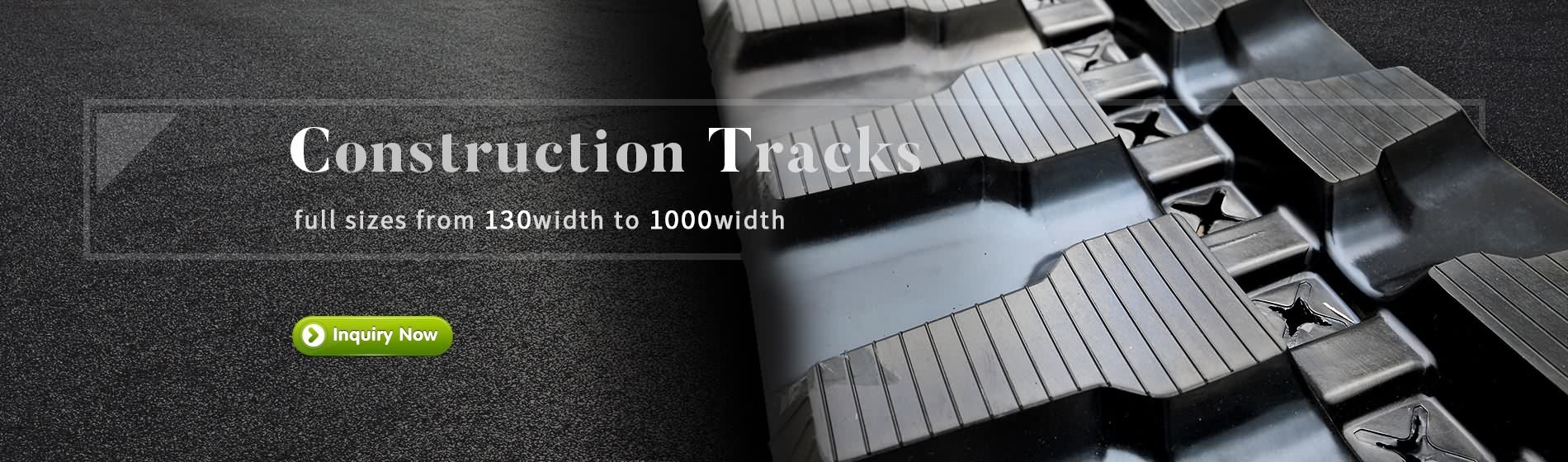
Rubber Track Vs Steel Track: Choosing the Best Option from China Manufacturers
When it comes to choosing between rubber tracks and steel tracks for heavy machinery, I understand how crucial this decision is for your operations. As a seasoned buyer, I've seen firsthand how the durability of steel tracks can withstand the toughest terrains, making them an ideal choice for rugged applications. However, I also appreciate the advantages of rubber tracks—offering enhanced traction and reduced ground pressure, making them perfect for sensitive surfaces. If you're sourcing from China, you’ll find a variety of manufacturers who specialize in both options, ensuring you get the quality and performance you need. Whether for construction, agriculture, or forestry, each option has its unique benefits. I know it can be overwhelming to choose, but with the right information and a trusted manufacturer, you can make the best decision for your machinery and projects. Let’s explore the best options tailored to your needs together!


Rubber Track Vs Steel Track Dominates Trusted by Pros
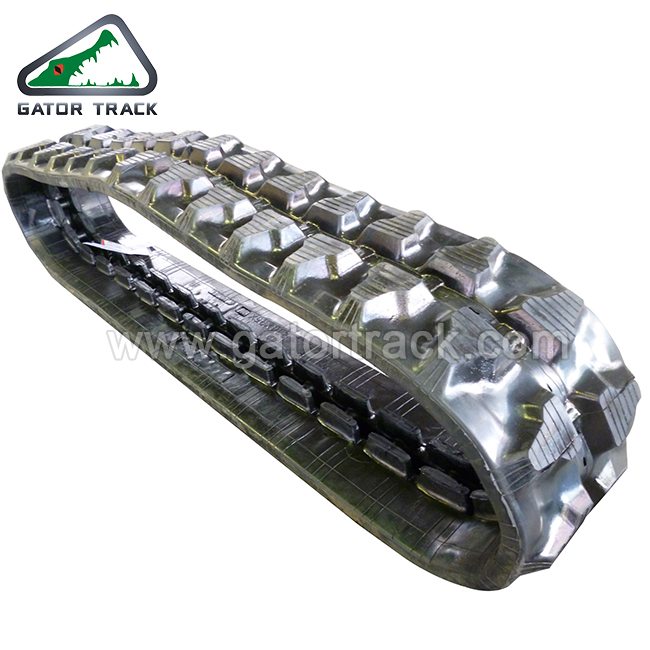
When it comes to heavy machinery and equipment, choosing the right track can significantly impact performance, cost-efficiency, and long-term maintenance. Rubber tracks and steel tracks each have unique advantages, making them suitable for different applications and environments. Rubber tracks are often favored for their versatility, providing a softer footprint that minimizes ground damage and enhances traction on fragile surfaces. They excel in applications like landscaping and construction on uneven terrain due to their flexibility and shock-absorbing qualities. Additionally, rubber tracks tend to run quieter, making them an ideal choice for urban or residential projects. On the other hand, steel tracks are recognized for their durability and strength, particularly in severe conditions such as mining or forestry applications where loads are heavier, and ground conditions are rougher. Steel tracks offer superior resistance to punctures and wear, which can lead to lower costs over time, especially for heavy-duty tasks. They are also more effective for operating on steep slopes or in challenging environments, where traction is paramount. Ultimately, the decision between rubber and steel tracks should be based on the specific demands of the job, including the type of environment, the weight of the equipment, and the desired balance between performance and maintenance. In conclusion, both rubber and steel tracks have their place in the heavy machinery industry. By understanding the characteristics and advantages of each type, procurement professionals can make informed decisions that enhance productivity and operational efficiency. Evaluating factors such as terrain type, equipment usage, and cost implications will guide you to the best choice tailored to your operational needs.
Rubber Track Vs Steel Track Dominates Trusted by Pros
| Feature | Rubber Track | Steel Track |
|---|---|---|
| Weight | Lightweight | Heavy Duty |
| Traction | Excellent on soft ground | Superior on hard surfaces |
| Durability | Moderate | High |
| Cost of Maintenance | Lower | Higher |
| Noise Level | Quieter | Noisy |
| Versatility | High | Moderate |
| Environmental Impact | Lower | Higher |
Related Products


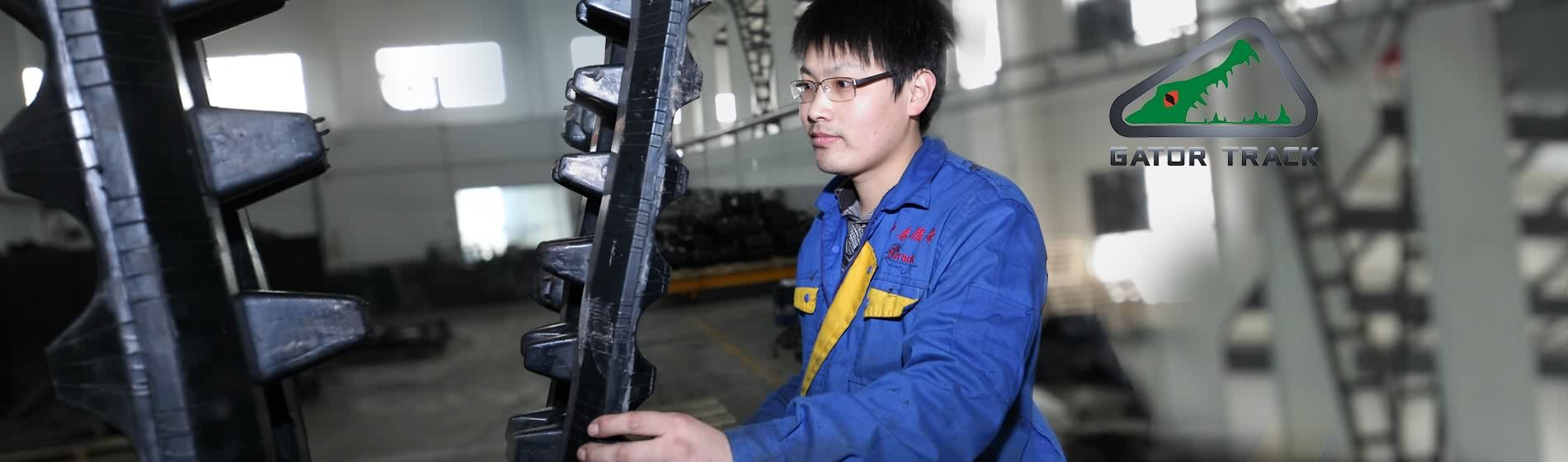
Rubber Track Vs Steel Track Supplier Products
Top Selling Products

- Related Blog
- Reviews
