Skid Steer Tracks or Tires: Leading China Manufacturer Options
When it comes to choosing between skid steer tracks or tires, I understand the importance of finding the right solution for your machinery needs. As a manufacturer based in China, I offer high-quality skid steer tracks and tires that are designed to enhance performance and durability. My products are engineered to withstand tough conditions while providing maximum traction and stability, whether you’re working on soft or uneven terrain. I've seen firsthand how the right tracks or tires can make a big difference in efficiency and safety. That's why I prioritize quality and reliability in every product we create. Partner with me to get durable skid steer tracks or tires that meet your operational demands. Let’s elevate your worksite productivity together with products that you can truly depend on.

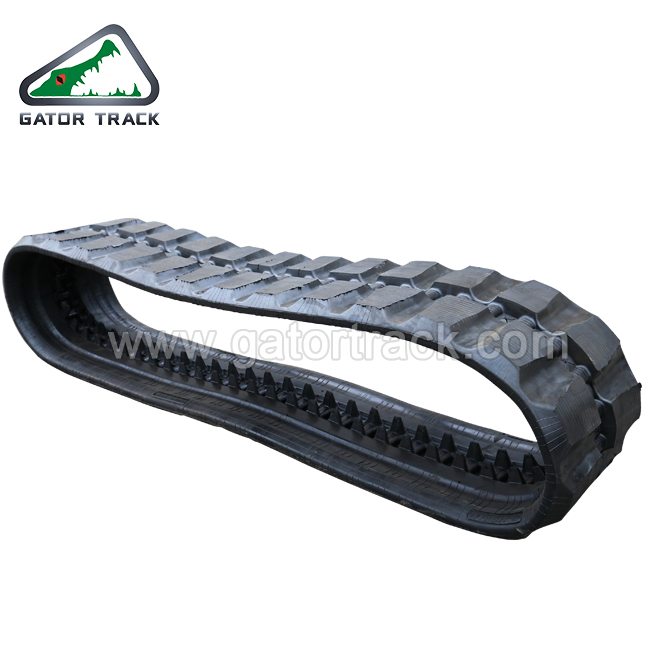
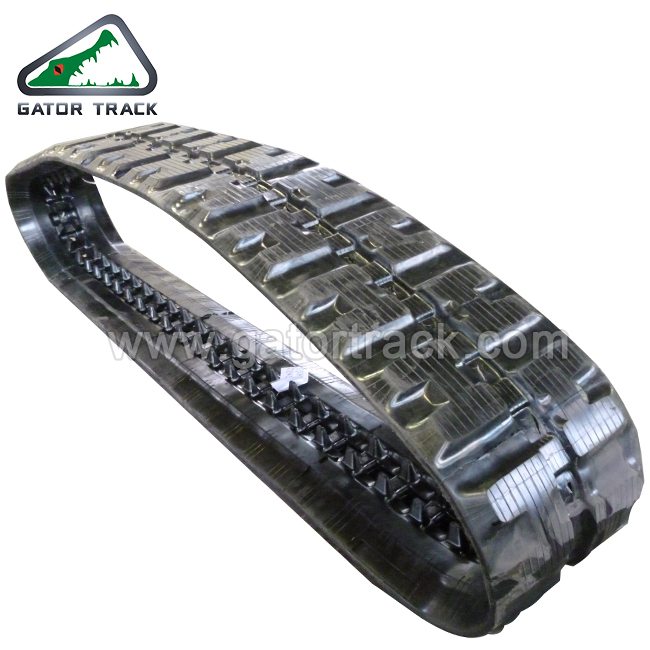
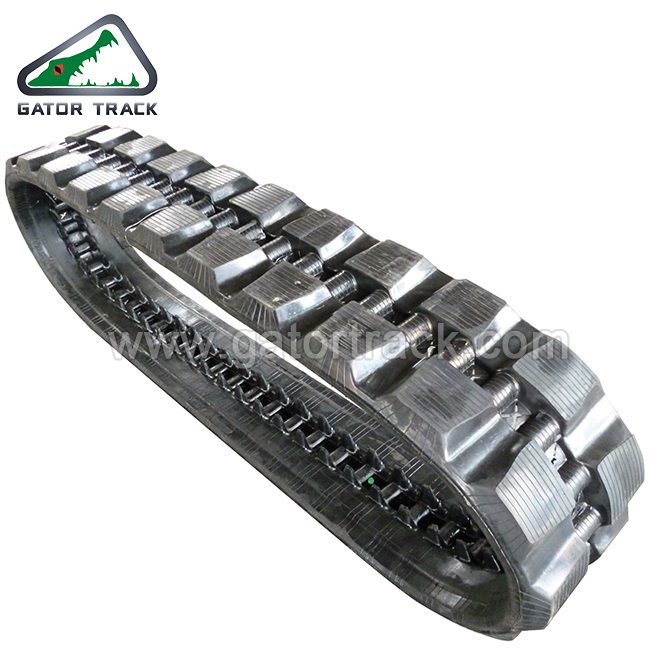
Skid Steer Tracks Or Tires Service Winning in 2025
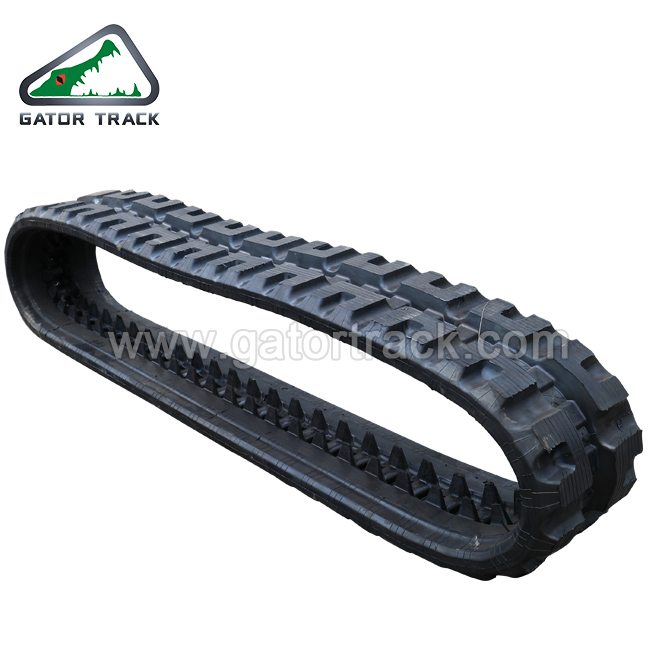
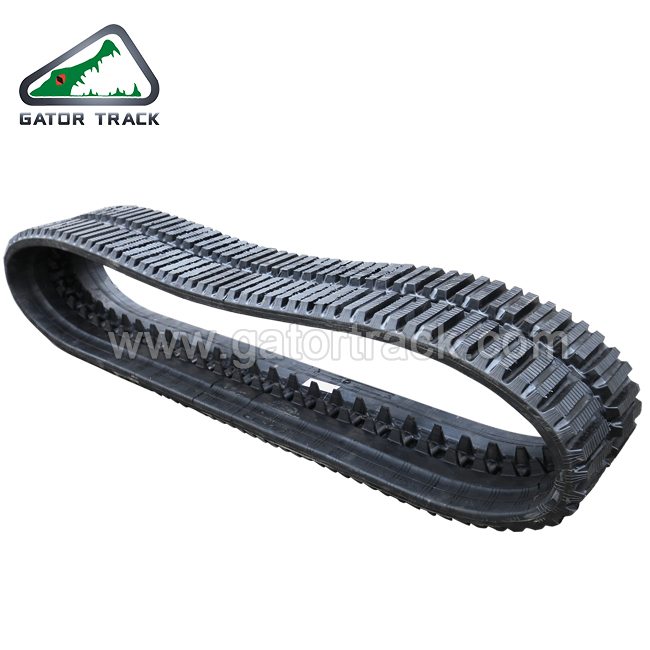
As the construction and agricultural industries continue to evolve, the debate between skid steer tracks and tires remains prominent in 2025. This crucial decision can significantly impact a project’s efficiency and cost-effectiveness. Skid steer tracks offer superior traction on uneven and slippery surfaces, making them ideal for muddy or loose terrain. Their enhanced stability reduces the risk of slippage, allowing for safer operation in challenging environments. In contrast, skid steer tires are lighter and provide better maneuverability on hard surfaces, making them suitable for urban settings or firm ground. For global buyers, understanding these differences can inform smarter purchasing decisions. In addition to performance characteristics, considerations such as maintenance costs, durability, and the specific application of equipment play a significant role in determining the best option. The latest innovations in materials and technology have also led to tracks and tires that promise longer lifespans and better performance. As we move further into 2025, investing in the right components will not only enhance productivity but also contribute to sustainability efforts by reducing the overall environmental impact of operations. Ultimately, the choice between tracks and tires comes down to individual project requirements and environmental conditions. By making informed decisions, global procurement professionals can enhance their operational efficiency and ensure success in today's competitive marketplace.
Skid Steer Tracks Or Tires Service Winning in 2025
| Type | Service Frequency | Hypothetical Lifespan (years) | Advantages | Disadvantages |
|---|---|---|---|---|
| Tracks | Every 500 hours | 5-7 | Better traction, lower ground pressure | Higher initial cost, more maintenance |
| Tires | Every 300 hours | 4-6 | Easier to replace, less maintenance | Reduced traction on soft surfaces |
| Hybrid | Every 400 hours | 5-8 | Versatile use case, moderate cost | Compromise on performance |
Related Products
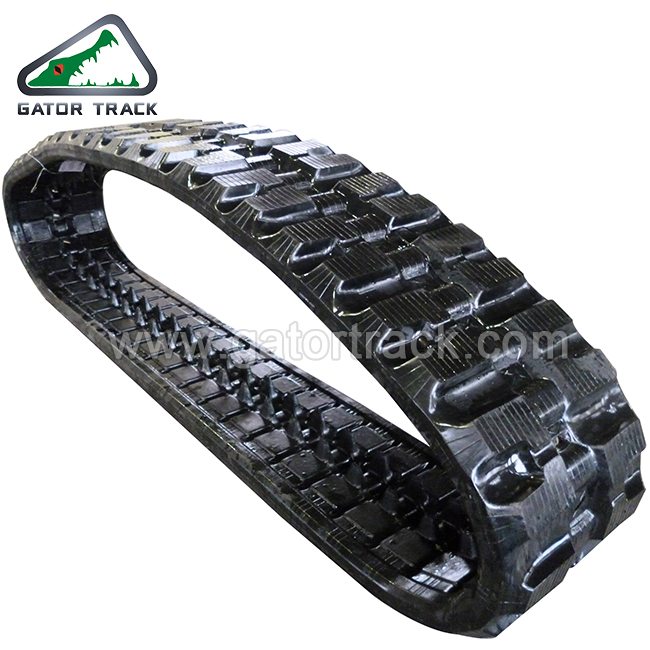
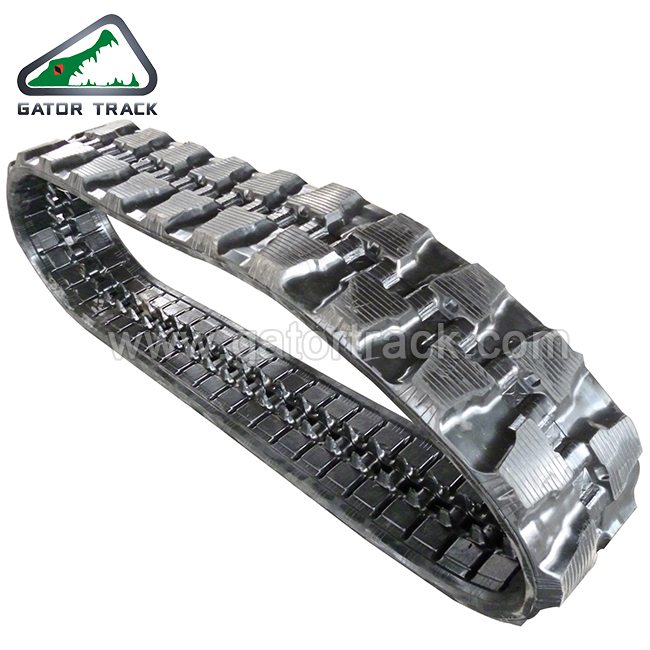
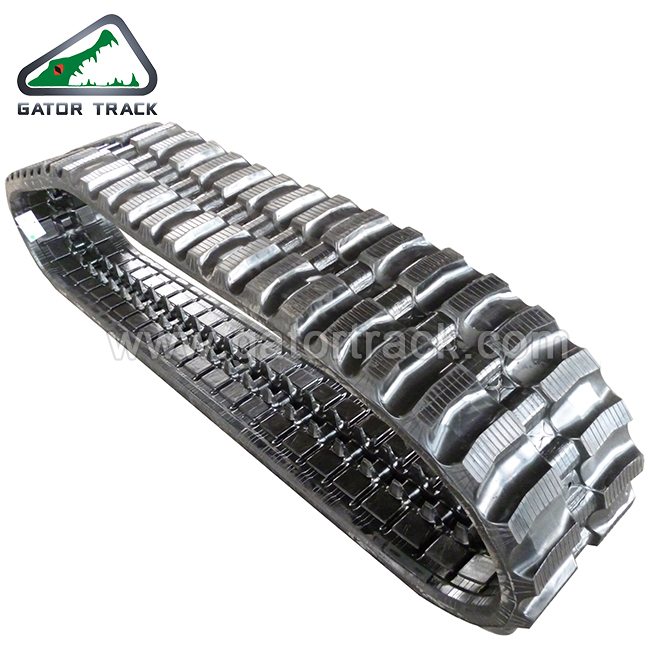
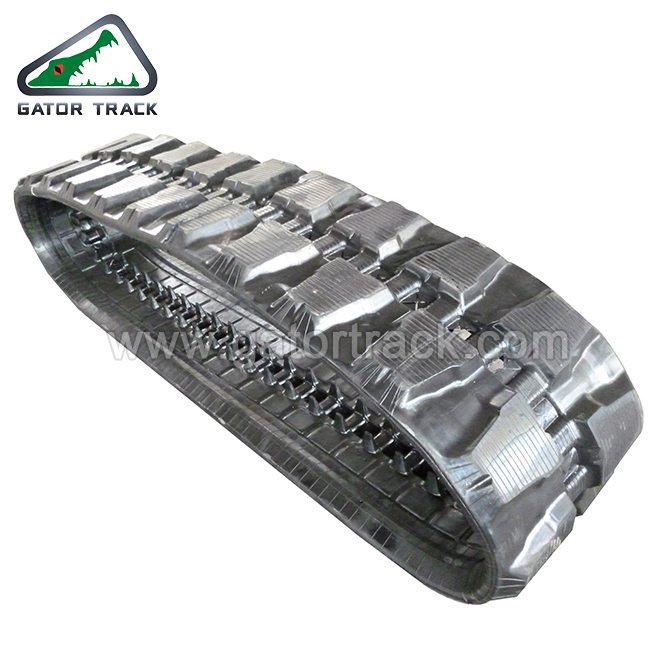

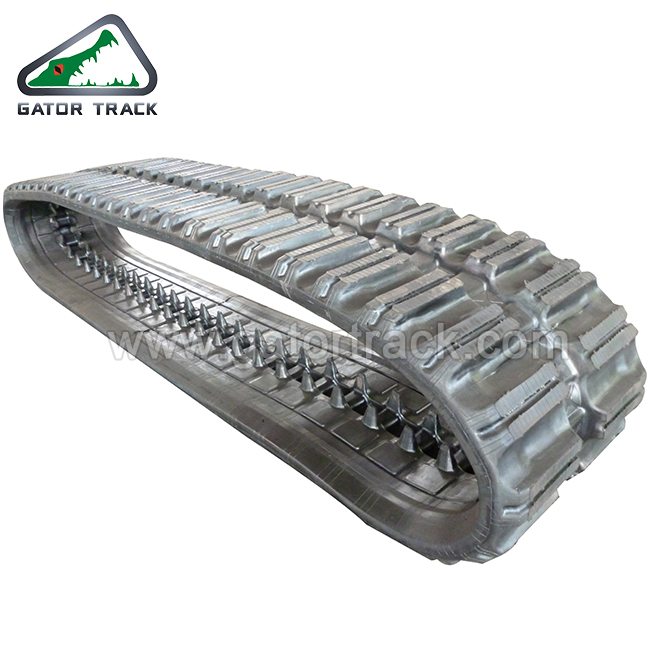
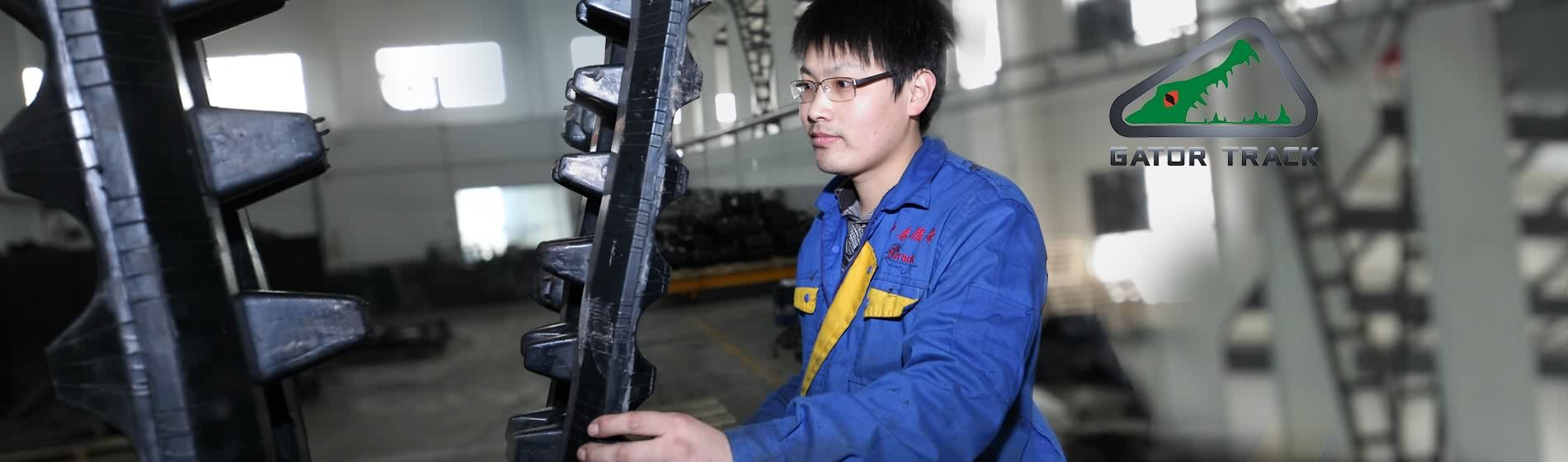
Skid Steer Tracks Or Tires in 2025 Exceeds Industry Benchmarks
Top Selling Products





- Related Blog
- Reviews
