
China Manufacturer Guide: Skid Steer Tracks or Tires in Snow
When dealing with harsh winter conditions, I know how crucial it is to choose the right equipment for your skid steer. Whether it's tracks or tires in snow, I have seen firsthand how the right choice can make all the difference. Our products, sourced from a trusted manufacturer in China, are designed specifically to enhance traction and performance in icy environments. You’ll appreciate the superior grip offered by our skid steer tracks, which provide stability on slippery surfaces, whereas our tires offer versatility for lighter snow conditions. I've personally experienced how our offerings reduce downtime and increase productivity during the winter months. By investing in quality track or tire solutions, you can ensure your skid steer operates efficiently, no matter the weather. Let's help you navigate through snow challenges effortlessly. Feel free to reach out for more information on our range!
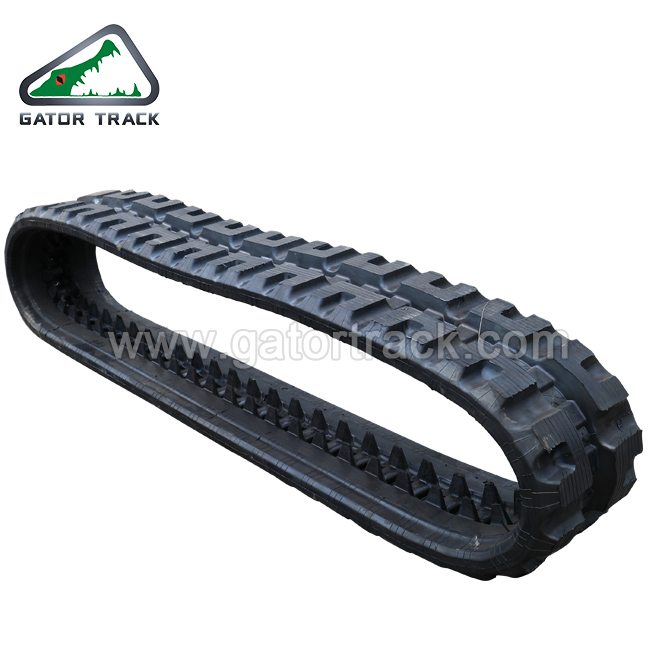
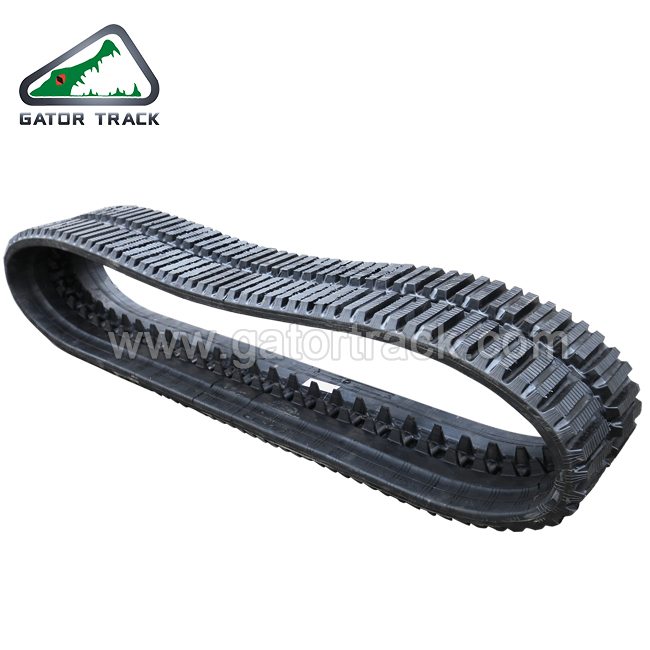
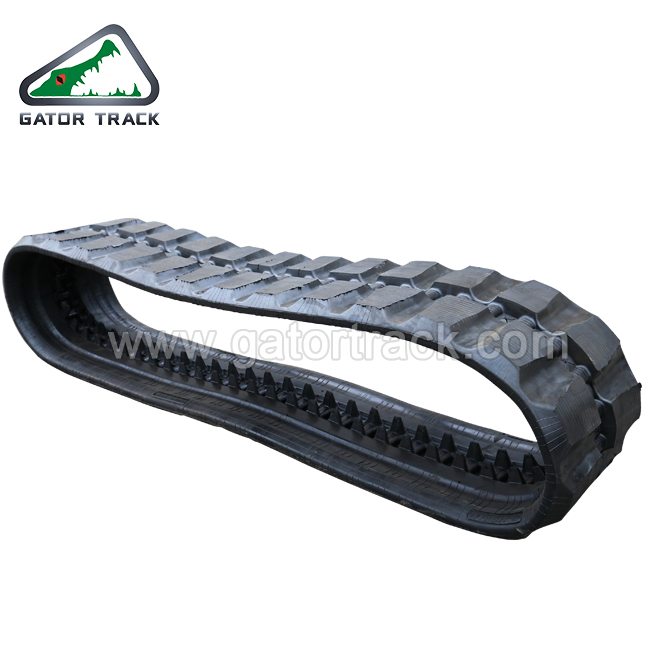
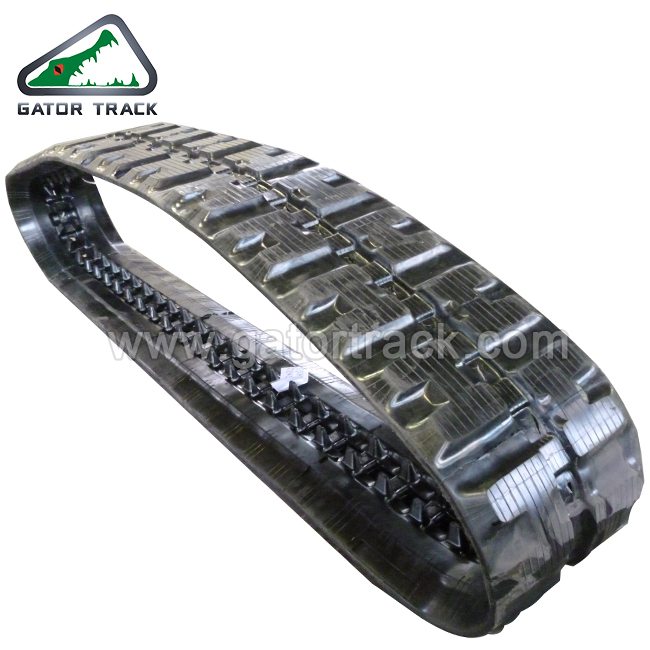
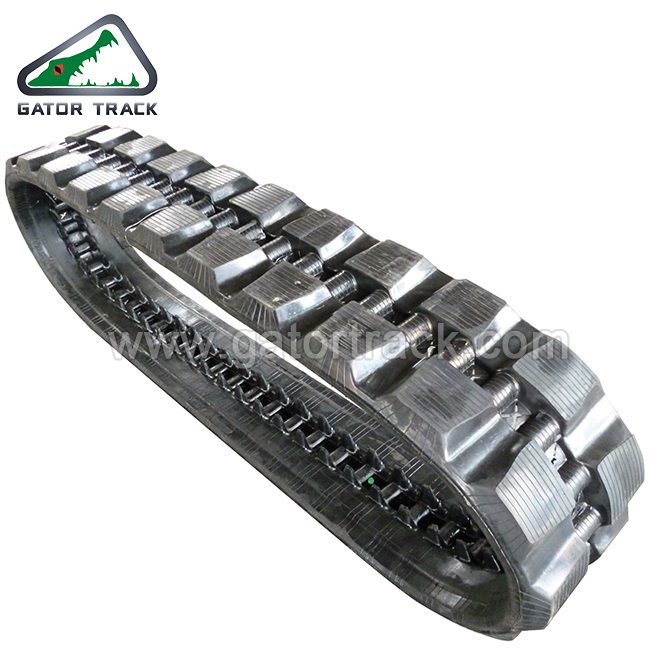
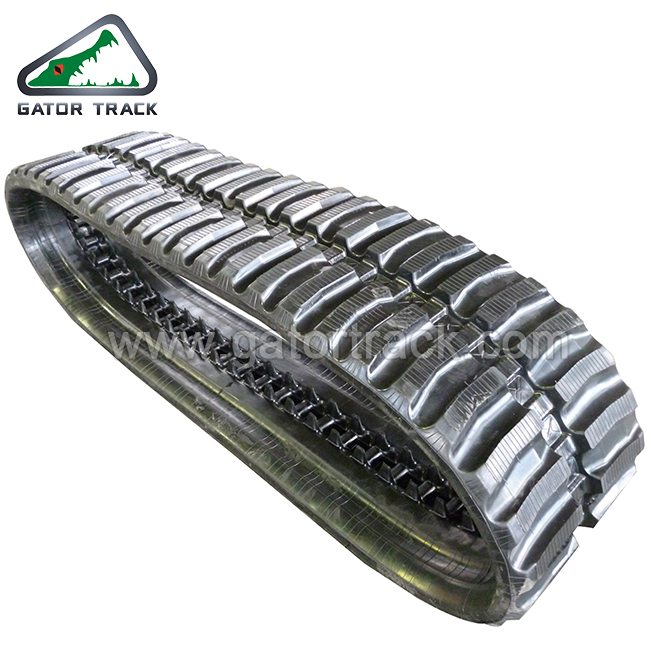
Skid Steer Tracks Or Tires In Snow Where Innovation Meets 2025 From Concept to Delivery
As winter approaches, the question of whether to equip skid steers with tracks or tires becomes increasingly pertinent for global buyers. In snow, performance is key, and understanding the latest innovations in this domain is essential for making informed purchasing decisions. Tracks offer superior traction, distributing weight to minimize ground pressure, which prevents sinking into soft or deep snow. This enhances maneuverability and efficiency, making tracks the preferred choice for heavier loads and challenging terrains. On the other hand, tires can provide a more versatile option for those who operate in varied environments. They excel on harder surfaces, offering speed and ease of movement. Recent advancements in tire technology have led to designs equipped with improved tread patterns and materials that enhance grip in snowy conditions. For buyers searching for the optimal solution, the choice between tracks and tires boils down to specific operational needs and environmental conditions. As we move towards 2025, innovation plays a central role in this decision-making process. Emerging technologies are making skid steer attachments more adaptable, allowing seamless transitions between tracks and tires based on seasonal demands. Understanding these advancements not only helps in selecting the right equipment but also positions buyers to meet the evolving challenges of winter operations efficiently. Investing in the right technology now ensures that businesses are prepared for the demands of the future.
Skid Steer Tracks Or Tires In Snow Where Innovation Meets 2025 From Concept to Delivery
| Feature | Tracks | Tires | Performance in Snow | Longevity | Maintenance |
|---|---|---|---|---|---|
| Traction | Excellent | Good | Superior grip on icy surfaces | Longer life under harsh conditions | Low maintenance required |
| Comfort | Rough ride | Smoother ride | May cause operator fatigue | Not applicable | Moderate maintenance for optimal comfort |
| Weight Distribution | Improved balance | Heavy load bearing | Enhanced stability | Durable under weight | Requires checks for uneven wear |
| Cost | Higher initial cost | Lower initial cost | Higher return on investment | Long-term savings due to durability | Initial investment figured in |
| Versatility | Specific to snow and soft ground | Versatile for various terrains | Limited usage on soft ground | Specialized applications | Maintenance varies by terrain usage |
Related Products
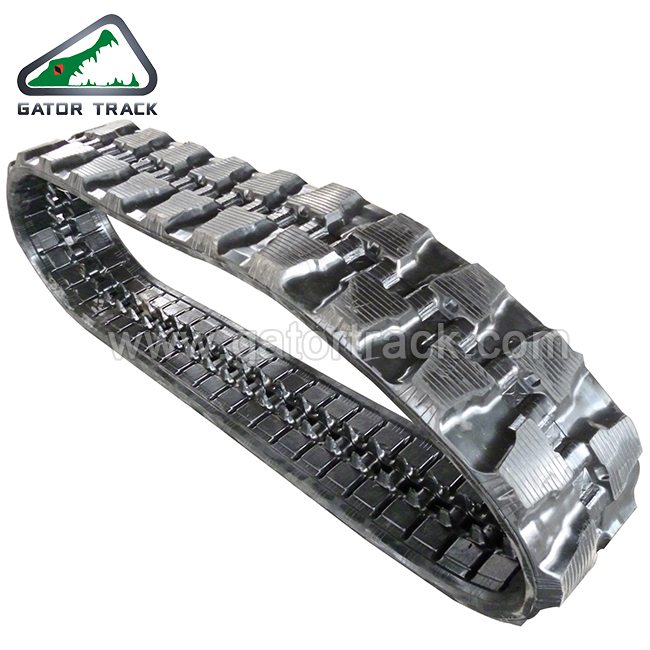

Skid Steer Tracks Or Tires In Snow Market Leader Service Backed by Expertise
Top Selling Products

- Related Blog
- Reviews
