
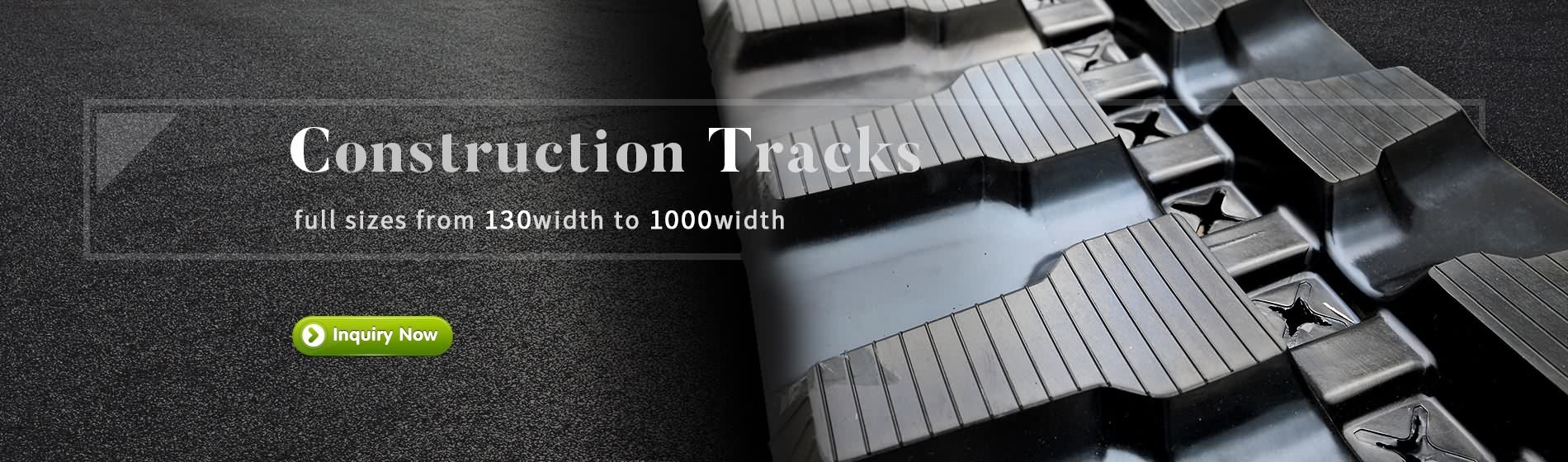
Why Do Excavator Tracks Come Off? Insights from China Manufacturers
As someone who's been in the excavator industry for years, I often get asked, "Why do excavator tracks come off?" It’s a common issue that arises due to various reasons like wear and tear, improper installation, or even damage during operation. Our high-quality tracks, sourced directly from trusted manufacturers in China, are designed to minimize these problems. We understand that B2B purchasers need reliable solutions, which is why our tracks undergo rigorous quality checks. By investing in our durable products, you not only enhance the lifespan of your equipment but also reduce downtime caused by track issues. With competitive pricing and a commitment to customer satisfaction, we aim to be your go-to resource for all your excavator track needs. Let’s work together to keep your machinery running smoothly!


Why Do Excavator Tracks Come Off Dominates From Concept to Delivery
Excavator tracks are critical components in heavy machinery, ensuring durability and efficiency in demanding environments. However, track detachment can occur, leading to costly downtime and repairs. Understanding the primary reasons why tracks come off excavators can help operators and procurement agents mitigate risks and enhance productivity. One major factor is improper installation; ensuring that tracks are fitted correctly is essential to prevent misalignment. Additionally, wear and tear due to lack of maintenance can lead to track failures. Routine checks and timely replacements of worn components can dramatically extend the life of the tracks. Another key aspect is the working conditions in which the machinery operates. Rocky, uneven terrain can put additional strain on tracks, making them more prone to coming off. Investing in high-quality tracks designed for specific operational environments can significantly reduce this risk. Furthermore, operator training is critical; ensuring that machine operators are knowledgeable about the correct usage and maintenance of excavator tracks can prevent premature failures. By prioritizing proper installation, maintenance, appropriate equipment for the environment, and comprehensive training, businesses can minimize issues related to track detachment and enhance overall operational efficiency.
Why Do Excavator Tracks Come Off Dominates From Concept to Delivery
| Factors | Description | Preventive Measures |
|---|---|---|
| Wear and Tear | Continuous use leads to track degradation due to friction. | Regular inspections and timely replacements of worn tracks. |
| Misalignment | Tracks can come off due to improper alignment during operation. | Ensure correct installation and periodic alignment checks. |
| Improper Tension | Tracks that are too loose or too tight can cause problems. | Regularly adjust tension as per manufacturer's recommendations. |
| Foreign Object Damage | Debris can get lodged in the tracks leading to damage. | Clear worksite of debris and inspect tracks frequently. |
| Environmental Conditions | Extreme weather can affect track performance and durability. | Adapt operation methods according to weather conditions. |
Related Products


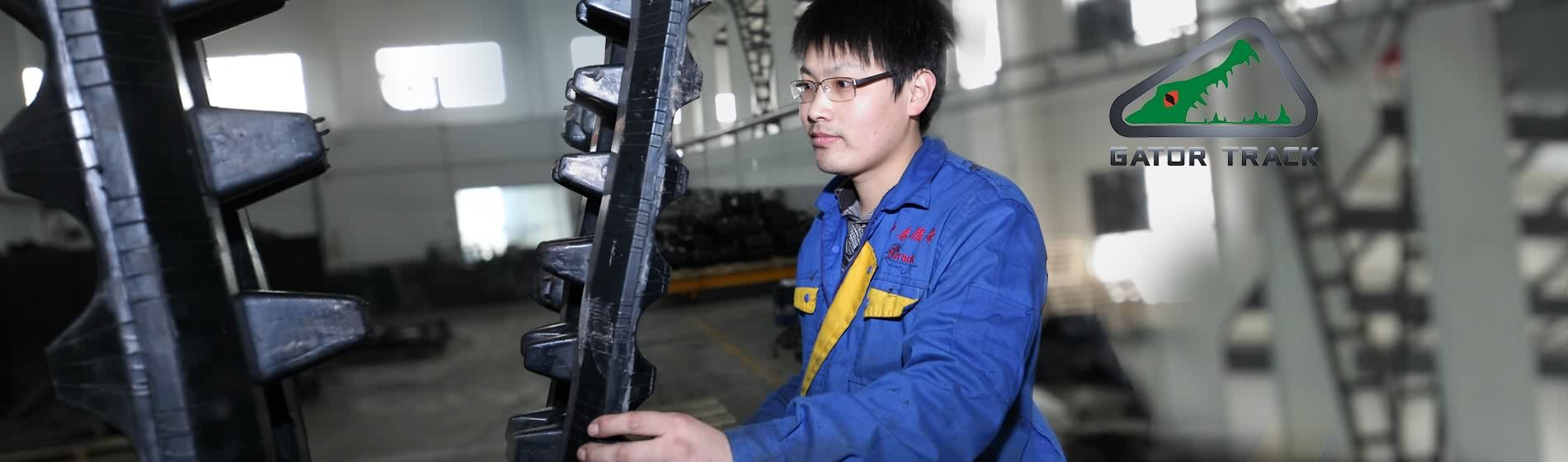
Why Do Excavator Tracks Come Off Delivers Unmatched Quality Your Trusted OEM Partner
Top Selling Products



- Related Blog
- Reviews
