
Introduction
Clip-on rubber track pads give steel-tracked excavators a practical way to move between rough earthwork and surface-sensitive environments without major undercarriage changes. They combine the durability of the existing steel track system with a rubber contact layer that helps protect asphalt, concrete, and finished paving while improving grip and reducing vibration. For contractors, that means one machine can handle a wider range of tasks with less downtime and fewer transport or conversion costs. This article explains how clip-on pads work, where they deliver the most value, and which job site conditions make them a smart choice for balancing traction, protection, and operating efficiency.
Why Clip On Rubber Track Pads Matter
Clip-on rubber track pads serve as an essential modular upgrade for steel-tracked excavators, bridging the gap between heavy-duty earthmoving and urban surface preservation. By bolting directly onto existing steel shoes, these pads eliminate the need for costly, time-consuming undercarriage conversions while expanding a machine’s operational versatility.
How They Balance Surface Protection and Traction
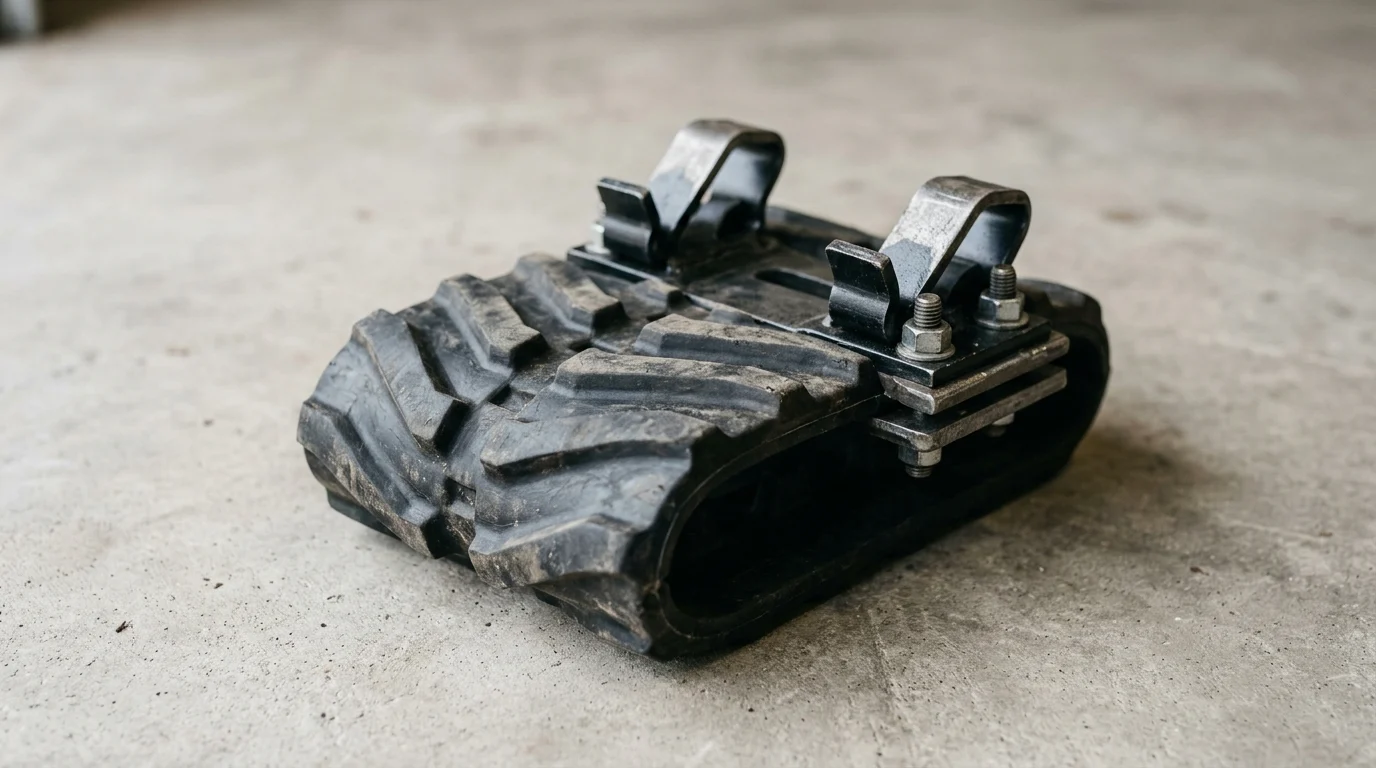
The primary mechanical advantage of clip-on configurations lies in their dual-material functionality. The core consists of a forged steel bracket that anchors securely to the track shoe, while the contact surface utilizes high-density, vulcanized rubber—typically engineered with a hardness rating of 65 to 70 Shore A. This specific durometer rating allows the pad to absorb localized impact and distribute the operational weight of a 5- to 15-ton excavator without tearing. The rubber tread grips smooth surfaces like cured asphalt, mitigating the slip hazards associated with bare steel grousers, while the rigid clip mechanism prevents lateral pad deflection during high-torque slewing operations. Beyond surface preservation, this vulcanized rubber layer significantly dampens high-frequency vibrations transmitted through the undercarriage, reducing operator fatigue during prolonged shifts.
Which Job Site Conditions Justify Their Use
Fleet operators must assess specific environmental thresholds to justify deploying clip-on track pads. These attachments are indispensable in urban infrastructure zones, particularly when navigating finished concrete or asphalt surfaces that cannot withstand the high point-loading of steel tracks. For example, operating a 10-ton machine on pavement with a compressive strength below 4,000 PSI guarantees surface spalling without rubber mitigation. Furthermore, utility trenching projects requiring frequent transitions between dirt lots and active roadways necessitate clip-on pads to comply with municipal road-protection mandates and avoid heavy fines. Because local governments frequently require proof of surface protection before issuing permits, outfitting fleets with these pads helps contractors bypass administrative delays during residential deployments.
How to Compare Clip On Rubber Track Pads
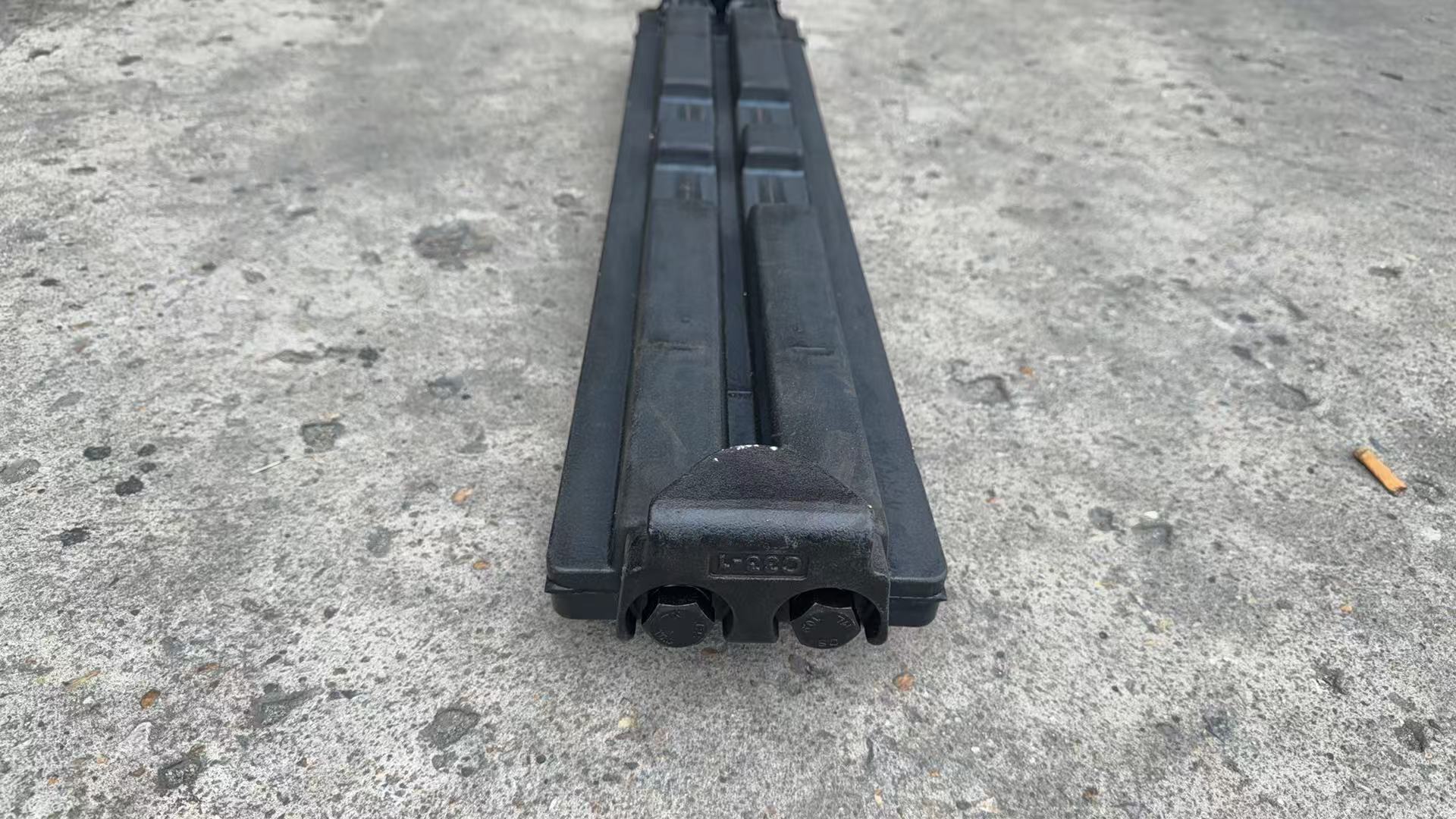
Procuring the correct clip-on rubber track pads requires a rigorous evaluation of dimensional specifications and material properties. Since undercarriage geometries vary significantly across excavator manufacturers, relying on generic sizing often results in improper seating, accelerated wear, or complete track derailment. Even within a single manufacturer’s lineup, slight variations in grouser height or shoe curvature can render a seemingly identical pad useless.
Which Specifications and Fitment Factors Matter Most
Fitment precision dictates performance. Procurement specialists must verify the steel shoe width, which typically ranges from 400mm for compact equipment up to 600mm for mid-sized excavators. Additionally, the pitch of the track chain and the specific grouser profile must align with the pad’s internal cavity. If the clip-on bracket does not secure tightly against the shoe’s trailing edge, the resulting micro-vibrations will shear the mounting bolts.
| Pad Attachment Type | Installation Time (Per Pad) | Best Application | Typical Shoe Width Range |
|---|---|---|---|
| Clip-On | 2–3 minutes | Temporary urban work, frequent transitions | 400mm – 600mm |
| Bolt-On | 5–8 minutes | Long-term pavement projects | 300mm – 800mm |
| Roadliner (Direct) | 10+ minutes | Permanent surface protection | 400mm – 500mm |
How to Compare Trade Offs Across Options
When evaluating trade-offs, operators must balance installation efficiency against structural permanence. Clip-on pads excel in rapid deployment, allowing a two-person crew to outfit a 400mm-width excavator track in under two hours. However, this convenience comes with a slightly higher vertical profile compared to direct-to-chain roadliners, which can marginally alter the machine’s center of gravity. Financially, high-quality clip-on pads represent a moderate capital expenditure, typically ranging from $30 to $55 per unit depending on the rubber volume and internal steel reinforcement. While bolt-on pads might offer a slightly more flush fit, the labor savings realized during the installation and removal of clip-on variants usually yield a superior return on investment for contractors handling varied, short-duration contracts.
How to Select and Deploy Clip On Rubber Track Pads
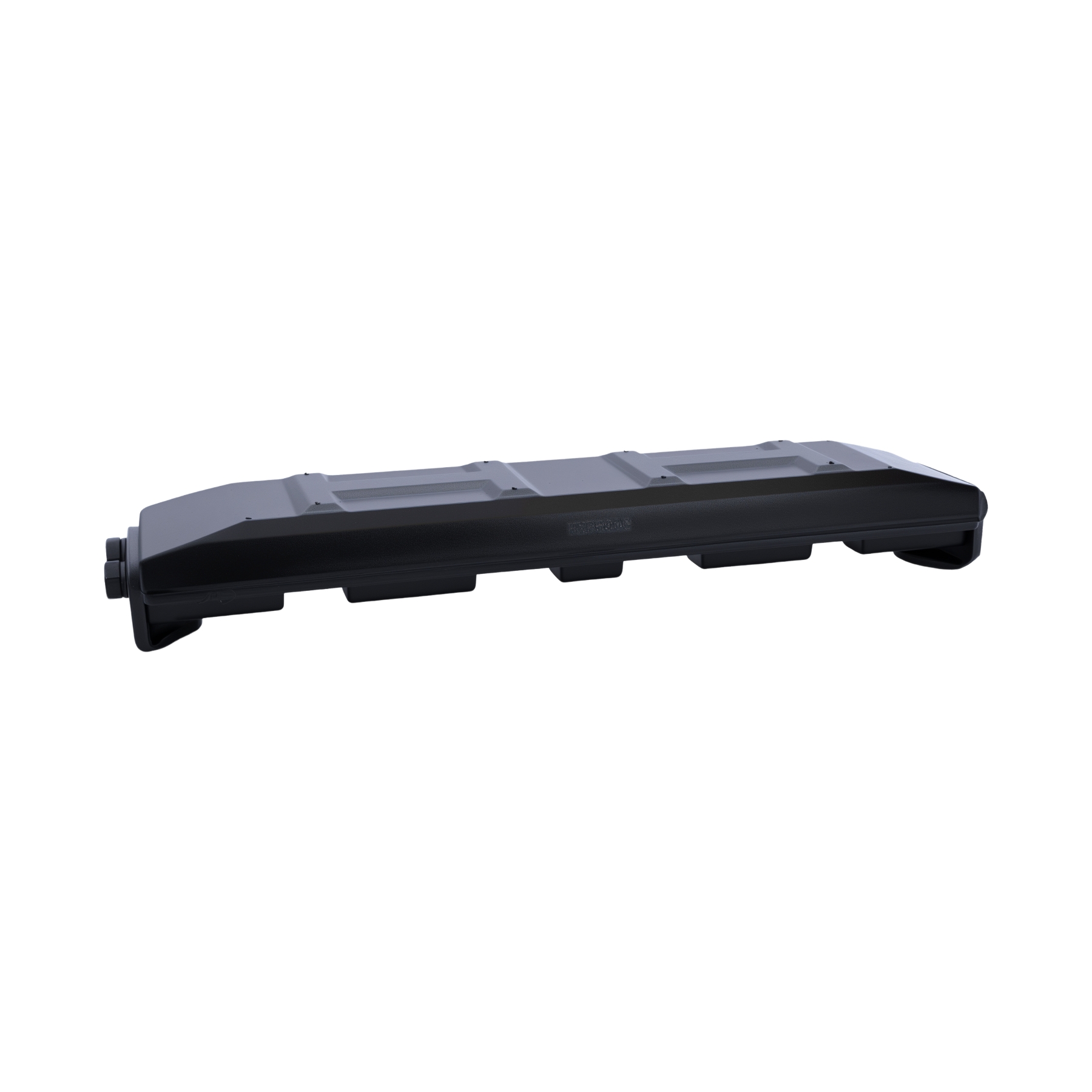
Effective deployment of clip-on rubber track pads relies heavily on procedural discipline in the field. Even the highest-grade polymer blends will fail prematurely if installation protocols are ignored or if routine maintenance schedules are neglected.
What Inspection Installation and Maintenance Steps Matter
The installation process must begin with a comprehensive cleaning of the bare steel track shoes. Packed mud, gravel, or rust buildup on the grouser will prevent the clip-on bracket from seating flush, creating leverage points that stress the mounting hardware. Once seated, technicians must secure the bolts using a calibrated torque wrench, strictly adhering to manufacturer specifications—typically between 85 and 110 Nm for standard hardware. Applying an industrial anti-seize compound to the bolt threads prior to installation further protects the hardware from environmental corrosion, ensuring the pads can be removed efficiently when the project concludes. Because operational vibrations cause initial settling, fleet managers must enforce a mandatory re-torquing protocol after the first 50 hours of machine operation. Routine maintenance should also include daily visual inspections to identify loose brackets or debris lodged between the rubber pad and the steel shoe.
When Fleet Managers Should Replace or Reposition Pads
Knowing when to service or swap track pads prevents catastrophic undercarriage damage and maintains surface protection compliance. Fleet managers should establish strict wear thresholds; for instance, when the pad’s rubber tread depth degrades below 12mm, or if chunking exposes the internal steel core, immediate replacement is required. To maximize the lifecycle of the entire set, technicians can utilize strategic repositioning. Pads located near the center of the track often experience accelerated degradation due to concentrated load-bearing during slewing. Swapping these high-wear central pads with less degraded units from the front or rear idler positions can extend the functional lifespan of the complete set by 15 to 20 percent, significantly optimizing operational expenditures.
Key Takeaways
- The most important conclusions and rationale for Clip On rubber Track Pads
- Specs, compliance, and risk checks worth validating before you commit
- Practical next steps and caveats readers can apply immediately
Frequently Asked Questions
What jobs are clip-on excavator track pads best for?
They are ideal for urban paving, utility trenching, road crossings, and mixed surface sites where steel tracks could damage asphalt or concrete.
How do I choose the right clip-on rubber track pads?
Match the pad to your shoe width, chain pitch, and grouser profile. Gator Track offers multiple fitment sizes and can help confirm compatibility before ordering.
Are clip-on pads better than bolt-on rubber pads for short-term work?
Usually yes. Clip-on pads install and remove faster, making them practical for temporary jobs with frequent transitions between dirt and finished surfaces.
How long does it take to install clip-on track pads?
Typical installation is about 2–3 minutes per pad, so a two-person crew can often equip a machine in under two hours, depending on track size.
What maintenance helps clip-on rubber track pads last longer?
Inspect bolt tightness, check for rubber tearing, and confirm the clips seat firmly on each steel shoe. Replace damaged pads early to avoid uneven wear.

Post time: May-19-2026