I have seen South American farmers report significant efficiency gains. Their operations transformed since adopting excavator rubber tracks. Farmers highlight how excavator rubber tracks directly addressed long-standing agricultural challenges. This led to improved productivity and sustainability. Excavator tracks offer clear advantages. Farmers now rely on these rubber tracks for daily tasks.
Key Takeaways
- Excavator rubber tracks help farmers work better. They move easily on different lands and cause less harm to the soil.
- Rubber tracks make farm machines last longer. They also save money on gas and repairs.
- Farmers like rubber tracks because they make work faster and easier. They also help keep the farm’s land healthy.
Addressing Farm Challenges with Excavator Rubber Tracks
Navigating Diverse South American Terrains
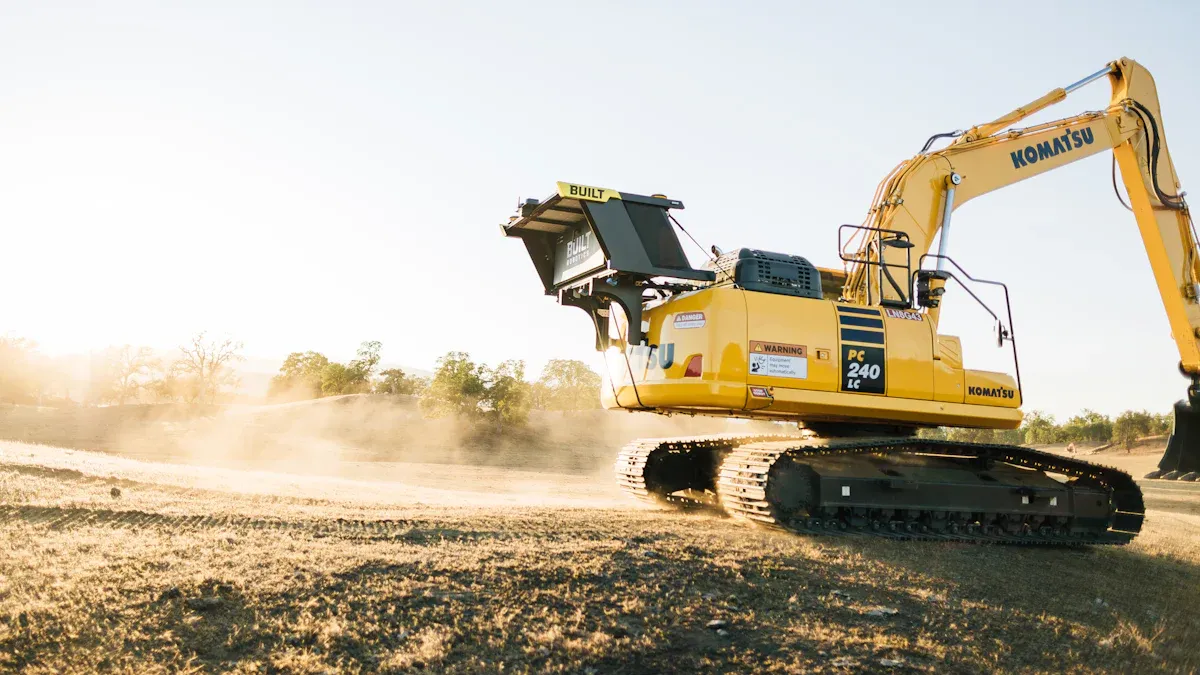
I often hear farmers discuss the challenges of South America’s varied landscapes. Operating heavy machinery demands specific capabilities. From the steep slopes of the Andes to the soft, marshy lowlands, every terrain presents unique obstacles. I have seen a growing trend in Brazil, Mexico, and Chile: farmers adopt compact track and multi-terrain loaders with rubber tracks. These machines are essential for agricultural tasks and infrastructure upkeep in remote or sloped areas. Contractors in these regions value the ability of these tracks to move over rough ground without harming soil structures. This is vital for maintaining stability and productivity on farmlands.
C-Pattern rubber tracks are very popular across the Americas, including South America. They offer excellent traction and handle slopes well. Their C-shaped lugs dig into soft ground with the leading edge. The curved trailing face improves flotation and reduces slippage. This design works especially well on soft soils, gradients, and terrains needing high flotation. These conditions are common on many farmlands. I know this pattern also sees use in compact track loaders for construction zones with difficult terrain and in forestry. Consistent grip on uneven slopes is critical in those environments.
Minimizing Soil Compaction Concerns
Soil compaction is a major concern for farmers. Heavy machinery can press down on the soil. This harms root structures and reduces crop yields. I have observed a clear difference when comparing rubber tracks to traditional steel tracks.
| Criteria | Rubber Tracks | Steel Tracks |
|---|---|---|
| Surface Impact | Minimal ground damage; ideal for turf, asphalt, finished soil | May scar pavements and compact soil due to high point pressure |
CNH rubber tracks spread the machine’s weight over a larger area. This greatly reduces ground pressure. I find this makes them perfect for soft or cultivated soil. Heavy equipment might otherwise cause compaction damage in these areas. In farming, reducing soil compaction is crucial for keeping root structures healthy and ensuring high crop yields. ASV rubber tracks also minimize soil compaction in agricultural settings. They help extend working seasons in agriculture.
I understand that tracks generally cause less soil compaction than wheels. However, it is a myth that tracks always provide less compaction. Firestone Ag studies show tracks only had better soil compaction ratings when their tire counterparts went over 35 psi. Tires were similar to tracked models in soil compaction if not over- or under-filled. Researchers at the University of Minnesota suggest paying attention to axle loads on equipment. Loads under 10 tons likely cause less compaction, affecting the topsoil where most roots live. Loads greater than 10 tons can cause compaction as deep as 2-3 feet. This significantly impacts root growth. Many farmers tell me the long-term benefits of rubber tracks, like better yields and lower maintenance, outweigh the initial cost.
Reducing Equipment Wear and Tear
Equipment longevity is a key factor in farm economics. I have learned that the type of tracks used directly impacts how long an excavator’s components last. Steel tracks increase noise and create more vibrations during operation. This can lead to faster wear of the mini excavator’s components.
In contrast, excavator rubber tracks significantly reduce both noise and vibration compared to steel tracks. This benefits operations in residential or noise-sensitive areas. I also know that steel tracks are much harder on the drive components and undercarriage of the machine. Rubber tracks absorb bumps and ground noise much better. They transfer less vibration into the machine. This reduction in transferred vibration helps with long-term operational cost savings. It also provides a nicer experience for the operator. I see this as a clear advantage for maintaining equipment health and reducing repair costs over time.
Real-World Impact: Farmer Testimonials on Excavator Rubber Tracks
Increased Productivity in Crop Fields
I often hear farmers talk about how much faster they can work with rubber tracks. They tell me these tracks make their machinery much more efficient. I have seen reports showing significant improvements in operational speed. This means farmers can complete tasks more quickly.
| Metric | Improvement |
|---|---|
| Machinery Efficiency | 30-40% higher |
| Implication | Faster, more productive operations |
This higher efficiency directly translates to more productive operations. Farmers can cover more ground in less time. This is crucial during planting and harvesting seasons. I believe this increased speed helps them meet tight deadlines. It also allows them to maximize their crop yields.
Enhanced Maneuverability in Tight Spaces
I have personally observed how excavator tracks transform work in confined areas. Farmers often need to operate in orchards, vineyards, or nurseries. These spaces demand precise control. New Holland compact excavators, with their durable rubber tracks, allow for very precise operation. They cause minimal disruption in these delicate environments. Their rubber tracks also let them move across different terrains. They cause very little ground damage.
I find these machines offer strong maneuverability. Their small size allows them to enter narrow spaces like orchards and greenhouses. They have a small turning radius. This enables flexible operation and fine tasks in complex environments. The crawler design improves passability and stability. It helps them adapt to complex terrain.
Farmers tell me these tracks are especially suited for limited spaces. This includes orchards for crops like kiwifruit, vineyards, oranges, and navel oranges. Their simple, small, and flexible design makes them easy to transport. They can work in small venues. A compact design with a tailless body enhances maneuverability. This is very helpful in confined spaces with limited access.
Significant Reduction in Downtime
I know that equipment downtime can be very costly for farmers. Every hour a machine is out of commission means lost productivity. Rubber tracks play a big role in reducing this downtime. They are less prone to damage than steel tracks on certain surfaces. This means fewer repairs.
I have learned that ASV roller wheels distribute weight evenly. This happens across a large ground contact area. It minimizes ground pressure and enhances traction. The Posi-Track system, with more wheels per track, further balances the load. It reduces ground pressure. This allows navigation in delicate environments. ASV loader tracks feature specialized tread patterns. These patterns enhance grip. Directional treads work well in mud and snow. Lateral treads provide stability on grass and slopes. Advanced rubber compounds and steel inserts ensure durability and flexibility. These materials allow tracks to adapt to different surfaces. ASV tracks machines are engineered for superior acceleration and quick shifting. This allows swift movement across various terrains. This combination of speed and agility helps operators navigate tight spaces efficiently.
GEHL rubber tracks also offer benefits. They minimize ground pressure. This is good for soft ground or where surface integrity is crucial. It reduces damage to agricultural landscapes. Treads on GEHL rubber tracks have unique designs. They promote traction and stability. Patterns are available for various terrain types or general-purpose applications. GEHL tracks allow navigation of various terrain types and environmental conditions. This ensures productivity on any site. Specific GEHL models, like the 320x86x49 track, balance robust strength with lightweight agility. This enables precision in challenging terrains. The GEHL 320x86x54 track features a narrow guide design. It enhances efficiency and ensures exceptional traction across multiple environments. The GEHL 400x86x49 track offers optimal maneuverability, efficiency, and stability. It has exceptional grip for seamless navigation in demanding conditions. These features mean less wear and tear on the machine. This leads to fewer breakdowns and more time working in the fields.
Excavator Rubber Tracks vs. Traditional Steel Tracks
Superior Traction and Stability
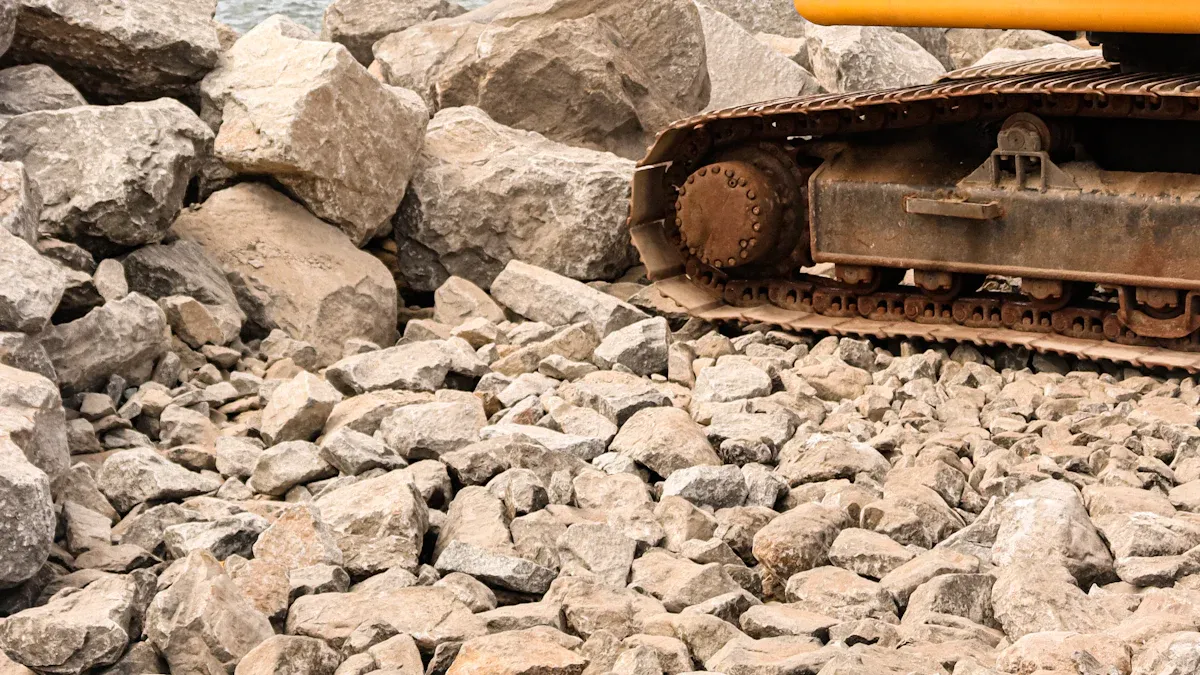
I often compare excavator rubber tracks to traditional steel tracks for farm work. For farming, I find rubber tracks are preferred “9 times out of 10.” They are field-friendly, quieter, and roadable. Steel tracks are heavy, loud, and can damage yards, roads, and soil. When I look at traction, steel tracks are best on rough, muddy ground. However, rubber tracks excel on soft or paved surfaces. Multi-bar rubber tracks offer enhanced grip and stability, especially in muddy or soft ground. Their unique tread pattern can increase productivity by up to 30% in challenging conditions. This design distributes the machine’s weight, reducing sinking in soft soil. It also minimizes ground pressure. I recommend these tracks for agriculture and sites with loose or wet soil. Continuous rubber tracks also provide superior grip across various terrains, including mud. They distribute weight evenly, preventing deep ruts and excessive soil compaction. Tracked skid steers offer superior traction, stability, and flotation on soft or uneven surfaces. They have a lower center of gravity, enhancing safety on sloped terrain.
Less Damage to Farm Infrastructure
I have seen firsthand how much less damage excavator rubber tracks cause. Steel tracks can scar pavements and compact soil. Rubber tracks, however, cause minimal ground damage. They are ideal for turf, asphalt, and finished soil. This means less wear and tear on farm roads, driveways, and fields. Using rubber tracks leads to reduced maintenance costs for infrastructure. I know that rubber intermixed ballast systems in rail tracks can yield significant cost savings. This principle applies to farm infrastructure too. Reduced damage means fewer repairs and less money spent over time.
Improved Operator Comfort and Control
I always notice the difference in operator experience. Rubber tracks offer lower noise levels and less vibration. This greatly enhances operator comfort. Steel tracks are much noisier and cause significant vibration. Rubber tracks absorb bumps and ground noise better. They transfer less vibration into the machine. This creates a quieter and more comfortable work environment. Improved operator comfort leads to better focus and less fatigue. Studies show that operators experience less physical fatigue with better controls. This directly leads to increased productivity. When operators are comfortable, they make fewer errors and maintain higher overall productivity.
Economic Benefits of Excavator Rubber Tracks for Farmers
Lower Fuel Consumption
I often hear farmers discuss the importance of managing operational costs. Fuel consumption is a major expense. I have learned that rubber tracks significantly contribute to lower fuel bills. These tracks are lighter than traditional steel tracks. This reduced weight means the machine uses less energy to move. Furthermore, rubber tracks offer less rolling resistance. This is especially true on smooth or compacted surfaces. Less resistance translates directly into less fuel burned during operation. Farmers can see substantial savings over time.
Extended Equipment Lifespan
I understand that farm machinery represents a significant investment. Protecting that investment is crucial. Rubber tracks play a vital role in extending equipment lifespan. They absorb shocks and vibrations much better than steel tracks. This reduces stress on the excavator’s engine, hydraulic systems, and undercarriage components. Less wear and tear on these critical parts means they last longer. Farmers benefit from fewer premature breakdowns and a longer operational life for their valuable machinery.
Reduced Maintenance Costs
I know that maintenance costs can quickly add up for farmers. Rubber tracks help keep these expenses in check. They cause less damage to the machine’s undercarriage. This means fewer repairs and replacements for rollers, sprockets, and idlers. Rubber tracks are also less likely to damage farm infrastructure, like paved paths or concrete floors. This reduces the need for costly repairs to the farm itself. Farmers experience fewer unexpected repair bills. This leads to more predictable and lower overall maintenance budgets.
Farmers consistently praise excavator rubber tracks for transforming their operations across South America. I see these benefits extend from improved efficiency and reduced costs to enhanced environmental stewardship. For example, rubber track pads prevent field damage in sugarcane farming. They also reduce soil compaction, promoting healthier soil. These tracks are now an indispensable tool for many South American agricultural businesses, driving progress and sustainability.
FAQ
How do rubber tracks benefit my farm’s soil?
I find rubber tracks spread the machine’s weight. This significantly reduces soil compaction. It helps maintain healthy root structures. This leads to better crop yields.
Are rubber tracks more expensive than steel rubber tracks?
I know rubber tracks have a higher initial cost. However, they offer lower fuel consumption. They also reduce maintenance expenses. This leads to long-term savings for me.
Can I use rubber tracks on all my farm equipment?
I see rubber tracks are ideal for many excavators. They work well on compact track loaders. They suit multi-terrain loaders. This makes them versatile for various farm tasks.

Post time: Jan-12-2026