

Agricultural Tracks Vs Wheels: Top China Manufacturer Insights
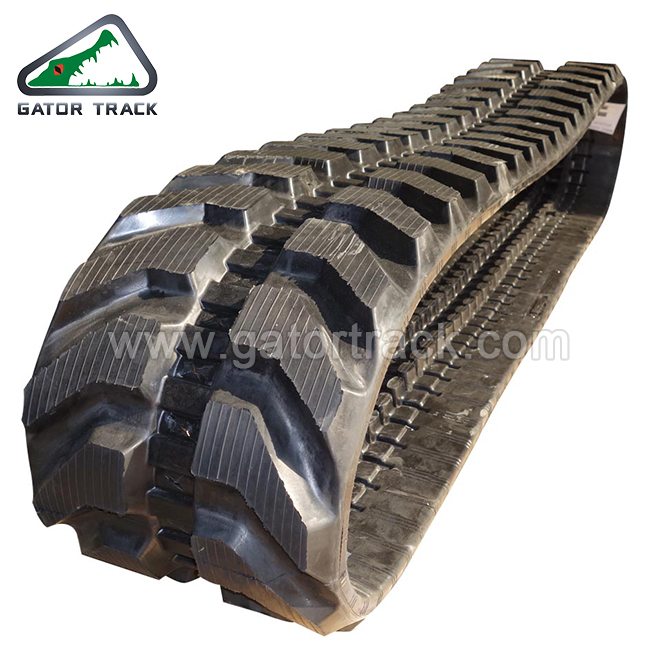
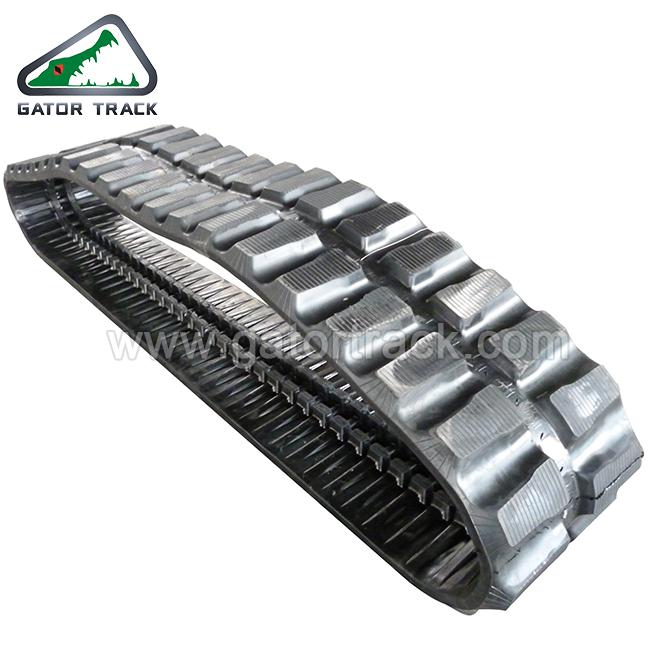
When it comes to choosing between agricultural tracks and wheels, I often consider the unique needs of our operations. Tracks can provide better traction and weight distribution, especially in muddy or uneven terrain, making them ideal for heavy-duty farming tasks. On the other hand, wheels can offer greater speed and maneuverability on hard surfaces, which is perfect for transport between fields. As a leading manufacturer in China, we understand these nuances and cater to clients who are weighing their options. Our tracks are engineered for durability and minimized soil compaction, while our wheels are designed for efficiency and ease of maintenance. We pride ourselves on being able to provide customized solutions that match your agricultural requirements. Whether you’re leaning towards tracks or wheels, our products are tested for optimal performance, ensuring you get the best value for your investment. Let's discuss how we can help you make the right choice for your farming needs.
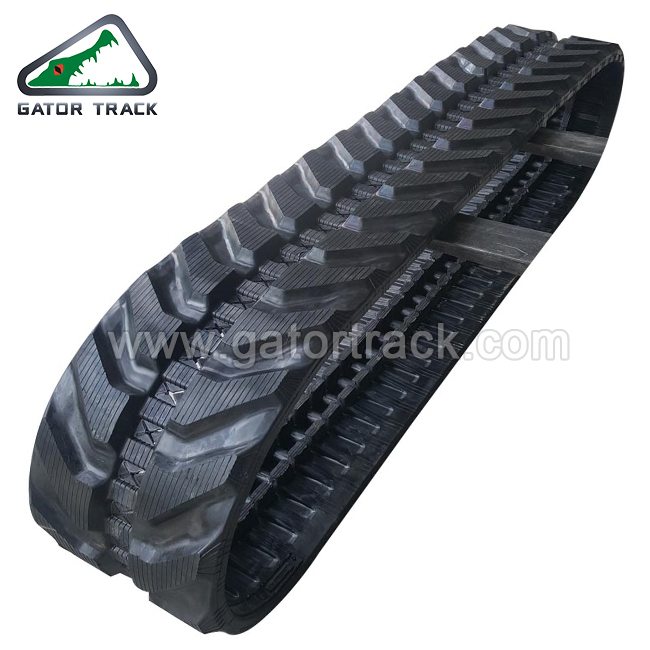
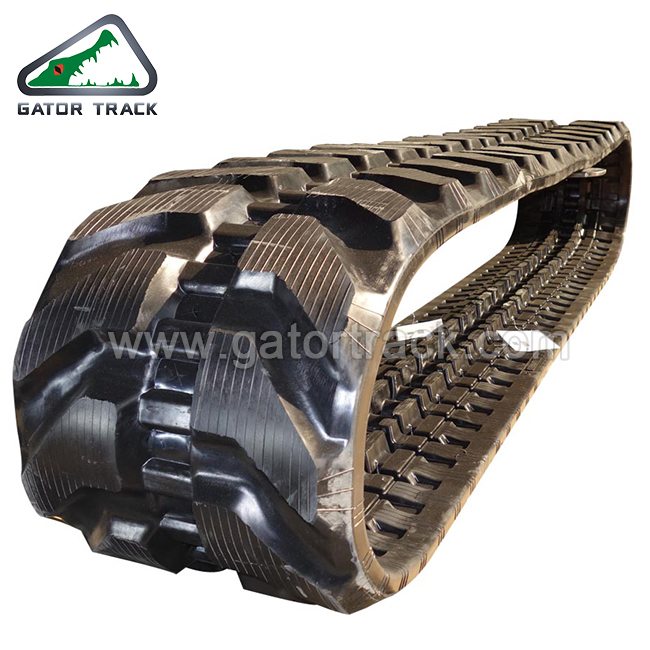
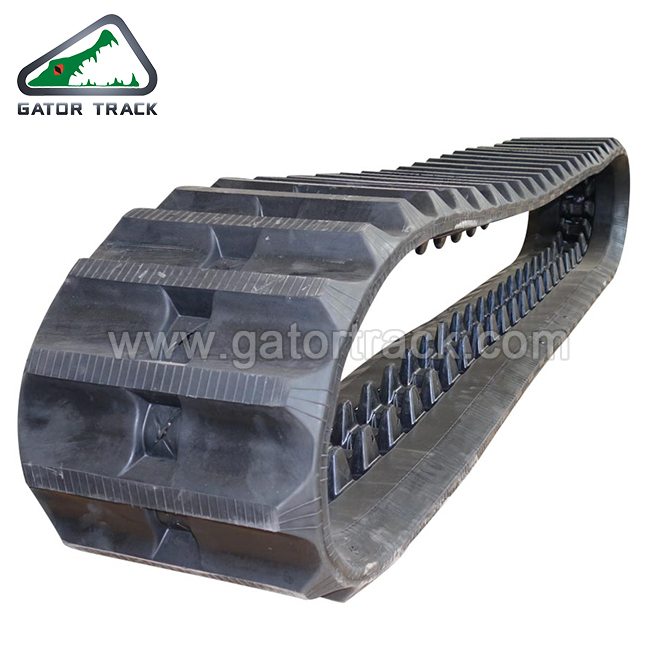
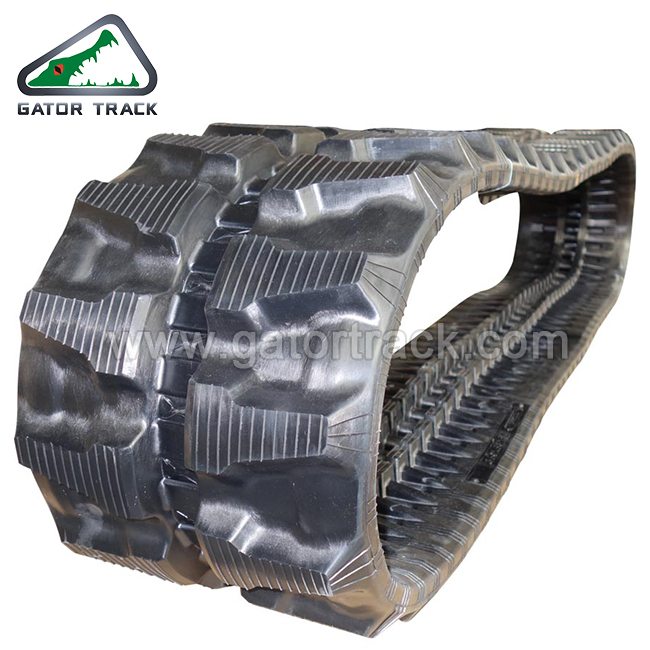
Agricultural Tracks Vs Wheels Leads the Global Market Factory-Direct Excellence
When considering the efficiency and adaptability of agricultural machinery, the debate between tracks and wheels has intensified. Each offers unique advantages, but understanding the specific contexts in which they excel can guide global buyers in making informed purchasing decisions. Tracks are famously known for their superior traction and reduced soil compaction, making them ideal for muddy or uneven terrains. They provide weight distribution that enhances stability and allows for operation in challenging conditions, which is increasingly crucial with the rise of extreme weather patterns. On the other hand, wheeled machinery can offer better speed and maneuverability on firm surfaces, which is advantageous for farmers operating on more stable terrain. They generally have lower maintenance costs compared to their tracked counterparts, contributing to a more straightforward ownership experience. The choice between tracks and wheels ultimately depends on various factors, including soil type, operational requirements, and intended use. As global markets evolve, understanding the trade-offs between these two systems empowers procurement managers to invest wisely in equipment that aligns with their operational needs. Optimal machinery not only enhances productivity but also contributes to sustainable farming practices, ensuring that agricultural businesses remain competitive in a rapidly changing environment. Buyers focused on long-term value should carefully analyze these aspects, fostering an informed decision-making process that can lead to enhanced efficiency and productivity in agricultural operations.
Agricultural Tracks Vs Wheels Leads the Global Market Factory-Direct Excellence
| Category | Market Share (%) | Growth Rate (2023-2028) | Key Benefits | Preferred Applications |
|---|---|---|---|---|
| Tracks | 57 | 5.5% | Better traction, Reduced soil compaction | Mud, Hills, Soft terrains |
| Wheels | 43 | 3.8% | Higher speed, Better fuel efficiency | Flat fields, Hard surfaces |
Related Products


Agricultural Tracks Vs Wheels Market Leader Your End-to-End Solution
Top Selling Products



- Related Blog
- Reviews
