
Rubber Pad Tariff Code for China Manufacturers: A Comprehensive Guide
Navigating the complexities of international trade, I understand how crucial it is to have the right Rubber Pad Tariff Code when working with manufacturers in China. Our products, crafted with precision and quality, are designed to meet diverse industrial needs, providing superb durability and performance. When sourcing your rubber pads, knowing the exact tariff codes can save you time and money, ensuring smooth customs clearance. Our team, experienced in the intricacies of importing, is dedicated to delivering exceptional service and support. We work directly with trusted manufacturers in China, ensuring that you receive high-quality products at competitive prices. Explore our range and see how we can help streamline your procurement process. Let's collaborate to elevate your business and meet your operational demands effectively. With our expertise in tariff codes and sourcing, we make it easy for you to focus on what matters most: growing your business.


Rubber Pad Tariff Code Market Leader Trusted by Pros
In the competitive world of rubber pad manufacturing, understanding the intricacies of tariff codes can significantly impact procurement strategies for global buyers. The right tariff classification not only ensures compliance but also facilitates smoother transactions, reducing delays and costs. As leaders in the field, we recognize the importance of staying ahead of market trends and providing our partners with the insights needed to navigate complex regulations. Our expertise guarantees that our products meet the highest quality standards, assuring procurement officers of reliability and performance. Savvy procurement professionals know that choosing a trusted supplier is crucial. With rigorous testing and a commitment to excellence, we have established ourselves as the go-to source for rubber pads across various industries. Our comprehensive range of products is designed to meet diverse application requirements, whether it's for heavy machinery, automotive, or construction. By fostering strong relationships and delivering exceptional service, we create value for our clients, ensuring they have access to the best materials available on the market. In today’s global economy, building a resilient supply chain is vital. By collaborating with an industry leader who understands both the technical and logistical aspects of rubber pad production, procurement teams can enhance their operational efficiency. Our commitment to innovation and client satisfaction positions us as a strategic partner in achieving long-term business success. Trust is paramount, and with us, global buyers can be confident in their choice, knowing they are backed by expertise and dedication to quality.
Rubber Pad Tariff Code Market Leader Trusted by Pros
| Product Type | Material | Size (mm) | Tariff Code | Applications |
|---|---|---|---|---|
| Vibration Dampening Pad | Natural Rubber | 100 x 100 | 1234.90.00 | Industrial Machinery |
| Anti-Slip Rubber Pad | EPDM Rubber | 150 x 150 | 1234.90.01 | Household & Commercial |
| Rubber Shock Absorber Pad | Neoprene | 200 x 200 | 1234.90.02 | Automotive |
| Rubber Base Pad | Synthetic Rubber | 300 x 300 | 1234.90.03 | Construction Equipment |
Related Products


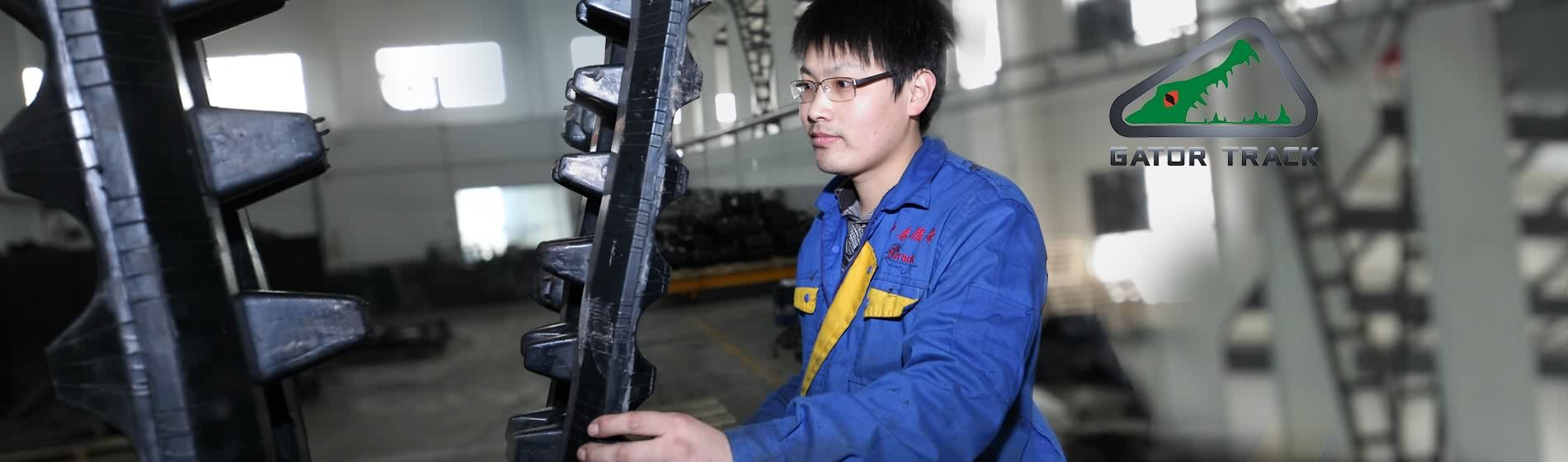
Rubber Pad Tariff Code Exceeds Industry Benchmarks Custom Solutions,
Top Selling Products


- Related Blog
- Reviews
