Skid Steer Tracks Vs Tires: A Guide from China Manufacturers
When deciding between skid steer tracks vs tires, I often find it crucial to think about the specific needs of my projects. Tracks generally provide superior traction and stability on soft or uneven terrain, making them ideal for heavy-duty use in construction and landscaping. However, tires can offer better speed and maneuverability on hard surfaces, which might be more beneficial for lighter tasks. As a manufacturer sourcing from China, I understand that both options come with varying price points and durability. It's important to weigh the long-term costs against immediate performance requirements. I prioritize quality and reliability, ensuring that whatever choice I make supports my productivity. Whether I choose tracks for their grip or tires for their speed, I know I can find the right solutions tailored to my needs. Let’s make an informed decision together to keep your operations running smoothly!

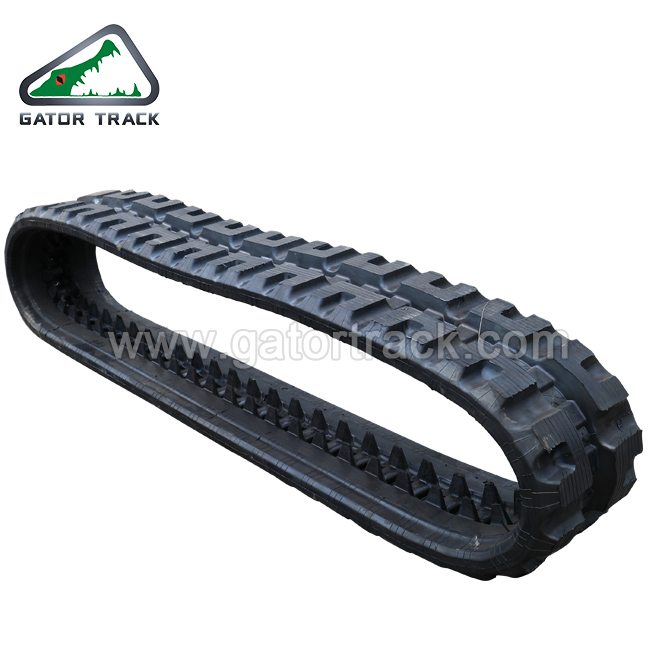
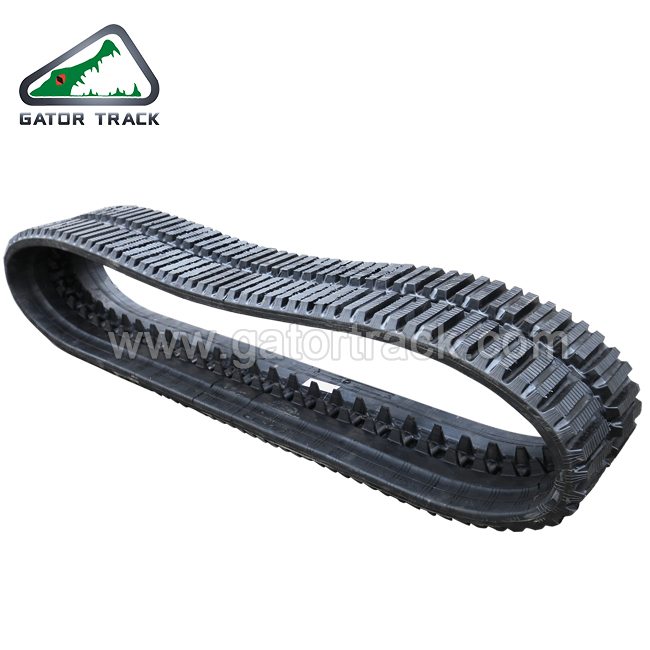
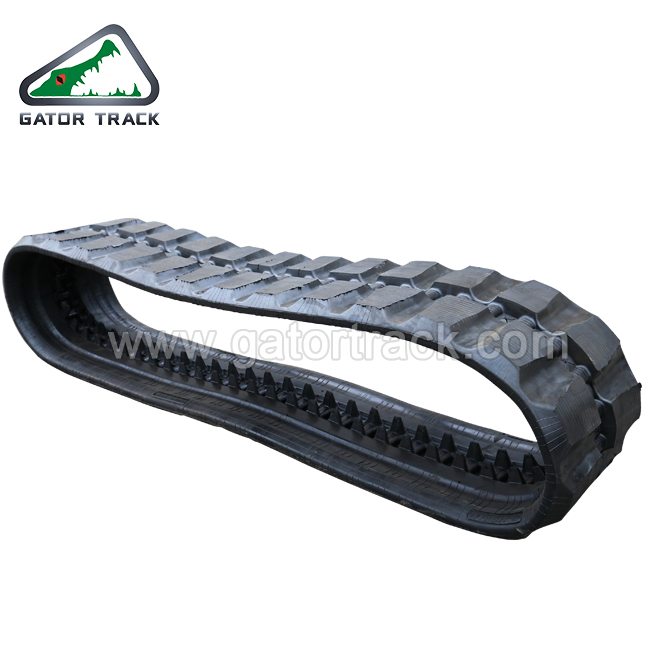
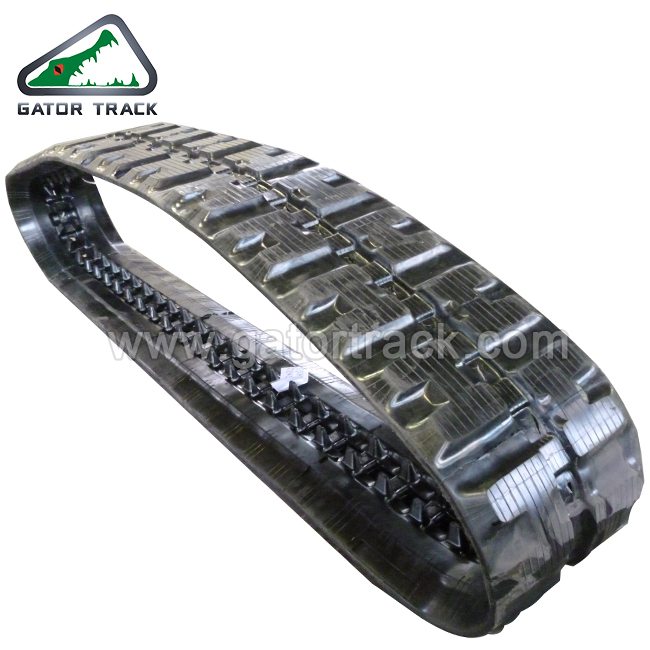
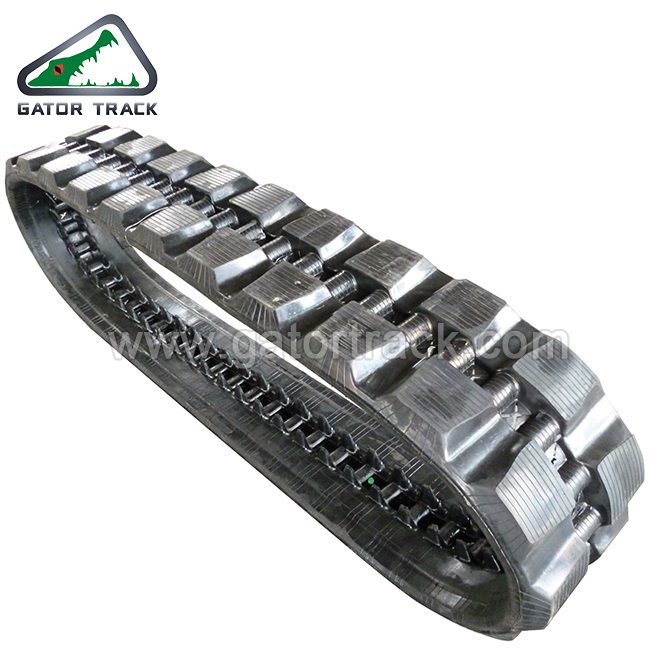
Skid Steer Tracks Vs Tires Application Ahead of the Curve
In the world of construction and landscaping, choosing the right undercarriage for your skid steer can significantly impact performance and productivity. When weighing the options between tracks and tires, it's essential to consider the specific applications and environmental conditions in which the equipment will operate. Tracks provide superior traction on loose, muddy, or uneven surfaces, distributing weight more evenly and reducing ground pressure. This results in less damage to the terrain while enhancing stability and control, especially when navigating rugged landscapes. On the other hand, tires offer advantages in terms of speed and maneuverability on flat, hard surfaces. They are often easier to maintain and replace, making them a cost-effective option for operations primarily on paved or compact soil. Furthermore, tire performance can be optimized with various tread patterns designed for different scenarios, whether it be slick surfaces or rocky terrain. Ultimately, the decision should align with the specific demands of your projects and job sites, balancing the trade-offs between the superior grip of tracks and the agility of tires. It's important for global buyers to recognize that both tracks and tires have their unique benefits and limitations. Analyzing factors such as soil conditions, weather, and the nature of the tasks will guide the optimal choice. Making an informed decision not only enhances equipment efficiency but also contributes to a more sustainable operational strategy, enabling enterprises to stay ahead in a competitive market.
Skid Steer Tracks Vs Tires Application Ahead of the Curve
| Feature | Tracks | Tires |
|---|---|---|
| Traction | Excellent on soft or uneven ground | Good on hard surfaces, less effective on soft ground |
| Durability | Highly durable against rough terrain | Wear quicker on abrasive surfaces |
| Maneuverability | Less maneuverable in tight spaces | More maneuverable and agile |
| Comfort | Rough ride on solid surfaces | Smoother ride overall |
| Maintenance | Requires more frequent checks | Generally lower maintenance |
| Application | Best for construction sites and muddy conditions | Ideal for landscaping and asphalt work |
Related Products
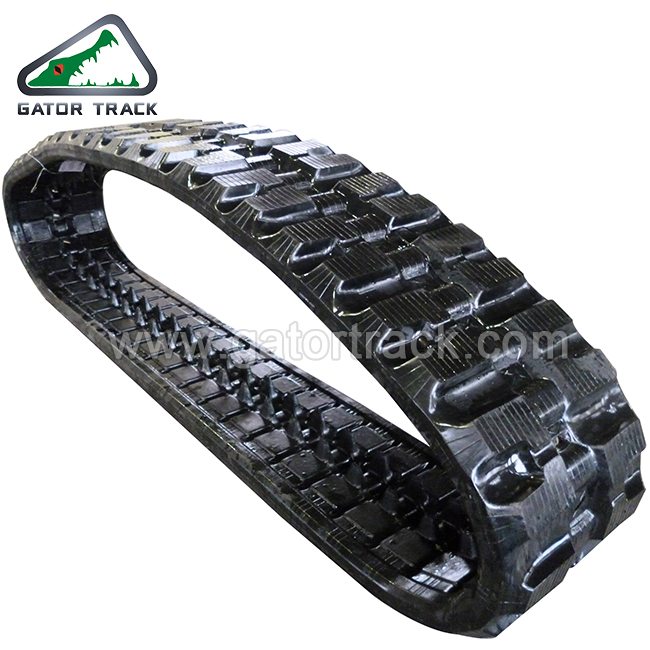
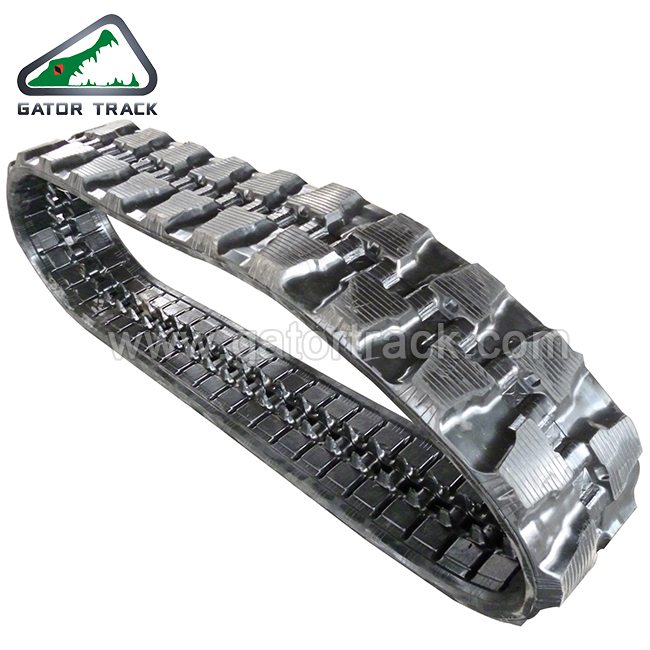
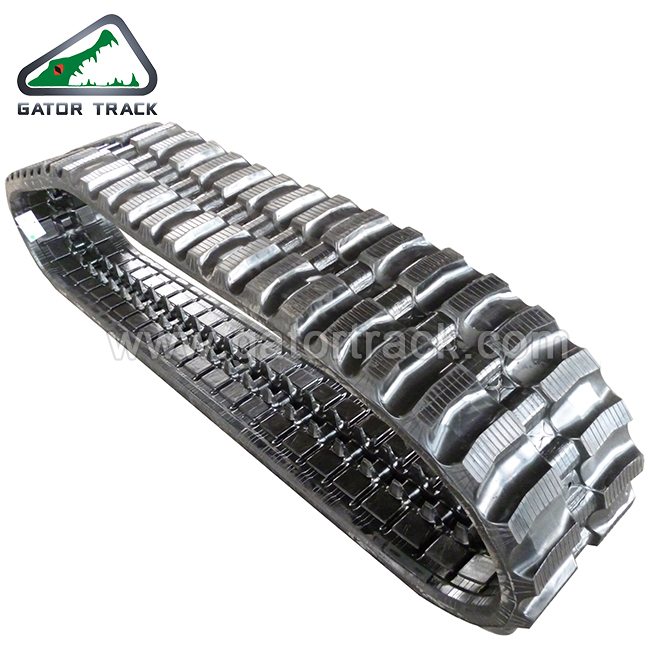
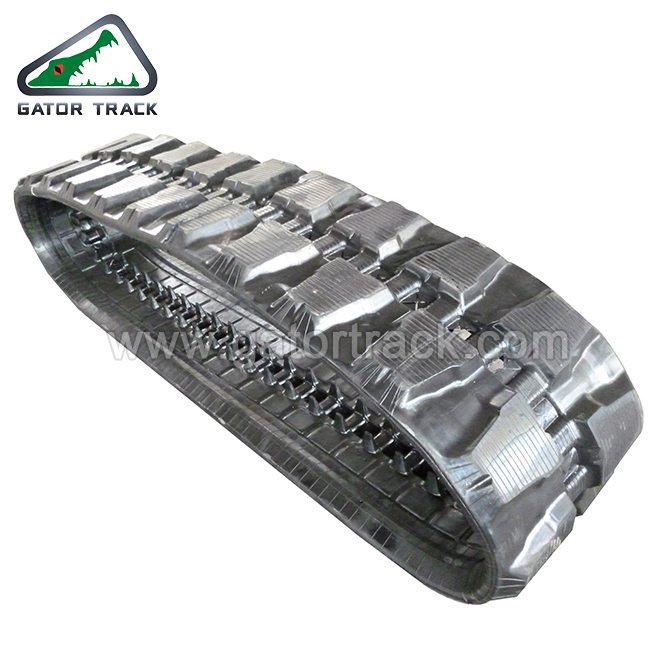

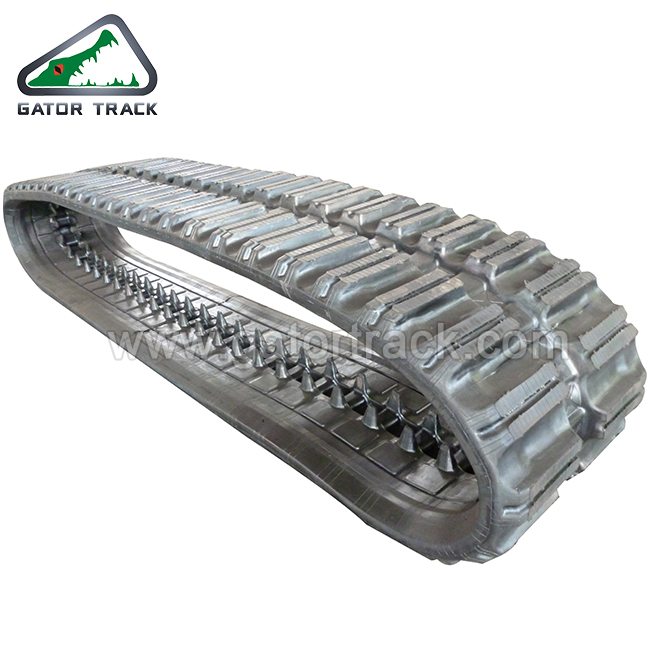
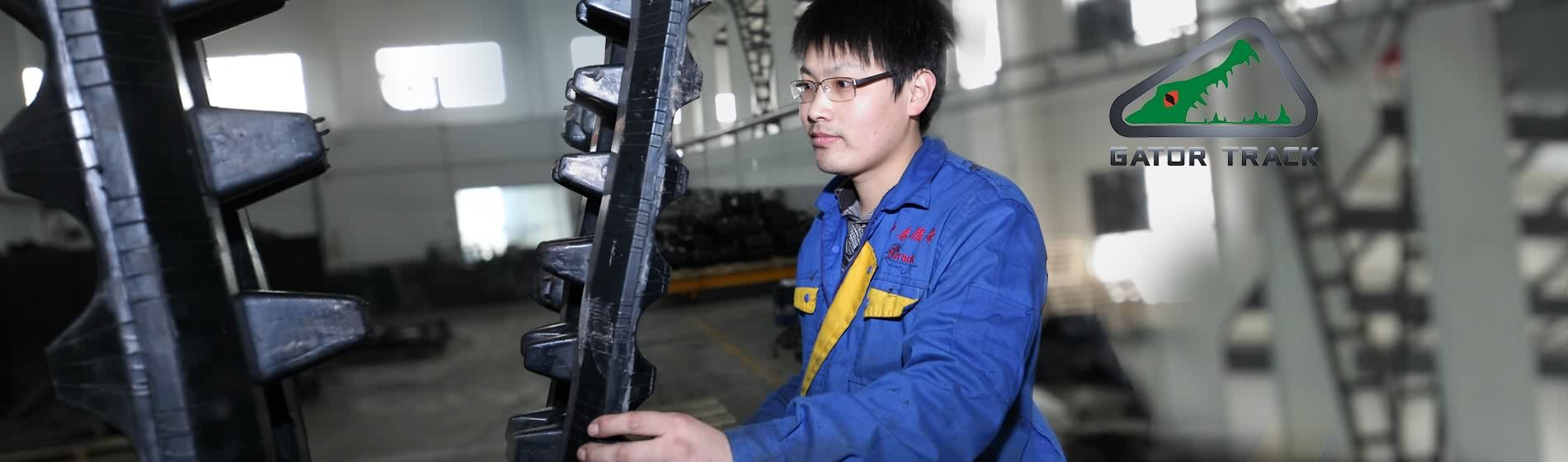
Skid Steer Tracks Vs Tires Now Trending Exceeds Industry Benchmarks
Top Selling Products



- Related Blog
- Reviews
