
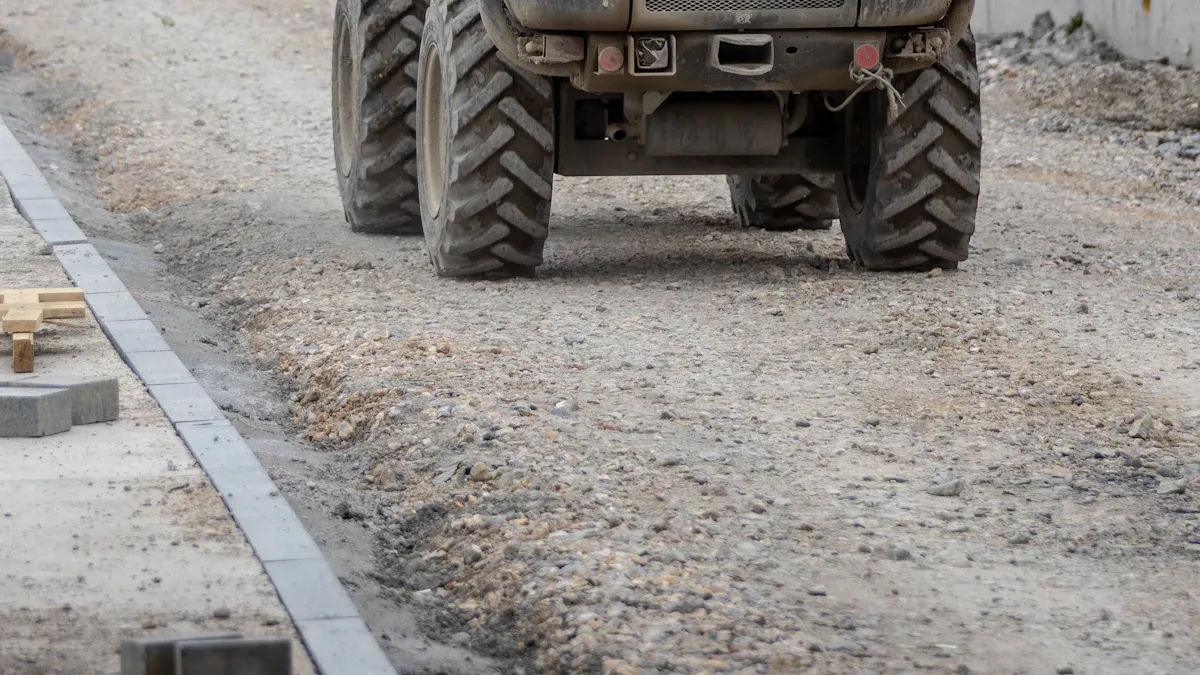
I often think about how crucial dumper rubber tracks are for equipment mobility. You see, these rubber tracks, much like excavator tracks, are not all the same. Many types of dumper rubber tracks exist. Each one is specifically engineered to meet different demands on the job site.
Key Takeaways
- Dumper rubber tracks come in two main types: continuous and segmented. Continuous tracks are strong and one solid piece. Segmented tracks are easier to fix if a part breaks.
- Different dumper tracks are made for different jobs. Standard tracks work well on many surfaces. Heavy-duty tracks are for tough jobs. Non-marking tracks protect delicate floors.
- The tread pattern on a dumper track helps it grip the ground. Some patterns are good for mud. Others are better for grass or smooth surfaces. Choose the right pattern for your work.
Understanding Dumper Rubber Tracks by Construction
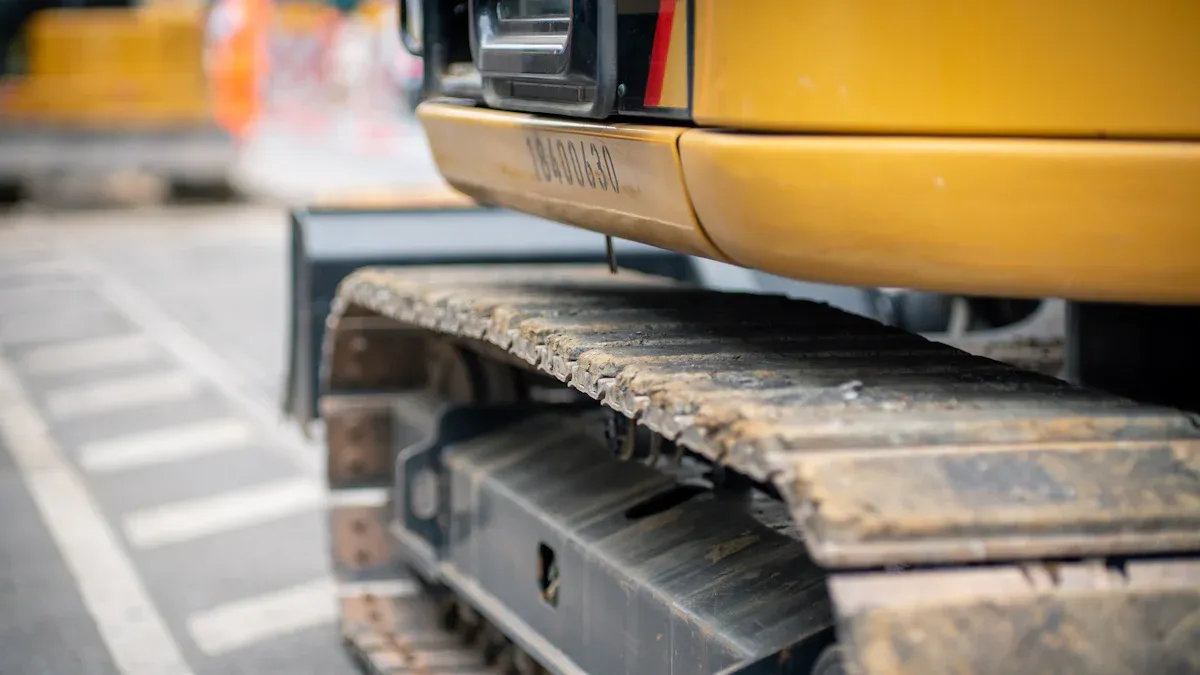
When I look at dumper rubber tracks, I see two main ways they build them. These construction methods really change how the tracks perform and how you maintain them. It’s like choosing between a solid, unbreakable chain and one made of easily replaceable links.
Continuous Dumper Rubber Tracks
I often think of continuous dumper rubber tracks as the workhorses of the industry. They are one solid, seamless piece of rubber. This design means they have no joints or weak points. I’ve learned that these tracks aren’t just plain rubber; they use a special blend of high-strength natural and synthetic rubber. This mix gives them amazing anti-abrasive properties, flexibility, and helps them perform well even on tough terrain.
Inside, they have high-strength steel cables. I find it fascinating that they use something called Continuous Steel Cord Technology, packed with a high percentage of carbon. This design actually boosts their durability and strength by a whopping 40%! And the way they put it all together is pretty advanced too. They use vulcanization technology, which helps the rubber wear down slowly, keeps the metal parts integrated perfectly, and even makes the track more elastic. This means they resist wear and high temperatures much better. I see these tracks as ideal for heavy-duty work where you need maximum strength and a long lifespan.
Segmented Dumper Rubber Tracks
On the other hand, I see segmented dumper rubber tracks as a smart solution for different needs. These tracks aren’t one solid piece. Instead, they consist of several individual rubber pads or segments. Workers bolt these segments onto a metal chain or frame. I think their biggest advantage is how easy they are to repair. If one segment gets damaged, you don’t have to replace the entire track. You just swap out the broken piece. This can save a lot of time and money on maintenance.
However, I also know that because they have more joints, they might not offer the same continuous ground contact or overall strength as continuous tracks. They are often a good choice for applications where ease of repair and cost-effectiveness are top priorities, especially if the dumper operates in environments where track damage is more common. I find that choosing between continuous and segmented dumper rubber tracks often comes down to balancing durability with maintenance convenience.
Specialized Dumper Rubber Tracks for Performance
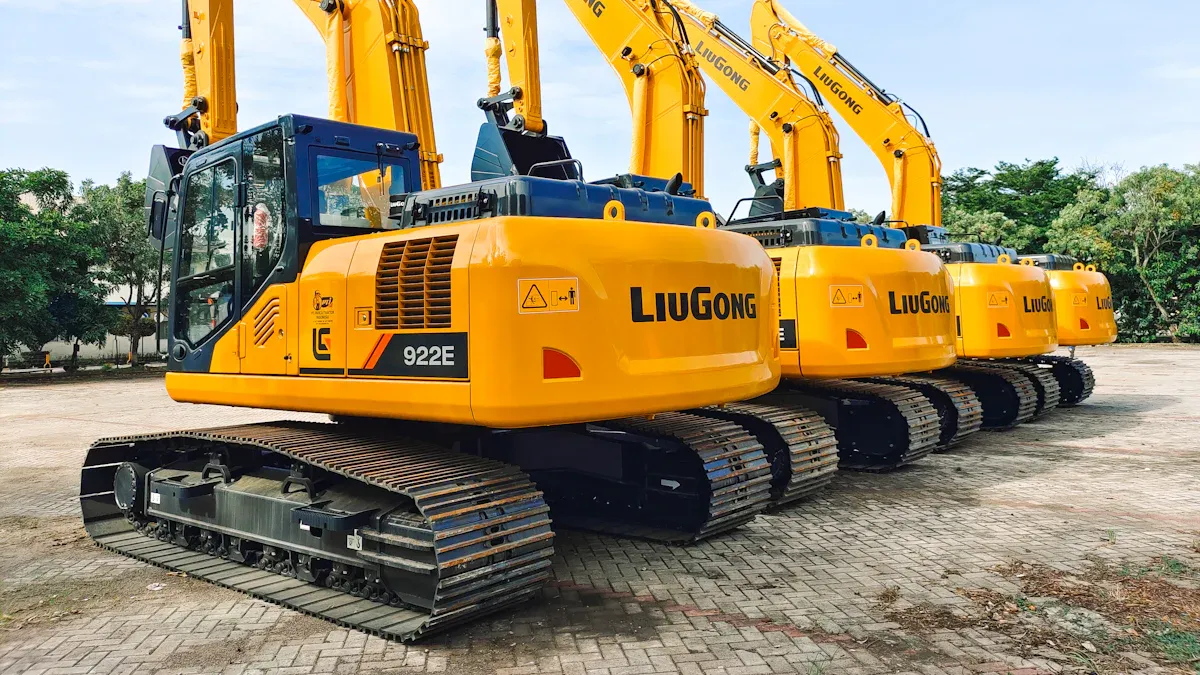
I find it fascinating how dumper rubber tracks come in different specialized types. These tracks really boost performance for specific jobs. Each one offers unique advantages. They are designed to handle particular challenges on the job site.
Standard Dumper Rubber Tracks
When I think about standard dumper rubber tracks, I see them as the versatile all-rounders. They perform well in many different situations. I know they work effectively on uneven or wet ground, even when the dumper is fully loaded. These tracks are built for challenging terrains. This includes mud, snow, rock, debris, steps, and even narrow pathways. I’ve seen them use ‘rocking rollers.’ These rollers let the tracks move over obstacles like stones or bricks. They do this while keeping the load stable. The undercarriage is also angled. This helps with climbing. It lets the dumper ride over obstacles instead of getting stuck.
I also look at how they build these tracks. They use dual continuous copper-coated steel wire. This gives them strong tensile strength. It also ensures a great bond with the rubber. The rubber compound itself resists cuts and wear. They craft the metal insert as a one-piece forging. This prevents the track from deforming sideways. I think these features make standard tracks a reliable choice for many general construction tasks.
Heavy-Duty Dumper Rubber Tracks
For the toughest jobs, I always recommend heavy-duty dumper rubber track. These tracks are built to last. They feature a unique rubber compound. This compound gives them amazing durability and a long life. Their sturdy construction resists wear and tear. I’ve learned they have a joint-free track structure. This adds to their strength. They also use a specially designed tread pattern. This pattern helps with grip. They are made from 100% virgin rubber. They also have one-piece forged insert steel. All these elements make them incredibly robust.
I’ve seen these tracks shine in specific applications. They offer maximum traction and stability. They have 180 mm wide-tread tracks. These tracks include internal steel cable inserts. This ensures superior grip on many surfaces. They also have a manual track tension adjustment system. This helps keep things tight. They give you excellent control with intuitive levers. Their low center of gravity and balanced weight distribution mean superior stability on slopes. They are an ideal solution for safely navigating slopes, drops, and obstacles. They also offer rapid maneuverability and reduced noise.
In construction, they easily transport building materials. This includes sand, gravel, and bricks. They can carry a 500 kg load. This makes them good for both small and large job sites. For landscaping, they are perfect for moving soil, compost, or stones. They fit into areas where bigger equipment cannot go. They have a 0.22 m³ bucket volume. In agriculture, they simplify handling hay, crops, and farm equipment. This is thanks to their powerful engine and rubber tracks. They are agile in tight spaces. They have a 0.95 m turning radius and a 520 mm track center distance. They transport up to 500 kg effortlessly. This is because of their loading bucket and sturdy rubber tracks.
Non-Marking Dumper Rubber Tracks
I often think about non-marking dumper rubber tracks for specific environments. These tracks are special because they do not leave black marks on sensitive surfaces. Imagine working inside a finished building or on decorative paving. You wouldn’t want black streaks everywhere. That’s where these tracks come in handy. They are usually made with a different rubber compound. This compound lacks the carbon black that gives regular tracks their color and marking properties. I find them essential for indoor work or any job where cleanliness and surface protection are top priorities. They might not be as durable as heavy-duty tracks for rough terrain, but their ability to keep surfaces clean is invaluable.
Dumper Rubber Tracks: Tread Patterns and Applications
I find it fascinating how much a dumper’s performance depends on its tread pattern. The right pattern makes a huge difference. It helps the dumper grip the ground and move efficiently. Each design has a specific job.
Block and Straight-Bar Tread Patterns
I often see block and straight-bar patterns on many dumper rubber tracks. Block patterns, with their distinct, raised blocks, give excellent traction. They really dig into soft or loose ground. I’ve noticed they perform well in wet and muddy conditions. They remind me of those big block radial tires on loaders and earth-movers, designed for tough, off-road environments. Straight-bar patterns, on the other hand, offer good forward and backward traction. They work well on firmer surfaces. I think they provide a smooth ride and good stability.
Multi-Bar and Zig-Zag Tread Patterns
When I need enhanced traction and stability, especially on uneven surfaces, I look for multi-bar tread patterns. They really excel in soft or muddy terrains. They create a larger surface area, which reduces ground pressure. This prevents the dumper from sinking. I find this design minimizes slippage, which is crucial for maintaining stability. Multi-bar patterns are great for wet, dirt, and general construction. They offer all-season performance and last a long time. Zig-zag patterns also provide good grip. They help shed mud and debris, keeping the track clean.
Turf and Non-Marking Tread Patterns
I think about turf patterns when I need to protect delicate surfaces. They have a smoother, less aggressive design. This minimizes damage to grass or finished flooring. Non-marking dumper rubber tracks, which I mentioned earlier, often feature these gentler patterns. They are essential for indoor work or any job where I need to avoid leaving marks. They keep surfaces clean and undamaged.
Directional and V-Pattern Tread Patterns
Directional and V-pattern treads are quite specialized. I see V-patterns often. They have a distinct “V” shape that points in the direction of travel. This design helps push mud and debris out from under the track. It keeps the track clean and maintains excellent forward traction. I find they offer superior grip on slopes and in challenging conditions. They are great for jobs where I need consistent, powerful movement.
I really think picking the right track is key for any successful job. Each track type offers unique benefits. They match different terrains and tasks perfectly. Making the correct choice boosts your dumper’s performance. It also makes it more efficient. Plus, your equipment will last much longer.
FAQ
What makes continuous tracks different from segmented tracks?
I see continuous tracks as one solid piece. They offer great strength. Segmented tracks have individual parts. I find them easier to repair if one piece breaks.
Why do different tread patterns matter for my dumper?
I think tread patterns are super important! They help your dumper grip the ground. Different patterns work best for mud, turf, or smooth surfaces. I choose based on the job.
When should I use non-marking dumper rubber tracks?
I use non-marking tracks when I need to protect surfaces. They won’t leave black marks on floors or delicate areas. I find them perfect for indoor jobs.

Post time: Nov-05-2025