
Understanding Rubber Pad Meaning from Top China Manufacturers
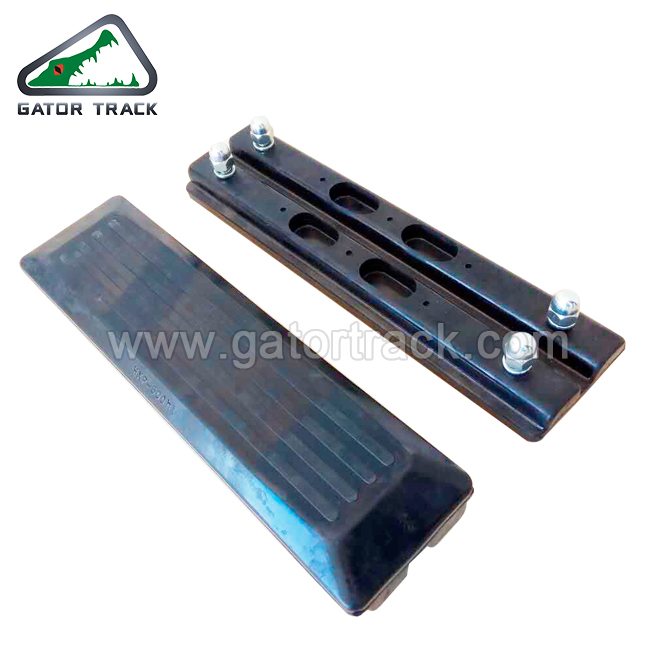
When I think about rubber pads, I know they’re essential for many industries, especially in manufacturing. The term "rubber pad meaning" refers to those versatile pieces designed to provide cushioning, support, and protection for various applications. Sourced directly from reputable manufacturers in China, our rubber pads showcase exceptional durability and resilience, suitable for heavy-duty use. I understand the importance of quality and reliability when sourcing these products for your business. That’s why I choose to offer rubber pads that not only meet but exceed industry standards. Whether you need them for machinery, flooring, or vibration dampening, our pads cater to all requirements. The variety of sizes and thicknesses ensures that you’ll find the perfect fit for your needs. Let’s elevate your operations with top-tier rubber pads that promise performance, cost-effectiveness, and peace of mind. Reach out today to see how our solutions can benefit your business!


Rubber Pad Meaning Application Outperforms the Competition
Rubber pads have become essential components in various industries due to their versatility and performance. They serve numerous applications, from vibration damping to surface protection, making them indispensable in manufacturing, construction, and automotive sectors. The inherent properties of rubber, including flexibility, durability, and resistance to wear and tear, enable these pads to outperform competing materials. In a constantly evolving market, sourcing high-quality rubber pads can significantly enhance operational efficiency and reduce long-term costs. When selecting rubber pads, it's crucial to consider their specific applications. For instance, in industrial settings, they minimize vibrations caused by machinery, protecting both the equipment and the surrounding environment. In construction, rubber pads offer reliable solutions for noise reduction and load distribution, ensuring structural integrity and safety. Similarly, in automotive applications, they provide crucial support, reducing noise and enhancing driving comfort. By integrating custom-designed rubber pads into operations, industries can achieve measurable improvements in performance and reliability. The competitive landscape necessitates that global buyers not only seek reliable and effective solutions but also prioritize suppliers that understand their unique needs. Collaborating with manufacturers that offer expertise in rubber pad applications ensures access to innovative solutions tailored for diverse operational challenges. By staying ahead of trends and investing in high-quality products, companies can secure a competitive advantage and drive growth in their respective markets.
Rubber Pad Meaning Application Outperforms the Competition
| Application | Material Type | Features | Performance Rating |
|---|---|---|---|
| Industrial Equipment | Natural Rubber | High Durability, Weather Resistant | 9.5/10 |
| Automobile Parts | Synthetic Rubber | Vibration Dampening, Heat Resistant | 8.8/10 |
| Construction | EPDM Rubber | UV Resistant, Excellent Flexibility | 9.2/10 |
| Home Appliances | Silicone Rubber | Non-Toxic, Heat Resistant | 9.0/10 |
| Medical Devices | Thermoplastic Elastomer (TPE) | Biocompatible, Flexible | 9.7/10 |
Related Products



Rubber Pad Meaning Industry Giant Custom Solutions,
Top Selling Products



- Related Blog
- Reviews
