Rubber Tracks for Robots: Top China Manufacturer for Norwegians
When it comes to enhancing your robot's performance, I truly believe that our rubber tracks make a significant difference. Sourced from top manufacturers in China, these tracks are designed specifically for robotic applications, providing superior grip and durability on various terrains. I’ve seen firsthand how they improve mobility, ensuring that your robots can navigate challenging environments effortlessly. Our rubber tracks are tailored for the demanding needs of Norwegian applications, whether for agriculture, construction, or other industrial uses. Each product is rigorously tested for quality, giving you peace of mind in your purchasing decision. By choosing our tracks, you’re not just getting a product; you’re investing in reliability and efficiency for your robotic systems. Let’s elevate your robotics game together with the best tracks in the market—crafted with care and expertise.
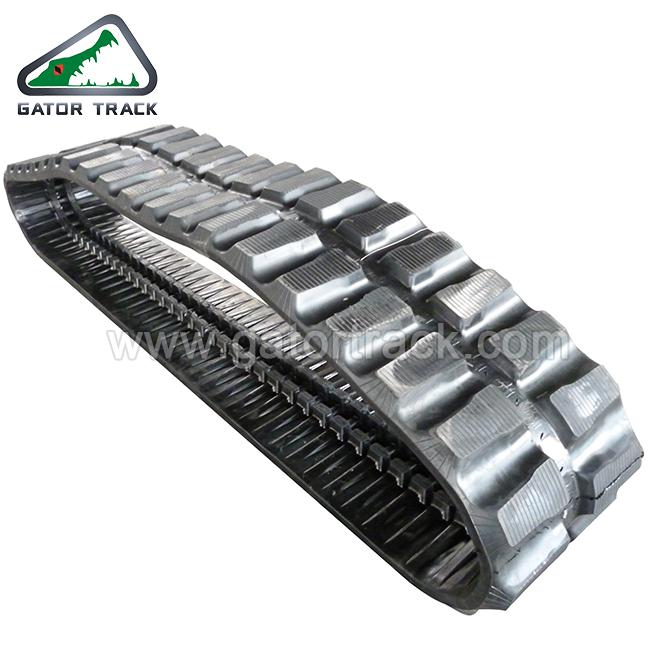
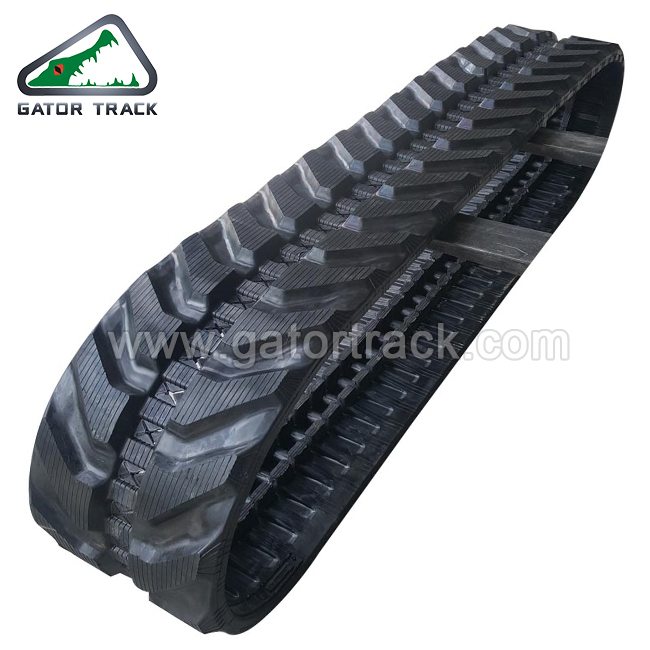
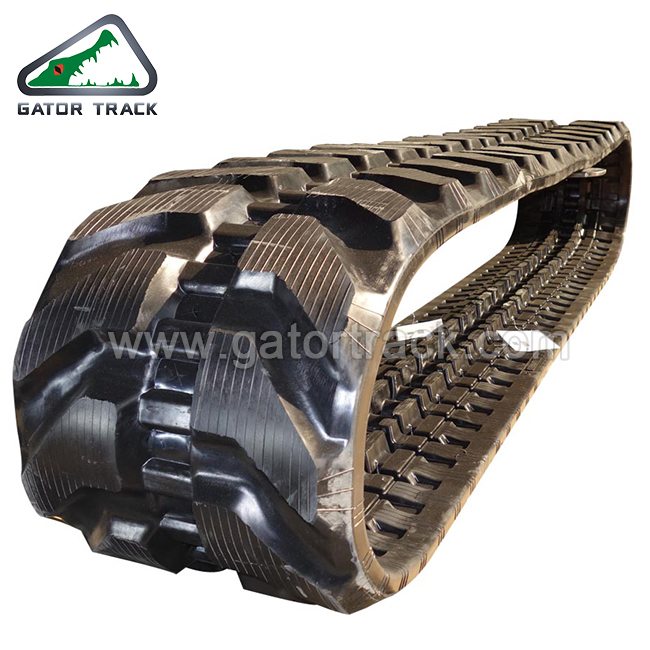
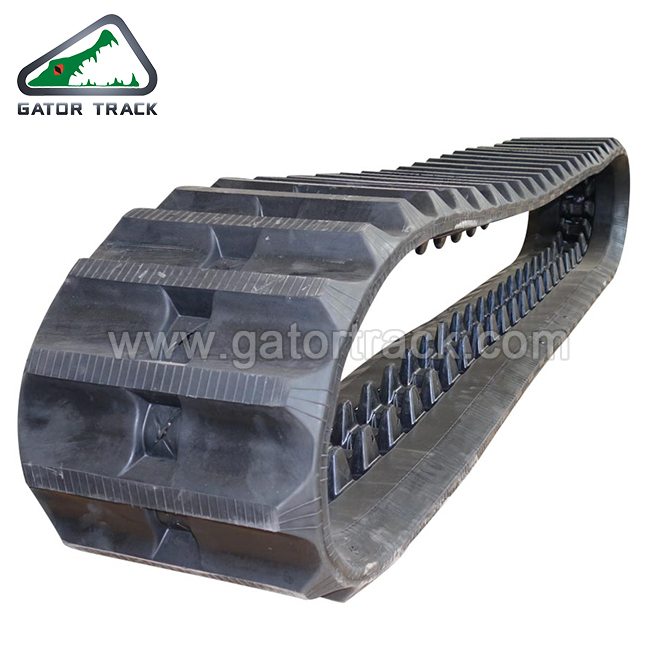
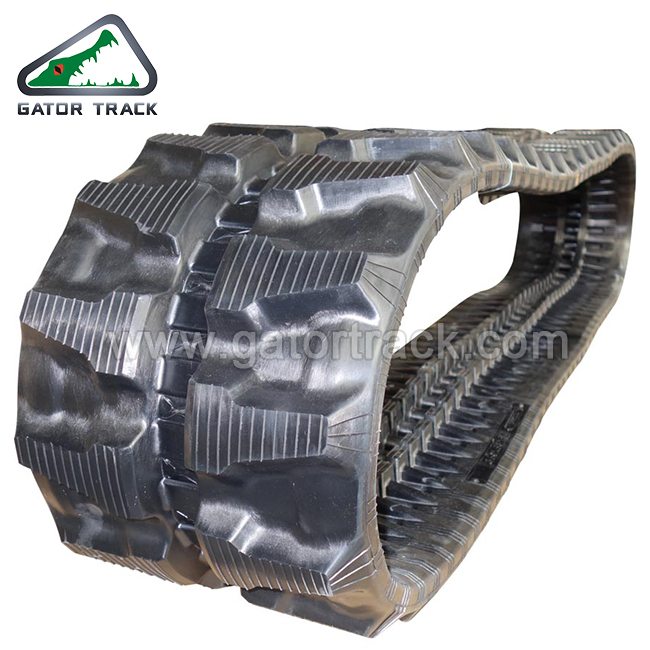
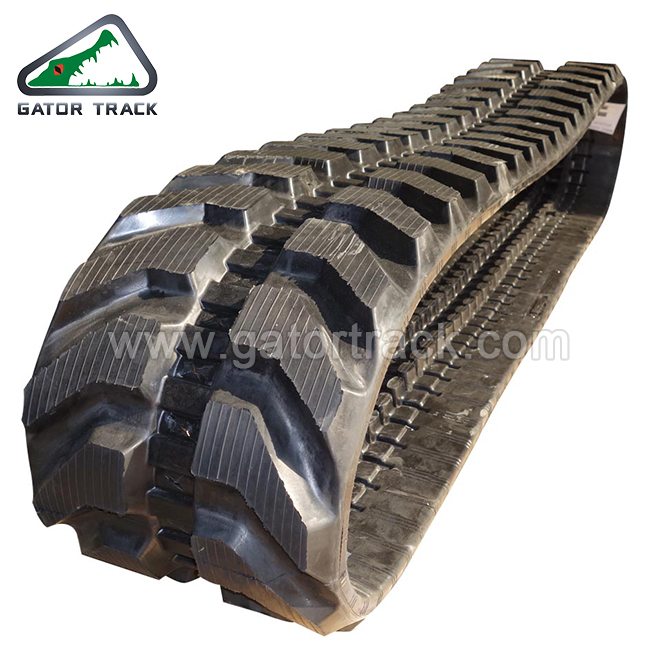
Rubber Tracks For Robots to Norwegians Manufacturer Market Leader
In today's rapidly evolving industrial landscape, the demand for reliable and efficient solutions is greater than ever. Rubber tracks have emerged as a crucial component in the design and functionality of robots, particularly in sectors where durability and traction are paramount. As manufacturers across the globe streamline their operations, the appeal of high-quality rubber tracks specifically tailored for robotic applications has made them indispensable. Companies looking to optimize their robotic systems can significantly benefit from sourcing innovative and robust rubber tracks designed to withstand challenging conditions. Norway's manufacturing sector is characterized by a commitment to quality, efficiency, and sustainability. As the market leader, companies that specialize in rubber track production understand the unique needs and challenges faced by manufacturers, especially in extreme environments. These tracks enhance mobility and ensure that robotic devices can operate seamlessly in diverse terrains while minimizing downtime. The integration of cutting-edge technology in rubber track design ensures maximum performance and longevity, meeting the expectations set by industry leaders. For global buyers, selecting the right supplier of rubber tracks is crucial. Factors such as material quality, manufacturing processes, and after-sales support play a significant role in long-term success. By partnering with industry leaders who prioritize innovation and customer satisfaction, businesses can enhance their robotic systems' reliability, driving efficiency and productivity in their operations. As the global market continues to grow, investing in high-performance rubber tracks is not just a choice but a strategic move towards future-proofing manufacturing capabilities.
Rubber Tracks For Robots to Norwegians Manufacturer Market Leader
| Dimension | Material | Weight (kg) | Load Capacity (kg) | Usage |
|---|---|---|---|---|
| 300x100x50 mm | Natural Rubber | 1.5 | 300 | Agricultural Robots |
| 400x150x60 mm | Synthetic Rubber | 2.0 | 500 | Construction Robots |
| 500x200x70 mm | Recycled Rubber | 2.5 | 700 | Mining Robots |
| 250x100x40 mm | Natural Rubber | 1.2 | 250 | Service Robots |
| 350x120x55 mm | Synthetic Rubber | 1.8 | 400 | Logistics Robots |
Related Products
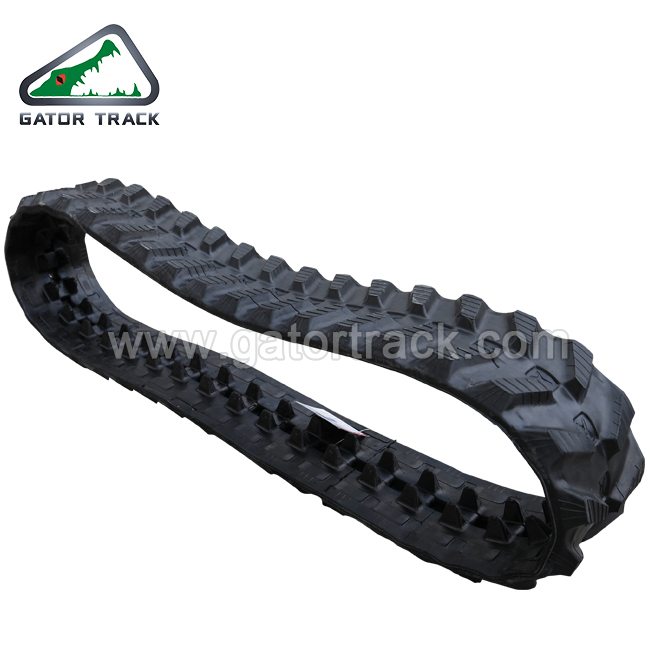
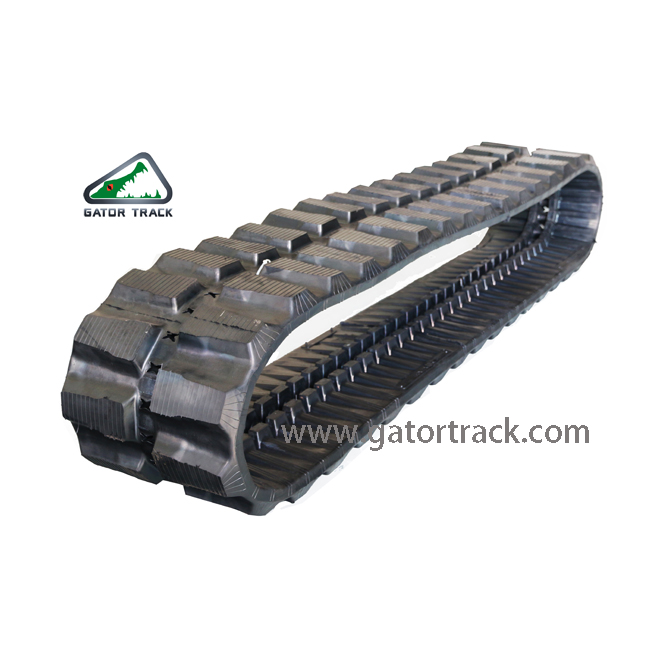
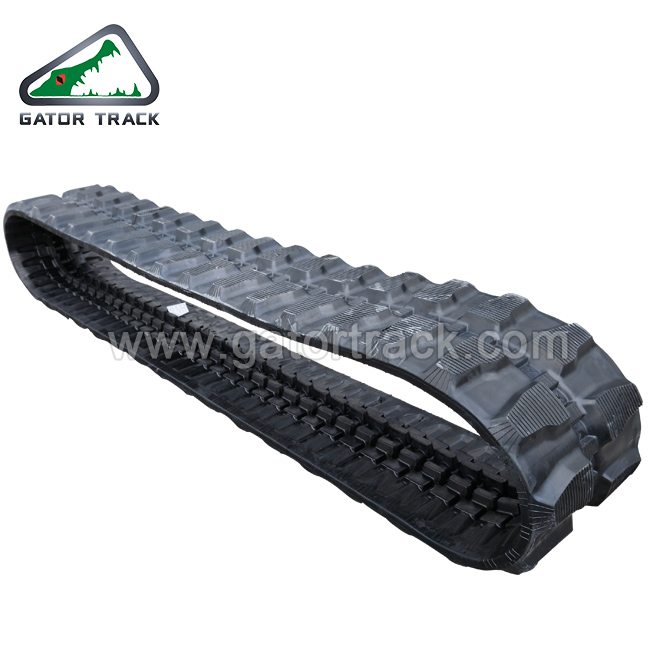

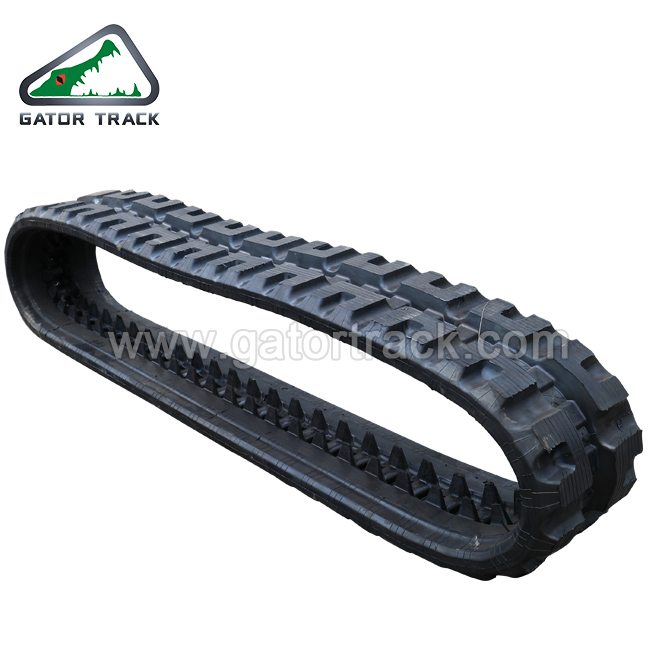
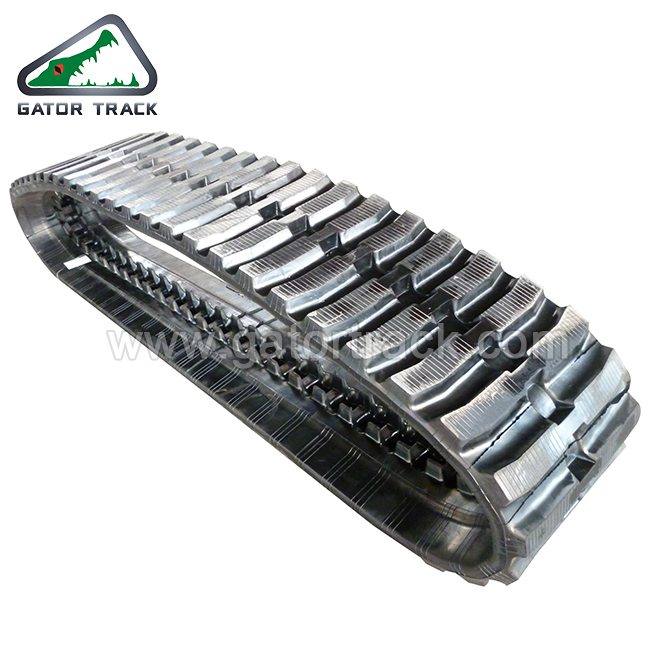
Rubber Tracks For Robots to Norwegians Industry Giant Exceeds Industry Benchmarks
Top Selling Products
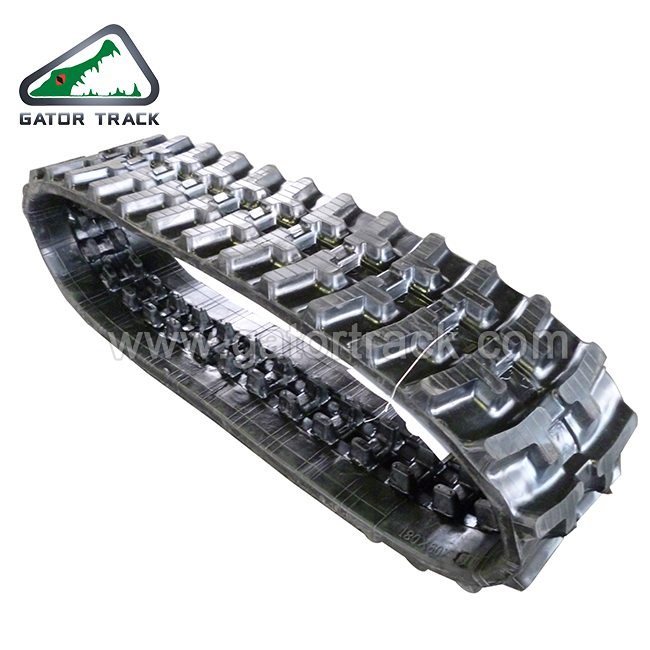
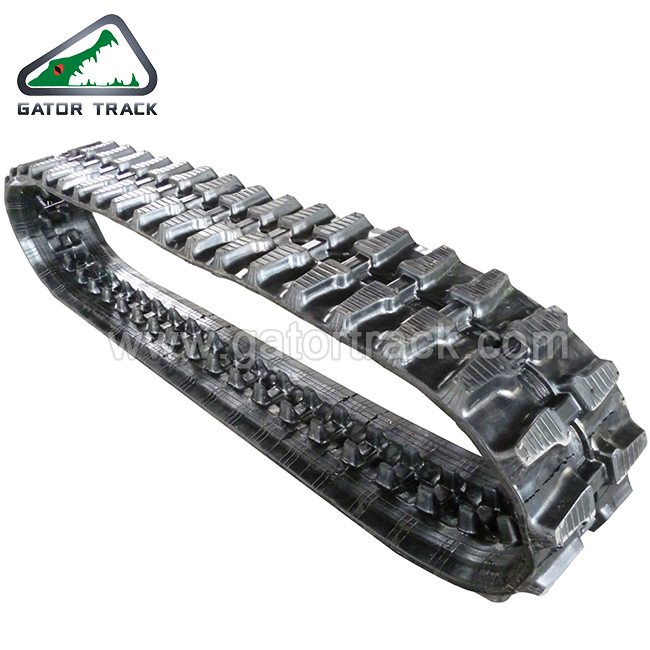



- Related Blog
- Reviews
