Skid Steer Steel Tracks vs Rubber Tracks: A China Manufacturer's Guide
When it comes to choosing the right tracks for your skid steer, I've found myself debating the durability and performance of steel tracks versus rubber tracks. Steel tracks might be your go-to if you need maximum traction and durability, especially in rugged terrains. However, if comfort and turf protection are your priorities, rubber tracks could be the way to go. As a China manufacturer specializing in skid steer tracks, we offer a variety of options tailored to your needs. Our steel tracks provide superior wear resistance, while our rubber tracks deliver enhanced maneuverability and reduced ground damage. Whether you’re in construction, landscaping, or agriculture, understanding the pros and cons of each can significantly influence your operational efficiency. If you’re looking for robust options that suit your specific application, let’s talk about how our products can meet your demands!
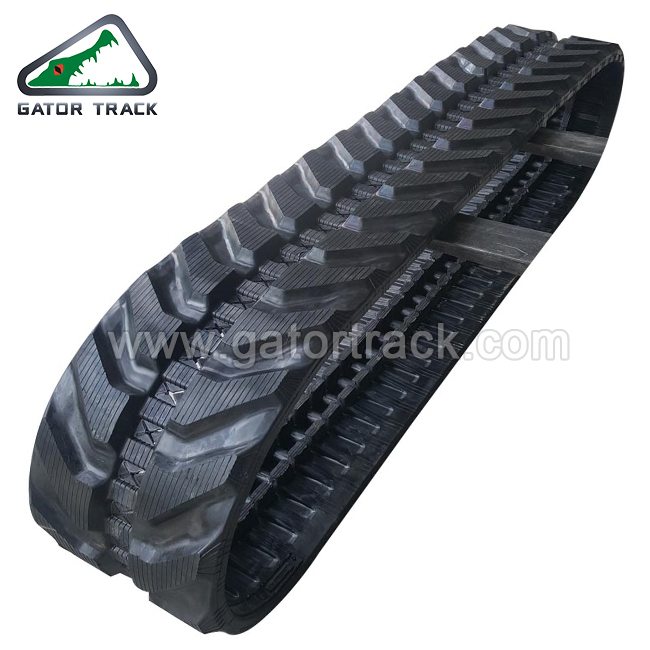
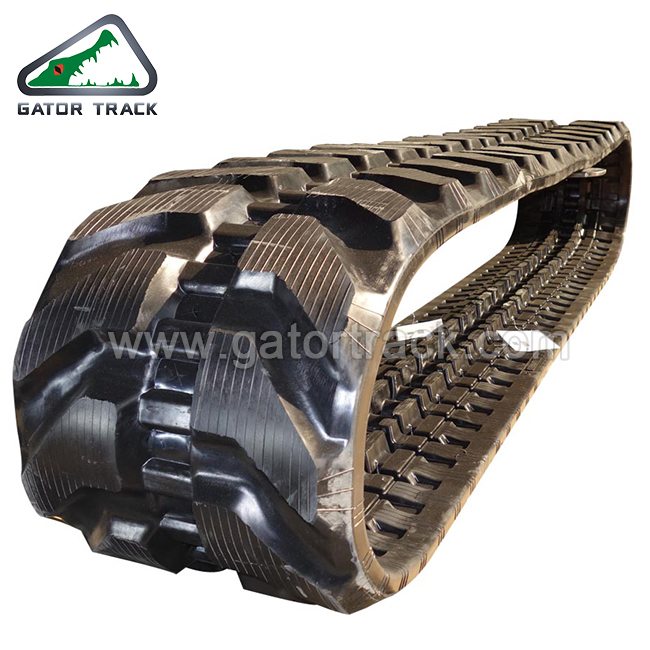
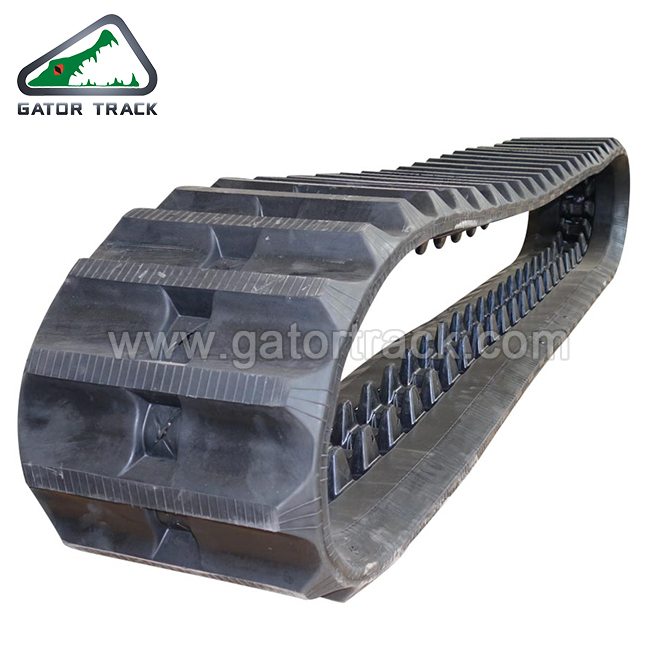
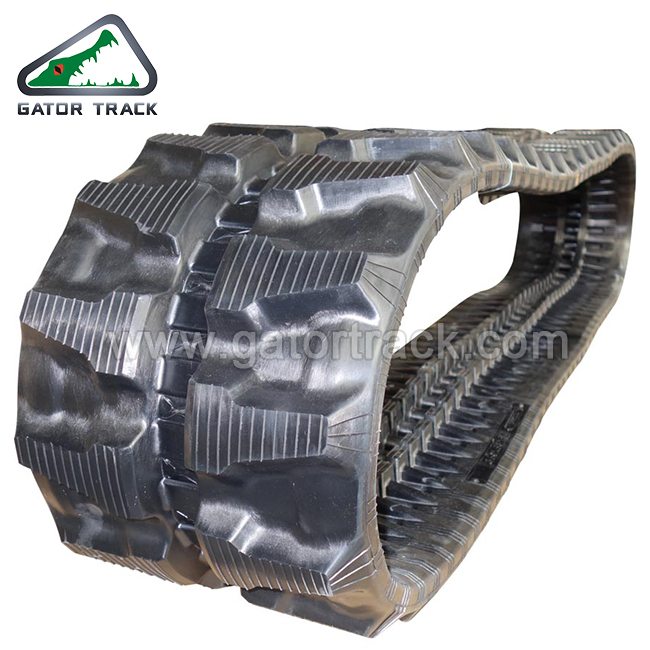
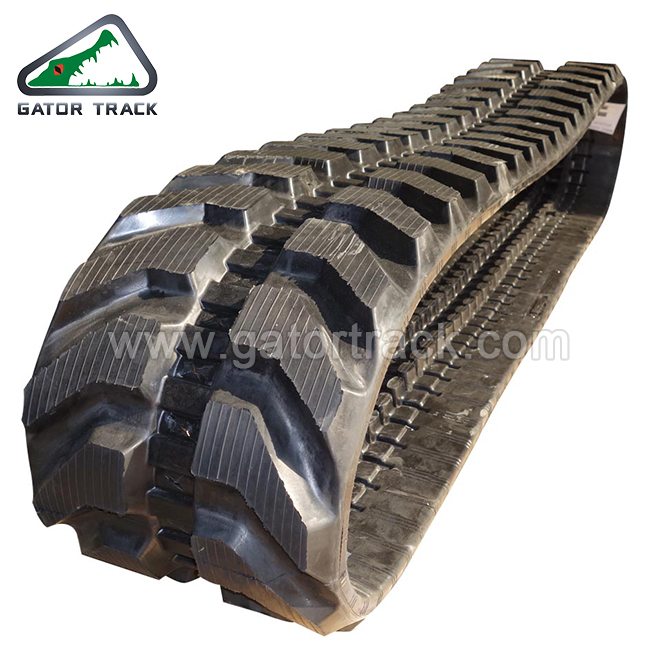
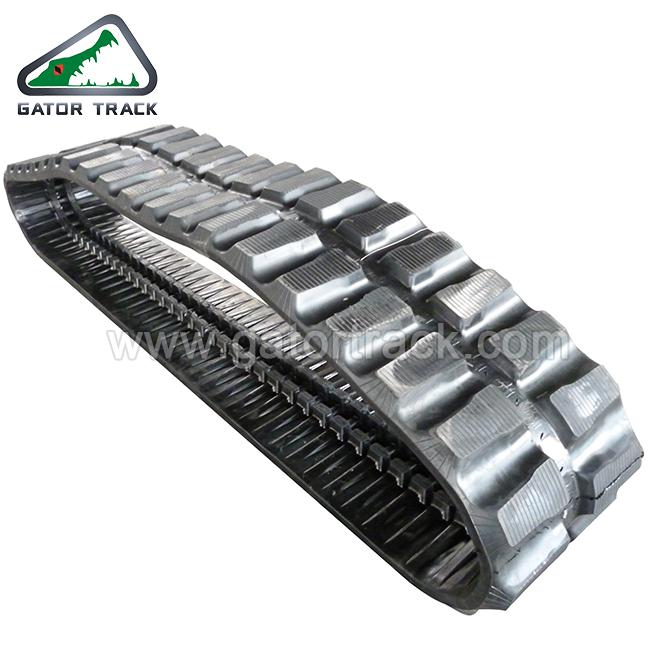
Skid Steer Steel Tracks Vs Rubber Tracks Delivers Unmatched Quality Supplies the World\u2019s Top Brands
When it comes to choosing between skid steer steel tracks and rubber tracks, understanding the benefits of each can significantly impact operational efficiency and durability in various working conditions. Steel tracks are renowned for their unmatched strength and resilience, making them ideal for heavy-duty projects involving rough terrain or abrasive materials. Their longevity and ability to withstand extreme conditions ensure that businesses can minimize downtime and reduce replacement costs. On the other hand, rubber tracks offer superior traction and a lighter footprint, which is advantageous in softer ground conditions. They provide an excellent balance between performance and comfort, reducing noise and vibration for operators while protecting the ground from excessive damage. Additionally, rubber tracks are often easier to install and maintain, appealing to businesses looking for hassle-free solutions without sacrificing quality. Both track types serve distinct operational needs, allowing global buyers to tailor their equipment based on project demands. By evaluating the specific requirements of different applications, businesses can make informed decisions that enhance their productivity and ensure they leverage the best technology the industry has to offer.
Skid Steer Steel Tracks Vs Rubber Tracks Delivers Unmatched Quality Supplies the World’s Top Brands
| Track Type | Material | Durability | Weight | Traction | Noise Level |
|---|---|---|---|---|---|
| Steel Tracks | Steel | High | Heavy | Excellent | Loud |
| Rubber Tracks | Rubber Compound | Moderate | Lightweight | Good | Quiet |
| Hybrid Tracks | Rubber/Steel | Very High | Medium | Superior | Moderate |
Related Products

Skid Steer Steel Tracks Vs Rubber Tracks Industry Leaders Ahead of the Curve
Top Selling Products

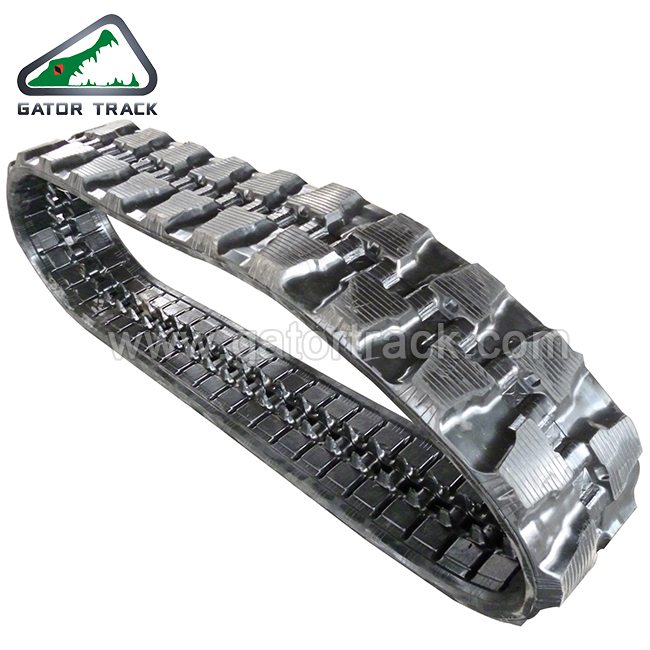
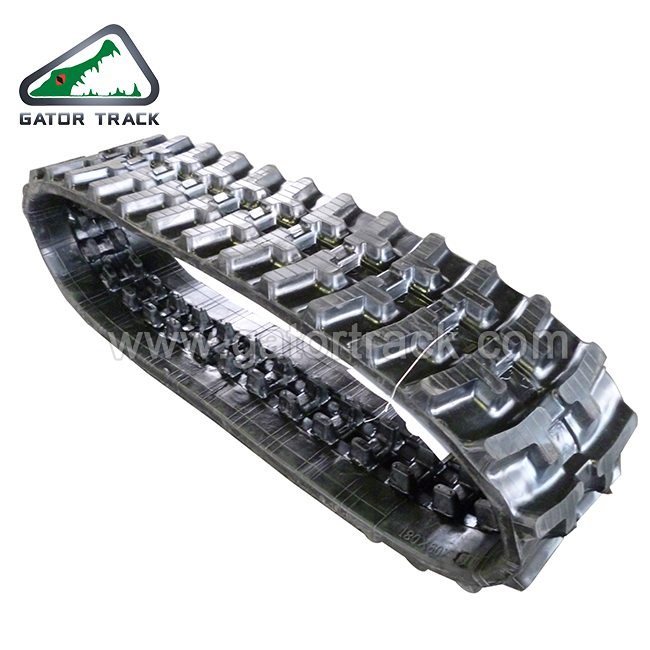
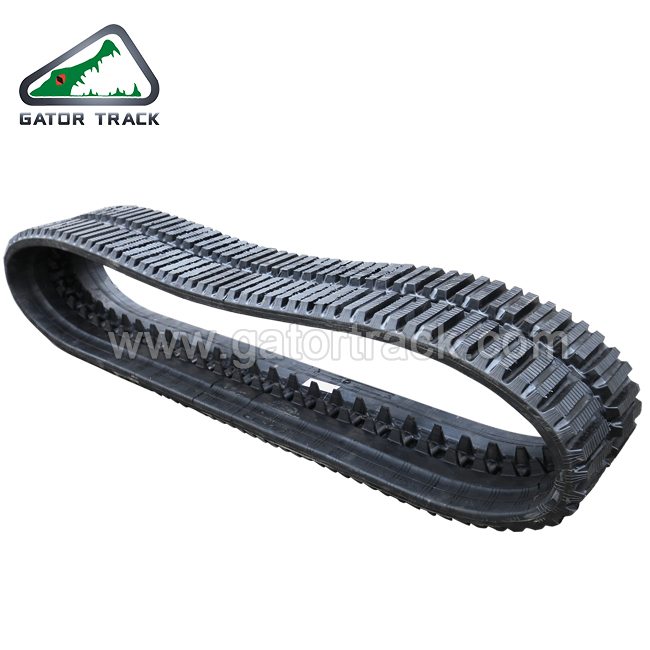
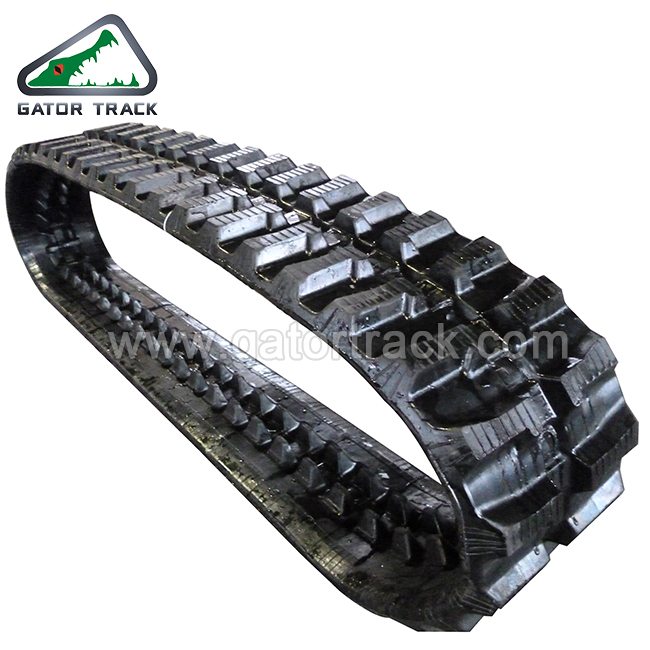
- Related Blog
- Reviews
