Robot Tracks vs Wheels: Choosing the Right China Manufacturer
When considering whether to choose robot tracks or wheels, I often find myself weighing the advantages of each option carefully. Tracks provide superior traction and stability on uneven terrain, making them ideal for outdoor applications or rough environments. Wheels, on the other hand, offer faster speeds and better maneuverability on smooth surfaces. I specialize in connecting B2B purchasers with top-notch manufacturers in China who produce high-quality robotic solutions tailored to your needs. Whether your project requires nimble wheels for agility or reliable tracks for rugged conditions, choosing the right option can significantly impact performance. By selecting the right mechanism, you not only enhance your robot's capabilities but also improve operational efficiency. Let’s dive deep into your specific application requirements together, as I’m here to help you make an informed decision that will propel your projects forward. Ensuring you have the right mobile platform is key to achieving your business goals.

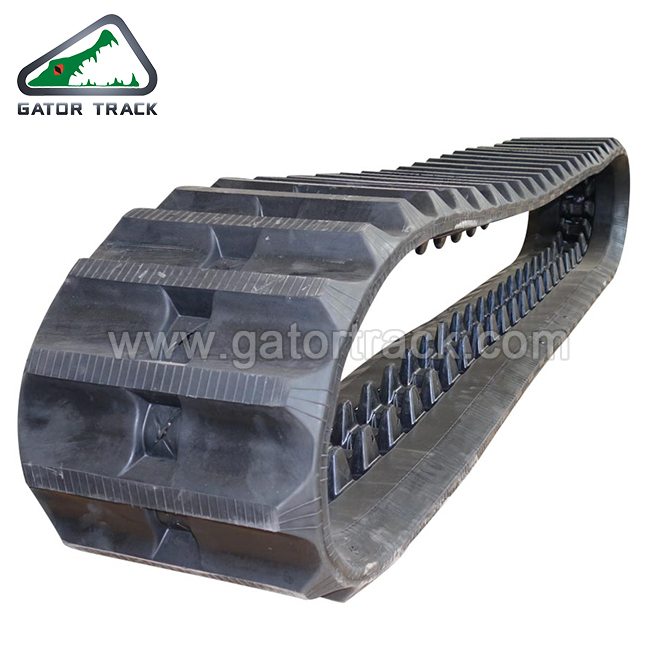
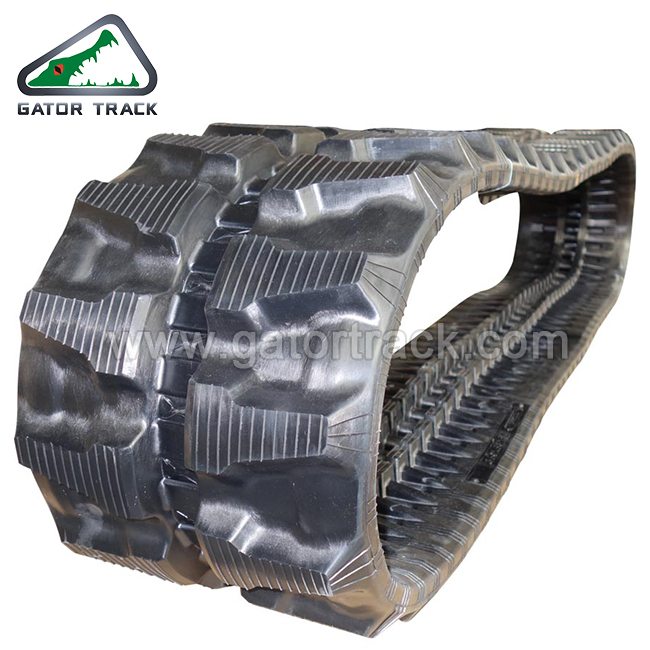
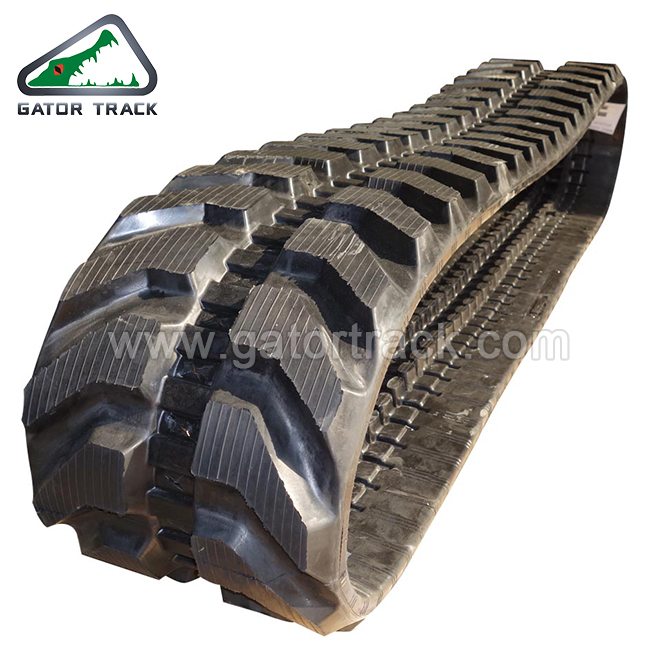
Robot Tracks Vs Wheels Industry Giant Delivers Unmatched Quality
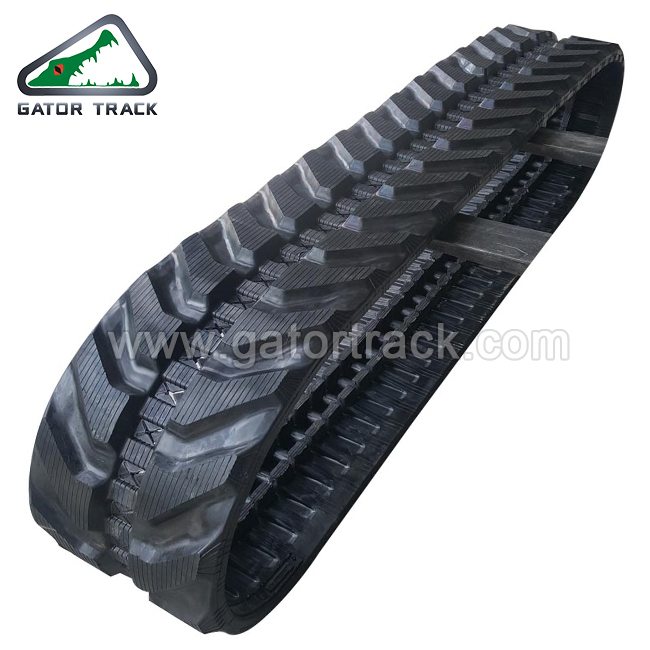
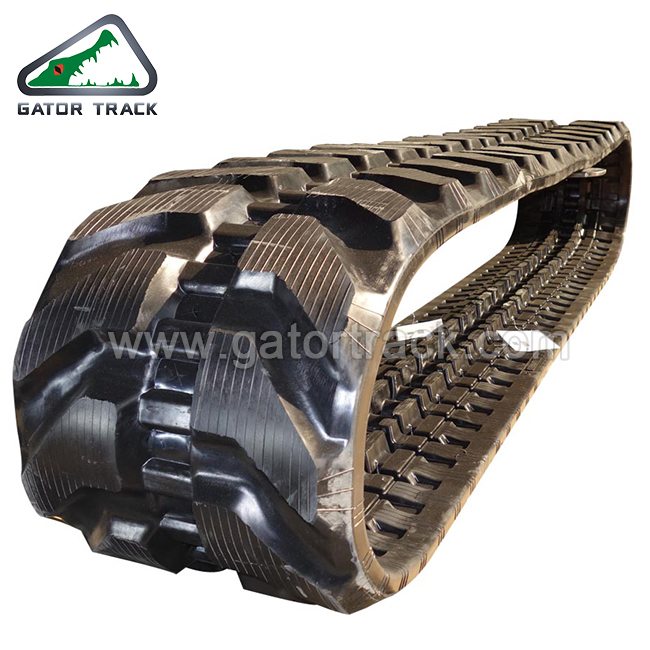
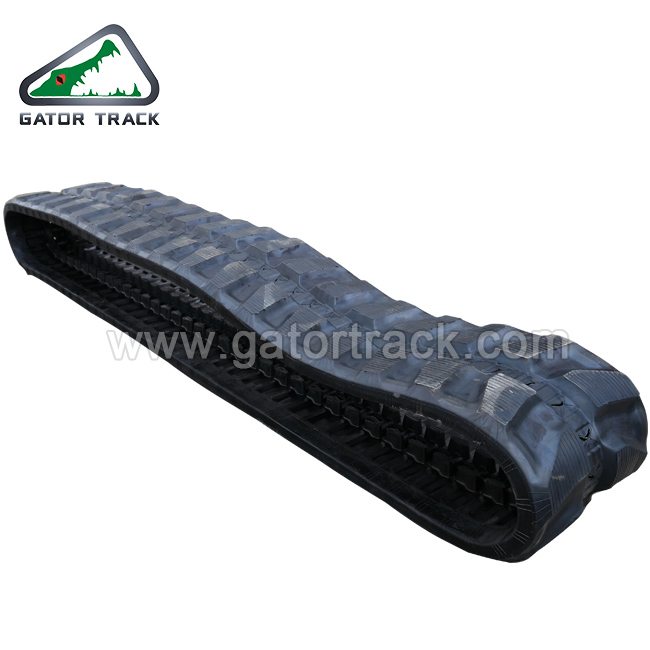
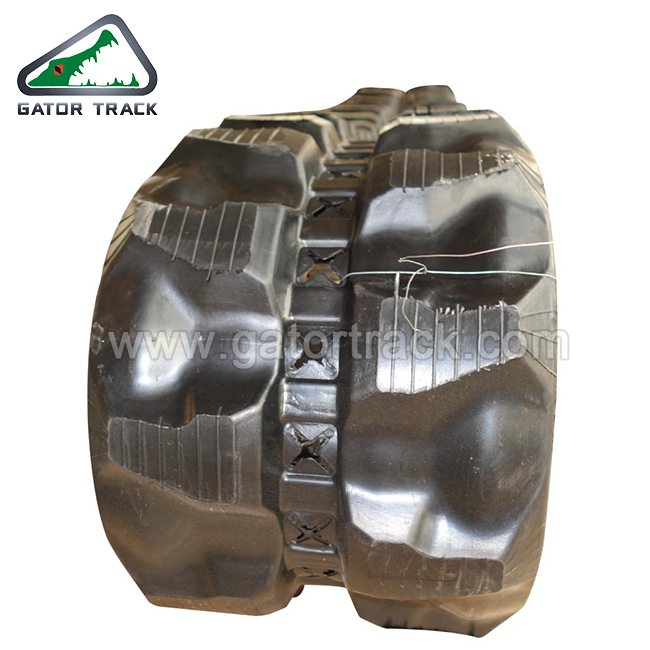
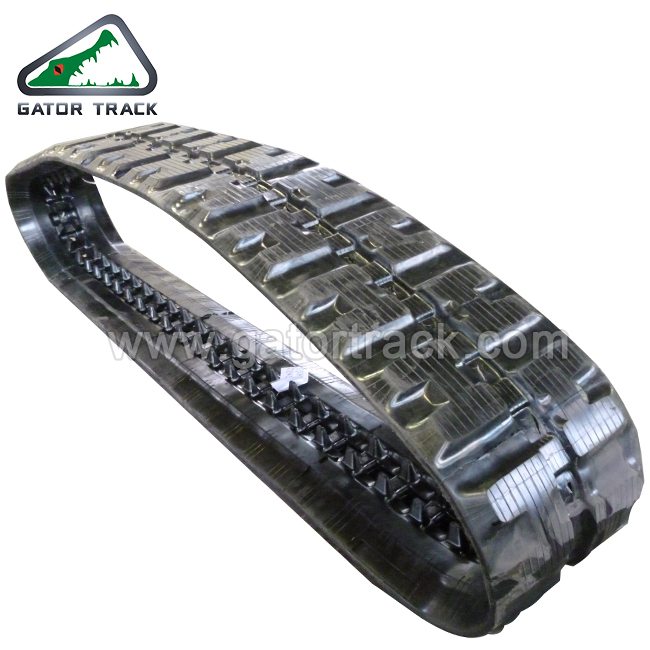
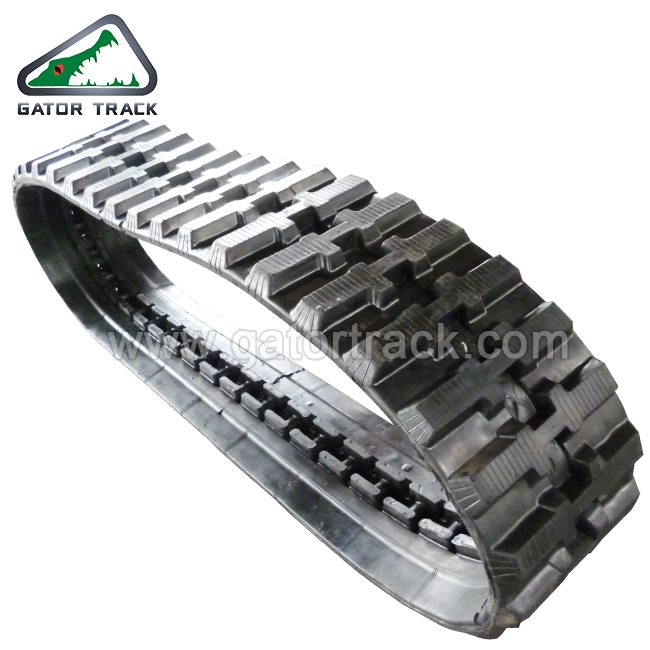
In the ever-evolving landscape of automation and material handling, the choice between robot tracks and wheels has become a significant consideration for industry giants. Both systems bring unique advantages that can greatly impact operational efficiency and product durability. While wheels offer superior speed and agility on flat surfaces, tracks provide unmatched stability and traction over uneven terrain, making them ideal for diverse applications in rugged environments. Companies must assess their specific needs to determine the optimal solution for their operations. Robot tracks excel in handling challenging surfaces, ensuring reliable navigation in warehouses or construction sites laden with obstacles. The ability to distribute weight evenly helps reduce wear and tear on both the equipment and the ground it operates on. Conversely, wheel-based systems can lead to faster movement in more controlled settings, promoting efficiency and time savings when speed is a priority. Ultimately, investing in high-quality robotic solutions tailored to a business's unique environment can lead to significant long-term gains. The advancements in technology are paving the way for innovative designs that combine the best features of both tracks and wheels, offering enhanced versatility and improved productivity. As businesses aim to streamline their operations and maximize their return on investment, understanding the differences between these technologies will be crucial in making informed purchasing decisions.
Robot Tracks Vs Wheels Industry Giant Delivers Unmatched Quality
| Type | Terrain Compatibility | Payload Capacity (kg) | Speed (km/h) | Maintenance Frequency (months) | Durability Rating (1-10) |
|---|---|---|---|---|---|
| Tracks | Rugged terrain, mud, snow | 150 | 5 | 6 | 9 |
| Wheels | Paved roads, smooth surfaces | 100 | 15 | 12 | 7 |
| Tracks | Rugged terrain, rocky surfaces | 200 | 3 | 8 | 10 |
| Wheels | Indoor, smooth concrete | 80 | 22 | 10 | 6 |
Related Products
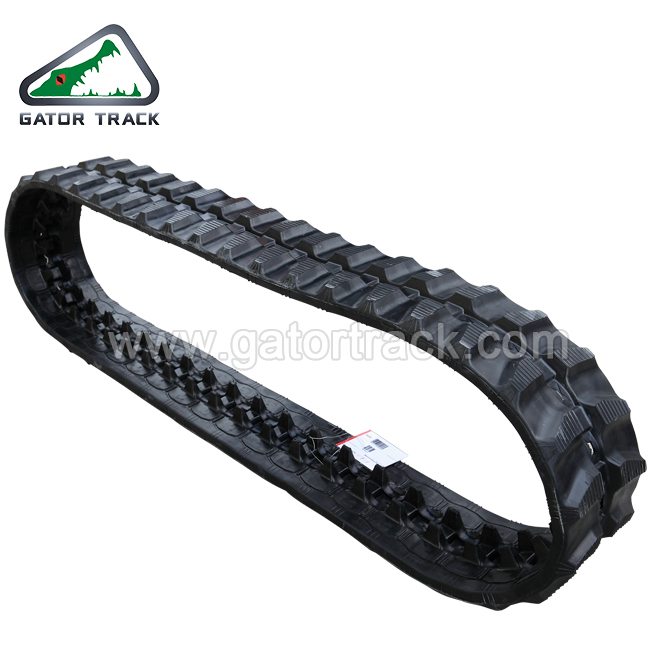

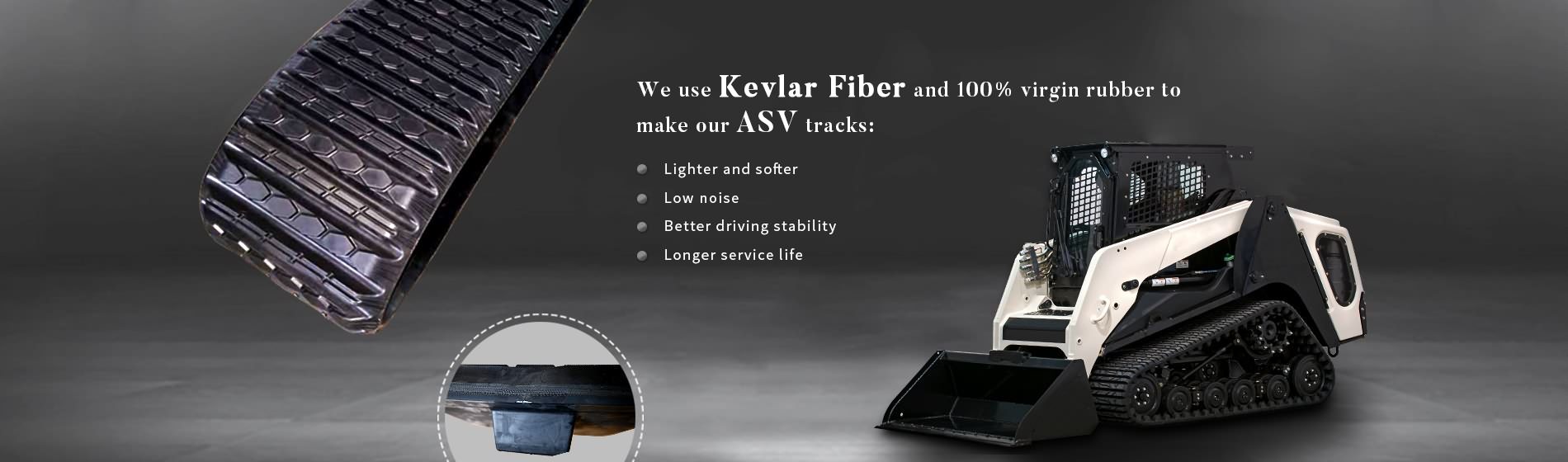
Robot Tracks Vs Wheels For the Current Year Supplies the World\u2019s Top Brands
Top Selling Products



- Related Blog
- Reviews
