
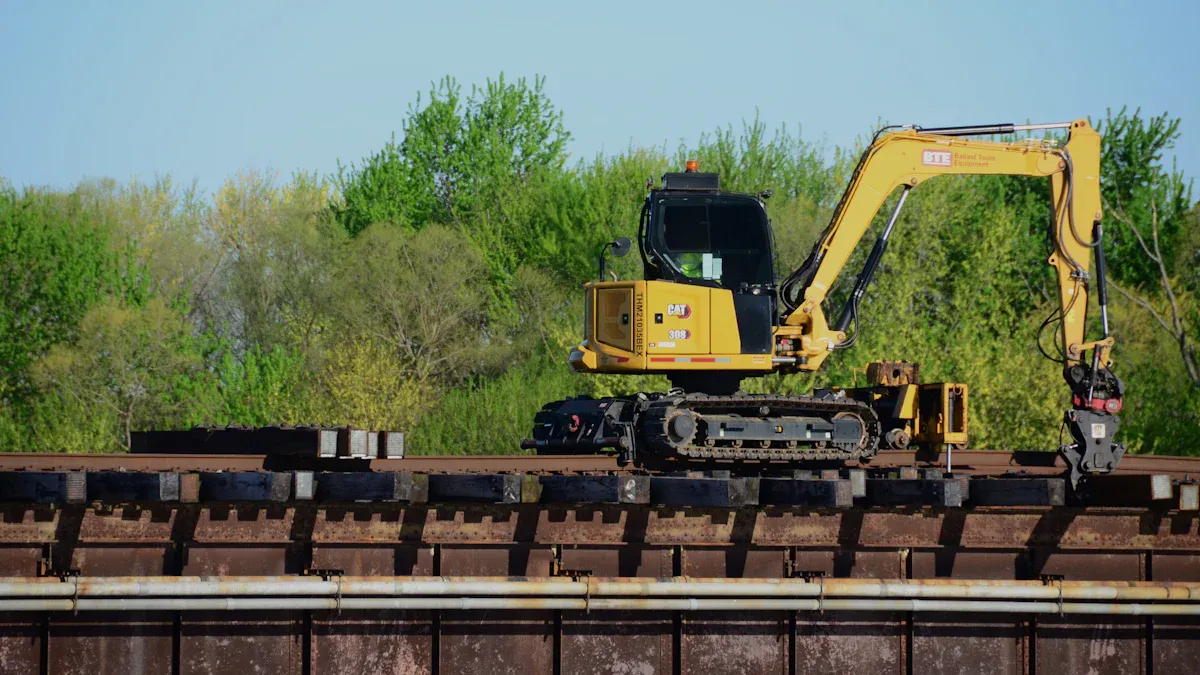
Every operator wants their rubber excavator tracks to last longer and work harder. Regular checks and a little care go a long way. Studies show:
- Following break-in guidelines can boost track life by up to 20%.
- Keeping track tension just right can stretch lifespan by up to 23%.
Key Takeaways
- Regularly check and adjust track tension to maximize lifespan. Proper tension can extend track life by up to 23%.
- Clean rubber tracks and the undercarriage daily to prevent dirt buildup. This simple step helps avoid costly repairs and keeps the machine running smoothly.
- Store tracks in a cool, dry place away from sunlight. Proper storage can significantly extend the life of rubber excavator tracks.
Maintain Proper Tension for Rubber Excavator Tracks
Importance of Correct Track Tension
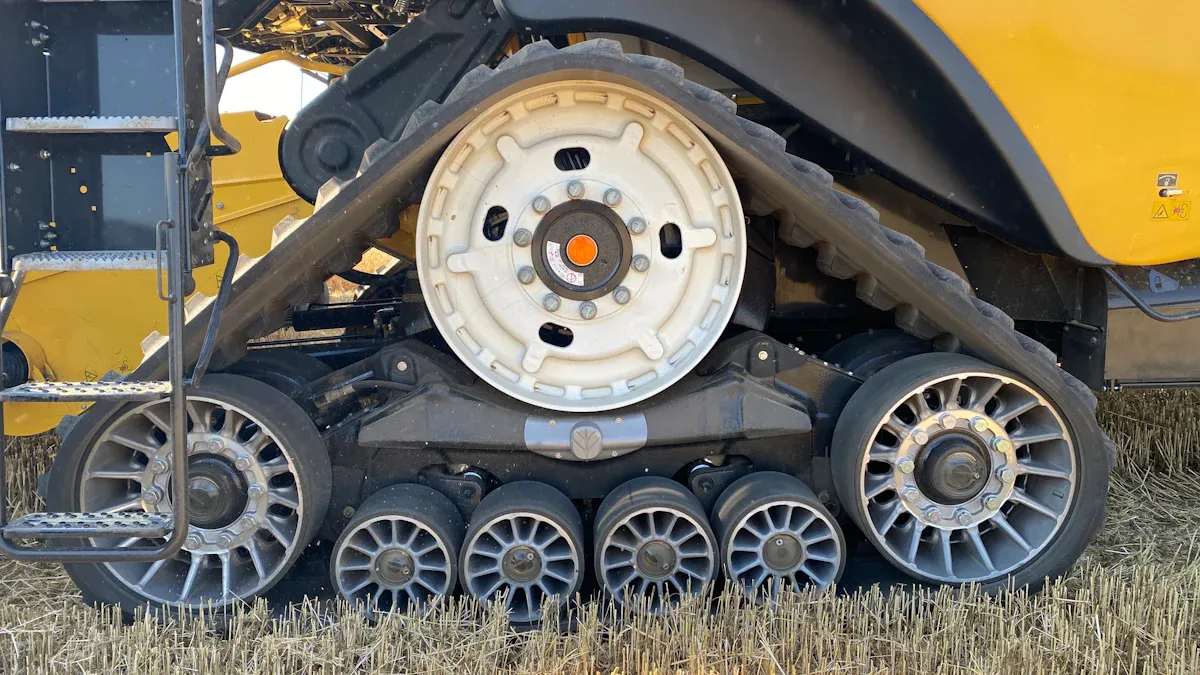
Track tension acts like the secret handshake between the excavator and the ground. If the handshake is too tight, the rubber excavator tracks feel the squeeze and wear out faster. If it’s too loose, the tracks flop around like a fish out of water. Operators often see uneven wear patterns and higher stress on the tracks when tension goes wrong. Studies show that slippage from improper tension can even bump up fuel consumption by 18%. That means more trips to the gas station and less time digging.
Tip: Proper tension keeps the tracks hugging the rollers just right, which helps maximize their lifespan and performance.
Common causes of incorrect tension include:
- Over-tensioning from inexperience
- Insufficient track spring tension
- Leaking track adjusters
- Worn undercarriage
- Incorrect track fitting
- Operator abuse
- Tough operating conditions
- Faulty tracks
Rubber excavator tracks love a balanced approach. Operators who check tension regularly see fewer breakdowns and smoother rides.
Steps to Check and Adjust Tension
Checking and adjusting tension is easier than finding a lost bolt in the toolbox. Here’s how operators keep their rubber excavator tracks in top shape:
- Park the machine on level ground and engage the parking brake.
- Use the blade or boom to lift the back end of the excavator.
- Lock the Pilot Shutoff Lever to prevent surprise movements.
- Remove any debris from the track and sprocket.
- Measure the sag between the center roller and the track. For small machines, 20-30mm sag works well. Larger machines need about 50mm.
- Find the grease fitting in the undercarriage. Add grease with a grease gun to tighten, or release grease with a wrench to loosen.
- Operate the machine briefly, then check the tension again.
Operators who follow these steps give their rubber excavator tracks the best chance to last longer and work harder.
Clean Rubber Excavator Tracks and Undercarriage Regularly
Risks of Dirt and Debris Buildup
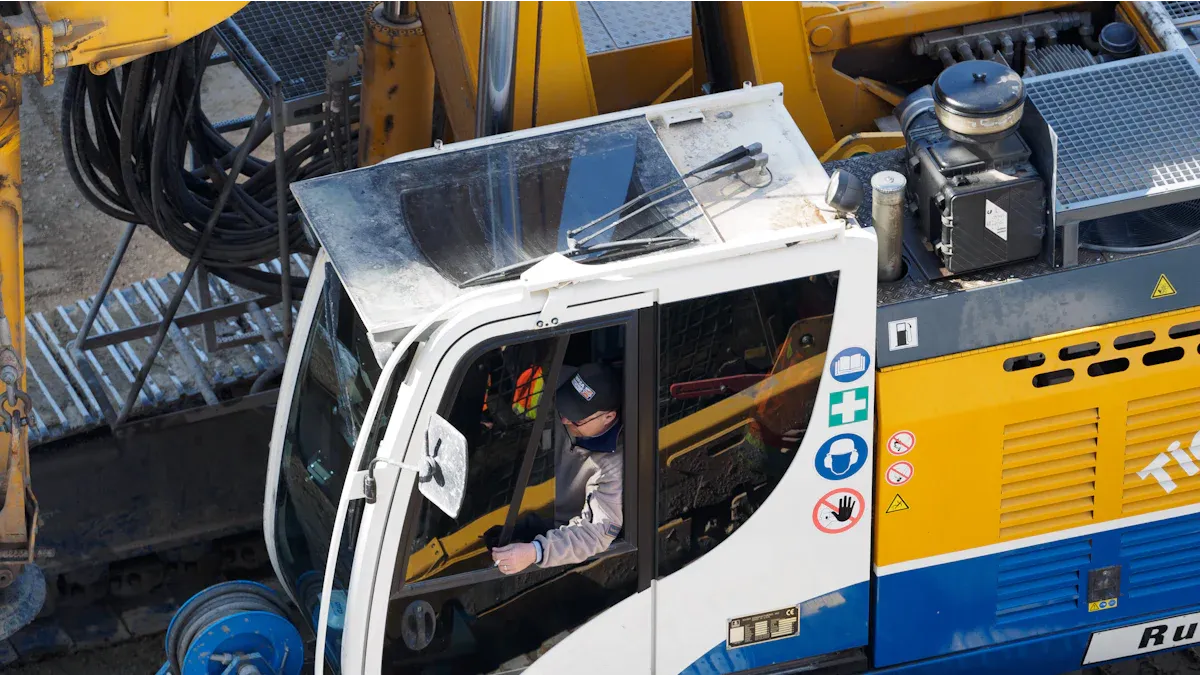
Mud, rocks, and sand love to hitch a ride on excavators. They sneak into every nook and cranny, especially around the undercarriage. When dirt and debris pile up, they put extra pressure on the tracks and undercarriage. This pressure can wear down rubber excavator tracks faster than a dog chews a new toy. Operators often spot cuts, cracks, and even chunks missing from the tracks after a long day in messy conditions. Gravel and mud can also block moving parts, making the machine work harder and increasing the risk of breakdowns.
Note: Daily inspections and cleaning help keep the undercarriage in top shape. Regular cleaning after each job stops dirt from causing trouble and keeps the machine running smoothly.
Effective Cleaning Methods
Operators have a few tricks up their sleeves for cleaning tracks. The most effective method starts with lifting the track using a Y-shaped chain assembly. This setup uses three hooks, one clevis, and two chains—one short, one long. The short chain, about twice the width of the pads, attaches to each side of a track pad. After finding the perfect lift spot, operators use a shovel to scoop out debris between the track and frame. They repeat this process from two spots on each side for a thorough clean.
For stubborn mud and smaller debris, a pressure washer works wonders. Operators blast away dirt after every job, making sure nothing sticks around to cause damage. Larger chunks may need a shovel, but a little elbow grease goes a long way. Regular cleaning keeps rubber excavator tracks ready for action and extends their lifespan.
Avoid Damaging Surfaces with Rubber Excavator Tracks
Identifying Harmful Ground Conditions
Every construction site tells a different story. Some sites look harmless, but others hide dangers for rubber excavator tracks. Operators often find the biggest troublemakers in places like:
- Construction and demolition sites, where sharp debris waits to pounce.
- Rocky terrains, where jagged stones threaten to slice and dice.
- Stump-covered ground, where hidden roots and wood chunks lurk beneath the surface.
These surfaces can chew up tracks faster than a hungry beaver. Operators who spot these hazards early can steer clear of costly repairs.
Strategies to Minimize Surface Damage
Smart operators use clever tricks to keep their tracks—and the ground—safe. They know that a few simple habits can make a big difference:
- Maintain proper track tension at all times. Loose or tight tracks wear out quickly.
- Avoid quick turns on bumpy and rocky conditions. Wide, gentle turns keep tracks in place.
- Replace parts right away if sprockets show odd or heavy wear.
- Plan ahead by checking ground conditions and limiting unnecessary travel.
- Work up and down slopes instead of across them. This move protects idlers and rollers.
- Alternate turning direction to prevent one-sided wear.
- Control track spinning. Less spinning means less wear and more work done.
- Limit high-speed and reverse travel. Slow and steady wins the race.
Operators who follow these steps help rubber excavator tracks last longer and keep job sites looking sharp.
Operate Rubber Excavator Tracks with Care
Making Wide and Gradual Turns
Operators who treat their machines like race cars often find themselves in trouble. Sharp, zero-radius turns put a ton of stress on rubber excavator tracks. The tracks twist and grind, wearing out much faster than they should. Wide, gradual turns keep things smooth. The machine glides like a dancer instead of stumbling like a bull in a china shop.
- Wide radius turns spread out the pressure and help tracks wear evenly.
- Three-point turns work wonders in tight spaces. They let the machine move without forcing the tracks to twist.
- Repositioning the excavator, even if it takes a few extra seconds, saves the tracks from unnecessary punishment.
- Operators who stay alert on rough or abrasive surfaces, like concrete, protect their tracks from cuts and scrapes.
Tip: Proper operator technique, such as avoiding sharp turns and keeping the undercarriage in good shape, leads to longer-lasting tracks and fewer headaches.
Reducing Time on Slopes and High Speeds
Excavators love flat ground. Slopes and high speeds? Not so much. When operators push machines up steep hills or race across job sites, rubber excavator tracks take a beating. Fast, sharp turns and aggressive driving wear down the tread pattern and stress the guide lugs.
- Climbing slopes straight up and down keeps the tracks, idlers, and rollers safe.
- Backing up at high speeds or making quick turns can cause the tracks to slip or even come off.
- Continuous driving at top speed heats up the rubber and shortens its life.
- Uneven terrain creates stress points that weaken the tracks over time.
Operators who slow down, take wide turns, and avoid unnecessary speed help their machines last longer. A little patience goes a long way in protecting both the tracks and the job site.
Store Rubber Excavator Tracks Properly
Shielding from Sunlight and Weather
Sunlight can turn tough rubber into brittle spaghetti. When rubber excavator tracks sit under the blazing sun, the UV rays sneak in and start trouble. Ozone cracking appears, and the rubber loses its bounce. Rain and snow also join the party, soaking the tracks and speeding up wear. Operators who want their tracks to last know how to keep them safe from the weather.
Tip: Always keep tracks out of direct sunlight. UV rays can cause cracks and make the rubber weak.
Here are some smart ways to shield tracks from the elements:
- Store tracks in a cool, dry place.
- Avoid direct sunlight to prevent cracking and fading.
- Cover tracks or park machines in the shade if indoor storage is not possible.
- Keep tracks away from rain and snow to stop water damage.
- Rotate tracks every so often to make sure they wear evenly.
Choosing the Best Storage Locations
Not all storage spots are created equal. Some places help tracks stay strong, while others speed up their downfall. Operators who pick the right spot give their rubber excavator tracks a fighting chance.
- Indoor storage works best. A garage or shed keeps out sun, rain, and snow.
- If outdoor storage is the only option, use a tarp or cover. Shade from trees or buildings helps too.
- Well-ventilated areas stop moisture from building up and causing mold.
- Never leave tracks on wet ground. Dry surfaces keep them in top shape.
- Use the tracks at least once a month. This keeps them flexible and ready for action.
Remember: The right storage spot can add months, even years, to the life of your tracks.
Inspect Rubber Excavator Tracks Frequently
Key Signs to Watch For
Every operator becomes a detective when inspecting rubber excavator tracks. They search for clues that reveal trouble before it strikes. The most critical signs jump out like red flags on a windy day:
- Worn sprockets that refuse to interlock smoothly
- Cracks snaking across the tracks after a rough job
- Tracks that keep losing tension and sagging like tired shoelaces
- Missing lugs, which can lead to bigger problems fast
- Dry-rotted tracks from too much sun or rain
- Tread worn down to a risky level
- Steel cording peeking through the rubber, signaling a track’s last stand
- Guide rails that look chewed up or ready to break
Operators who spot these signs early save themselves from costly repairs and unexpected downtime. A sharp eye and a quick check can keep the machine rolling and the job on track.
Setting Up a Routine Inspection Schedule
Routine inspections turn every operator into a track-saving superhero. Experts recommend daily inspections, especially in heavy-use environments. Operators check track tension every 50 to 100 hours, or after working in mud or rocky terrain. A full undercarriage inspection comes every 1,000 to 2,000 hours, keeping everything in top shape.
Tip: Daily inspections catch problems before they grow. Regular checks mean fewer surprises and longer-lasting tracks.
A simple inspection checklist helps operators stay organized:
- Walk around the machine before starting work.
- Look for cracks, missing lugs, and worn tread.
- Check tension and adjust if needed.
- Inspect sprockets and guide rails.
- Record findings in a logbook.
Operators who stick to this schedule keep rubber excavator tracks ready for action, day after day.
Adjust for Work Environment with Rubber Excavator Tracks
Adapting to Different Site Conditions
Every job site has its own personality. Some sites are muddy swamps, while others look like a rocky mountain pass. Operators need to play detective and adjust their approach to match the environment. Different conditions can change how rubber excavator tracks wear out. For example:
- Track tension that is too tight can cause up to 50% more wear. Loose tracks, on the other hand, might slip and flop around.
- Working on slopes shifts the machine’s weight. This puts extra pressure on certain parts, making the track links and sprocket teeth wear out faster.
- Crowns and dips in the ground move the load to the inner or outer edges of the tracks. This leads to uneven wear and a bumpy ride.
Muddy or rocky sites call for special tricks. Operators often loosen the track tension just a bit to help mud fall out. They clean the tracks more often to stop dirt from building up. Sudden turns in soft ground can make the machine sink, so smooth moves are the way to go.
Tip: A quick adjustment before each job can save hours of repair time later.
When to Take Extra Precautions
Some days, the job site feels like an obstacle course. Operators know when to slow down and take extra care. They watch out for situations that could lead to accidents or equipment trouble, such as:
- Operating in low visibility, like foggy mornings or dusty afternoons
- Pushing the machine harder than it was built to handle
- Ignoring safety rules or skipping daily checks
Smart operators always follow safety protocols. They keep their eyes open and never let the machine work beyond its limits. These habits keep both the equipment and the crew safe, while helping rubber excavator tracks last longer.
Product Advantages of Rubber Excavator Tracks
Benefits of Rubber Material and Design
Rubber tracks bring a whole toolbox of advantages to the job site. Operators notice the difference right away. The secret sits in the material and clever design. Rubber stretches and bounces back, soaking up bumps and jolts. Machines glide over rough ground like skaters on ice. The design spreads out the machine’s weight, so the ground feels less pressure. This keeps lawns, gardens, and city streets looking sharp.
Here’s a quick look at how rubber tracks stack up:
| Advantage | Description |
|---|---|
| Affordability | Lower initial cost keeps budgets happy. |
| Comfort | Less vibration means smoother rides for operators. |
| Surface Impact | Gentle on surfaces, perfect for sensitive spots. |
| Speed | Faster movement saves time on every job. |
| Maneuverability | Easy turning, even in tight spaces, with less risk of damage. |
Rubber excavator tracks make every project smoother, quieter, and more efficient.
How Rubber Tracks Protect Surfaces and Equipment
Rubber tracks act like soft shoes for heavy machines. They protect both the ground and the equipment. Operators see less damage on concrete, asphalt, and grass. The tracks spread out the weight, so machines don’t sink in mud or sand. This keeps the job moving, even when the ground gets tricky.
- Rubber pads grip the ground, giving better traction and control.
- Machines finish jobs faster because they move smoothly and don’t get stuck.
- The tracks cut down on noise, making work less stressful for everyone nearby.
- Delicate surfaces stay safe, with fewer scratches and dents.
- Even the excavator itself stays in better shape, thanks to less vibration and shock.
Note: Rubber tracks shine in places where ground protection matters most, like parks, city streets, and finished landscapes.
Consistent care keeps rubber excavator tracks rolling strong. Operators who check tension, clean daily, and avoid sharp turns enjoy big rewards:
- Tracks last longer and cost less to maintain.
- Machines run quieter and smoother.
- Fewer breakdowns mean more time on the job and less money spent.

Post time: Aug-28-2025