
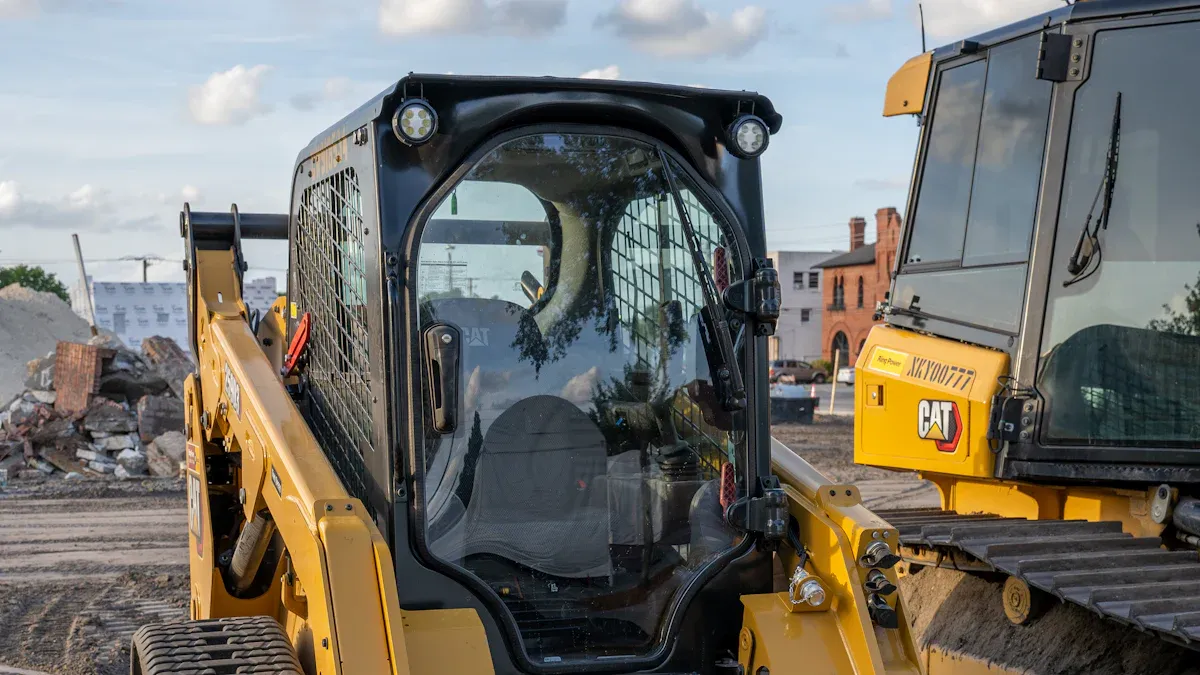
Choosing the right skid steer tracks significantly influences operational efficiency. Proper selection enhances stability and traction, especially on challenging terrains. Key factors include material quality, size, and tread patterns. Research indicates that tracked machines perform approximately 22% faster than wheeled equipment in wet conditions, showcasing the importance of track choice.
Key Takeaways
- Choosing the right skid steer tracks improves stability and traction, especially on challenging terrains.
- Material quality is crucial; synthetic rubber offers durability, while natural rubber is better for softer surfaces.
- Proper sizing of tracks enhances performance and extends their lifespan; measure width, pitch, and links accurately.
Material Quality
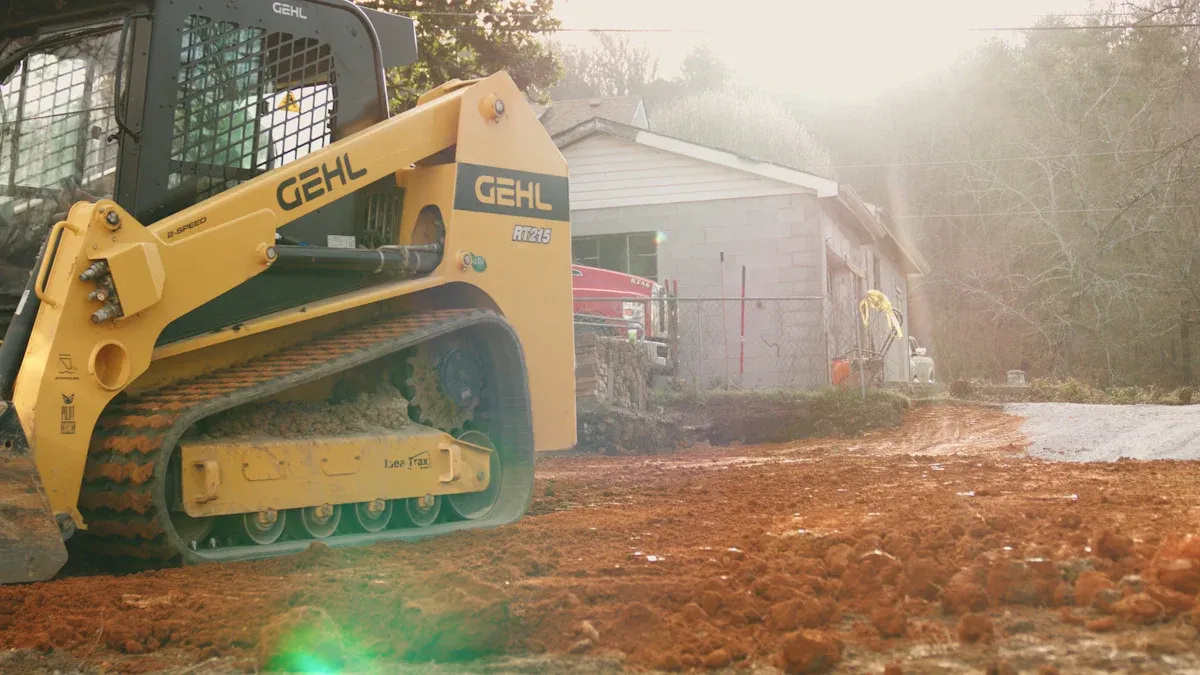
When selecting skid steer tracks, material quality plays a crucial role in performance and longevity. The right materials enhance durability and ensure that tracks withstand the rigors of various working environments. Here are some common materials used in skid steer tracks and their features:
| Material Type | Durability Features | Best Use Cases |
|---|---|---|
| Synthetic Rubber (EPDM, SBR) | Excellent wear, weathering, and temperature resistance. | Construction sites, heavy-duty use |
| Natural Rubber Blend | Good flexibility, strength, and resistance to cracking. | Softer terrains like dirt and grass |
| Reinforced Tracks | Enhanced durability through steel cords and additional layers. | Heavy-duty applications, forestry work |
The internal structure of rubber tracks includes cables, forgings, and the rubber compound. Each component is vital for durability. If the rubber compound fails to bond properly with the cables or forgings, it can lead to track failure. Proper design and manufacturing of these components can extend the lifespan of the tracks.
The bonding strength of the rubber compound to steel cables is essential for track integrity. Weak bonding can result in the ejection of forgings, rendering the track unusable. Therefore, manufacturers must prioritize quality in their materials and construction processes.
Environmental conditions also significantly affect the wear rate of different skid steer track materials. For instance, working on abrasive surfaces like rock and asphalt accelerates degradation compared to softer surfaces. Operating on rough and rocky terrain shortens the lifespan of skid steer tracks due to constant abrasion from sharp edges. In contrast, smoother surfaces allow for longer track life. Additionally, wet and muddy conditions can degrade track materials over time, as moisture can lead to increased wear and damage, especially when mud accumulates between components.
Size Considerations
Selecting the correct size for skid steer tracks is essential for optimal performance. The right size ensures proper engagement with the machine, which enhances stability and maneuverability. Here are some key factors to consider when determining the appropriate size:
- Track Width:
- Wider tracks improve stability and flotation on soft ground. This feature is particularly beneficial in sensitive environments like wetlands or lawns.
- Narrower tracks enhance maneuverability, allowing for tighter turns in confined spaces. This advantage is crucial in urban or restricted environments.
- Wider tracks provide excellent lateral stability, especially on slopes or when transporting heavy loads. Conversely, narrower tracks are lighter and can improve mobility.
- Track Length and Pitch:
- The length of the track affects the overall performance of the skid steer. Longer tracks can distribute weight more evenly, reducing ground pressure.
- The pitch, or the distance between the centers of two consecutive drive links, also plays a role in how well the tracks fit the machine.
- Standard Size Ranges:
- Skid steer tracks come in various sizes to accommodate different machines. Here’s a quick overview of standard sizes:
Track Size Description 6″ Compact tracks for mini-loaders 18″ Heavy-duty tracks for demanding applications - Common Sizing Mistakes:
- Selecting the wrong size can lead to improper engagement with the machine. This mistake results in excessive wear and potential safety hazards for the operator. Accurate measurements, including width, pitch, and the number of links, are essential for the proper functioning of the tracks.
- Measuring for Optimal Fit:
- To ensure the best fit, follow these steps:
- Check existing track sizes. Look for the size printed or molded on the side of your current tracks.
- Consult the operator’s manual for specific details about compatible track sizes.
- Measure manually if the size is worn off. Measure the width in millimeters, the pitch, and count the number of links.
- To ensure the best fit, follow these steps:
By considering these factors, operators can select the right skid steer tracks that meet their specific needs. Proper sizing not only enhances performance but also extends the lifespan of the tracks.
Tread Patterns
Tread patterns significantly impact the performance of skid steer tracks. They determine how well the machine grips the ground and how much disturbance it causes to the terrain. Different tread designs cater to specific job site conditions. Here are some common tread patterns and their intended uses:
| Tread Pattern | Intended Use |
|---|---|
| Smooth-Surface Tread | Ideal for harsh level surfaces like demolition sites, providing stability and puncture resistance. |
| Hard-Surface Tread | Designed for abrasive terrains like asphalt and gravel, offering maximum tire life and traction. |
| Soft-Surface Tread | Best for loose dirt and mud, featuring deep lugs for digging and self-cleaning capabilities. |
| Sensitive-Surface Tread | Suitable for delicate work on lawns and gardens, minimizing ground pressure with wide footprints. |
| All-Terrain Tread | Versatile for various jobs, effective on both hard and soft surfaces, capable on and off-road. |
The selection of tread patterns directly influences traction and ground disturbance. For example, a zigzag tread pattern excels in wet conditions, maintaining grip while minimizing sliding. In contrast, a straight bar tread works well in muddy areas, maximizing traction. Operators should assess soil conditions and the type of work required to choose the best tread pattern.
Different lug angles also play a role in performance. A 35° lug angle provides excellent uphill traction, while a 45° angle offers balance for various conditions. For downhill control, a 55° angle enhances lateral stability. Understanding these factors helps operators select the right skid steer tracks for their specific needs.
Signs of Wear
Operators should regularly inspect skid steer tracks for signs of wear. Identifying these signs early can prevent costly repairs and ensure safe operation. Here are some common indicators of wear:
- Dry-Rotted Tracks: Prolonged exposure to direct sunlight can lead to deterioration. This condition weakens the track material.
- Stress Marks and Cracks: Visible cracks indicate potential dry rot. Operators should address these issues immediately.
- Tension Issues: Tracks that have lost tension may jump off the undercarriage, posing safety risks.
Additionally, the following table outlines other significant signs of wear:
| Sign of Wear | Description |
|---|---|
| Broken or Missing Lugs | If lugs are broken or missing, the track may not engage properly. |
| Deformation and Stretching | Tracks can stretch over time, leading to fitting and alignment issues. |
| Exposed Cords or Steel Belts | Visible internal cords indicate compromised track integrity. |
| Loss of Traction | Reduced grip during operation suggests tread wear. |
| Unusual Noises | Noises like squeaking or grinding can indicate improper fitting or excessive wear. |
| Frequent Adjustments Needed | Regular need for tension adjustments may signal nearing end of track lifespan. |
| Excessive Vibration | Increased vibration can indicate uneven wear or damage. |
| Misalignment | Misaligned tracks can cause additional wear on undercarriage components. |
Daily inspections and visual checks for damage are crucial for maintaining track integrity. Proper maintenance and timely replacement of worn tracks enhance traction, stability, and ground protection. These factors are essential for safe operation in challenging terrains. Under normal conditions, skid steer tracks typically last between 1,200 to 2,000 operating hours, translating to approximately 2–3 years with average use. Regular monitoring can help operators avoid accidents and ensure optimal performance.
Maintenance Tips
Proper maintenance of skid steer tracks is essential for extending their lifespan and ensuring optimal performance. Operators should follow these key practices:
- Get the Tension Right: Ensure track tension is neither too loose nor too tight. Proper tension prevents instability and excessive wear.
- Keep It Clean: Regularly clean tracks and the undercarriage. This practice prevents mud and debris accumulation, which can cause damage.
- Gentle Turns for Longevity: Use 3-point turns instead of sharp turns. This technique reduces stress on tracks and sprockets.
Inspection Schedule
Operators should adhere to a regular inspection schedule to maintain track integrity:
- Daily Inspections: Check the overall track condition and cleanliness, focusing on debris removal.
- Weekly Inspections: Inspect specific components like rollers and idlers for smooth operation.
- Monthly Inspections: Make major tension adjustments and perform detailed checks.
Cleaning Methods
To prevent premature wear, operators should start each shift with a clean undercarriage. Accumulation of mud and debris can lead to faster wear rates. Here are effective cleaning methods:
- Lift the track using a Y-shaped chain assembly to access debris.
- Use a shovel to scoop out debris between the track and frame from multiple spots.
- Employ a pressure washer to blast away stubborn mud and dirt after each job.
Proper track tension is crucial for durability. If tracks are too loose, they may de-track, leading to instability. Conversely, overly tight tracks can accelerate wear on components. Regular inspection and adjustment of track tension, in accordance with manufacturer guidelines, are vital for ensuring optimal performance and extending the lifespan of the tracks.
By following these maintenance tips, operators can enhance the performance and longevity of their skid steer tracks, ensuring safe and efficient operation in various conditions.
Choosing the right skid steer tracks involves several key factors. Operators must consider track size, tread patterns, and material quality. They should also assess their specific work environments. Here are some common mistakes to avoid:
- Know your track size.
- Choose between wide and narrow tracks based on terrain.
- Select the right tread pattern for traction.
- Match tracks to the work environment.
- Maximize track lifespan through regular inspections.
Proper track selection enhances performance and extends the lifespan of the equipment. Investing in quality tracks leads to better durability and lower replacement costs.
FAQ
What are the benefits of using skid steer tracks?
Skid steer tracks provide better traction, stability, and flotation on soft or uneven surfaces compared to wheels.
How often should I inspect my skid steer tracks?
Operators should inspect tracks daily for wear and damage to ensure safe and efficient operation.
Can I use the same tracks for different terrains?
No, selecting tracks based on specific terrain types enhances performance and extends track lifespan.

Post time: Sep-17-2025