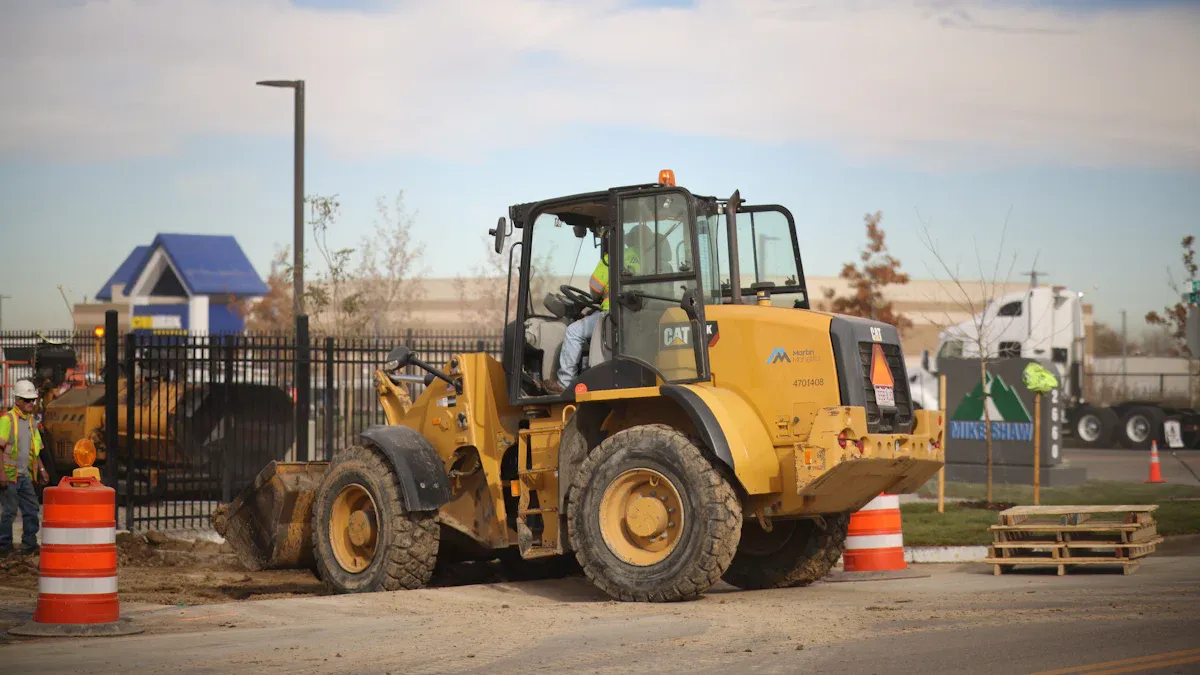
I know unexpected downtime and project delays can severely impact your operations. We must protect our equipment investment and always ensure crew safety on site. Recognizing critical warning signs for your ASV Rubber Tracks is essential for timely replacement. Ignoring these signs can lead to costly repairs and compromise your ASV tracks‘ performance.
Key Takeaways
- Check your ASV rubber tracks often for deep cracks, worn treads, or exposed steel. These are clear signs of damage.
- Damaged guide rails or tracks that constantly lose tension mean bigger problems. They can harm other parts of your machine.
- Replace damaged tracks quickly. This prevents bigger repairs, keeps your machine safe, and helps it work better.
Deep Cracks and Cuts in ASV Rubber Tracks
Identifying Severe Track Damage
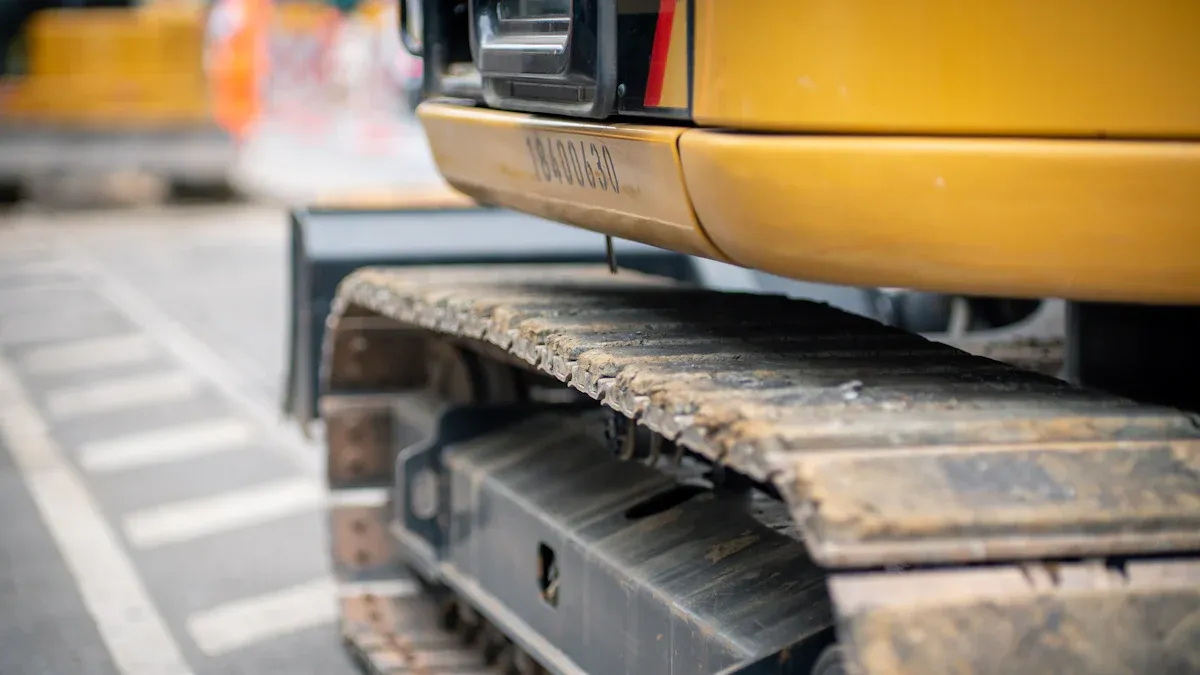
I always pay close attention to the condition of my ASV Rubber Tracks. I look for deep cracks and cuts. These are not just minor surface imperfections. They are significant breaks that extend into the track’s cord body. This type of damage often occurs when my equipment drives over sharp or abrasive materials. Sometimes, excessive pressure on the idlers and bearings can also cause these severe cuts. I know these deep cracks are a key indicator for track replacement.
Immediate Risks to Operation
Operating with tracks that have deep cracks presents immediate risks. A crack extending into the cord body can lead to sudden track failure. This means my machine could stop working unexpectedly. Such an event causes significant project delays. It also creates a serious safety hazard for my operators and other personnel on the job site. I prioritize safety, so I never ignore these warning signs.
When to Replace Due to Cracks
I make the decision to replace tracks when I identify deep cracks or cuts. These are not issues I can simply repair. Attempting to patch severe damage is often ineffective and unsafe. Replacing the track prevents unexpected downtime. It also ensures my equipment maintains optimal performance and safety standards. I always act quickly when I see these critical signs.
Excessive Tread Wear on ASV Rubber Tracks
Recognizing Worn Tread Patterns
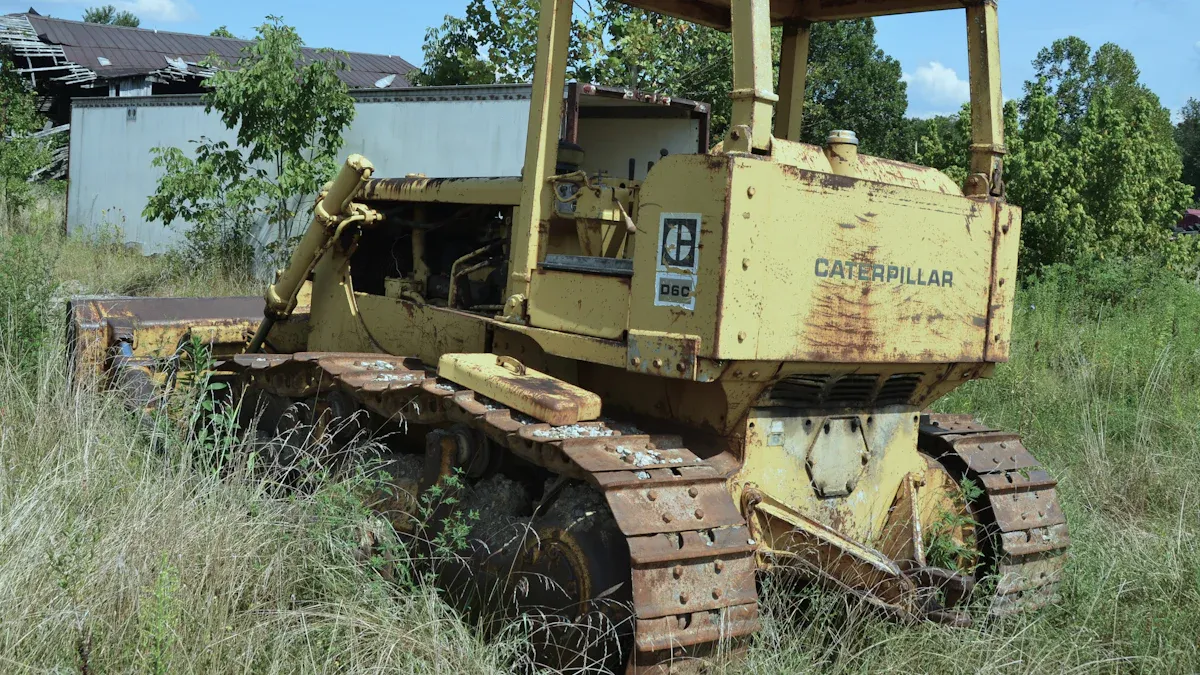
I always inspect my ASV Rubber Tracks for signs of excessive tread wear. This is more than just cosmetic damage. I look for several key indicators that tell me the tracks are nearing the end of their life. I often see:
- Cracks in the rubber
- Fraying edges
- Thinning rubber sections
- Uneven wear patterns across the tread
- Cuts and tears
- Missing chunks of rubber
- Tracks slipping over the sprocket wheels
- Metal links pushed out through the rubber
These visual cues signal that the tread is no longer performing as it should.
Impact on Traction and Stability
When the tread on my ASV Rubber Tracks wears down, it directly impacts my machine’s performance. I notice a significant reduction in traction. This makes it harder for the equipment to grip the ground, especially on slopes or in challenging terrain. The machine can also become less stable. This instability increases the risk of accidents and makes precise operation difficult. I know that good tread is crucial for safe and efficient work.
Measuring Unsafe Tread Depth
I regularly measure the tread depth to determine if replacement is necessary. I consider a tread depth less than one inch a critical warning sign. This measurement indicates the tracks are no longer safe for operation. When the tread depth falls below this threshold, I know I face reduced traction and stability. I prioritize replacing the tracks at this point to maintain safety and prevent further operational issues.
Exposed Steel Cords in ASV Rubber Tracks
The Danger of Visible Steel
I know exposed steel cords are a serious warning sign. When I see steel wires poking through the rubber, it tells me the track’s structural integrity is severely compromised. This is not just cosmetic damage. The steel cords are the backbone of the track. They provide strength and prevent stretching. Their exposure means the track is failing from the inside out.
Causes of Cord Exposure
I often find steel cords exposed due to extreme wear and tear. Driving over sharp rocks or debris can cut into the rubber. This exposes the internal steel. Sometimes, prolonged use in harsh conditions causes the rubber to degrade. This degradation can also reveal the cords. Poor track tension or misalignment can also contribute to this problem. It creates uneven stress points that wear down the rubber faster.
Why Immediate Replacement is Crucial
I always prioritize immediate replacement when I see exposed steel cords. Delaying replacement carries significant risks. When cuts expose steel cables, rust can form. This rust weakens the track. It increases the risk of complete failure. I know this directly leads to a reduction in traction. My machine’s operational efficiency becomes compromised. These issues contribute to higher safety risks. This includes instability and the potential for tipping. I cannot afford to risk my crew’s safety or my project timeline. Replacing the ASV Rubber Tracks promptly prevents these dangerous and costly outcomes.
Deterioration of ASV Rubber Tracks Guide Rails
Identifying Guide Rail Damage
I regularly inspect the guide rails on my ASV Rubber Tracks. These rails are crucial for keeping the track aligned on the undercarriage. I look for visible signs of wear, such as deep grooves, chips, or cracks along the inner edge. Sometimes, I notice sections of the guide rail are completely missing. This damage often results from operating on uneven terrain or encountering obstacles that scrape against the track’s inner surface. I also check for any signs of rubber delamination around the guide rail area. Recognizing these issues early helps me understand the track’s overall condition and potential for failure.
Strain on Equipment Components
Damaged guide rails put significant strain on other components of my equipment. When the guide rails are compromised, the track cannot maintain proper alignment. This causes increased friction and stress on the idlers, rollers, and sprockets. I often observe accelerated wear on these parts, leading to premature failure. The machine’s undercarriage experiences undue pressure and heat. This can lead to costly repairs for components that should last much longer. I know this issue creates a domino effect of damage throughout the system.
Preventing Further Machine Damage
I always address guide rail deterioration promptly. Ignoring this damage can lead to more severe and costly problems for my machine. Replacing ASV Rubber Tracks with compromised guide rails prevents excessive wear on the undercarriage components. It also maintains the machine’s stability and operational efficiency, ensuring precise movement. I ensure timely replacement to avoid a cascade of failures, such as bearing damage or even track de-tracking. This proactive approach saves me significant repair costs and keeps my equipment running smoothly and safely on the job site.
Constant Loss of Tension or Slipping ASV Tracks
Recognizing Track Slack and Slippage
I often notice when my ASV Rubber Tracks are losing tension or slipping. This is a critical sign of underlying issues. I look for tracks that appear visibly loose or sag excessively. Sometimes, I observe the tracks slipping over the sprocket wheels, which indicates a significant problem. This constant loss of tension means the tracks stretch over time, making them prone to de-tracking. I also pay attention if the machine feels less responsive or struggles to maintain grip, especially on inclines.
Causes of Tension Issues
Several factors contribute to tension problems. I know insufficient track spring tension is a common cause, especially if I converted a machine from steel to rubber tracks without adjusting the spring. I test this by lifting the machine and observing idler retraction; more than 5mm retraction under a person’s weight indicates a problem. Leaking track adjusters, with bypassing seals, also cause the track to slowly loosen. I monitor tension after tightening to identify this issue. Operating in muddy conditions can lead to mud buildup, impeding the tensioning mechanism. Frequent sharp turns or prolonged uneven loading can stretch the track chain. The aging of the tensioning device, with degrading seals, can cause lubricant leaks and track slack. New track chains also undergo initial stretching during their break-in period, requiring prompt tension adjustment.
When Adjustment is Not Enough
I understand that sometimes, simply adjusting the tension is not enough. If I constantly find myself re-tensioning the ASV Rubber Tracks, it signals a deeper problem. This could mean the track itself is severely stretched or the internal belts are compromised. Over-tensioning, often due to inexperience, can compress the safety spring to its limit. If debris then gets pulled through, the belts within the track will stretch or break, leading to premature wear on undercarriage components. When I face persistent tension loss despite proper adjustments, I know it is time for a full track replacement to prevent further damage and ensure operational safety.
I always emphasize recognizing deep cracks, excessive tread wear, exposed steel cords, guide rail deterioration, and constant tension loss in your ASV Rubber Tracks. Proactive replacement offers significant cost savings through extended lifespan, reduced maintenance, and improved fuel efficiency. I urge you to conduct regular inspections and consult experts to ensure safety and operational efficiency.
FAQ
How often should I inspect my ASV rubber tracks?
I recommend daily visual inspections. I also perform a more thorough check weekly. This helps me catch issues early.
Is it better to repair or replace a damaged ASV track?
I always prioritize replacement for severe damage. Repairs are often temporary. They can compromise safety and lead to more costly failures.
Does terrain affect the lifespan of my ASV tracks?
Yes, I find aggressive terrain significantly reduces track life. Sharp rocks and abrasive surfaces cause faster wear. I adjust my maintenance schedule accordingly.

Post time: Dec-03-2025