Introduction
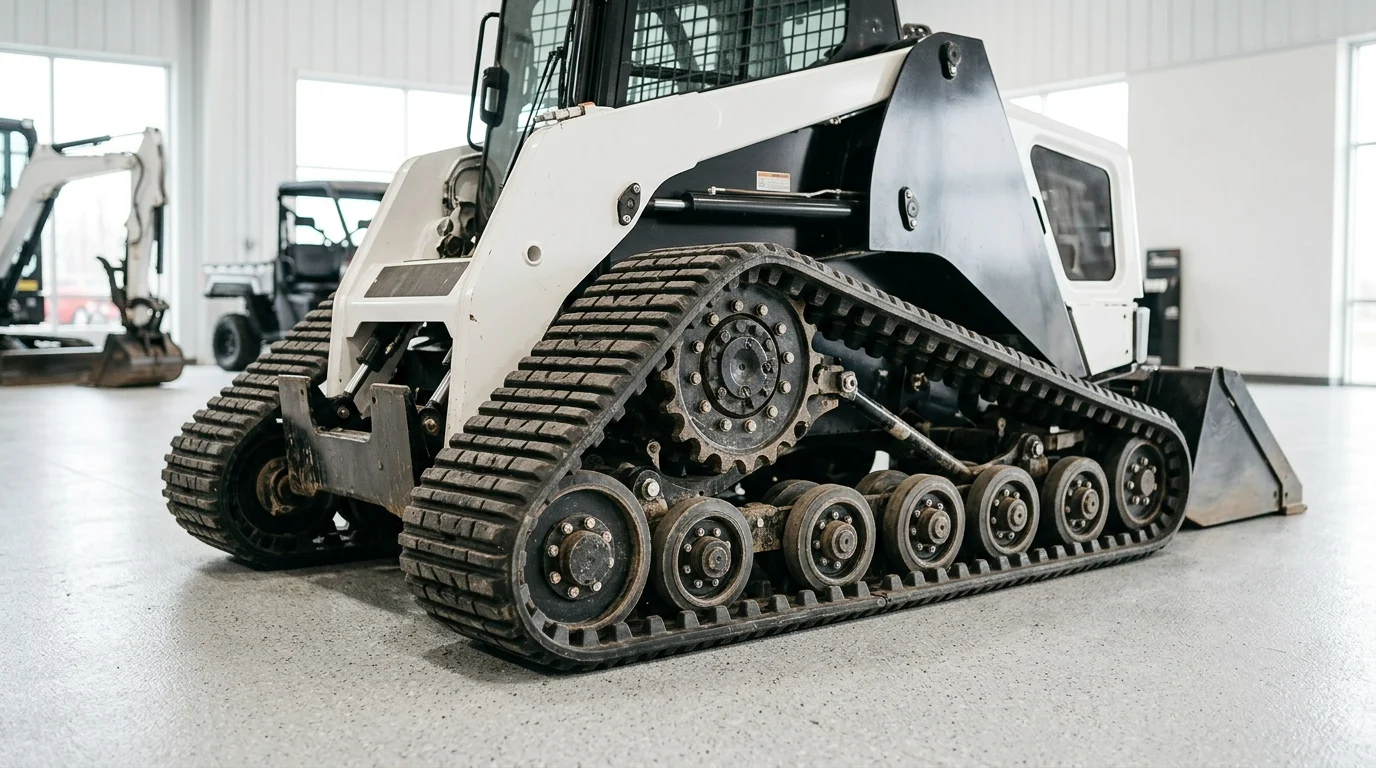
Soft, wet, or finished surfaces expose the difference between ordinary compact track loaders and machines engineered specifically for flotation. ASV tracks are closely associated with low ground pressure because their patented Posi-Track undercarriage uses a dedicated design rather than a generic track conversion. This article explains how that system spreads machine weight, improves traction, and reduces ground disturbance in conditions where rutting, sinking, and turf damage can stop a job. You’ll also see why the technology is tied to ASV equipment, how it compares with typical CTL undercarriages, and what operators should consider when selecting tracks for mud, sand, landscaping, and other sensitive jobsite environments.
Why ASV Tracks Set the Benchmark for Low Ground Pressure
Compact track loaders (CTLs) are often evaluated on their ability to navigate challenging terrains without causing significant surface damage. During wet seasons, completing a project on time frequently comes down to undercarriage design. While several manufacturers offer low-ground-pressure solutions, ASV’s patented Posi-Track technology stands out. It is crucial to understand early on that Posi-Track is an OEM-specific undercarriage system exclusive to ASV machines, not a universal aftermarket upgrade for other CTL brands. The core advantage of this proprietary system lies in its unique geometry, which maximizes flotation and minimizes turf disturbance, allowing operators to tackle jobs that might leave other heavy equipment stranded.
What Low Ground Pressure Means
Low ground pressure (LGP) is the crucial metric determining whether a heavy machine will glide over soft mud or sink into it. Ground pressure is calculated by dividing the machine’s operating weight by the total contact area of its tracks. For standard construction equipment, this figure typically ranges from 5.0 to 8.0 psi, but purpose-built track systems push this number significantly lower—often between 2.8 and 4.5 psi. For context, a standard human footprint exerts roughly 8.0 psi. This allows operators to work on fragile landscapes, golf courses, and wet agricultural fields without creating deep ruts. Machines designed for LGP are highly capable in soft conditions, protecting delicate root systems and underground utilities. Consequently, reduced ground pressure directly correlates to lower site remediation costs once the heavy lifting is done.
ASV Design Features That Increase Contact Area
The engineering behind ASV’s Posi-Track system involves an open-rail design and flexible rubber construction without the rigid steel cores found in conventional tracks. This allows the ASV track to flex and conform to the ground, significantly increasing the actual contact patch. By distributing a machine’s weight over a larger footprint, ASV configurations achieve industry-leading, exceptionally low ground pressure depending on the exact model and track width (typically ranging from 15 to 20 inches).
Additionally, the use of multiple roller wheels ensures weight is evenly spread. Depending on the machine size, ASV undercarriages utilize up to 48 contact points on the ground, vastly outnumbering the standard 8 to 12 roller count found on traditional machines. This dense network of rollers eliminates the pressure spikes that typically cause surface tearing, ensuring the equipment maintains excellent traction with minimal impact.
How ASV Tracks Compare With Conventional CTL Tracks
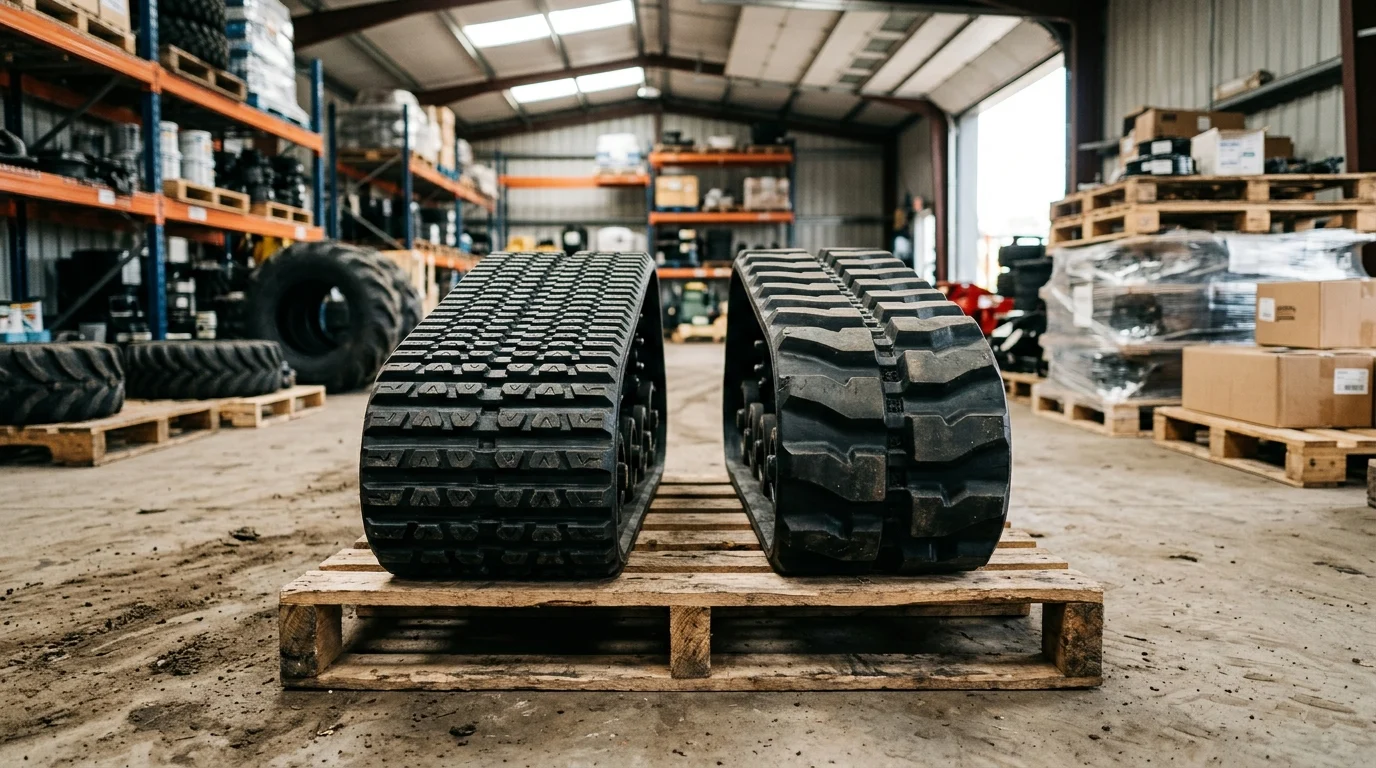
When assessing undercarriage options, the contrast between ASV’s patented Posi-Track technology and conventional steel-embedded CTL tracks becomes stark. While traditional tracks rely on a heavy steel skeleton to maintain rigidity and structural integrity, the ASV Posi-Track approach prioritizes weight reduction (often yielding a 10% to 20% lighter track assembly) and continuous ground contact. This fundamental difference in engineering philosophy dictates how each system performs across demanding job site conditions.
Key Performance Comparison Points
To illustrate the operational differences, a comparison of key metrics highlights the distinct advantages of each design. The absence of a steel core in ASV Posi-Track systems noticeably reduces track weight, which directly translates to better fuel efficiency and less wear on drive components. Furthermore, the ASV internal drive system utilizes specialized lugs that engage with a proprietary sprocket, creating a low-friction transfer of power that naturally sheds mud and debris. This self-cleaning mechanism prevents the undercarriage from packing tightly with soil, which would otherwise stretch the tracks and cause premature failure.
| Feature | ASV Posi-Track System | Conventional CTL Track |
|---|---|---|
| Internal Structure | Flexible poly-cord / Kevlar | Rigid steel core |
| Ground Pressure | 2.8 – 4.5 psi (typical) | 5.0 – 8.0 psi (typical) |
| Roller Contact Points | Up to 48 wheels | 8 – 12 wheels |
| Derailment Risk | Extremely low (internal drive) | Moderate (external drive) |
| Track Weight | 10% – 20% lighter | Standard heavy assembly |
Trade-Offs to Consider
Despite their clear advantages in flotation and speed, acknowledging operational trade-offs is essential to ensure realistic expectations. The flexible rubber construction that makes ASV tracks ideal for turf and mud can be susceptible to accelerated wear if used predominantly on harsh, abrasive surfaces like crushed concrete, jagged demolition debris, or continuous asphalt.
Operators running on these aggressive surfaces might see track lifespans drop noticeably—sometimes degrading in 400 to 600 hours—compared to steel-embedded alternatives that might endure 800 to 1,200 hours under similar abuse. On ideal turf or soft dirt, however, ASV tracks frequently exceed 1,500 hours of operational life. In severe rocky environments, the softer rubber lugs can tear more easily than rigid steel links. Additionally, the complex suspension and internal drive system introduce additional wear points—such as numerous idlers and bogies—which can lead to higher repair costs compared to simpler, rigid undercarriages. Therefore, matching the equipment strictly to the primary working environment is critical to avoid premature replacement costs and unexpected downtime.
How Buyers Should Decide if ASV Tracks Are Right
Making the final purchasing decision requires looking beyond just the spec sheet and promotional materials. Buyers must evaluate their long-term operational needs, the specific terrains their crews encounter most frequently, and the financial implications of maintaining a highly specialized undercarriage system.
Inspection, Application Fit, and Dealer Support
Before committing to an ASV machine, conducting a thorough application audit of current projects is highly recommended. If the majority of operational hours (typically >60%) are spent on soft dirt, snow, or finished landscaping, the investment in ASV Posi-Track is easily justified. Conversely, if a fleet handles heavy urban demolition, standard tracks might be the safer bet.
It is also crucial to inspect the machine’s undercarriage components, such as the condition of the poly-wheels and the drive sprockets, because the track’s performance relies heavily on the health of these elements.
Key Takeaways
- The most important conclusions and rationale for ASV Rubber TRACKS
- Specs, compliance, and risk checks worth validating before you commit
- Practical next steps and caveats readers can apply immediately
Frequently Asked Questions
Are ASV Posi-Track undercarriages compatible with other CTL brands?
No. Posi-Track is an OEM-specific ASV undercarriage design, not a universal aftermarket upgrade for non-ASV compact track loaders.
Why do ASV tracks create lower ground pressure?
ASV tracks use flexible rubber construction, wide contact area, and many roller contact points to spread machine weight more evenly across soft ground.
What ground pressure do ASV tracks typically achieve?
Many ASV Posi-Track machines operate around 2.8 to 4.5 psi, depending on model, machine weight, and track width.
Where are ASV tracks most useful?
They are ideal for wet jobsites, landscaping, golf courses, agriculture, and other areas where flotation and reduced turf damage matter.
Do ASV tracks need special replacement tracks?
Yes. Replacement tracks should match the ASV model and undercarriage design to ensure correct fit, drive engagement, and reliable low-ground-pressure performance.
References
- ASV Posi-Track | Patented Technology & Rubber Wheels For …
- ASV Launches Compact Track Loader Demo Challenge Video Series
- ASV Posi-Track Compact Track Loaders – YouTube
- ASV track loader designed with longer track life – Recycling Today
- ASV Compact Track Loaders: Performance Review | Skidsteers.com
- ASV OEM Rubber Tracks Provide Longevity, Reliability
- ASV has the compact track loader industry’s first and only … – Facebook
- ASV’s new CTL model strives revolutionize the market
- ASV Skid Steer Loaders, Compact Track Loaders
- News – Discovering ASV Tracks The Technology Behind the Performance
Post time: Jun-18-2026