
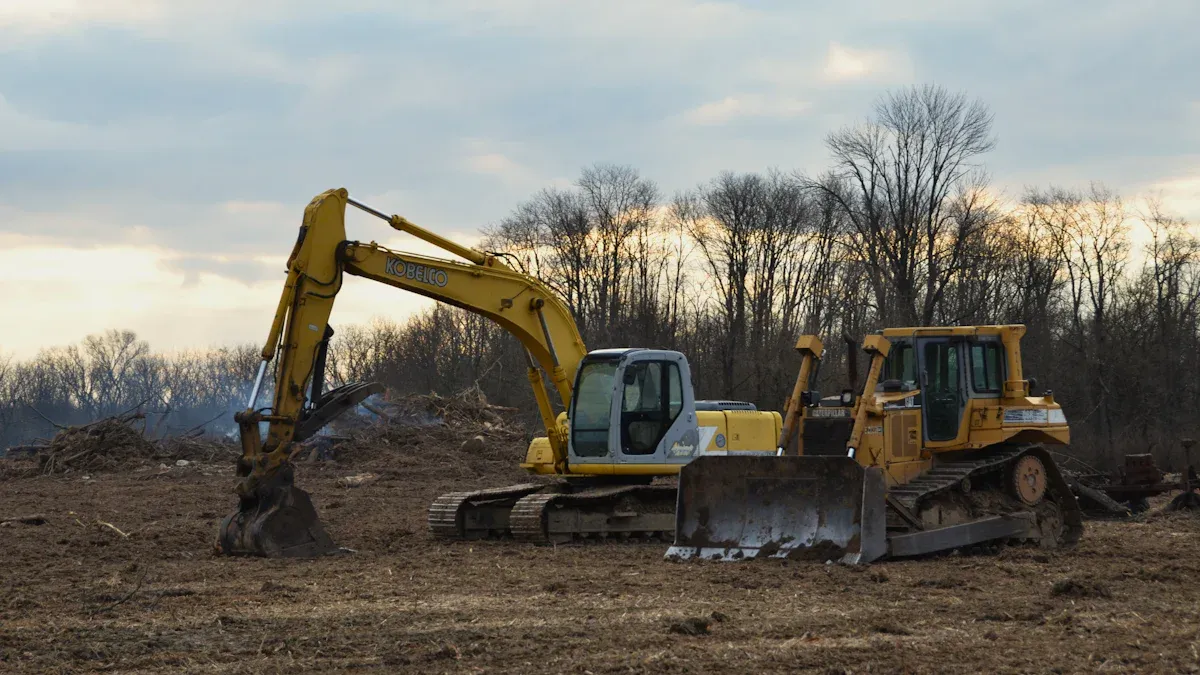
Excavator track maintenance plays a vital role in ensuring optimal performance and longevity. Several factors influence the lifespan of excavator tracks, including usage, maintenance practices, operator training, and environmental conditions. Regular maintenance can lead to significant cost savings, with studies showing potential annual savings of up to $62,000.
| Metric | Value |
|---|---|
| Average Annual Downtime Cost | $180,000 |
| Potential Annual Savings | $62,000 |
| Breakdown Reduction Achieved | 75% |
| Preventable Failure Elimination | 85% |
Key Takeaways
- Regular inspections are crucial. Conduct daily, weekly, and monthly checks to catch issues early and prevent costly repairs.
- Keep tracks clean to avoid premature wear. Use high-pressure washing and manual removal of debris after each job, especially in muddy conditions.
- Proper lubrication is essential. Use the right type of grease for different components to reduce friction and extend the lifespan of excavator tracks.
General Maintenance Tips for Excavator Tracks
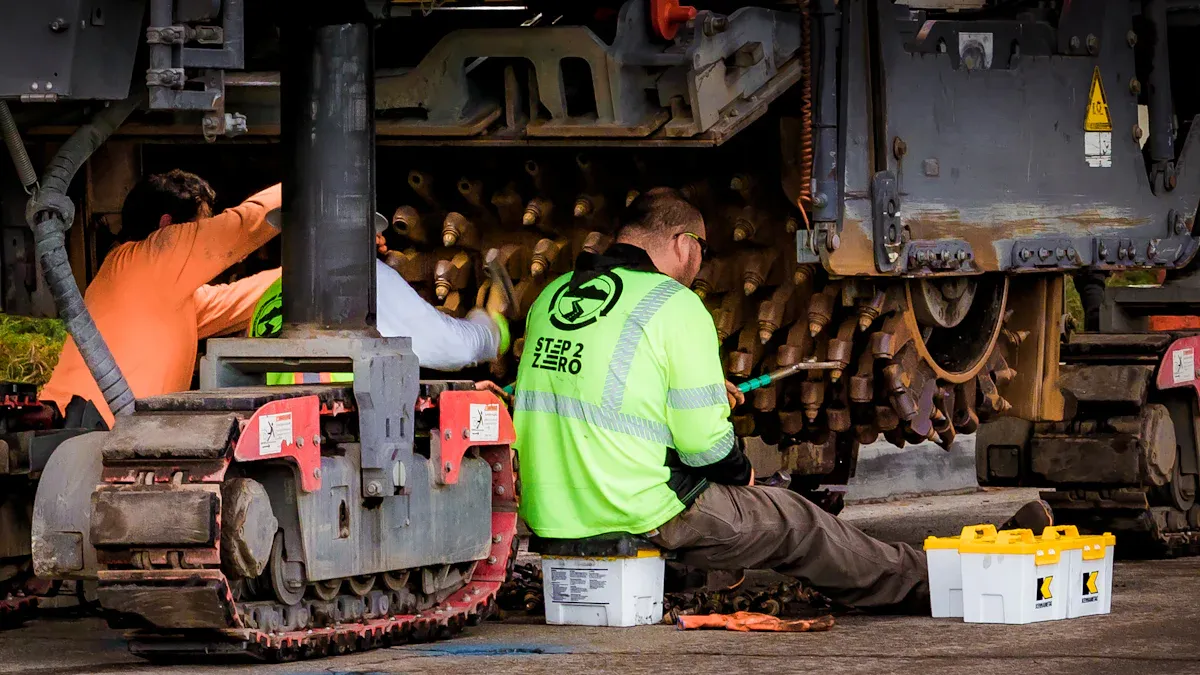
Regular Inspections
Regular inspections are crucial for maintaining excavator tracks. Operators should conduct visual checks to identify potential issues before they escalate. The recommended inspection intervals include:
| Inspection Interval | Purpose |
|---|---|
| Daily | Immediate health check of the excavator |
| Weekly | Catch potential issues before they escalate |
| Monthly | In-depth assessment of the excavator’s health |
During these inspections, operators should focus on specific components. Key areas to check include:
- Excessive wear on bushings and pins.
- Dry or cracked seals that could cause lubrication loss.
- Hooked, broken, or sharp sprocket teeth.
- Uneven tooth wear indicating misalignment.
- Loose bolts or cracks around the sprocket hub.
- Oil leaks from seals in rollers.
- Flat spots or excessive wear on rollers.
- Cracks, chips, or dents on idlers.
- Improper track tension, either too tight or too loose.
By regularly inspecting these components, operators can prevent costly repairs and ensure the longevity of excavator tracks.
Cleaning Practices
Cleaning excavator tracks is essential for preventing premature wear. Operators should adopt effective cleaning methods to remove debris without causing damage. Recommended practices include:
- High-Pressure Washing: This method effectively removes mud, rocks, and debris from tracks.
- Manual Debris Removal: For stubborn debris, manual removal is advisable to prevent damage.
Cleaning should occur regularly, especially after each job. If working in muddy or abrasive conditions, operators should clean more than once during a shift. Regular cleaning prevents debris buildup that can lead to premature wear and maintains the longevity of the undercarriage.
Lubrication Techniques
Proper lubrication significantly affects the performance and lifespan of excavator tracks. Operators should use the right type of lubricant for different components. Here are some recommended lubricants:
| Lubricant Type | Key Features | Applications |
|---|---|---|
| General-Purpose Grease | Lithium-based, versatile, good wear resistance, moderate temperature range. | Bucket pins, bushes, general lubrication needs. |
| Heavy-Duty Grease | Contains molybdenum disulphide, designed for extreme pressure applications. | High-stress areas like pivot pins, bushings in heavy machinery. |
| Water-Resistant Grease | Calcium-based, exceptional water resistance, protects against corrosion. | Excavators in wet or muddy environments, marine equipment. |
| Extreme Temperature Grease | Synthetic, high-temperature tolerance, maintains lubrication in extreme heat. | Equipment in hot climates, high-friction applications, and cold environments. |
Regular lubrication helps reduce friction and wear. Insufficient greasing can lead to overheating, corrosion, and increased friction, negatively impacting performance. Operators should schedule lubrication to ensure optimal performance and increase the lifespan of excavator tracks.
Rubber Excavator Tracks Maintenance
Specific Care Requirements
Rubber excavator tracks require unique care compared to steel tracks. Operators should consider the following features when maintaining rubber tracks:
| Feature | Rubber Tracks | Steel Tracks |
|---|---|---|
| Durability | Less durable in harsh conditions | Superior durability and resistance to wear |
| Replacement Frequency | Requires more frequent replacements | Less frequent replacements due to durability |
| Temperature Sensitivity | Sensitive to temperature changes, can become brittle or soft | Not sensitive to temperature changes |
| Ground Disturbance | Less ground disturbance during operation | More ground disturbance during operation |
| Noise Level | Quieter during operation | Noisier during operation |
Operators should also be aware of environmental factors that impact rubber tracks. For instance, abrasive soil conditions, such as rocky or sandy terrains, accelerate rubber degradation. High-speed operations and frequent reversing create uneven wear patterns. To mitigate these issues, operators should conduct more frequent inspections and maintenance.
Common Issues and Solutions
Rubber excavator tracks face several common issues. Here are some frequent problems and their solutions:
- Cracks or Cuts: Repair attempts with vulcanizing cement often fail. Instead, consider replacing the track.
- Exposed Steel Cords: Snipping steel cables to hide damage compromises the track’s strength. Replacement is necessary.
- Guiding Lugs Detachment: Fastening with bolts can lead to rust. Use appropriate adhesives instead.
- Sewing with Bolts and Chains: This method risks moisture intrusion. Avoid it to maintain track integrity.
- Retreading: While it can extend lifespan, it is less durable than new tracks. Choose reputable companies for this service.
To prevent these issues, operators should follow these preventative measures:
- Keep tracks out of UV rays by storing machinery indoors or in shaded areas.
- Run the engine regularly to maintain rubber flexibility.
- Avoid excessive tension by adjusting track tension according to manufacturer recommendations.
- Drive carefully to reduce stress on the tracks.
- Maintain site conditions by working on softer surfaces and removing sharp objects.
By adhering to these care requirements and addressing common issues promptly, operators can enhance the performance and longevity of rubber excavator tracks.
Steel Excavator Tracks Maintenance
Unique Maintenance Needs
Steel excavator tracks require specific maintenance practices to ensure optimal performance. Operators should focus on several key tasks:
| Maintenance Task | Rubber Tracks | Steel Tracks |
|---|---|---|
| Regular Cleaning | Remove debris and dirt after each use. | N/A |
| Avoid Harsh Chemicals | Use only manufacturer-recommended cleaning agents. | N/A |
| Storage Considerations | Store in a cool, dry place to prevent brittleness. | N/A |
| Lubrication | N/A | Regularly lubricate pins and bushings. |
| Rust Prevention | N/A | Apply coatings to inhibit rust. |
| Inspection for Wear | N/A | Inspect for signs of bending or excessive wear. |
Operators should conduct regular inspections and cleaning to prevent damage from debris. Daily checks should include cleaning the tracks to avoid hard-packed dirt, which can lead to faster wear. Visual inspections for cracks and uneven wear are essential for maintaining optimal performance.
Troubleshooting Common Problems
Steel excavator tracks can encounter various issues. Here are some common problems and their solutions:
- Misaligned Tension: Incorrect tension can cause tracks to loosen or bind. Operators should regularly inspect and adjust the track tension according to manufacturer guidelines.
- Debris Buildup: Foreign objects lodged in the tracks impede movement. Regularly inspect and remove any debris from the tracks to ensure smooth operation.
To address frequent issues, operators can follow these steps:
- Check Track Tension: Regularly inspect and adjust the track tension to prevent slippage.
- Inspect Undercarriage Components: Maintain rollers, idlers, and sprockets to ensure they are not worn out.
- Ensure Proper Alignment of Track Frame: Have a professional check for any misalignment or bending of the track frame.
- Clear Debris Buildup: Regularly clean the undercarriage to remove rocks and mud that can interfere with track seating.
- Adopt Correct Operating Habits: Make wider turns and avoid sharp pivots to reduce stress on the track.
By following these maintenance practices and troubleshooting steps, operators can enhance the performance and longevity of steel excavator tracks.
Signs of Wear and Tear in Excavator Tracks
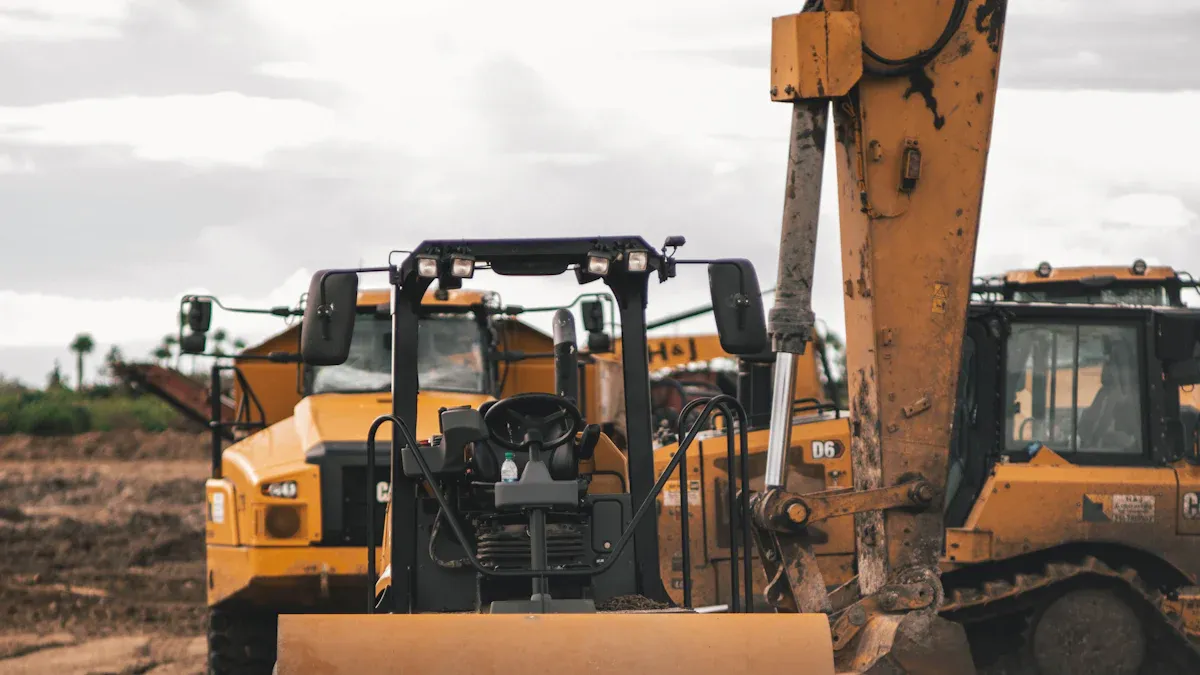
Identifying Track Damage
Operators must remain vigilant for signs of wear and damage in excavator tracks. Early detection can prevent costly repairs and extend the lifespan of the machinery. Here are some key indicators to watch for:
- Uneven Track Wear: This condition often signals alignment issues, improper tension, or worn-out undercarriage components. Operators should inspect tracks regularly to identify any irregularities.
- Excessive Looseness: If tracks feel loose or misaligned, it may indicate worn lower rollers. This issue can lead to track sagging, which affects performance.
- Flat Spots on Rollers: Continuous use on abrasive terrain can cause flat spots or excessive pitting on rollers. These conditions reduce rolling efficiency and may necessitate replacement.
- Visible Cracks or Breaks: Any visible damage in track links can compromise the integrity of the track system. Operators should address these issues immediately to avoid further complications.
- Reduced Grip: Tracks lacking tread depth can slip, affecting performance on various surfaces. Operators should monitor tread conditions closely.
By recognizing these signs early, operators can take proactive measures to maintain their equipment. This approach can lead to significant savings by avoiding major repairs and extending the machinery’s lifespan.
When to Replace Tracks
Knowing when to replace excavator tracks is crucial for maintaining optimal performance. Operators should consider the following guidelines:
- Cracks or Breaks: Any visible damage in track links indicates a need for replacement. Cracked tracks can lead to corrosion and eventual failure if not addressed.
- Uneven Wear Patterns: Misalignment or poor tensioning can cause irregular wear. If operators notice uneven wear, it may be time to replace the tracks to prevent further damage.
- Constant Loss of Tension: If tracks consistently lose tension, they may be stretching and require replacement. Regular inspections can help identify this issue early.
- Excessive Noise: Grinding or squealing sounds during operation can signal worn rollers or bushings. Operators should investigate these noises promptly.
- Visible Metal Links: If dirt buildup exposes metal links, immediate replacement is necessary. This condition can lead to severe damage if left unaddressed.
Industry standards suggest that well-maintained rubber tracks can last between 1,500 to 2,000 working hours. Regular inspections are essential to identify signs of wear and determine when to order replacements. Delaying replacement can lead to instability in the equipment, increased fuel consumption, and compromised safety for operators and nearby personnel.
By staying informed about these signs and guidelines, operators can ensure the longevity and efficiency of their excavator tracks.
Regular maintenance of excavator tracks is essential for safety and performance. It extends the service life of machinery and prevents costly repairs. Operators should follow these best practices:
- Maintain correct track tension.
- Keep tracks clean to avoid debris buildup.
- Inspect for visible damage regularly.
Prioritizing track care leads to optimal performance and enhances overall efficiency. By adopting these practices, operators can ensure their equipment remains reliable and safe.
Post time: Sep-26-2025